Different cast iron pans have been culinary staples for centuries, evolving from basic cooking implements to highly sought-after pieces for both professional chefs and home cooks. Their versatility stems from their ability to distribute heat evenly, retain heat exceptionally well, and offer a naturally non-stick surface when properly seasoned. Understanding the nuances of different cast iron pans – from their composition and manufacturing processes to their diverse applications – is crucial for anyone seeking to elevate their cooking experience. This knowledge allows for informed purchasing decisions and unlocks the full potential of this timeless cookware.
Globally, cast iron cookware represents a significant intersection of tradition, functionality, and evolving culinary trends. While modern materials like stainless steel and non-stick coatings have gained popularity, cast iron remains a preferred choice in many cultures for specific dishes and cooking techniques. The demand for durable, long-lasting cookware is rising, particularly as consumers become more conscious of sustainability and reducing waste. From the robust Dutch ovens used for braising in Europe to the skillets utilized for cornbread in the American South, different cast iron pans have become culturally embedded in cuisines worldwide.
The resurgence of cast iron's popularity is also linked to a growing appreciation for slow cooking, rustic flavors, and connecting with culinary heritage. This represents a shift away from purely convenience-based cookware and towards pieces that offer a deeper, more satisfying cooking experience. With increasing interest in home cooking and artisanal food preparation, the understanding of different cast iron pans becomes increasingly vital.
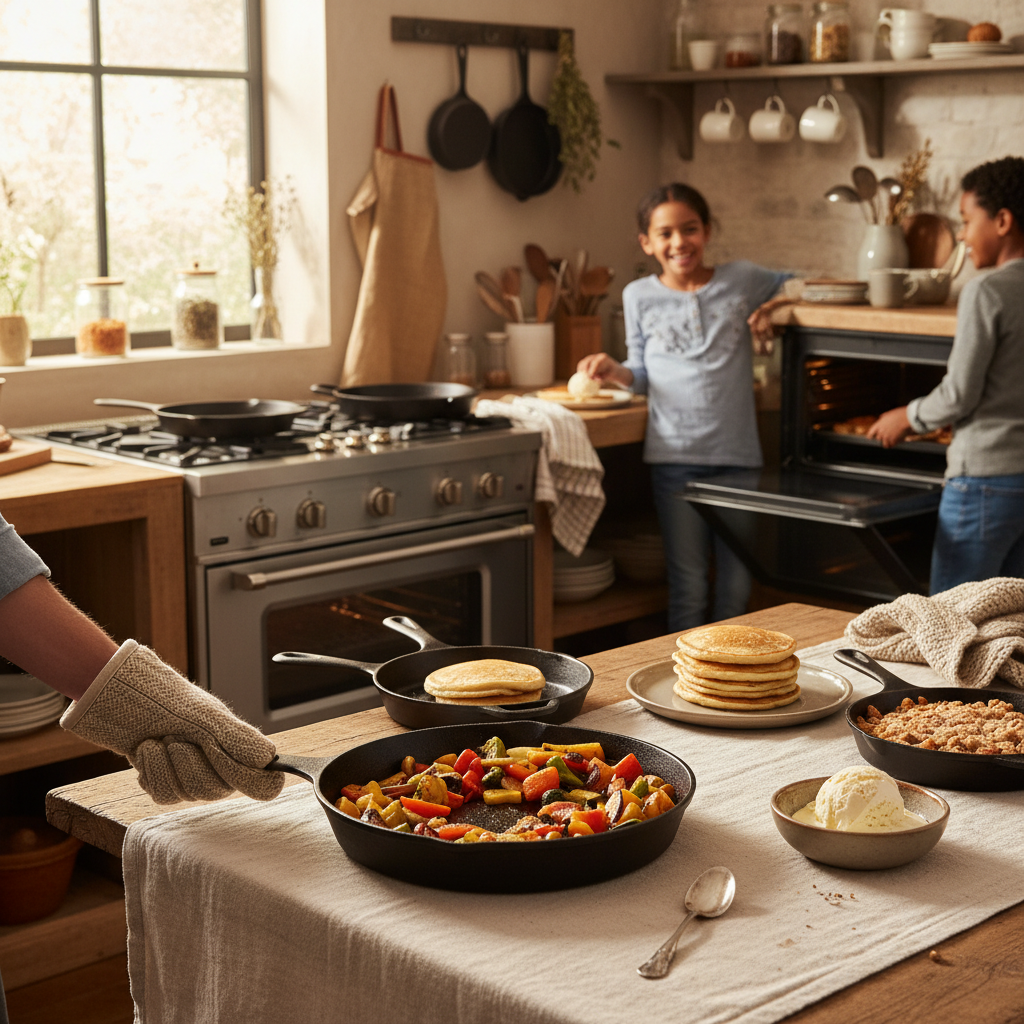
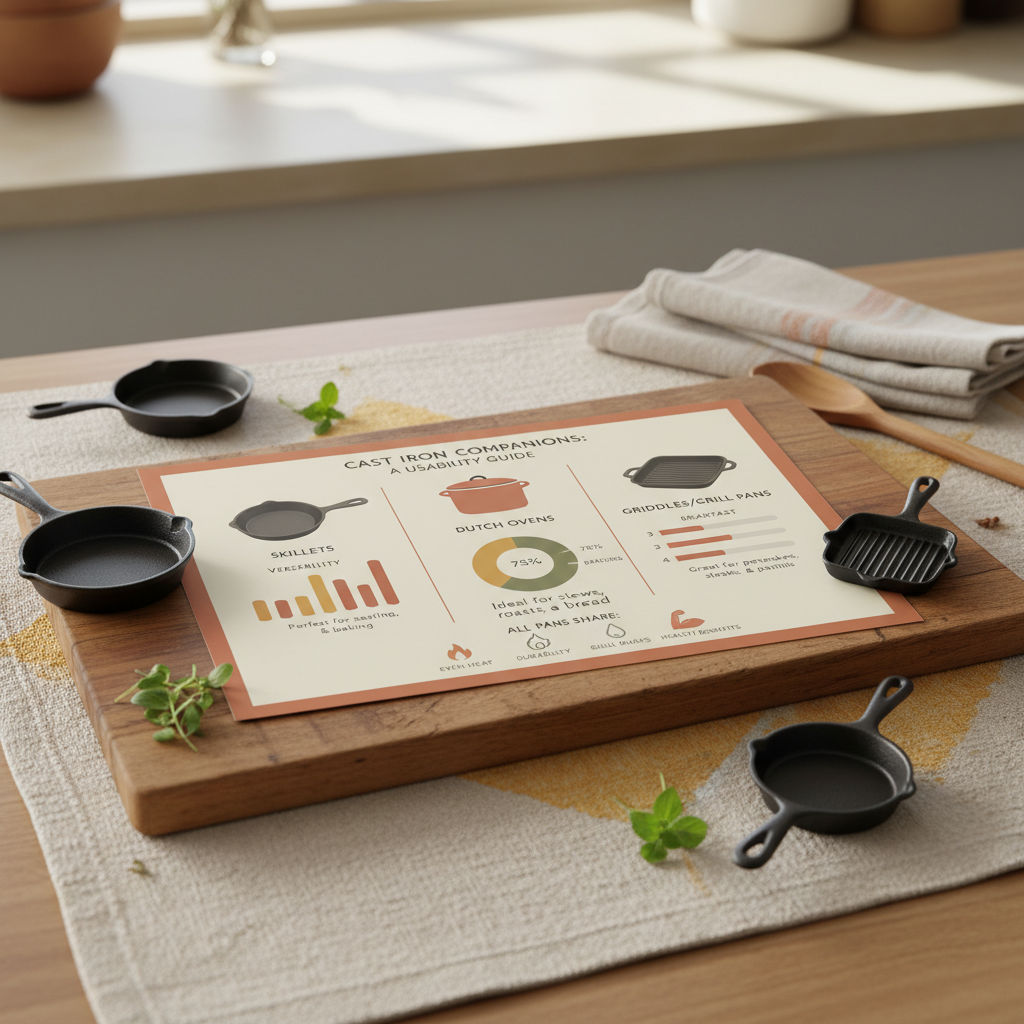
The longevity of cast iron cookware is a testament to its inherent qualities. Unlike many modern cooking technologies that quickly fall out of favor, different cast iron pans have maintained a continuous presence in kitchens worldwide for centuries. This isn’t simply due to nostalgia, but a pragmatic appreciation for their exceptional performance. Their ability to retain and distribute heat makes them ideal for searing, frying, baking, and slow cooking.
Furthermore, the naturally non-stick surface that develops with proper seasoning, coupled with their durability – capable of lasting generations – contributes to their continued appeal. The versatility of different cast iron pans, moving seamlessly from stovetop to oven to campfire, solidifies their position as a timeless kitchen essential.
Seasoning a new cast iron pan involves coating it thinly with oil (like flaxseed, canola, or vegetable oil) and baking it upside down in the oven at around 450-500°F (232-260°C) for an hour. Repeat this process 3-4 times to build up a good base layer of seasoning. It’s crucial to apply very thin layers of oil to avoid stickiness. This creates a natural, non-stick surface and protects the pan from rust. Proper seasoning is foundational for enjoying the benefits of different cast iron pans.
Avoid using soap on cast iron pans, as it can strip the seasoning. Instead, rinse the pan with hot water and use a gentle scrub brush or sponge to remove food particles. For stubborn residue, you can simmer water in the pan for a few minutes and then scrape it clean. Dry the pan thoroughly immediately after washing, and apply a very light coat of oil to prevent rust. Maintaining this cleaning routine is essential for preserving the seasoning and longevity of your different cast iron pans.
Yes, you can use metal utensils in cast iron, but do so with reasonable care. While cast iron is incredibly durable, aggressive scraping or forceful use can eventually damage the seasoning. Gentle use of metal spatulas and spoons is generally acceptable. Avoid using sharp or abrasive utensils that could gouge the surface. A well-seasoned pan will withstand normal use with metal utensils, enhancing the utility of your different cast iron pans.
Unenameled cast iron requires seasoning to prevent rust and provide a non-stick surface. It can impart a slight iron flavor to food. Enameled cast iron is coated with a porcelain enamel, eliminating the need for seasoning and making it easier to clean. However, enameled cast iron can be more prone to chipping if mishandled. Choosing between the two depends on your cooking style and preferences regarding maintenance and flavor. Both types represent valuable options within the family of different cast iron pans.
The key to preventing rust is to keep the cast iron dry. Always dry the pan thoroughly after washing, and apply a very light coat of oil. If rust does appear, scrub it off with steel wool, then re-season the pan. Storing cast iron in a dry place is also crucial. Consistent preventative maintenance is vital for ensuring the long lifespan of your different cast iron pans.
While it’s a common concern, well-seasoned cast iron can safely handle acidic foods like tomatoes. However, prolonged simmering of highly acidic foods can potentially break down the seasoning over time. If you frequently cook acidic dishes, consider using enameled cast iron, which is more resistant to acid. Using different cast iron pans with acidic ingredients occasionally won’t usually cause significant problems with well-maintained seasoning.
Different cast iron pans represent a unique blend of historical significance, practical functionality, and enduring value. From their ancient origins to modern innovations, these versatile cooking tools have consistently proven their worth in kitchens around the world. Their exceptional heat retention, durability, and ability to develop a natural non-stick surface make them indispensable for a wide range of cooking applications. Investing in quality cast iron cookware is an investment in a culinary legacy.
Looking ahead, the future of cast iron pans is bright, with ongoing innovations promising to enhance their performance and sustainability. By understanding the nuances of different types, proper care techniques, and emerging technologies, cooks can unlock the full potential of this timeless cookware and continue to enjoy its benefits for generations to come. For a wider selection of different cast iron pans, visit our website: www.zdcookware.com