Understanding cast iron cookware price is crucial for both home cooks and professional chefs alike. Historically, cast iron was a relatively inexpensive cooking solution, but modern variations and market demands have created a diverse price range. This influences purchasing decisions, impacting kitchenware budgets globally. Knowing the factors that contribute to this price variation – from material quality to brand reputation – allows consumers to make informed choices, maximizing value and ensuring the longevity of their cookware investment.
The global market for cast iron cookware is experiencing sustained growth, driven by a resurgence in interest in traditional cooking methods and the perceived health benefits of iron-rich cooking. According to recent reports, the market is projected to reach \$X billion by 2028, with North America and Europe being key consumer regions. This growth directly correlates with fluctuations in cast iron cookware price, influenced by raw material costs (iron ore, coal), manufacturing processes, and supply chain logistics.
Fluctuations in cast iron cookware price present both challenges and opportunities for manufacturers and consumers. Rising iron ore prices, for instance, inevitably lead to increased production costs, impacting retail pricing. However, innovation in manufacturing techniques and materials can help mitigate these costs, offering more affordable options without compromising quality. Ultimately, understanding these dynamics is key to navigating the market effectively.
The Significance of Cast Iron Cookware Price
The cast iron cookware price isn’t simply a number; it’s a reflection of quality, craftsmanship, and the enduring appeal of a cooking method that has been refined over centuries. A lower price point might indicate mass production and potentially thinner iron, while a higher price often signifies thicker, superior grade iron, pre-seasoning, and brand prestige. Understanding this relationship empowers consumers to select cookware that aligns with their needs and budget.
Furthermore, the price of cast iron cookware impacts accessibility. Affordable options make this durable cooking solution available to a wider range of individuals, promoting equitable access to quality kitchenware. This is particularly important in regions where alternative cooking methods might be less efficient or more expensive over the long term.
Defining Cast Iron Cookware Price
Cast iron cookware price refers to the monetary value assigned to pots, pans, skillets, Dutch ovens, and other culinary tools made primarily from cast iron. This price is determined by a complex interplay of factors, including the raw material costs (iron ore, carbon), manufacturing processes (sand casting, machining), finishing techniques (pre-seasoning, enamel coating), brand reputation, and distribution channels.
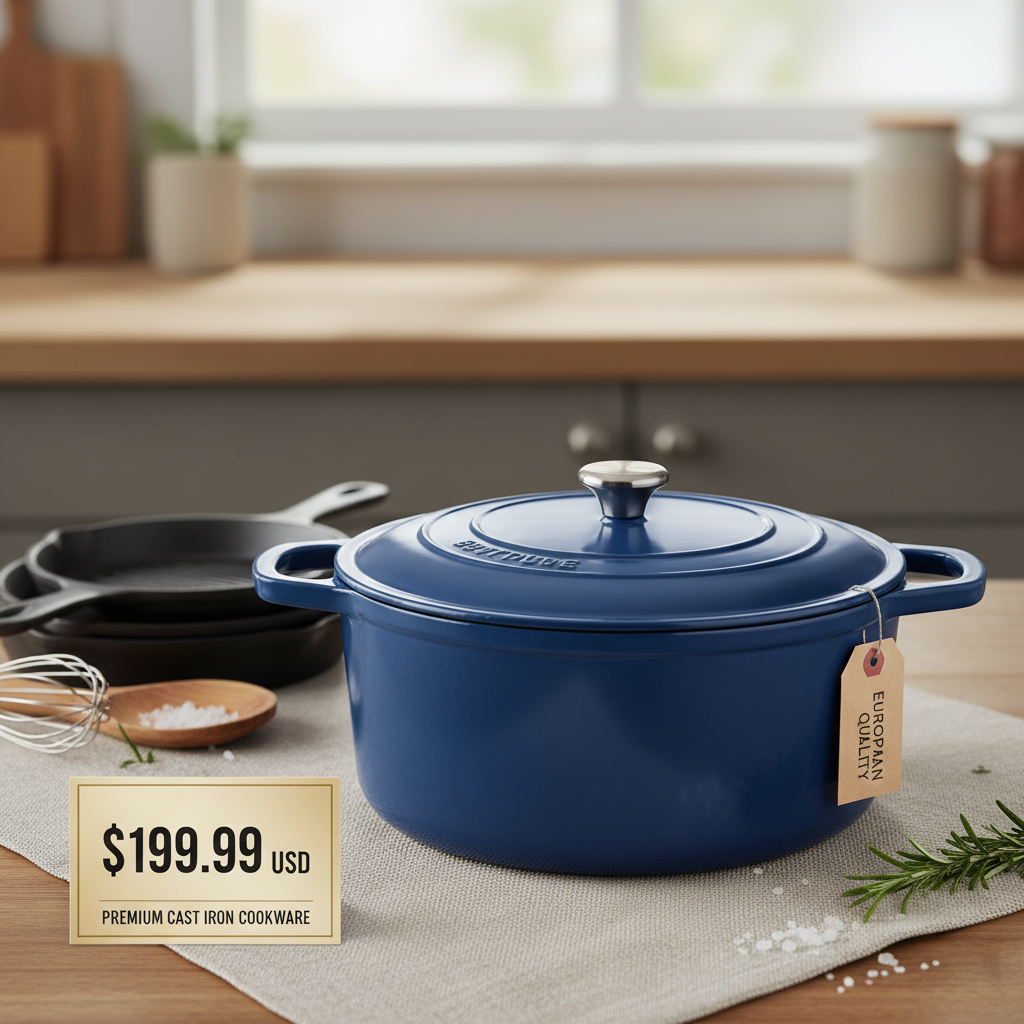
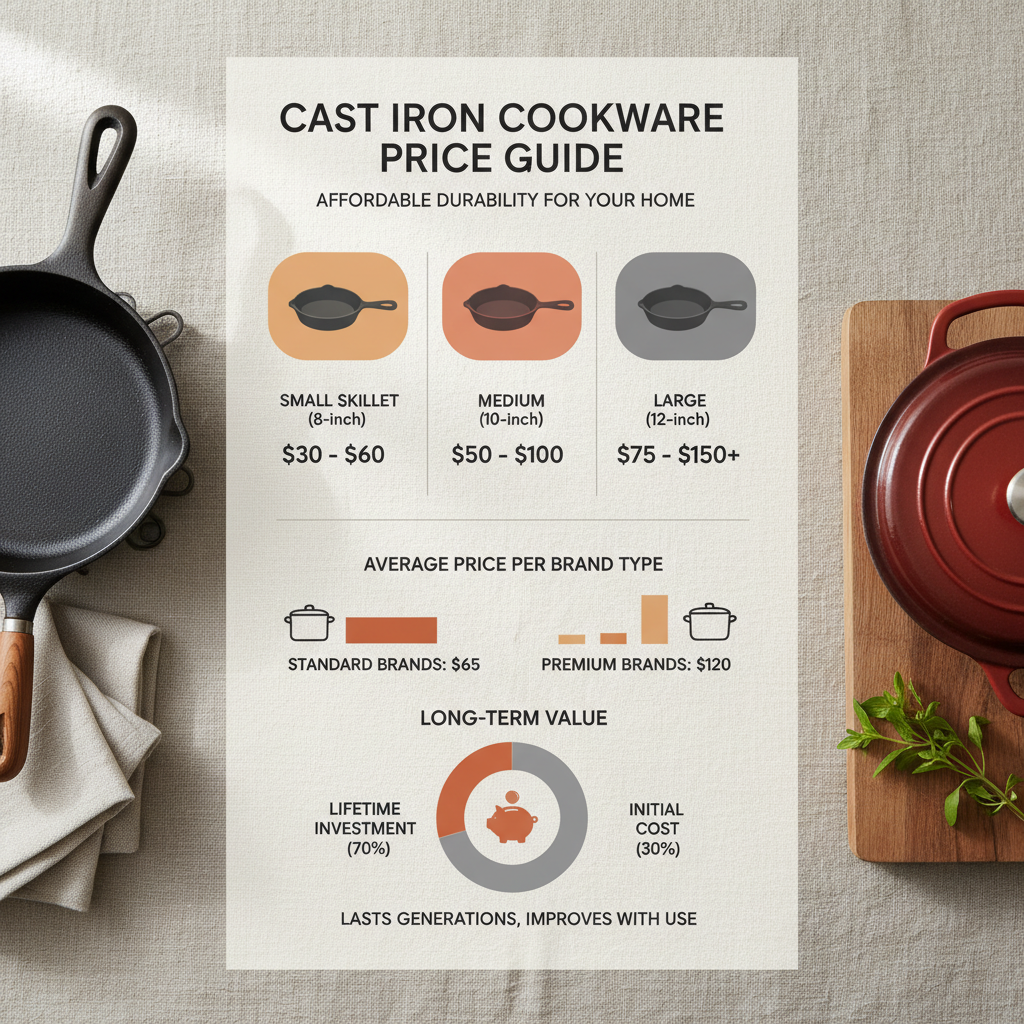
The price can vary enormously, from under \$20 for a basic, unseasoned skillet to over \$300 for a premium, enameled Dutch oven from a renowned brand. Understanding these price tiers requires considering the inherent benefits of cast iron – its exceptional heat retention, even heating, and durability – and how these qualities are reflected in the manufacturing process.
Ultimately, the definition of cast iron cookware price extends beyond the initial purchase cost. It encompasses the long-term value derived from a product that, with proper care, can last for generations, offering a sustainable and cost-effective cooking solution.
Core Factors Influencing Cast Iron Cookware Price
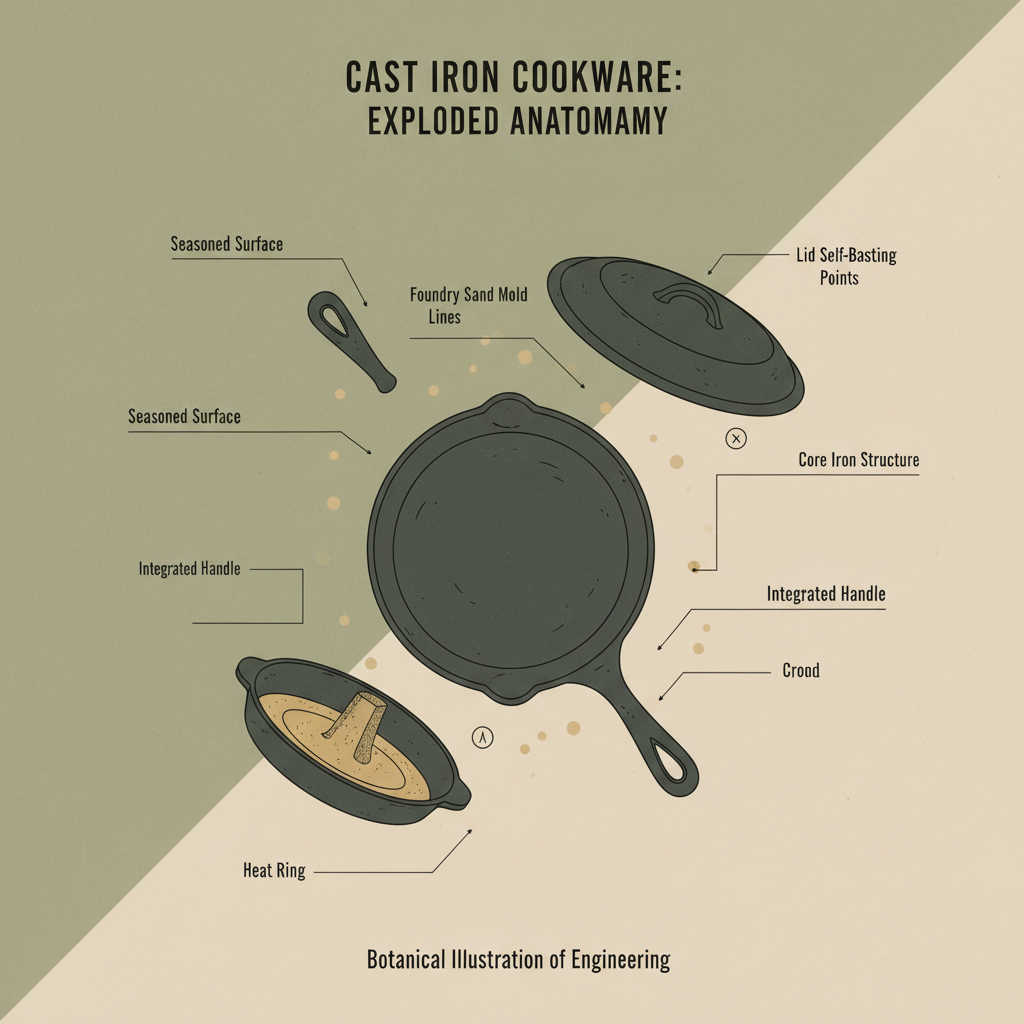
Several key factors contribute to the variance in cast iron cookware price. Firstly, the weight and thickness of the iron itself play a significant role. Thicker cast iron offers superior heat retention and is less prone to warping, but requires more raw material and energy to produce, driving up the cost.
Secondly, the manufacturing process significantly impacts price. Sand casting, a traditional method, is generally less expensive than more modern techniques like machining, which yields smoother surfaces and tighter tolerances. Enameled cast iron, involving multiple layers of porcelain enamel, adds substantial cost due to the complex coating process.
Brand reputation and marketing also play a role. Well-established brands with a strong track record of quality often command a premium price. Additionally, pre-seasoning (applying a protective layer of oil) adds to the cost, although it saves consumers the time and effort of seasoning the cookware themselves.
Global Market Dynamics of Cast Iron Cookware Price
The global market for cast iron cookware is influenced by macroeconomic factors that directly impact cast iron cookware price. Fluctuations in the price of iron ore, a key raw material, have a cascading effect on production costs. Geopolitical events and trade policies can also disrupt supply chains, leading to price increases.
Competition among manufacturers, particularly from countries with lower labor costs, also plays a critical role. China, for instance, is a major producer of cast iron cookware, often offering competitively priced products. However, quality control can vary significantly, impacting long-term durability and consumer satisfaction.
Comparison of Cast Iron Cookware Price by Production Method
Applications and Market Segments
The market for cast iron cookware is segmented by application and end-user. Home cooks represent the largest segment, seeking durable and versatile cookware for everyday use. Specialty segments include professional chefs, outdoor cooking enthusiasts (camping, grilling), and collectors who appreciate vintage cast iron pieces. The cast iron cookware price varies considerably across these segments.
Certain applications, such as Dutch ovens used for slow cooking and braising, command higher prices due to their specialized functionality and construction. Similarly, enameled cast iron cookware, favored for its ease of cleaning and non-reactive surface, often targets a more affluent consumer base willing to pay a premium for convenience and aesthetic appeal.
The Long-Term Value Proposition
While the initial cast iron cookware price might be higher than that of some alternatives, the long-term value proposition is compelling. Properly maintained cast iron cookware can last for decades, even generations, making it a sustainable and cost-effective investment.
Furthermore, cast iron cookware imparts a unique flavor profile to food, enhancing the culinary experience. Its exceptional heat retention allows for consistent cooking temperatures, resulting in superior results. The durability and versatility of cast iron cookware contribute to its enduring appeal, justifying the initial investment for discerning cooks.
Beyond the tangible benefits, owning well-crafted cast iron cookware evokes a sense of tradition and connection to culinary history. It's a piece of equipment that can be passed down through families, becoming a cherished heirloom.
Future Trends & Innovations in Pricing
Several trends are poised to influence the future of cast iron cookware price. Innovations in materials science, such as lightweight cast iron alloys, could potentially reduce production costs without sacrificing durability.
The rise of e-commerce and direct-to-consumer brands is also impacting pricing dynamics, allowing manufacturers to bypass traditional retail markups and offer more competitive prices. Additionally, increased consumer awareness of sustainability and ethical sourcing practices may drive demand for responsibly produced cast iron cookware, potentially influencing price premiums.
The integration of smart technologies, such as embedded sensors to monitor cooking temperatures, could also lead to the development of premium cast iron cookware with advanced features, commanding a higher price point.
Summary of Factors Affecting Future Cast Iron Cookware Price
| Innovation Category |
Impact on Production Cost |
Potential Price Change (1-10) |
Consumer Willingness to Pay |
| Lightweight Alloy Development |
Moderate Decrease |
6 |
High |
| Direct-to-Consumer Sales |
Significant Decrease |
8 |
Moderate |
| Sustainable Sourcing Initiatives |
Moderate Increase |
5 |
Moderate to High |
| Smart Cookware Integration |
Significant Increase |
9 |
Low to Moderate |
| Automated Manufacturing Processes |
Moderate Decrease |
7 |
High |
| Improved Enamel Coating Technology |
Slight Increase |
4 |
Moderate |
FAQS
Several factors heavily influence the cast iron cookware price, including the weight and thickness of the iron, the manufacturing process (sand casting vs. machining), whether it’s enameled, the brand reputation, and pre-seasoning. Thicker iron, machined finishes, enamel coatings, and established brands generally result in higher prices due to increased material and production costs.
Not necessarily. While a higher cast iron cookware price often indicates better quality materials or craftsmanship, it's not a guarantee. It's crucial to consider the specific features, such as iron thickness, surface finish, and the quality of any enamel coating. Researching the brand and reading customer reviews is essential to determine true value.
Pre-seasoning adds to the cast iron cookware price because it’s a labor-intensive process. While seasoning cast iron at home is possible, it requires time and effort. Pre-seasoned cookware offers convenience and a protective layer against rust, justifying a slightly higher cost for many consumers.
Yes, there are often significant price differences between brands. Renowned brands with a history of quality and customer satisfaction typically command higher prices. However, several reputable brands offer excellent value at more affordable price points. Comparing features and reading reviews can help you find the best option for your needs and budget.
To get the best value, consider your cooking needs and budget. Research different brands and models, read customer reviews, and compare prices. Look for sales and promotions, and don’t be afraid to consider refurbished or vintage cast iron cookware, which can offer excellent quality at a lower cast iron cookware price.
Enameled cast iron typically costs more due to the additional manufacturing process. It’s worth the extra cost if you value convenience (easy cleaning) and want a non-reactive surface that won’t impart flavors to your food. However, traditional seasoned cast iron is perfectly suitable for many cooks and offers excellent performance at a lower cast iron cookware price.
Conclusion
In conclusion, cast iron cookware price is a multifaceted topic influenced by material costs, manufacturing processes, brand reputation, and market dynamics. Understanding these factors empowers consumers to make informed purchasing decisions, selecting cookware that aligns with their needs and budget. Investing in quality cast iron, regardless of price point, provides a durable, versatile, and sustainable cooking solution that can last a lifetime.
Looking ahead, innovations in materials science and manufacturing techniques promise to further refine the cast iron cookware market, potentially offering more affordable options without sacrificing quality. As consumer awareness of sustainability and ethical sourcing grows, demand for responsibly produced cast iron will likely increase, shaping the future of pricing and product development. Visit our website at www.zdcookware.com to explore our selection of cast iron cookware and find the perfect addition to your kitchen.