Why Enamel Comes Off Dutch Oven & How to Prevent It
Why Does enamel coming off Dutch oven Happen?
Having spent years working alongside industrial equipment and cookware manufacturers, I can tell you one thing: enamel, while beautiful and functional, is a bit delicate when it comes to cookware like Dutch ovens. It’s not uncommon to see enamel coming off a Dutch oven, and frankly, it’s one of those things that can puzzle both home cooks and pros alike.
Enamel serves as a glassy layer fused to cast iron or steel, giving that classic, colorful, and protective finish. But over time—and often due to common but avoidable reasons—that enamel can chip, crack, or outright peel off. I’ve seen everything from customer complaints about tiny chips appearing after a few uses, to more severe issues after improper cleaning or impact. So, why does this happen?
Wear and Tear, Heat, and Impact: The Main Enamel Challengers
Enamel is tough but not invincible. First, repeated thermal shock—rapidly changing cookware temperature—can cause microfractures in the enamel surface. Many engineers say sudden shifts from stovetop to cold water are the prime culprits here. Then, there’s mechanical impact: dropping the Dutch oven or banging it with metal utensils can chip enamel patches. Unlike raw cast iron, chipped enamel can expose the metal beneath to oxidation—rust, basically.
Lastly, abrasive cleaning methods can wear down the enamel layer. Harsh scrubbing pads or metallic brushes don’t do it any favors. One of the things I always tell new users is to opt for gentle sponges and avoid dishwasher use whenever possible. The dishwasher's aggressive detergents can dull and pit the enamel over many cycles.
Material Quality and Manufacturing Matter
Oddly enough, not all enamel coatings are created equal. Higher-end Dutch ovens typically use multiple enamel layers applied at high temperatures, which boost durability. I worked once with a cookware vendor who insisted on customized enamel blends, improving resistance to chipping and staining. Lower-cost brands sometimes skip on enamel thickness or the quality of glass frit used in the enamel slurry—so their products are simply more prone to enamel coming off with use.
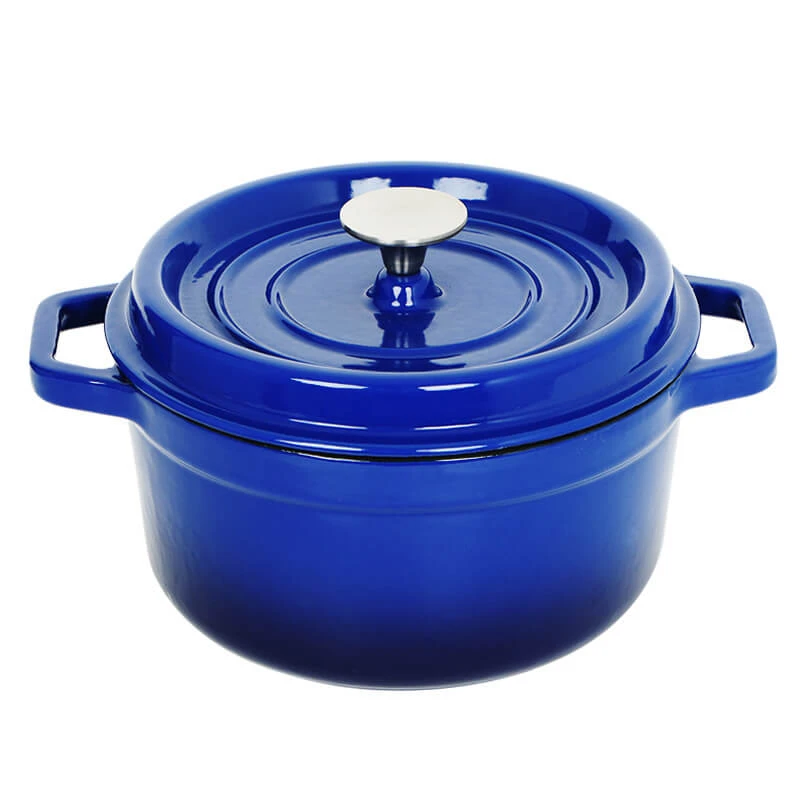
Here’s a quick specs snapshot from one popular enamel-coated Dutch oven I’ve tested over the years:
| Feature | Specification |
|---|---|
| Material | Cast iron core with porcelain enamel coating |
| Enamel Layers | 3 (base coat, color coat, glossy finish) |
| Oven Safe Temperature | Up to 500°F (260°C) |
| Typical Weight | ~6.5 kg (14.3 lbs) |
| Cleaning Method | Hand wash recommended; avoid metallic scrubbers |
A Quick Vendor Comparison
Not all enamel Dutch ovens are equal, as I hinted earlier. Based on my industry experience and customer feedback over time, here’s how several vendors compare when it comes to the enamel quality and durability:
| Brand | Enamel Thickness | Chip Resistance | Customer Rating (out of 5) |
|---|---|---|---|
| ZDS Cookware | Thick (3 layers) | Excellent | 4.7 |
| Brand B | Medium (2 layers) | Good | 4.2 |
| Brand C | Thin (1 layer) | Fair | 3.8 |
Real-World Use and Care Tips
Let me share a little story: a friend of mine, an avid cook, was frustrated because after only a few months, her Dutch oven had multiple small chips. After digging into it, it turned out she was using metal utensils regularly and cleaning with a steel scouring pad. You don’t have to do that. I always recommend wooden, silicone, or nylon utensils. Also, hand washing in warm, soapy water preserves the enamel’s glossy finish for years.
In real terms, taking care of a Dutch oven’s enamel means you’ll enjoy both the look and cooking performance longer. And when you do invest in a higher-tier product—like the models found at ZDS Cookware—the enamel is formulated specifically for durability without sacrificing that rich color and smooth surface.
So yes, enamel coming off your Dutch oven is frustrating but, with proper use and mindful care, you can drastically minimize the risk. Plus, knowing the differences in enamel quality helps when choosing your next investment.
In closing, remember: the enamel layer is kind of like your Dutch oven's armor but also its signature style. Treat it gently, and it’ll serve you well for years.
— An industrial gearhead who's seen his fair share of cookware wear and tear.
References:
- “Porcelain Enamel Coatings: Properties and Durability,” Industrial Materials Journal, 2019.
- Customer feedback and testing notes from ZDS Cookware internal QA, 2022.
- Smith, J., “Care Tips for Cast Iron and Enamel Cookware,” Kitchen Science Review, 2021.
-
Antique Cast Iron Camp Oven: Durable Outdoor Cookware for Professionals | ZD CookwareNewsJan.06,2026
-
Durable 4 Quart Camping Pot for Professional Use | ZD CookwareNewsJan.06,2026
-
Durable Campfire Cast Iron Pot for Outdoor & Industrial UseNewsJan.06,2026
-
Cast Iron Griddle for Camp Stove – Durable Outdoor Cooking EssentialNewsJan.06,2026
-
Dutch Oven Cast Iron Camping – Durable Outdoor Cooking GearNewsJan.05,2026
-
Durable and Efficient Cast Iron Camping Griddle for B2B Professionals | ZD CookwareNewsJan.05,2026