What is a Ceramic Dutch Oven Pot? Benefits, Uses & Future Trends
What Is a Ceramic Dutch Oven Pot and Why It Matters
When we talk about the ceramic dutch oven pot, it’s more than just a kitchen staple or a nostalgic flashback to grandma's cooking. This humble cookware is actually a workhorse in kitchens worldwide, carrying with it benefits that go beyond delicious stews and slow-cooked roasts. Globally, as more people prioritize healthy, sustainable cooking and durable, multi-purpose kitchen tools, ceramic dutch oven pots have found renewed favor. Understanding their properties — heat retention, durability, aesthetic quality — sheds light on a centuries-old technology still relevant in our modern culinary and industry contexts.
Plus, let’s not forget, it’s a subtle nod to sustainability — ceramic materials tend to have a lower environmental footprint compared to some metal counterparts. So, it’s interesting how a century-old design keeps ticking along, quietly shaping how homes and even some small industries approach cooking and heat-based processes.
The Global Context: Why Ceramic Dutch Oven Pots Are Still Hot
It might surprise you to learn that ceramic cookware, including dutch oven pots, continues to thrive in a market dominated by high-tech materials and flashy gadgets. According to the International Organization for Standardization (ISO), ceramic materials have made remarkable strides in versatility and performance over just the last few decades [1]. Globally, millions rely on ceramics for everything from culinary use to specialized industrial processes.
Why the fuss? Because ceramic dutch oven pots combine an almost foolproof durability with exceptional thermal properties. In a world facing significant challenges around energy consumption and sustainable materials, having cookware that retains heat longer means less energy usage — simple but impactful.
One challenge, though, is durability under sudden temperature changes, which some vendors have successfully addressed with innovative glazing techniques. Even the World Bank has noted that improving household cooking technologies can reduce indoor air pollution — ceramic pots that facilitate clean, slow cooking meet this need head-on [2].
Defining the Ceramic Dutch Oven Pot
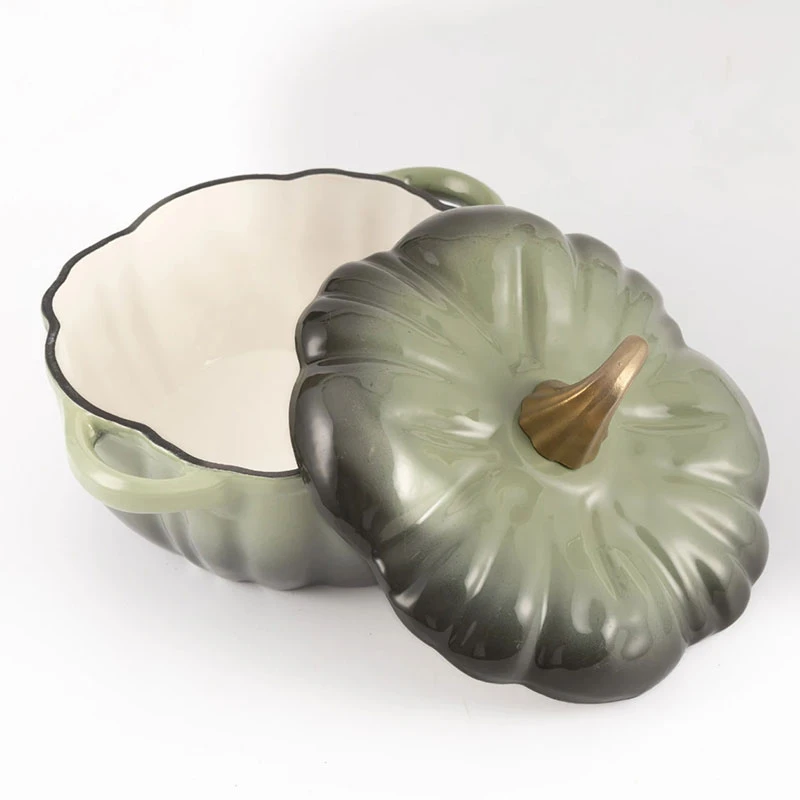
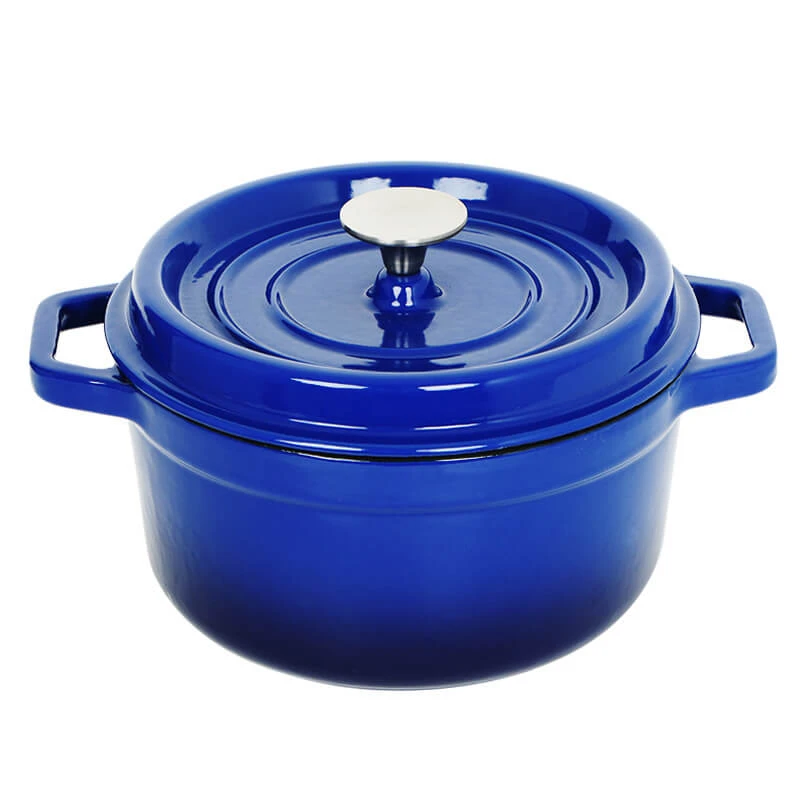
Put simply, a ceramic dutch oven pot is a heavy, usually thick-walled vessel made from fired clay and coated with a smooth glaze. It’s designed to absorb and evenly distribute heat, perfect for slow cooking, braising, and even baking. Unlike metal pots, ceramics don’t react chemically with acidic ingredients, which means better flavor retention and health-conscious cooking.
On a larger stage: this pot symbolizes a kind of synergy between traditional craftsmanship and modern sustainability ideals. It’s used not just in homes but increasingly in hospitality and specialty food industries aiming to elevate cooking quality while minimizing environmental impact.
Key Factors Behind Its Popularity
Heat Retention and Even Cooking
The ceramic material soaks up heat steadily and then gives it back slowly and evenly. That’s the secret sauce here. Many chefs swear by it for slow-cooked dishes — you avoid the classic hot-spot problem you often get with metal pans. It leads to more consistent results and, frankly, fewer monitoring headaches.
Durability and Long Lifespan
Ok, these pots can be fragile if you drop them, sure, but otherwise, their lifespan is impressive. Often, they’re passed down in families. High-quality ceramics resist chipping and cracking if cared for properly. The glaze makes cleaning a breeze and helps avoid staining — a practical plus.
Health and Safety Advantages
Since ceramic doesn’t leach metals or chemicals into your food, it’s a safer bet health-wise, especially compared to certain non-stick coatings whose safety over time can be questionable. And because they keep food warm for long periods, you can reduce the need for constant reheating, which is convenient and energy-wise.
Aesthetic and Cultural Value
Many ceramic dutch oven pots come in beautiful colors and designs, doubling as serving dishes. There’s a sense of tradition and craft embedded, which appeals to consumers seeking authenticity and style in their kitchen tools.
Cost Efficiency Over Time
While ceramic pots might be pricier initially than your standard block of steel or aluminum cookware, their durability and energy-saving properties often make them an economical choice in the long run.
Mini takeaway:
Overall, ceramic dutch oven pots blend timeless design with modern demands like sustainability, health, and functionality. It’s a balance that feels quite rare these days.
Global Applications: From Kitchen to Industry
The ceramic dutch oven pot shines in diverse settings worldwide. In Europe and North America, it’s beloved by home cooks and artisan chefs alike. In Asia and Africa, it’s increasingly recognized for its sustainable cooking properties, helping households reduce fuel consumption in areas where firewood is precious.
Interestingly, some niche industries utilize ceramic pots for small-scale heating and chemical storage, thanks to their inert and durable nature. Humanitarian groups also recommend them in post-disaster relief zones where reliable cookware supports community rebuilding efforts, enhancing food security with minimal resource use.
In some remote industrial zones, their thermal reliability is preferred in processes requiring steady heat without electric power spikes or expensive infrastructure.
Here’s a closer look at typical product specs:
| Specification | Typical Range | Notes |
|---|---|---|
| Material | High-fired Ceramic (Stoneware) | Durable, heat resistant |
| Capacity | 4 to 7 quarts (3.8–6.6 liters) | Varies by brand and model |
| Weight | 3 to 5 kg (6.6–11 lbs) | Heavy, for even heat |
| Temperature Range | Up to 500°F (260°C) | Safe for oven and stovetop |
| Color Options | Natural white, earth tones, vibrant glazes | Aesthetic and cultural relevance |
Comparing Leading Ceramic Dutch Oven Pot Vendors
Now, if you’re looking to buy, you probably have a few brands in mind. Here’s a quick comparison of notable vendors to help you weigh your options:
| Brand | Price Range | Features | Manufacturing Origin | Sustainability Focus |
|---|---|---|---|---|
| ClayCraft | $65 - $120 | Hand-glazed, oven-safe, multiple sizes | Portugal | Uses eco-friendly kiln processes |
| FormaCeramic | $75 - $150 | Heavy-duty, chip-resistant glaze, versatile | Japan | Sustainable clay sourcing, low emission |
| SierraBake | $55 - $110 | Classic design, budget-friendly, reusable packaging | USA | Focus on recyclable materials |
Advantages & Long-Term Value of Ceramic Dutch Oven Pots
- Energy efficiency: Retains heat longer, lowering fuel or electricity use.
- Health-conscious cooking: No reactive metals or toxic coatings involved.
- Emotional value: Heirloom quality and a connection to tradition.
- Sustainability: Made from natural materials with less environmental cost.
- Reliability: Minimal warping, resistant to scratching and staining.
All this adds up to cookware not just for today but for decades, building trust in your kitchen and stability in your lifestyle — small but meaningful.
Looking Ahead: Future Trends in Ceramic Cookware
Interesting things are bubbling up on the horizon. Innovations in glazing techniques promise even tougher surfaces resistant to thermal shock. Smart sensors embedded in some cookware prototypes could soon let you monitor cooking temps digitally — imagine pairing tradition with tech neatly.
On the sustainability front, more producers explore recycled clay mixes and reduced firing temperatures to cut emissions. With ceramic dutch oven pot growing in popularity, expect to see these blends and smart, sustainable manufacturing methods become mainstream.
Common Challenges and Ways to Overcome Them
The most cited drawback is brittleness — dropping or rapidly cooling a hot pot can cause cracking. However, many modern designs use reinforced clay composites and advanced glazing to reduce fragility.
Another challenge is weight — ceramic pots often feel hefty. For some, that’s a sign of quality; for others, less practical. Manufacturers respond with ergonomic handles and lighter composites.
In short: choose quality and use proper care, and these risks become manageable.
FAQ: Your Ceramic Dutch Oven Pot Questions Answered
Q1: Can I use a ceramic dutch oven pot on an induction stove?
A: Generally, ceramic pots are not induction-compatible since they lack magnetic properties. However, some brands integrate metal bases to address this. Check the product specs carefully before purchasing if you use induction cooktops.
Q2: How should I clean a ceramic dutch oven pot to avoid damaging it?
A: Avoid harsh abrasives. Use warm soapy water and a soft sponge. For stuck-on residue, soaking helps. Avoid sudden temperature shocks during washing to preserve glaze integrity.
Q3: Are ceramic pots suitable for baking bread?
A: Absolutely. Their heat retention and moisture-trapping properties create ideal crusts. Just preheat the pot with the oven for best results.
Q4: How long does a ceramic dutch oven typically last?
A: With proper care, these pots can easily last decades. Some families treasure theirs for generations.
Q5: Is investing in a more expensive ceramic pot worth it?
A: Often yes. Higher-end pots offer better glaze durability, less cracking risk, and sometimes additional features like lids that double as skillets.
Wrapping Up: Why Ceramic Dutch Oven Pots Deserve a Spot in Your Kitchen
At the end of the day, ceramic dutch oven pots represent a delightful blend of age-old craftsmanship and modern-day sustainability imperatives. They bring performance, health safety, and a touch of artistry to every meal. Whether you’re a professional chef, a dairy-and-egg enthusiast, or just someone who appreciates slow-cooked goodness, investing in quality ceramic cookware is worth considering.
For more insights and quality selections, be sure to visit our website at https://www.zdcookware.com. Your next culinary adventure might just start there.
References:
-
Antique Cast Iron Camp Oven: Durable Outdoor Cookware for Professionals | ZD CookwareNewsJan.06,2026
-
Durable 4 Quart Camping Pot for Professional Use | ZD CookwareNewsJan.06,2026
-
Durable Campfire Cast Iron Pot for Outdoor & Industrial UseNewsJan.06,2026
-
Cast Iron Griddle for Camp Stove – Durable Outdoor Cooking EssentialNewsJan.06,2026
-
Dutch Oven Cast Iron Camping – Durable Outdoor Cooking GearNewsJan.05,2026
-
Durable and Efficient Cast Iron Camping Griddle for B2B Professionals | ZD CookwareNewsJan.05,2026