Durable & Versatile Cast Iron Dutch Oven with Lid | Global Cooking Essential
Cast Iron Dutch Oven with Lid: A Global Essential in Modern Cooking
Whether you're a serious home cook or a professional chef in a busy kitchen, the cast iron dutch oven with lid has quietly stood the test of time and geography. Sure, it might just look like a heavy pot to some, but globally, it’s so much more — a symbol of durability, heat retention, and culinary tradition that’s embraced worldwide. From slow-cooking stews in remote mountain villages to industrial catering in bustling cities, understanding what makes this cookware tick unlocks benefits ranging from efficiency and sustainability to reliable cooking results. Not to mention, it tells a story of cultural habits and innovations blending centuries-old technology with today’s needs.
Global Context: Why a Cast Iron Dutch Oven Matters Today
In a world where sustainable cooking and resource efficiency matter more than ever, cast iron cookware holds a special place. According to the Food and Agriculture Organization (FAO), over 800 million people worldwide face food insecurity — making efficient cooking appliances a key factor in reducing waste and improving nutrition. Enter the cast iron dutch oven with lid: its unique heat retention allows slow cooking with minimal energy input, which helps households in low-resource settings stretch their fuel further. Even in developed countries, this cookware is coveted in the food service industry for its unmatched durability and heat distribution.
However, challenges remain. Cast iron is heavy, prone to rust without proper care, and can be costly upfront. Yet, these drawbacks tend to fade when you consider the long-term benefits and environmental gains it provides.
What Exactly Is a Cast Iron Dutch Oven with Lid?
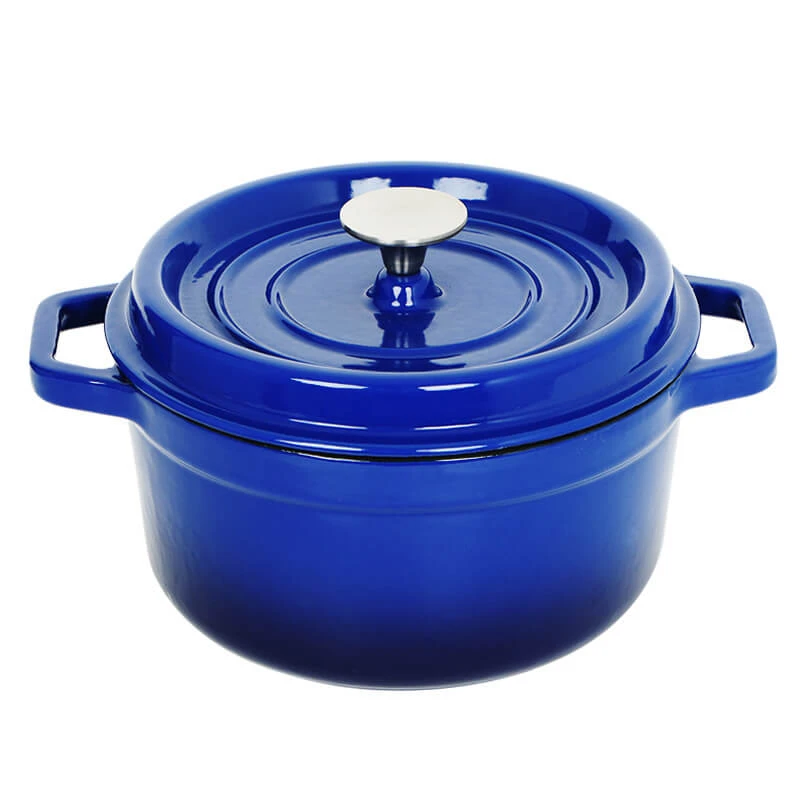
At its core, this item is a thick-walled pot made from cast iron, fitted with a tight-sealing lid. The design harks back hundreds of years to Dutch and French cooking traditions where slow-simmered dishes were the norm. Today, it’s more than just a relic — industrial manufacturers have refined casting techniques for smoother surfaces and enameled varieties that don’t require seasoning.
Modern usage sees these pots in home kitchens, restaurants, outdoor camping setups, and even humanitarian kitchens preparing mass meals during crises. Their reliable thermal conductivity and airtight lids keep moisture locked in, making them ideal for braising meats, baking bread, simmering soups, or even frying.
Key Components to Consider
Durability and Longevity
Cast iron is famously robust. A well-maintained dutch oven can last decades, sometimes centuries, outliving many contemporary cookware materials. This makes it a wise investment for families and businesses alike.
Heat Retention and Distribution
Unlike thinner metal pots, cast iron absorbs heat slowly but evenly. It radiates consistent warmth for hours, perfect for recipes requiring steady temperature and slow cooking techniques.
Multi-Functionality
Whether used on a stovetop, in an oven, over a campfire, or even on open flames, the dutch oven adapts — some models even cater to induction cooktops, expanding their usability in modern kitchens.
Maintenance and Seasoning
Traditional cast iron requires regular seasoning to maintain a natural, non-stick surface and to prevent rust. Enameled cast iron offers a low-maintenance alternative without sacrificing benefits, though often at greater cost.
Cost Efficiency over Time
Though upfront costs can be more than aluminum or stainless steel pots, the lifespan combined with energy savings during cooking often trumps short-term price concerns.
Mini Takeaway:
When you understand these core components, you’re better equipped to choose the right cast iron dutch oven with lid for your cooking needs and lifestyle.
Global Applications: Who Uses Cast Iron Dutch Ovens — and How?
From the snowy plains of Scandinavia to the spice markets of Morocco, the cast iron dutch oven remains a beloved kitchen staple. Interestingly, international aid agencies like the Red Cross often include these ovens in disaster relief kits because their versatility supports nutrition-focused emergency cooking even with limited fuel sources.
In remote industrial mining camps in Australia, cast iron ovens are prized for their resilience under harsh conditions and ability to feed crews large, hearty meals. European gastronomy schools swear by them for classic dishes such as coq au vin or boeuf bourguignon — methods where slow heat and moisture retention are kitchen secrets.
Outdoor enthusiasts and campers also find these ovens invaluable for open-fire cooking, creating delicious, smoky flavors that no lightweight cookware can rival.
Advantages & Long-Term Value You Can Count On
- Sustainability: Cast iron cooking reduces fuel usage thanks to excellent heat retention.
- Resilience: Less prone to warping or damage compared to thinner metals.
- Flavor Enhancer: Retains and intensifies dish aromas due to moisture sealing.
- Economic Sense: Rarely needs replacement, saving money over many years.
- Legacy and Craft: Passing down cookware literally creates family traditions.
Product Specification Table: Comparing Popular Models
| Model | Material | Weight (lbs) | Volume (qt) | Coating | Oven Safe Temp (°F) | Price Range ($) |
|---|---|---|---|---|---|---|
| Lodge Classic | Cast Iron | 12 | 5 | Seasoned | 500 | $40-$60 |
| Le Creuset Signature | Cast Iron | 10 | 6.75 | Enameled | 500 | $300-$400 |
| Cuisinel Cast Iron | Cast Iron | 11 | 5.5 | Enameled | 450 | $80-$120 |
Vendor Comparison: Key Players in the Cast Iron Market
| Brand | Price | Warranty | Customer Rating | Available Sizes | Notes |
|---|---|---|---|---|---|
| Lodge | Affordable | Limited Lifetime | 4.6/5 | Various (2.5-7qt) | Seasoned, traditional |
| Le Creuset | Premium | Limited Lifetime | 4.8/5 | Various (1.5-13qt) | Colorful enameled |
| Staub | Premium | Limited Lifetime | 4.7/5 | Various (2-13qt) | Matte finish enamel |
Looking Ahead: The Future of Cast Iron Dutch Ovens
With sustainability becoming a global priority, we’re seeing emerging innovations in cast iron cookware — like eco-friendly foundry processes reducing emissions and new enamel coatings that use fewer chemicals. Plus, smart kitchen technology is beginning to intersect, with temperature sensors embedded in some lids to monitor cooking progress remotely.
Manufacturers are also focusing on lightweight cast iron blends, easing the traditional “heavy pot” complaint but keeping the fundamental benefits intact. And as consumer interest in outdoor cooking grows, ruggedized versions optimized for camping are on the rise.
Common Challenges and Practical Solutions
Of course, not everything is perfect in the land of cast iron. The weight can make lifting tough for some, especially elderly users. Seasoning maintenance can be intimidating for beginners, risking rust or sticky food if managed poorly.
However, education from vendors, detailed care guides, and enameled options offer reliable fixes. Many users find that once the seasoning routine becomes habit, they appreciate the natural patina that develops — almost like the cookware ages with them.
FAQ: Your Questions About Cast Iron Dutch Oven with Lid
Q1: How do I prevent rust on my cast iron dutch oven?
Keep your pot dry after washing, apply a thin layer of vegetable oil, and store it in a low-humidity environment. Regular seasoning also creates a protective barrier against moisture.
Q2: Can I use my cast iron dutch oven on an induction cooktop?
Yes, cast iron is fully compatible with induction surfaces. Just be careful not to drag the pot over the glass, as it may scratch the surface.
Q3: Is an enameled cast iron dutch oven better than traditional cast iron?
Enameled versions require less maintenance and don’t need seasoning, which is great for beginners. They can be more expensive but offer similar cooking performance.
Q4: How long does a cast iron dutch oven typically last?
With proper care, these pots can last decades, even becoming heirlooms passed through generations.
Q5: Is it safe to bake bread in a cast iron dutch oven?
Absolutely! The oven’s heat retention and moisture sealing help create a perfect crust and soft crumb — many artisan bakers rely on cast iron for this reason.
Wrapping Up: Why a Cast Iron Dutch Oven Is Worth Your Attention
Honestly, investing in a cast iron dutch oven with lid feels like getting a trusty companion rather than just a pot. It’s durable, adaptable for global cuisines, and mesh well with sustainable cooking efforts worldwide. Whether you’re experimenting with new recipes, managing a busy kitchen, or feeding families amid challenging circumstances, it brings dependability and tradition to the table.
So, if you’re ready to experience cooking that’s slow, sure, and sustainable, check out some options and tips from trusted sources. Your kitchen (and taste buds) will thank you.
Visit our website: https://www.zdcookware.com
References
-
Antique Cast Iron Camp Oven: Durable Outdoor Cookware for Professionals | ZD CookwareNewsJan.06,2026
-
Durable 4 Quart Camping Pot for Professional Use | ZD CookwareNewsJan.06,2026
-
Durable Campfire Cast Iron Pot for Outdoor & Industrial UseNewsJan.06,2026
-
Cast Iron Griddle for Camp Stove – Durable Outdoor Cooking EssentialNewsJan.06,2026
-
Dutch Oven Cast Iron Camping – Durable Outdoor Cooking GearNewsJan.05,2026
-
Durable and Efficient Cast Iron Camping Griddle for B2B Professionals | ZD CookwareNewsJan.05,2026