The Ultimate Guide to Light Dutch Ovens – Features, Benefits & Innovations
The Essential Guide to Light Dutch Ovens: Benefits, Uses, and Innovations
When you hear “light dutch oven,” you might think of a travel-friendly version of the kitchen classic—a pot that cooks everything from stews to bread. But oddly enough, this humble cookware symbolizes more than just convenience in the culinary world. Globally, lightweight cookware like light dutch ovens reflects a shift towards sustainable, portable, and efficient cooking solutions—especially in areas where energy conservation and mobility matter. Understanding these benefits not only improves how we cook on the go but also plays a role in reducing environmental footprints worldwide.
Introduction: Why Does the Light Dutch Oven Matter Globally?
Across continents, from bustling urban centers to remote villages, the demand for user-friendly, durable cooking equipment is rising. According to the World Bank, over 2.6 billion people worldwide rely on solid biomass fuel (think wood or charcoal) for cooking, which impacts health and the environment [1]. Lightweight Dutch ovens step into this challenge by offering adaptable cookware that reduces fuel consumption and enhances cooking efficiency. Actually, the International Organization for Standardization (ISO) even emphasizes energy-saving kitchenware as a factor to promote sustainable consumption [2]. So the light dutch oven becomes more than just a pot; it’s a small player in the big global mission of greener living.
What Exactly Is a Light Dutch Oven?
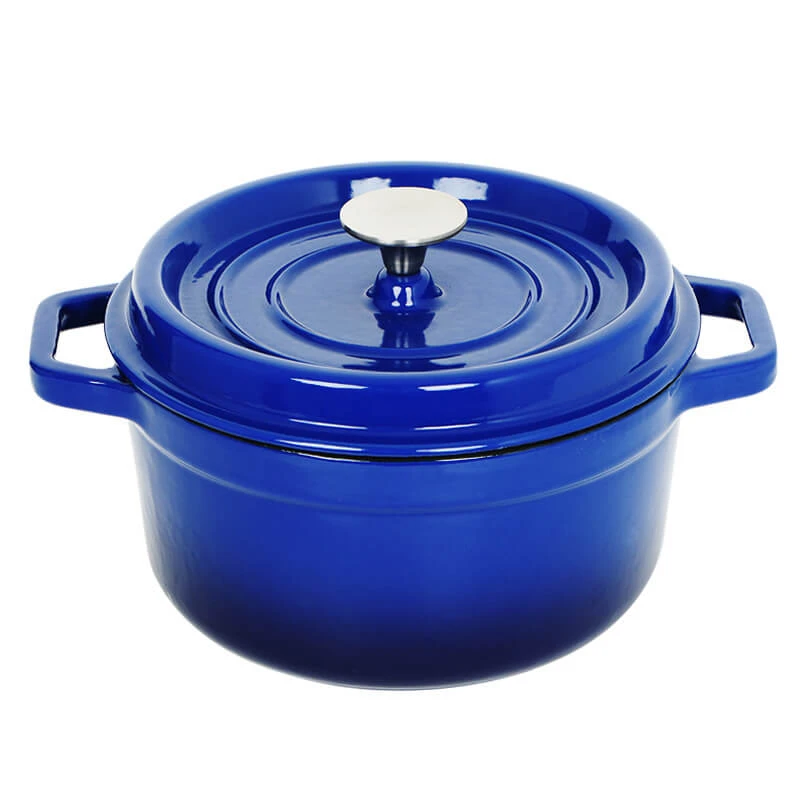
Put simply, a light dutch oven is a version of the traditional cast-iron pot, designed to be significantly lighter without losing the signature heat retention and even cooking. Often made with thinner cast iron, enameled cast iron, or novel composites, these pots weigh less but aim to keep durability intact. For outdoor enthusiasts, humanitarian aid workers, or anyone needing efficient portable cooking tools, a light dutch oven is a game-changer. It bridges the gap between traditional cooking stability and modern mobility—which is quite relevant in disaster relief camps or remote industrial zones.
Key Features of a Light Dutch Oven
1. Durability
While lighter than traditional cast iron, these ovens remain sturdy and chip-resistant, especially those with an enamel coating. Manufacturers have tested many models to ensure they hold up to rough transportation and sustained heat application.
2. Heat Retention and Distribution
Despite reduced weight, light dutch ovens often retain excellent heat, allowing for slow cooking or baking. This is essential for recipes like breads or stews where consistent temperature matters.
3. Portability and Ease of Handling
When camping, hiking, or during post-disaster cooking solutions, the lighter weight decreases physical strain and supports easier packing.
4. Versatility
They perform well on stovetops, open fires, and even in ovens—handy for multi-environment usage.
5. Cost Efficiency
Though usually priced somewhat higher than basic pots, the trade-off in fuel savings and durability often makes them economical over time.
Product Specification Table
| Feature | Typical Details |
|---|---|
| Material | Enameled Cast Iron / Composite Alloy |
| Weight | 2.2 – 4 lbs (1 – 1.8 kg) |
| Diameter | 8 – 12 inches (20 – 30 cm) |
| Heat Source Compatibility | Gas, Electric, Induction, Open Flame |
| Usability Temperature Range | Up to 500°F (260°C) |
Mini takeaway: The light dutch oven balances lasting performance with practical weight considerations, making it ideal for diverse uses.
Global Applications & Use Cases
Where do light dutch ovens really shine? In post-disaster relief operations, they allow hot, nutritious meals with limited fuel. In remote industrial zones—say, mining camps or oil exploration sites—lightweight pots mean easier transport and dependable cooking. Outdoor enthusiasts like hikers describe them as “an essential companion.” Even in urban households with limited kitchen space, a light dutch oven light dutch oven is a smart multi-purpose tool. Organizations like the Red Cross have endorsed lightweight cookware to improve health outcomes by reducing smoke exposure in temporary shelters [3].
Advantages & Long-Term Value
- Cost Savings: Fuel efficiency lowers ongoing expenses.
- Sustainability: Materials increasingly come from eco-conscious sources.
- Social Impact: Facilitates dignified cooking during crises.
- Reliability: Robust design minimizes replacements.
- Emotional Comfort: Feeling safe and cared-for through warm meals counts a lot.
At the end of the day, a light dutch oven isn't just about cooking. It’s about nourishment, comfort, and even trust in tough times.
Upcoming Trends & Innovations
Innovations in materials science may soon further reduce weights without sacrificing heat retention. Imagine ceramics infused with carbon nanotubes for durability or integrating smart temperature sensors to avoid burning food. Sustainability trends encourage recycled metals or bio-based coatings. On the policy side, the push for eco-friendly camping gear, backed by ISO standards, increases investment in lightweight cooking tech.
Common Challenges & Ingenious Solutions
Still, there are hurdles. Lightweight often means thinner walls — should they crack or chip more easily? Some products do face durability questions. However, many vendors now run rigorous quality tests and provide warranties. There’s also the issue of cost: lighter materials can sometimes come at a premium. But as production scales and raw materials innovate, prices are slowly becoming more accessible.
Vendor Comparison: Leading Light Dutch Oven Brands
| Brand | Weight | Material | Price Range | Warranty |
|---|---|---|---|---|
| CampCraft | 2.5 lbs | Enameled Cast Iron | $85 - $110 | 5 years |
| EcoCook | 2.1 lbs | Composite Alloy | $95 - $120 | 7 years |
| TrailLite | 1.9 lbs | Aluminum with Ceramic Coating | $75 - $100 | 3 years |
FAQ: Frequently Asked Questions About Light Dutch Ovens
Q: What makes a light dutch oven better than traditional cast iron?
A: The lighter weight improves portability and reduces strain, especially for outdoor use or emergencies, without giving up much in terms of cooking quality or heat retention.
Q: How long can these light versions last in regular household use?
A: With proper care, enameled and composite light dutch ovens can last for decades, rivaling traditional heavy cast iron pots.
Q: Are these ovens compatible with induction cooktops?
Typically yes, especially those with cast iron content. It’s always wise to check the manufacturer’s specifications for compatibility.
Q: Can I use a light dutch oven for baking bread?
Absolutely! One of the best uses for these pots is creating that delicious crusty bread thanks to their excellent heat distribution.
Q: Are there eco-friendly options available?
Yes, several brands now offer sustainable materials and environmentally conscious production methods. Look for certifications or brand claims about recycled metals or non-toxic coatings.
Conclusion
In real terms, the light dutch oven represents a clever evolution of a beloved kitchen essential. It answers modern demands for sustainability, portability, and efficiency. Whether you’re a casual camper, a humanitarian worker setting up a field kitchen, or a home cook craving convenience, investing in a light dutch oven is a win for your needs and the planet’s wellbeing.
To learn more about lightweight, versatile cookware options, feel free to visit our website: https://www.zdcookware.com.
Mini takeaway: Lightweight doesn’t mean sacrificing quality. The light dutch oven harmonizes tradition with innovation—truly a pot worth having.
References:
1. World Bank: Cooking with Clean Energy - https://www.worldbank.org/en/topic/energy
2. ISO 14040 Environmental Management—Life Cycle Assessment - https://www.iso.org/iso-14040-life-cycle-assessment.html
3. Red Cross Guidelines for Emergency Cooking Equipment - https://www.redcross.org
-
Antique Cast Iron Camp Oven: Durable Outdoor Cookware for Professionals | ZD CookwareNewsJan.06,2026
-
Durable 4 Quart Camping Pot for Professional Use | ZD CookwareNewsJan.06,2026
-
Durable Campfire Cast Iron Pot for Outdoor & Industrial UseNewsJan.06,2026
-
Cast Iron Griddle for Camp Stove – Durable Outdoor Cooking EssentialNewsJan.06,2026
-
Dutch Oven Cast Iron Camping – Durable Outdoor Cooking GearNewsJan.05,2026
-
Durable and Efficient Cast Iron Camping Griddle for B2B Professionals | ZD CookwareNewsJan.05,2026