Large Enameled Cast Iron Dutch Oven - Durable, Efficient & Sustainable Cookware
All About the Large Enameled Cast Iron Dutch Oven: A Kitchen Staple with Global Impact
When we talk about a large enameled cast iron Dutch oven, we’re really discussing a marvel of culinary engineering that’s been quietly shaping kitchens worldwide. It’s a vessel treasured not only for its ability to cook hearty stews or freshly baked bread but also for its durability and efficiency – qualities that make it relevant far beyond home cooking. But why is understanding this particular cookware important on a global scale? Because its design and material contribute to reducing energy consumption, improving food quality, and enabling versatile cooking methods that suit diverse cultures. Plus, they offer longevity that reduces waste, marrying tradition with sustainability.
Introduction: The Global Context of Large Enameled Cast Iron Dutch Ovens
The cookware market has seen impressive growth worldwide — according to Statista, it’s a multi-billion dollar industry showing no sign of slowing. Large enameled cast iron Dutch ovens hold a unique place here, favored in diverse regions, from North America to Europe and parts of Asia, thanks to their versatility and energy-efficient cooking. In fact, the International Energy Agency estimates that cooking accounts for roughly 30% of domestic energy use globally, so any efficiency gains are quite meaningful.
However, not everyone has easy access to tools that combine durability with ergonomic design. Many communities rely on cookware that wears out fast, increases energy needs, or even compromises food safety. The large enameled cast iron Dutch oven can be a solution to these challenges. Oddly enough, though, despite its wide availability, many people underestimate just how much this simple piece of cookware can impact home cooking and sustainability.
Defining the Large Enameled Cast Iron Dutch Oven
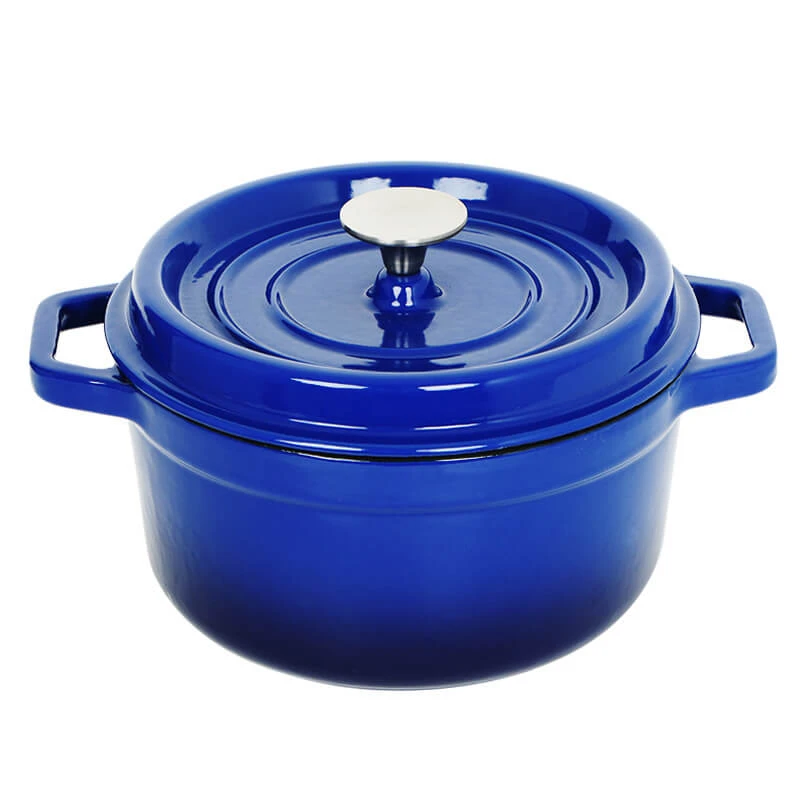
So, what exactly is it? At its core, a large enameled cast iron Dutch oven is a heavy-duty cooking pot made from cast iron, coated with a vitreous enamel layer. This coating prevents rust, smoothens the surface for easy cleaning, and helps with heat distribution. It typically features thick walls and a tight-fitting lid, allowing for even heat retention and slow cooking. In modern kitchens, this cookware bridges tradition and technology, providing a consistent cooking experience that helps food retain moisture and flavor better than many alternatives.
Interestingly, the versatility and robustness of the Dutch oven have found uses beyond just home kitchens — in humanitarian kitchen setups, field hospitals, and disaster relief food preparation sites where reliable, long-lasting cookware is essential.
Key Features of Large Enameled Cast Iron Dutch Ovens
Durability
Cast iron by itself is famously long-lasting, and when combined with enamel coating, it resists chipping and corrosion. People often pass these ovens down generations. It’s like investing once and benefiting for decades.
Heat Retention and Distribution
The heavy cast iron core ensures gradual, uniform heating. So, no hotspots that burn your food — which is crucial when cooking delicate ingredients or simmering stews for hours.
Versatility
These ovens don’t just simmer. They can go from stovetop to oven, making baking breads, roasting meats, or even frying possible with a single piece of cookware.
Maintenance and Ease of Use
The enamel finish means no seasoning required like traditional cast iron, and they clean up easily. But, you’d want to avoid metal utensils to keep the surface pristine.
Size and Capacity
“Large” typically means 5 to 9 quarts. That size suits big families or meal prepping, which again ties back into sustainability — cooking fewer meals to feed more people.
Global Applications & Use Cases
The large enameled cast iron Dutch oven finds utility wherever consistent, sustainable cooking is required. For example:
- In North American and European families, it’s a go-to for slow-cooked meals that enhance nutrition and flavor.
- In humanitarian aid operations, this cookware’s durability and efficiency help kitchen teams prepare large quantities of meals in challenging conditions.
- Outdoor enthusiasts and campers rely on these ovens for versatile cooking on open flames or camp stoves.
- Culinary institutions favor them for their heat retention and stylish, colorful design.
In real terms, this cookware combines tradition with modern sustainability needs, making it a quiet hero in global food culture.
Advantages & Long-Term Value
Owning a large enameled cast iron Dutch oven is more than a kitchen convenience. It fosters:
- Energy savings: Slow, even heat means less flipping and stirring, and quicker meal prep.
- Sustainability: These ovens rarely end up in landfills due to their decades-long lifespan.
- Health benefits: Non-toxic enamel coatings and the retention of natural food juices improve meal quality.
- Emotional satisfaction: There’s a certain joy cooking in quality cookware—it instills pride and trust.
Future Trends & Innovations
Looking ahead, these Dutch ovens might incorporate greener production methods and possibly smarter coatings that further minimize food sticking without compromising durability. There's also growing interest in lighter variants using composite materials while maintaining cast iron's heat properties. Automation in manufacturing promises reduced carbon footprints and better quality control.
Additionally, digital platforms are helping buyers personalize color and size selections, merging tradition with modern shopping experience.
Challenges & Solutions
One common issue is the weight; large Dutch ovens can be pretty heavy, posing difficulties for some users. Manufacturers are exploring hybrid designs to balance heft and heat retention. Another limitation is the vulnerability to enamel chipping — education on care and use helps a great deal here.
From a supply perspective, the cost barrier can be notable, but brands like Lodge offer accessible quality products. NGOs and large-scale kitchens can benefit immensely from bulk purchase agreements.
FAQ: Frequently Asked Questions About Large Enameled Cast Iron Dutch Oven
Q: How do I maintain my large enameled cast iron Dutch oven properly?
A: Avoid metal utensils and harsh abrasives. Hand wash with mild soap and dry thoroughly to protect the enamel. Regular use actually helps maintain the non-stick quality.
Q: What sizes are best for feeding a family?
A: Usually, a 6 to 7-quart Dutch oven suits families well, balancing capacity and manageable weight.
Q: Can I use my Dutch oven on an induction stove?
A: Yes, the cast iron base is naturally compatible with induction cooktops, which adds to its versatility.
Q: Is a large enameled cast iron Dutch oven worth the price?
A: Considering durability, versatility, and energy efficiency, investing in a quality Dutch oven quickly pays off over cheaper, less durable cookware.
Q: Can this cookware be used outdoors?
A: Absolutely. Whether over campfires or portable stoves, it performs well, though enamel can chip if handled roughly on rocky surfaces.
Conclusion
In summary, large enameled cast iron Dutch ovens represent a beautiful confluence of tradition, durability, and ecological mindfulness. They’re not just pots; they’re tools that encourage better cooking habits, enhance food quality, and reduce waste. If you’re curious to explore or invest in one, do visit large enameled cast iron dutch oven for a reliable collection tailored to diverse needs and styles. Cooking sustainably has never been so enjoyable.
It feels like a simple pot, but it’s a legacy of good food and better living.
References
-
Antique Cast Iron Camp Oven: Durable Outdoor Cookware for Professionals | ZD CookwareNewsJan.06,2026
-
Durable 4 Quart Camping Pot for Professional Use | ZD CookwareNewsJan.06,2026
-
Durable Campfire Cast Iron Pot for Outdoor & Industrial UseNewsJan.06,2026
-
Cast Iron Griddle for Camp Stove – Durable Outdoor Cooking EssentialNewsJan.06,2026
-
Dutch Oven Cast Iron Camping – Durable Outdoor Cooking GearNewsJan.05,2026
-
Durable and Efficient Cast Iron Camping Griddle for B2B Professionals | ZD CookwareNewsJan.05,2026