The Complete Guide to a Quality Dutch Oven: Benefits, Uses & Buying Tips
Why a Quality Dutch Oven Matters in Kitchens Worldwide
So, you’ve probably heard about quality dutch ovens and maybe wondered why they’re such a kitchen staple across the globe. Beyond just being a hefty pot, a quality dutch oven is about longevity, versatility, and even culture. From rustic stews in European farmhouses to campfire cooking in American backwoods, these heavy-duty pots have stitched themselves into culinary traditions worldwide.
But it's not just nostalgia. Globally, the demand for cookware that supports sustainable cooking and durable kitchenware is rising sharply. According to a 2022 report by the International Household Appliance Association, the cookware sector grew by 8% last year, fueled in part by consumers seeking quality, functional pieces that last a lifetime. The dutch oven, with its cast iron heritage and modern enamel finishes, plays a clever role here, particularly in reducing energy use and cooking times.
This brings us to an intriguing challenge: how do manufacturers balance traditional craftsmanship with modern efficiency and environmental responsibility? Understanding the nuances of a quality dutch oven isn’t just for chefs — it’s a slice of the puzzle for innovation in global cookware manufacturing and sustainable cooking practices.
What Exactly Is a Quality Dutch Oven?
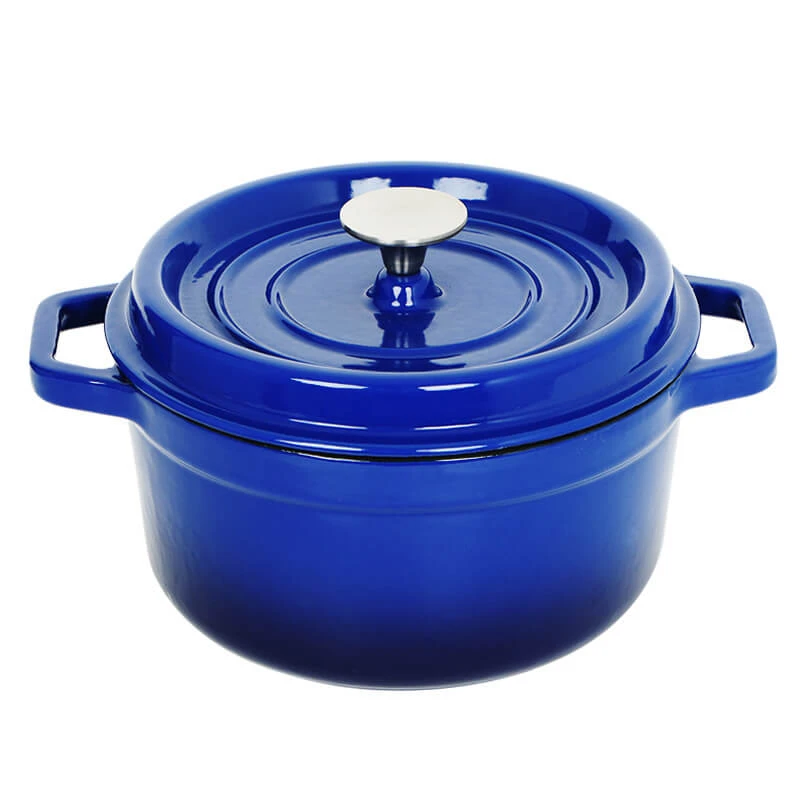
Simply put, a quality dutch oven is a heavy, usually cast iron or cast aluminum pot fitted with a tight lid, designed to retain and distribute heat evenly whether on a stovetop or in an oven. But quality means more than just material — it’s about durability, thermal retention, safety, and even ease of cooking.
Historically, these pots originated in European kitchens but today, a quality dutch oven is critical in various sectors beyond the home. Think: disaster relief kitchens, rural communities with limited fuel, campers, and industrial food preparation. They optimize cooking energy (reducing fuel consumption) and improve food safety by allowing thorough, slow cooking.
Summary takeaway:
- A quality dutch oven combines material strength, heat performance, and durability.
- They serve both everyday cooks and larger humanitarian and industrial needs.
What Makes a Dutch Oven Truly ‘Quality’? Key Factors Explained
Durability: Built to Last Generations
Cast iron’s ruggedness is legendary. When seasoned or coated with enamel, these pots resist chips, cracks, and corrosion. I remember once lending my 30-year-old enameled dutch oven to a friend – it came back nearly pristine, and that’s not uncommon in kitchens with good cookware habits.
Heat Retention and Distribution
A quality dutch oven excels at holding steady heat. This isn’t just chef snobbery — consistent heat makes stews more tender, bread crustier, and meals energy-efficient. The thermal mass of cast iron is why many cooks swear by them for slow-cooked dishes.
Ease of Cleaning and Maintenance
Modern enamel coatings often make cleaning less of a chore, with many dutch ovens going safely into dishwashers. It’s a blend of old-school ruggedness and new-school convenience.
Versatility & Size Options
Whether for a single person or a family feast, sizes can vary widely – from petite 1.5-quart pots to mammoth 13-quart versions. A quality dutch oven is designed to be oven-safe, stovetop-friendly, and sometimes even grill-proof.
Cost Efficiency Over Time
Though they demand a higher upfront investment compared to flimsy cookware, quality dutch ovens outlast and perform better, offering economic benefits in fuel savings and food quality over years.
Summary takeaway:
- Quality means rugged materials paired with user-friendly features.
- It’s a balance of tradition and evolving user needs.
Global Applications of a Quality Dutch Oven
From the kitchens of Paris to the field kitchens of humanitarian NGOs, dutch ovens serve a myriad of roles. Oddly enough, they’re often found at the heart of disaster relief zones. When power is scarce or infrastructure damaged, their even heat distribution helps NGOs prepare nutritious meals using limited fuel. Organizations like the Red Cross have long trusted heavy-duty cookware to sustain displaced populations.
In industrial food production, some factories utilize specialized large-scale dutch ovens to slow-cook sauces and braises, preserving flavors that quick machines simply can’t replicate. Rural communities in sub-Saharan Africa prize these pots for fuel-efficient cooking, saving precious resources in regions where fuelwood and charcoal are scarce.
| Application | Region/Industry | Benefit |
|---|---|---|
| Emergency Relief Cooking | Global NGO Operations | Fuel efficiency, durability, portability |
| Rural Household Cooking | Sub-Saharan Africa, Southeast Asia | Resource savings, multi-cooking uses |
| Commercial Food Production | Europe, North America | Flavor enhancement, batch cooking |
Summary takeaway:
- Quality dutch ovens have diverse, practical uses worldwide.
- Their adaptability meets unique regional and industrial needs.
The Real Advantages & Long-Term Value
For many, the price tag can seem a bit intimidating. But here’s the thing — a good dutch oven rarely fails you. Over decades, the cost per meal literally drops to pennies. They are the literal definition of “buy once, cry once.”
- Cost Savings: Reduced fuel and energy usage make cooking cheaper.
- Sustainability: Cast iron is recyclable and often sourced sustainably; enamel coatings reduce need for oils and fats.
- Reliability & Safety: Their sturdy construction prevents accidents in hectic kitchens.
- Social Impact: In relief settings, they provide dignity and comfort through warm, homestyle meals.
On an emotional level, many users develop a fond attachment over time. That “heirloom” dutch oven isn’t just cookware — it’s stories, memories, and shared meals embedded in iron.
Looking Ahead: The Future of Quality Dutch Ovens
The industry isn’t standing still — materials science is pushing boundaries with lighter alloys and improved enamel recipes that resist staining and chipping longer.
Green energy integration means some smart dutch ovens may soon monitor cooking temperatures and durations digitally, syncing with eco-friendly induction cooktops to optimize power use. Automation might not replace old-school charm but can enhance precision in industrial kitchens.
Plus, the push for environmental certifications (like ISO 14001 for sustainable production) challenges manufacturers to innovate while respecting artisanal value. It’s a fascinating dance between age-old traditions and next-gen tech.
Facing Challenges & What’s Being Done
Nobody’s perfect. Some dutch ovens weigh a ton — actual tanks in the kitchen — which isn't ideal for all users, especially the elderly or those with reduced strength. Manufacturers have taken note, experimenting with aluminum cores and lighter handles for ease.
Another hurdle is cost. While durability saves money eventually, the upfront cost can be a barrier. Some NGOs and manufacturers collaborate to produce more affordable lines without compromising durability, leveraging local manufacturing and bulk materials sourcing.
FAQ: Common Questions About Quality Dutch Ovens
- Q: How do I maintain a cast iron dutch oven to keep it ‘quality’ over time?
- A: Regular seasoning with oil prevents rust and builds a natural non-stick surface. For enameled variants, avoid metal utensils and harsh cleansers to preserve the coating.
- Q: What size dutch oven should a small family buy?
- A: Generally, a 5 to 7-quart dutch oven suits a family of 4 comfortably, striking a balance between batch cooking and maneuverability.
- Q: Can I use a dutch oven on induction cooktops?
- Yes, most cast iron dutch ovens work perfectly on induction due to their magnetic properties, making them versatile in modern kitchens.
- Q: Are quality dutch ovens safe for oven and stovetop use?
- Absolutely. One of their hallmarks is cross-compatibility. Just check the lid handle material for maximum oven temperatures.
- Q: Where can NGOs source affordable but reliable dutch ovens for relief efforts?
- Specialized suppliers and wholesalers catering to humanitarian agencies offer bulk discounts. It's key to verify durability standards and warranty offerings.
Comparing Popular Quality Dutch Oven Brands
| Brand | Material | Price Range | Warranty | Notable Feature |
|---|---|---|---|---|
| Lodge | Cast Iron (Enameled & Bare) | $40-$110 | Limited Lifetime | Affordable, classic design |
| Le Creuset | Enameled Cast Iron | $300-$600 | Limited Lifetime | Vibrant colors, superior enamel |
| Staub | Enameled Cast Iron | $200-$500 | Limited Lifetime | Matte black finish, self-basting |
Wrap-Up: Trusting Quality Dutch Ovens for Every Kitchen
In real terms, opting for a quality dutch oven isn’t just a buy-it-for-now decision — it’s kind of an investment in countless meals, family stories, and easier cooking. Whether you're feeding a small family or running a field kitchen halfway across the globe, their benefits ripple through cost, sustainability, and sheer joy of cooking.
If this has piqued your curiosity or you’re hunting for your next kitchen companion, visit our website to check out a curated range of dutch ovens that blend tradition with modern reliability.
References
-
Antique Cast Iron Camp Oven: Durable Outdoor Cookware for Professionals | ZD CookwareNewsJan.06,2026
-
Durable 4 Quart Camping Pot for Professional Use | ZD CookwareNewsJan.06,2026
-
Durable Campfire Cast Iron Pot for Outdoor & Industrial UseNewsJan.06,2026
-
Cast Iron Griddle for Camp Stove – Durable Outdoor Cooking EssentialNewsJan.06,2026
-
Dutch Oven Cast Iron Camping – Durable Outdoor Cooking GearNewsJan.05,2026
-
Durable and Efficient Cast Iron Camping Griddle for B2B Professionals | ZD CookwareNewsJan.05,2026