Porcelain Dutch Oven – Durable, Versatile, and Sustainable Cookware for Every Kitchen
Porcelain Dutch Oven: More Than Just a Cookware Classic
If you’ve ever found yourself simmering a stew, baking bread, or slow-cooking a Sunday roast, chances are you’ve experienced the magic of a porcelain dutch oven. But it’s not just a kitchen staple — this cookware marvel has global relevance that’s surprisingly multi-layered. From aiding sustainable cooking solutions in resource-limited areas to inspiring durable and versatile cookware designs, understanding the porcelain dutch oven connects us to a wider story about craftsmanship, innovation, and environmental mindfulness.
The Global Context of Porcelain Dutch Oven Usage
Globally, cookware is more than just tools; it’s a link to culture, health, and sustainability. According to the United Nations Food and Agriculture Organization, over 2.5 billion people still cook primarily using firewood or charcoal, many facing health risks due to inefficient cooking vessels and setups. Porcelain-coated cast iron dutch ovens stand out because they improve heat retention and reduce fuel needs — factors that matter hugely in developing regions or disaster relief operations.
Additionally, as ISO standards increasingly emphasize sustainable materials and safety, porcelain dutch ovens tick several boxes for durability, food safety, and eco-friendliness. Yet, there’s a challenge — porcelain enamel can chip if mishandled, and in many parts of the world, affordable, long-lasting cookware remains elusive. That tension between accessibility, cost, and quality is why many industries and NGOs keep porcelain dutch ovens under the spotlight.
What Exactly Is a Porcelain Dutch Oven?
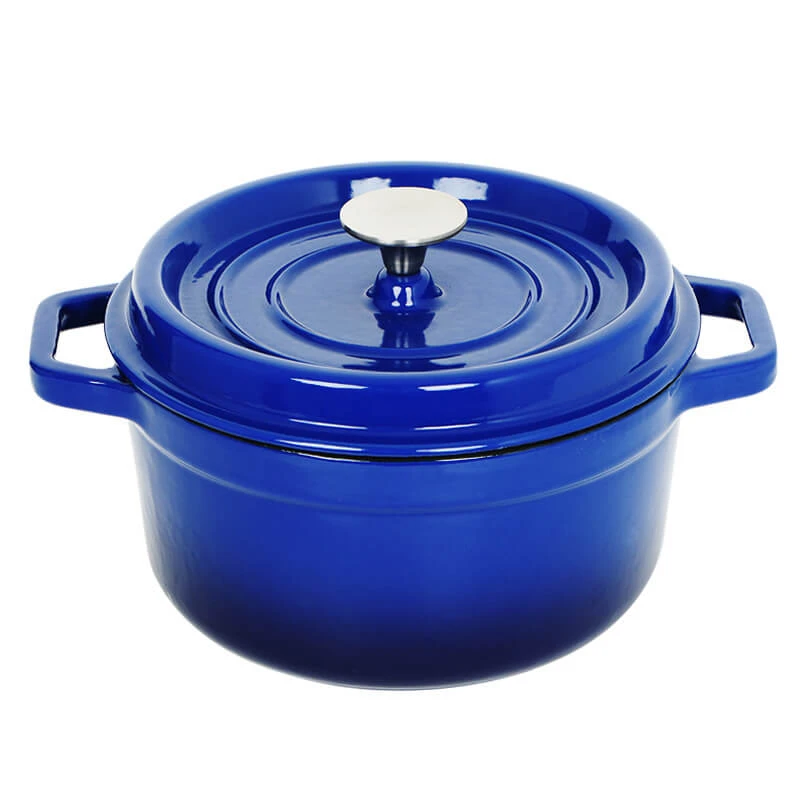
Simply put, a porcelain dutch oven is a heavy-duty cooking pot, typically made from cast iron, coated with a smooth, non-porous porcelain enamel. The cast iron core provides excellent heat distribution and retention, while the porcelain enamel makes it rust-proof, easy to clean, and highly resistant to acidic foods.
This combination is more than just kitchen convenience; it represents a fusion of traditional cookware durability with modern material science, making it relevant not only for home chefs but also for industrial kitchens, humanitarian organizations, and even culinary schools focused on sustainability.
Key Factors Behind Porcelain Dutch Oven Performance
1. Exceptional Durability
Cast iron is known for being downright tough, often lasting decades when cared for properly. The porcelain coating adds protection against rust and harsh detergents, which means fewer replacements and less waste. In contexts where replacing cookware isn't easy — say, remote areas or refugee camps — this durability translates to real value.
2. Superior Heat Retention and Distribution
Porcelain dutch ovens distribute heat evenly, reducing hot spots. This makes cooking more predictable and energy-efficient — an important consideration where fuel or electricity is limited.
3. Easy Maintenance and Hygiene
The smooth enamel surface resists sticking and staining. Unlike bare cast iron, porcelain is dishwasher-safe and doesn't require seasoning. This also helps maintain hygiene standards in commercial kitchens.
4. Versatility in Cooking Techniques
You can use porcelain dutch ovens on stovetops, in ovens, over open flames, and even on grills. This adaptability is crucial for diverse culinary practices worldwide.
5. Aesthetic Appeal
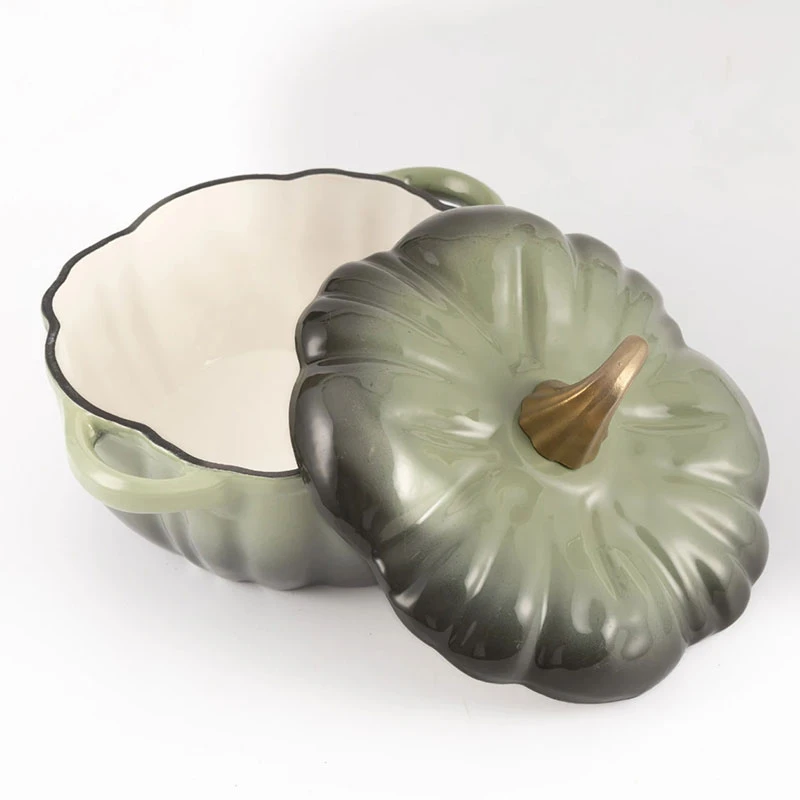
Let’s be honest, these pots look good. The vibrant enamel finishes add a touch of style to both professional kitchens and home settings, making them gifts, collector’s items, or just daily joy-bringers.
Quick Summary:
Porcelain dutch ovens combine durability, heat efficiency, easy cleaning, and versatility — characteristics that explain their broad adoption around the world and across industries.
Real-World Applications and Who Benefits
Across continents and sectors — from suburban kitchens in the US to emergency food programs in East Africa — porcelain dutch ovens have found niches. For example:
- Disaster relief operations: Durable cookware like this is sent along with supplies since it can withstand rough transport and repeated use.
- Remote industrial camps: Workers in mining or oil camps benefit from reliable cooking vessels that minimize fuel consumption.
- Eco-conscious home cooks: Cities worldwide see a growing trend toward sustainable cooking and meal prepping, where these ovens shine.
- Culinary education: Schools teaching sustainable and international cooking methods rely on porcelain dutch ovens for hands-on training.
Advantages and Long-Term Value of Porcelain Dutch Ovens
From a practical standpoint, these pots lower fuel costs thanks to heat retention, which adds up over months or years. Environmentally, better cookware means less wood or gas burned, thus reducing emissions. Socially, owning a reliable dutch oven imparts dignity — being able to cook nourishing meals safely and efficiently is no small thing.
On a more emotional note, many users report a special satisfaction in the "slow food" approach this cookware encourages, enhancing family meals or community dinners. In teaching kitchens I've visited, chefs swear by the “even, patient heat” porcelain dutch ovens bring.
Product Specifications Table
| Feature | Specification | Impact |
|---|---|---|
| Material | Cast Iron Core + Porcelain Enamel Coating | Durable, corrosion-resistant, non-reactive surface |
| Weight | 4–8 kg (varies by size) | Provides excellent heat retention |
| Oven & Heat Tolerance | Safe up to 260°C (500°F) | Versatile cooking modes, including baking |
| Capacity | 2–7 liters | Suitable for singles to families/groups |
| Coating Colors | Multiple (cream, red, blue, green, black) | Aesthetic customization for markets |
Comparing Leading Porcelain Dutch Oven Vendors
| Vendor | Material Quality | Price Range | Warranty | Key Market |
|---|---|---|---|---|
| Zelda Cookware | Premium cast iron, chip-resistant porcelain | $90–$140 | 10 years limited | Home and professional chefs |
| HeritageHome | Standard cast iron, vibrant enamel | $50–$90 | 5 years | Budget-conscious buyers |
| IronRoots | High-grade cast iron, eco-porcelain | $80–$130 | Lifetime limited | Sustainability-focused markets |
Looking Ahead: Innovation and Porcelain Dutch Oven Trends
Interestingly, modern porcelain dutch ovens are evolving more in their enamel formulation and sustainability than in the fundamental cast iron base — because cast iron’s heat properties are unbeaten. Innovations like ultra-durable enamel coatings with less toxic chemicals, or even incorporation of recycled materials in the porcelain, show big promise.
Companies are also experimenting with smart lids that monitor temperature and moisture digitally, aligning with the ongoing “smart kitchen” transformation. Meanwhile, supply chains are getting greener, with ISO 14000 standards nudging vendors toward environmentally friendlier processes.
Challenges and Practical Solutions
Despite their advantages, porcelain dutch ovens aren’t without limitations. They’re heavy — not ideal for those valuing portability. Also, the porcelain enamel can chip if dropped or mishandled, raising questions about durability in rugged contexts.
However, manufacturers now address this with reinforced enamel layers and improved casting techniques. Consumers, in turn, benefit from educational campaigns about proper usage and cleaning — little things that make a big difference over time.
FAQs About Porcelain Dutch Ovens
- Q: Can I use a porcelain dutch oven on an induction cooktop?
- A: Absolutely! The cast iron core makes porcelain dutch ovens induction-compatible, giving you versatile stovetop options.
- Q: How do I avoid chipping the porcelain coating?
- Handle your pot carefully, avoid sudden temperature changes, and never use metal tools that might scratch the surface. With proper care, chips are rare.
- Q: Are porcelain dutch ovens safe to use with acidic foods like tomato sauce?
- Yes, the porcelain enamel is non-reactive, so it won’t interact with acidic ingredients unlike bare cast iron.
- Q: How do these ovens help with fuel efficiency?
- The heavy cast iron stores and evenly distributes heat, so you can cook at lower temperatures and save on energy or wood fuel.
- Q: Can NGOs source porcelain dutch ovens for their aid programs internationally?
- Yes, many vendors have export-friendly policies and bulk pricing designed for humanitarian projects. It’s best to contact suppliers directly to discuss logistics and customization.
Wrapping It Up
Porcelain dutch ovens symbolize a sweet spot where traditional cookware design meets modern durability and sustainability — a tool that’s as much about good food as it is about better living practices worldwide. Whether you’re a home cook, a relief organization, or a sustainability advocate, these ovens bring long-term value, trust, and just a little bit of joy.
If you want to explore beautiful, reliable, and affordable porcelain dutch ovens, drop by our site. Because every kitchen deserves a hero.
References
-
Antique Cast Iron Camp Oven: Durable Outdoor Cookware for Professionals | ZD CookwareNewsJan.06,2026
-
Durable 4 Quart Camping Pot for Professional Use | ZD CookwareNewsJan.06,2026
-
Durable Campfire Cast Iron Pot for Outdoor & Industrial UseNewsJan.06,2026
-
Cast Iron Griddle for Camp Stove – Durable Outdoor Cooking EssentialNewsJan.06,2026
-
Dutch Oven Cast Iron Camping – Durable Outdoor Cooking GearNewsJan.05,2026
-
Durable and Efficient Cast Iron Camping Griddle for B2B Professionals | ZD CookwareNewsJan.05,2026