Essential Guide to Dutch Oven Pot Sets: Durable, Versatile Cookware for Every Kitchen
The Dutch Oven Pot Set: A Global Culinary Staple You Didn’t Know You Needed
It might seem curious that a dutch oven pot set—a cookware combination practically synonymous with classic slow-cooked stews—has such widespread relevance worldwide, beyond just your kitchen. But here’s the thing: these pots aren’t just for home chefs or grandma’s Sunday dinner; their design, durability, and versatility now intersect with global food sustainability, industrial demands, and even humanitarian efforts. Understanding the dutch oven pot set means getting a quick peek into how food preparation adapts with culture, technology, and real-world challenges.
Why the Dutch Oven Pot Set Matters Globally
From a global perspective, cookware like dutch ovens plays a subtle but powerful role in food security and sustainable living. According to the United Nations’ Food and Agriculture Organization, roughly 33% of food globally is wasted largely due to inefficient cooking methods and improper storage. A reliable dutch oven pot set, because of its thermal retention and multipurpose nature, supports cooking techniques that reduce waste and improve nutrient retention.
Interestingly, there has been a rise in cast iron and enameled cookware demand globally, especially in emerging markets where traditional open-fire and energy-inefficient cooking methods still dominate. According to market analyses, the dutch oven segment is growing at about 5% annually, driven by a mix of culinary revivalism and practical necessity (Source: ISO cookware standards report, 2023).
But the problem it really tackles? The need for cookware that is both durable, adaptable to various fuel sources, and able to support diverse cooking styles without breaking the bank or quickly wearing out.
What Exactly Is a Dutch Oven Pot Set?
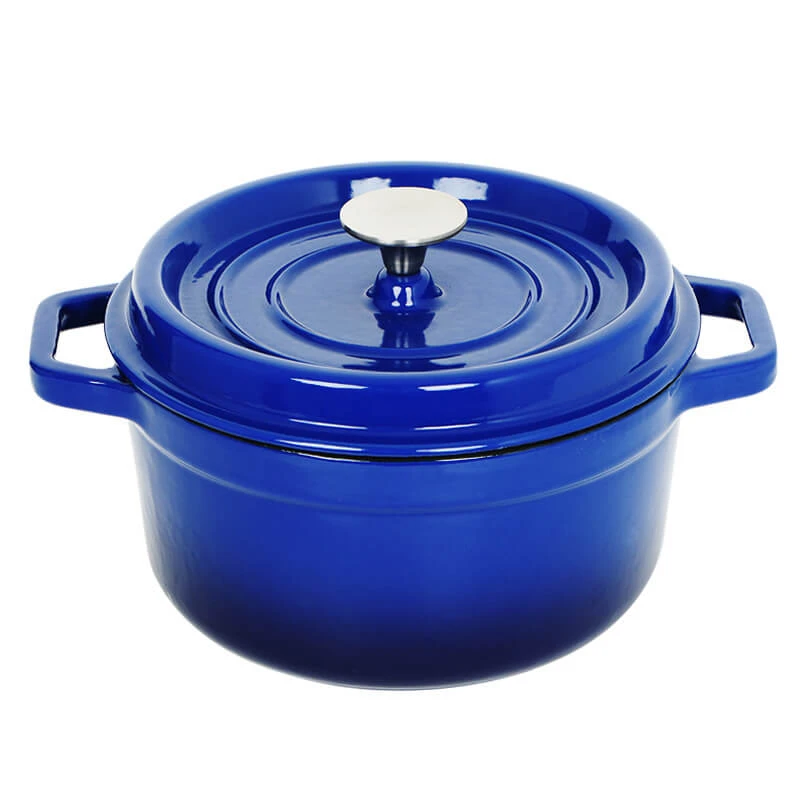
In simple terms, a dutch oven pot set is a collection of heavy-duty pots, usually cast iron or enameled cast iron, designed to cook foods slowly over low heat, distributing temperature evenly. The “set” typically includes multiple sizes or variants of pots, sometimes switching between lids, pans, or even accessories like trivets.
These pots connect to modern industry needs because their longevity and heat efficiency reduce demand on energy, cut waste, and support culinary practices from baking bread to slow-cooked roasts. In humanitarian or industrial contexts, they're prized for cooking over minimal fuel or rough environments — think refugee camps, outdoor kitchens, or industrial canteens where ruggedness is non-negotiable.
Mini takeaway:
- Dutch oven pot set is more than cookware—it's a sustainable, practical tool addressing global cooking and energy challenges.
Core Components and Features of a Quality Dutch Oven Pot Set
1. Durability
Cast iron, or modern enameled cast iron, means a dutch oven is built to last, often lasting decades if not cared for properly. This durability means fewer replacements, fewer materials consumed, better sustainability. For many, it’s an heirloom item.
2. Heat Retention and Distribution
The thick walls and heavy lids hold and distribute heat evenly, supporting slow cooking and more efficient fuel use—an advantage in both high-end and off-grid cooking.
3. Versatility in Cookware Types
A typical set includes different pot sizes, making it useful for anything from soups to baking. The enameled versions add convenience — no seasoning, easier cleaning, and a splash of color.
4. Adaptability to Cooking Environments
Whether stovetop, campfire, or oven, these pots can handle it all, which is why they remain critical in remote or temporary kitchens.
5. Cost-Effectiveness
Though initial investment can be higher than flimsy aluminum pans, their lifespan and energy savings make it cost-efficient in the long run.
Mini takeaway:
- Investing in a dutch oven pot set means quality, versatility, and long-term savings.
Product Specification Table: Typical Dutch Oven Pot Set
| Feature | Specification |
|---|---|
| Material | Enameled cast iron (or bare cast iron) |
| Sizes Included | 1.5 qt, 3 qt, 5 qt pots |
| Weight | 4–7 lbs per pot |
| Oven Safe Temperature | Up to 500°F (260°C) |
| Lid | Heavy, tight-fitting, enamel-coated lid |
| Usage | Stovetop, oven, campfire |
Who Uses Dutch Oven Pot Sets Worldwide?
Oddly enough, the dutch oven pot set crosses culinary, social, and even industrial sectors:
- Home cooks rediscover a classic for slow meals and one-pot comfort dishes.
- Restaurants and caterers appreciate the even heating for batch cooking and presentation.
- Remote or off-grid communities rely on their fuel efficiency and ruggedness.
- Humanitarian organizations use these in disaster zones or refugee camps for group meal prep, minimizing fuel use and waste.
- Industrial kitchens and military units value them for durability and versatility in diverse conditions.
For example, in sub-Saharan Africa, NGOs distribute cast-iron cookware to promote safer, more fuel-efficient cooking methods, reducing deforestation and indoor pollution (source: WHO cooking fuel studies). In rural North America, campgrounds offer dutch oven rentals as an eco-friendly cooking experience for tourists. Heck, even backyard barbecue enthusiasts count on them for braising.
Mini takeaway:
- The dutch oven pot set is trusted globally across diverse culinary and humanitarian landscapes.
Advantages and Long-Term Value of Investing in a Dutch Oven Pot Set
Putting down money on one of these sets feels like opting for quality over quick fixes. Here’s why:
- Cost savings: Fewer replacements, less wasted fuel, extended cookware life.
- Sustainability: Cast iron is 100% recyclable; production has become cleaner with modern manufacturing.
- Social impact: Promotes healthier cooking methods and builds food security in vulnerable zones.
- Reliability: Versatile cooking solutions that don’t break or warp under regular use.
- Emotional value: A piece of cookware that often turns into a family tradition.
Trust me, these benefits compound over years — and it genuinely feels different using something so robust and connected to heritage.
Future Trends and Innovations Shaping Dutch Oven Pot Sets
The cookware market isn’t static. Some innovations making waves:
- Lighter alloys and composite materials: Retaining the heat retention of cast iron, but with less heft.
- Non-toxic ceramic and enamel coatings: Better ease of use without the seasoning fuss.
- Smart cookware: Embedded sensors for temperature monitoring, possibly pairing with apps for precision cooking.
- Eco-conscious manufacturing: Using renewable energy to produce cookware and recycled metals.
In fact, we might eventually see dutch oven pot sets that double as solar cookers or interact with induction stovetops to maximize fuel efficiency.
Addressing Common Challenges and Solutions
Not everything is rosy, though. The largest hurdles include:
- Weight: Cast iron is heavy, making it less portable.
- Maintenance: Bare cast iron requires seasoning; enameled can chip.
- Higher upfront cost: Deterring budget buyers.
Experts suggest:
- For weight, opting for smaller sizes or lighter alloys helps.
- Enameled sets with durable finishes minimize maintenance fuss.
- Long-term cost calculations help buyers see beyond initial price — especially when factoring cooking fuel savings.
Vendor Comparison: Popular Dutch Oven Pot Sets
| Brand | Material | Price Range | Included Sizes | Noteworthy Feature |
|---|---|---|---|---|
| Lodge | Bare Cast Iron | $80–$150 | 5 qt Pot | Pre-seasoned, affordable |
| Le Creuset | Enameled Cast Iron | $300–$500 | Multiple sizes in sets | Vibrant colors, lifetime warranty |
| Cuisinart | Enameled Cast Iron | $120–$200 | 3 qt and 5 qt Pots | Affordable enameled option |
Frequently Asked Questions About Dutch Oven Pot Sets
Q1: How do I choose the right size for my cooking needs?
Start by considering family size and typical dishes. A 5-quart pot is great for stews or roasts serving 4-6 people. Smaller pots around 1.5 to 3 quarts are perfect for side dishes or sauces. Buying a set with multiple sizes gives flexibility for everyday use.
Q2: Can dutch ovens be used on induction cooktops?
Yes, cast iron and enameled cast iron dutch ovens work wonderfully with induction stoves because they’re magnetic. Just ensure the base is flat for even contact.
Q3: Is it safe to use metal utensils on enameled dutch ovens?
Generally, it’s best to avoid metal utensils on enamel surfaces to prevent chipping. Opt for wood, silicone, or nylon tools to preserve the coating and ensure longevity.
Q4: How do I maintain and clean a bare cast iron dutch oven?
Season your cast iron by oiling and heating to build a protective non-stick layer. Clean with warm water and a brush—avoid soap or harsh detergents. Dry immediately and lightly oil to prevent rust.
Q5: Are dutch oven pot sets suitable gifts for new homeowners or cooks?
Absolutely. They’re both practical and sentimental gifts that encourage home cooking and last a generation—great for folks who appreciate quality craftsmanship in their culinary tools.
Conclusion
The dutch oven pot set is more than kitchenware—it's a gateway to sustainable cooking, cultural tradition, and adaptable global use. Whether for the aspiring home chef or an organization seeking fuel-efficient meal prep solutions, these sets deliver long-term value that’s hard to beat. So why not upgrade your cookware lineup or explore reliable options for professional or humanitarian needs? Visit dutch oven pot set for a curated selection that blends quality and heritage.
Final thought:
There’s a quiet power in a dutch oven waiting beneath that heavy lid, simmering timeless meals across continents and generations…
References
-
Antique Cast Iron Camp Oven: Durable Outdoor Cookware for Professionals | ZD CookwareNewsJan.06,2026
-
Durable 4 Quart Camping Pot for Professional Use | ZD CookwareNewsJan.06,2026
-
Durable Campfire Cast Iron Pot for Outdoor & Industrial UseNewsJan.06,2026
-
Cast Iron Griddle for Camp Stove – Durable Outdoor Cooking EssentialNewsJan.06,2026
-
Dutch Oven Cast Iron Camping – Durable Outdoor Cooking GearNewsJan.05,2026
-
Durable and Efficient Cast Iron Camping Griddle for B2B Professionals | ZD CookwareNewsJan.05,2026