Everything You Need to Know About Dutch Oven Slow Cookers: Durable, Efficient & Versatile
What Is a Dutch Oven Slow Cooker and Why Should We Care?
If you’ve ever simmered a tender stew for hours or baked a hearty bread to crusty perfection, you’ve probably met the magic of a dutch oven. Now, imagine that versatility and heat retention combined with the convenience of slow cooking — that’s where the dutch oven slow cooker steps into the spotlight. Beyond the kitchen, this appliance holds a growing footprint across industries, from remote field kitchens to disaster relief camps. Why? Because slow, steady cooking preserves nutrients and flavor, uses less energy, and adapts to limited resources. Understanding the dutch oven slow cooker means appreciating not just a piece of cookware, but a tool for global sustainability, cost efficiency, and cultural continuity.
How the Dutch Oven Slow Cooker Fits Into The Global Picture
Globally, slow cooking is more than a culinary trend — it's a solution with surprisingly widespread implications. According to the UN Food and Agriculture Organization, slow-cooked meals can reduce food waste significantly by making tougher cuts edible and less perishable ingredients more palatable. The dutch oven slow cooker addresses challenges of energy scarcity and cooking reliability in rural and resource-limited areas. The World Bank notes that about 2.6 billion people worldwide still rely on traditional biomass cooking, which can be inefficient or harmful. Here, the slow cooker bridges modern convenience and traditional methods, providing a safer, more efficient option.
But here’s the catch: how do you maintain that balance in varying environments — from cramped apartments in booming cities to off-grid villages or humanitarian fields? The dutch oven slow cooker’s adaptability is what makes it much more than “just another pot.”
Defining the Dutch Oven Slow Cooker in Simple Terms
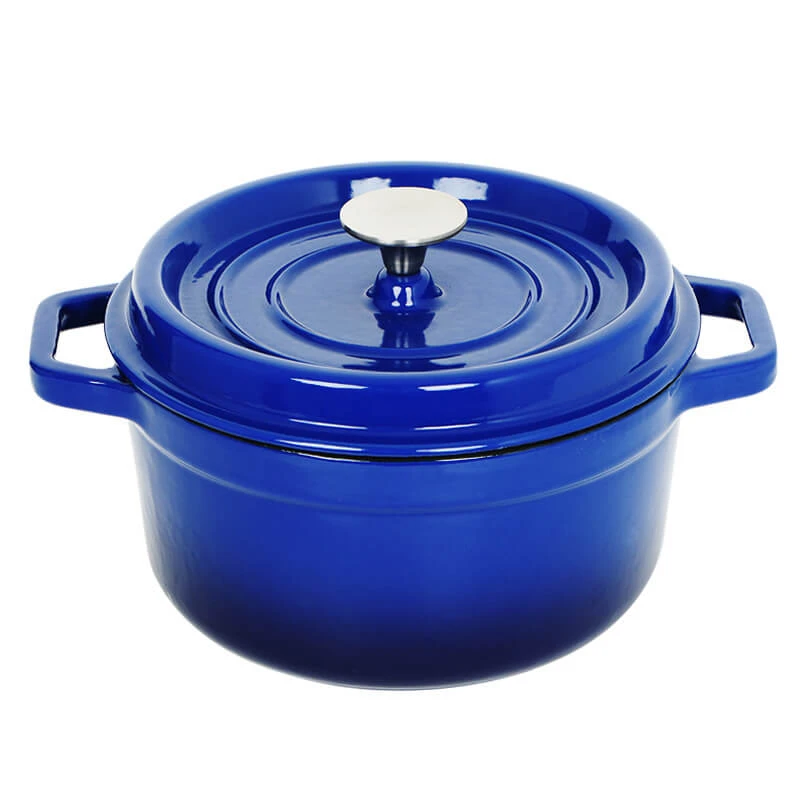
At its core, the dutch oven slow cooker combines two classic cooking technologies. The "dutch oven" is a heavy, usually cast-iron pot known for exceptional heat retention and durability. Paired with a slow cooker mechanism — electric regulation of temperature over several hours — it’s a marriage of tradition and innovation. Think: the depth and even heating of the dutch oven, plus the "set it and forget it" ease of the slow cooker.
This integration isn’t just a kitchen novelty. It ties into broader industry trends toward energy efficiency, nutrition preservation, and modular designs. NGOs and food programs lean on such tools for feeding large groups safely and sustainably. The dutch oven slow cooker’s slow, controlled heat is critical in scenarios where power is limited and consistent cooking is vital.
Core Components That Make This Appliance Stand Out
Durability & Material Quality
Cast iron isn’t just a classic term for heavy pots — it’s a literal workhorse. The dutch oven base offers even heat distribution and retention, essential for slow cooking. Many slow cookers cut corners with thinner metals, but this combination lasts decades, often passed down generations.
Energy Efficiency and Temperature Control
The slow cooker’s thermostat keeps heat steady between 170° to 280° F, optimizing energy use. Dutch oven slow cookers often use less electricity than traditional ovens or stovetops, making them environmentally and economically sound.
Versatility & Size Options
From 3-quart models perfect for singles or couples to 8-quart giants fit for family gatherings or community kitchens, size and shape can vary. The dutch oven slow cooker adjusts effortlessly from stews to roasts and even artisanal bread baking. Knowing your size need is half the game.
Ease of Cleaning and Maintenance
A well-made cast iron surface can be both a blessing and a chore. Modern enameling techniques give the slow cooker interiors a non-stick finish, preventing rust and odd flavors. This also eases cleanup tremendously.
Portability & Design
While traditional cast iron pots are heavy, the combination with lightweight slow cooker bases balances weight and portability—ideal for campers, remote workers, or small food trucks.
Mini Takeaway:
The dutch oven slow cooker balances timeless material durability with modern convenience, carving a niche in both home and field kitchens worldwide.
Where Does the Dutch Oven Slow Cooker Make a Real Impact?
Obviously, it’s a kitchen staple in many households. But its global applications are surprisingly broad:
- Disaster relief: In post-disaster operations, NGOs often lack consistent power sources but need to feed large groups safely with minimal fuel consumption. Dutch oven slow cookers, due to their efficiency, rise to the occasion.
- Remote industrial zones: Places like Arctic mining camps or desert oil fields without reliable electricity benefit from slow cookers which optimize limited power.
- Cultural food revival: Indigenous and rural communities integrate slow cooking for health and heritage preservation, especially where traditional open flames are less feasible.
- Eco-conscious households worldwide: Sustainable cooking becomes a lifestyle. The energy-efficient dutch oven slow cooker fits neatly into zero-waste or off-grid homes.
Advantages & Lasting Value of the Dutch Oven Slow Cooker
Frankly, the benefits stack up nicely:
- Cost Savings: Using lower wattage and slow heat reduces utility bills and lessens wear on stovetops or ovens.
- Nutrition & Flavor: Slow cooking retains nutrients better than quick, high-heat methods. Flavors meld deeply, so meals taste richer and fresher.
- Sustainability: Less energy use and longer product life mean fewer replacements and less waste.
- Social & Emotional: There’s something reassuring about a pot simmering gently – it evokes comfort, care, and tradition.
- Reliability: Low-tech but smart design means fewer breakdowns in challenging environments.
Key Product Specifications
| Specification | Details |
|---|---|
| Material | Cast iron with enamel coating |
| Capacity | 3 to 8 quarts |
| Temperature Range | 170°F to 280°F (approx. 75°C to 140°C) |
| Energy Consumption | ~200-300 watts average |
| Weight | 7-12 lbs depending on size |
| Cleaning | Dishwasher safe enamel interior |
A Quick Vendor Comparison To Guide Your Choice
| Feature | Brand A | Brand B | Brand C |
|---|---|---|---|
| Material Quality | Premium cast iron, thick enamel | Cast iron, medium enamel | Lightweight alloy, ceramic coating |
| Temperature Control | Digital thermostat with timer | Simple manual dial | Smart app control |
| Capacity Range | 4-8 quarts | 3-6 quarts | 2-5 quarts |
| User-Friendliness | Easy cleaning, dishwasher safe | Basic cleaning, handwash only | App guides cooking |
| Price Point | $$$ (Premium) | $$ (Mid-range) | $ (Budget) |
What’s Next? Innovations on the Horizon
The slow cooker industry isn’t standing still. Oddly enough, the blend of traditional cast iron with modern technology is sparking fresh ideas. Green energy integration, such as solar-powered slow cookers using dutch oven designs, is gaining traction in off-grid communities. Digitally controlled heat sensors now allow precise cooking profiles, which means more consistent results and less guesswork.
Some manufacturers are experimenting with ultra-lightweight but durable alloys combined with ceramic non-stick technology, which means the days of hauling around 10-pound pots might be numbered. Additionally, automation and smart connectivity could make meal prep fully hands-off — just tap your phone, and the cooker does the rest.
Challenges and How Experts Suggest Overcoming Them
Not everything is perfect — for instance, cast iron can be heavy and less portable for some users. Enamel surfaces, while protective, may chip or crack if mishandled. Plus, slow cookers require electric power, limiting true off-grid use unless paired with generators or batteries.
Experts encourage combining these units with supplemental renewable energy sources and emphasize careful user education. Lightweight innovations are promising but need field testing to ensure durability. And overall, manufacturers are working on modular designs to enable transport and maintenance in harsh environments.
FAQ: Your Dutch Oven Slow Cooker Questions Answered
Q: How long does it usually take to cook a typical stew in a dutch oven slow cooker?
A: Most hearty stews require around 6 to 8 hours on low heat settings to fully tenderize meats and allow flavors to meld. Some tougher cuts might need up to 10 hours. The slow, steady heat is key; rushing will sacrifice tenderness.
Q: Can I use a dutch oven slow cooker on the stovetop?
A: Typically, the electric slow cooker either houses the dutch oven insert or is designed for electric heating only. While the dutch oven itself can go on a stovetop or open flame, it’s best not to use the combined unit outside its specified settings.
Q: Is the enamel coating safe and durable with frequent use?
A: Yes, high-quality enamel coatings are food-safe, non-reactive, and durable under normal use. Avoid harsh scrubbing and sudden temperature shocks, and you’ll have a long-lasting finish.
Q: How does a dutch oven slow cooker compare to a traditional electric slow cooker?
A: The dutch oven slow cooker generally offers better heat retention and distribution due to cast iron and enamel, often resulting in tastier dishes. However, they can be heavier and sometimes pricier.
Q: Where can I purchase reliable dutch oven slow cookers?
A: Many brands exist, but reputable cookware vendors and specialized retailers like this one provide quality options with good warranties and support.
Final Thoughts & Invitation
The dutch oven slow cooker is a quietly revolutionary tool, blending time-tested cooking traditions with cutting-edge energy efficiency and design. Whether you’re a home chef, a relief coordinator, or someone living off-grid, this appliance promises durability, sustainability, and delicious meals with minimal fuss. For a closer look at models, accessories, and expert guidance, feel free to visit our website. It’s always comforting knowing your next great meal is a slow simmer away.
References
-
Antique Cast Iron Camp Oven: Durable Outdoor Cookware for Professionals | ZD CookwareNewsJan.06,2026
-
Durable 4 Quart Camping Pot for Professional Use | ZD CookwareNewsJan.06,2026
-
Durable Campfire Cast Iron Pot for Outdoor & Industrial UseNewsJan.06,2026
-
Cast Iron Griddle for Camp Stove – Durable Outdoor Cooking EssentialNewsJan.06,2026
-
Dutch Oven Cast Iron Camping – Durable Outdoor Cooking GearNewsJan.05,2026
-
Durable and Efficient Cast Iron Camping Griddle for B2B Professionals | ZD CookwareNewsJan.05,2026