Dutch Oven Synonym: Understanding Industrial-Grade Cookware Terms
Exploring the Dutch Oven Synonym: What’s in a Name?
Having spent years in the industrial equipment arena, I must admit the terminology around cookware sometimes throws me for a loop. Take the Dutch oven synonym for example — what exactly does that mean in the world of heavy-duty, high-grade cooking pots? It’s funny, but the term “Dutch oven” itself can stretch across various cookware designs, materials, and even cultural nuances.
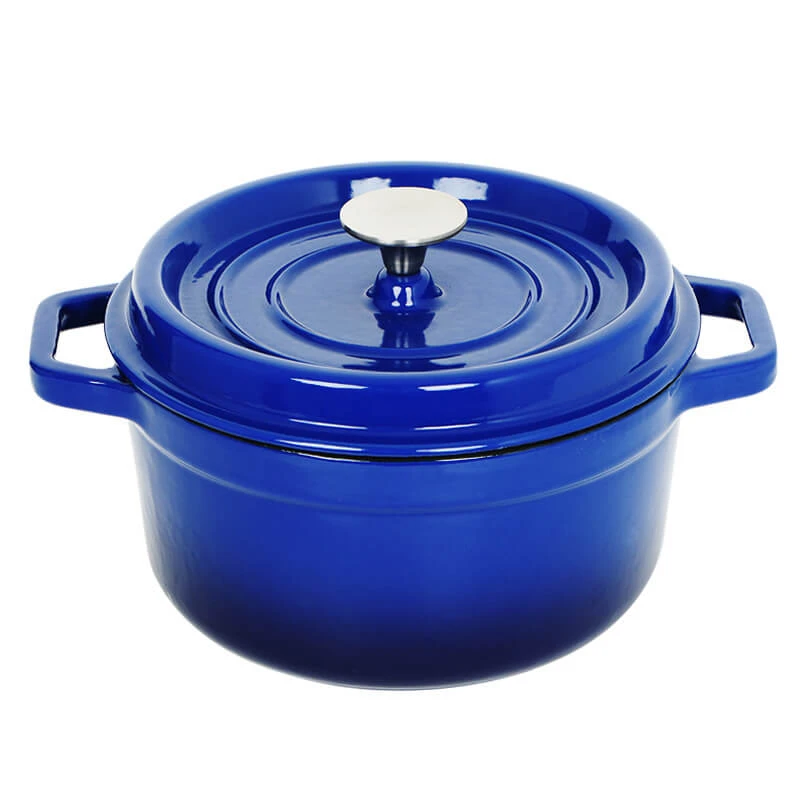
At first glance, a Dutch oven is a timeless piece: thick-walled, usually cast iron or enameled, designed for slow cooking, braising, and baking. But when I hear “Dutch oven synonym,” I think about those alternative names and similar products industrial suppliers and chefs alike often mention — things like “casserole,” “braiser,” “cocotte,” or even “camp oven.” Oddly enough, these terms overlap with specific cookware uses but don’t always capture the durability and heat-retention properties that Dutch ovens are famous for.
It reminds me of an exchange I had once with a longtime cookware engineer. He pointed out that in industrial cookware, every term had a nuance — and those nuances affected design specs, materials choices, and ultimately, the product's performance in demanding kitchens or outdoor settings.
In real terms, the main feature that makes a Dutch oven stand out is its ability to maintain steady, even heat, largely thanks to its thick cast iron walls and tight-fitting lid. This is often why you’ll see “Dutch oven” used as a catch-all for any heavy, lidded pot, even if it’s not strictly the original design. Of course, if we look deeper, there are subtle differences in shape, capacity, and lining — factors that the industry rigorously tests before launching a product.
Typical Specifications for an Industrial-Grade Dutch Oven
| Feature | Specification |
|---|---|
| Material | Cast Iron (enameled or bare) |
| Capacity | 5 to 7 quarts (approx. 4.7 to 6.6 liters) |
| Lid Type | Heavy, tight-fitting with self-basting ridges |
| Heat Source Compatibility | Gas, electric, induction, and open flame |
| Surface Finish | Porous (bare cast iron) or enamel glazed |
Now, comparing vendors — an absolute must when I've been sourcing Dutch ovens for industrial kitchens — tends to reveal differences that only someone who’s handled dozens of these pots would spot. Things like warranty length, enamel durability, and even weight can vary quite a bit.
Vendor Comparison: Key Attributes of Popular Dutch Oven Makers
| Vendor | Material Quality | Warranty | Price Range |
|---|---|---|---|
| ZDS Cookware | Premium cast iron, durable enamel | 10 years | $$$ (mid to high) |
| Global Ironworks | Standard cast iron | 5 years | $$ (medium) |
| CastPro Industrial | Heavyweight iron, basic enamel | 7 years | $ (budget) |
One small story to bring this home: I recall a client who initially ordered a budget Dutch oven but quickly realized it didn't retain heat as evenly during their slow-cooked recipes. After switching to a premium model—well, their kitchen workflow improved, and they swore by the difference in every batch. It’s little results like that that convinced me manufacturing expertise combined with the right materials can't be skimped on.
So, whether you call it a casserole, a braiser, a cocotte, or just a Dutch oven synonym, the secret lies in quality and design. Products from seasoned vendors, especially those who keep an eye on materials and testing standards, come through when it really counts. And frankly, that’s the hallmark of great cookware in any industrial setting.
In the end, I suppose names matter less than performance — but knowing the Dutch oven synonym helps you navigate choices smarter, whether you’re a chef, supplier, or equipment specialist.
Always remember: the devil’s in the details, and those details keep your kitchen running hot, efficient, and tasty.
References:
- Industrial Cookware Standards, International Kitchen Association, 2023
- Technical Insights into Cast Iron Cookware, Smith & Co. Engineers, 2022
- Consumer Reports on Dutch Oven Longevity, Culinary Trust, 2024
-
Antique Cast Iron Camp Oven: Durable Outdoor Cookware for Professionals | ZD CookwareNewsJan.06,2026
-
Durable 4 Quart Camping Pot for Professional Use | ZD CookwareNewsJan.06,2026
-
Durable Campfire Cast Iron Pot for Outdoor & Industrial UseNewsJan.06,2026
-
Cast Iron Griddle for Camp Stove – Durable Outdoor Cooking EssentialNewsJan.06,2026
-
Dutch Oven Cast Iron Camping – Durable Outdoor Cooking GearNewsJan.05,2026
-
Durable and Efficient Cast Iron Camping Griddle for B2B Professionals | ZD CookwareNewsJan.05,2026