Dutch Oven Stove Top: Versatile, Durable, and Energy-Efficient Cooking Cookware
Understanding the Dutch Oven Stove Top: A Versatile Culinary Essential
When you hear dutch oven stove top, you might picture a hefty cast-iron pot simmering over an open flame or nestled on a burner warming up a family stew. But, frankly, there’s more to this kitchen staple than just rustic cooking. Globally, the dutch oven stove top carries a significance that spans cultures, cooking styles, and even humanitarian applications. Whether you’re a home cook, a professional chef, or just someone curious about reliable cookware, understanding the ins and outs of the dutch oven stove top is, honestly, pretty empowering.
Why does it matter globally?
Cast iron cookware—of which the dutch oven stove top variety is a hallmark—was recently highlighted by the Wikipedia as one of the longest-lasting, most sustainable cooking tools worldwide. According to the International Organization for Standardization (ISO), standardized manufacturing and material quality have boosted dutch ovens’ durability, making them a favorite across continents.
Given the rising interest in sustainable cooking, especially with the global push to reduce food waste and energy consumption in cooking processes (UN reports estimate the food sector represents 30% of global energy demand), the dutch oven stove top represents an intersection of tradition and necessity. It’s a tool for meals that last, both in quantity and the quality that keeps families nourished with less energy waste.
So, what exactly is a dutch oven stove top?
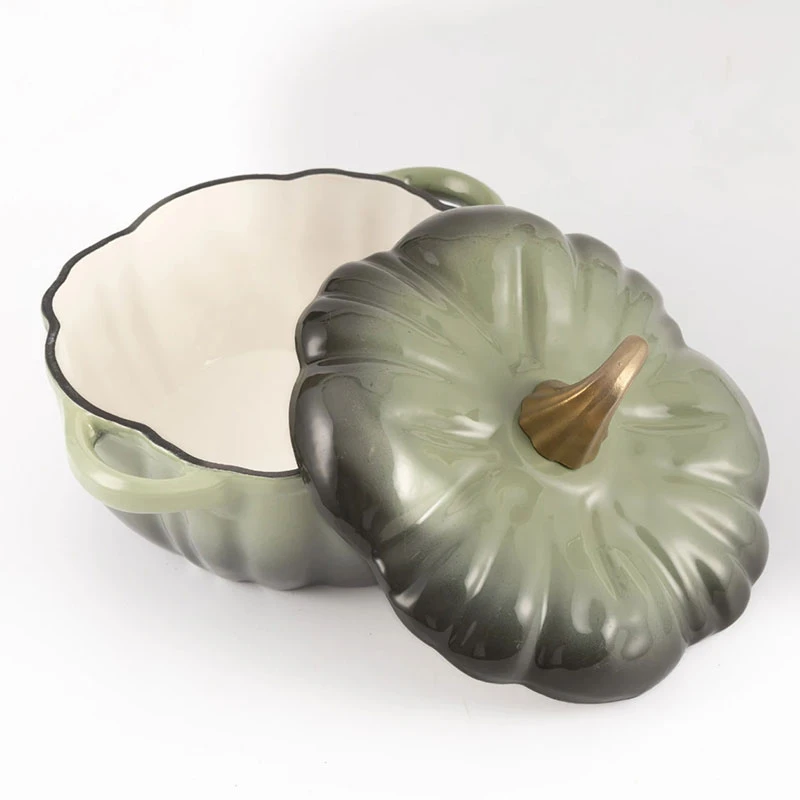
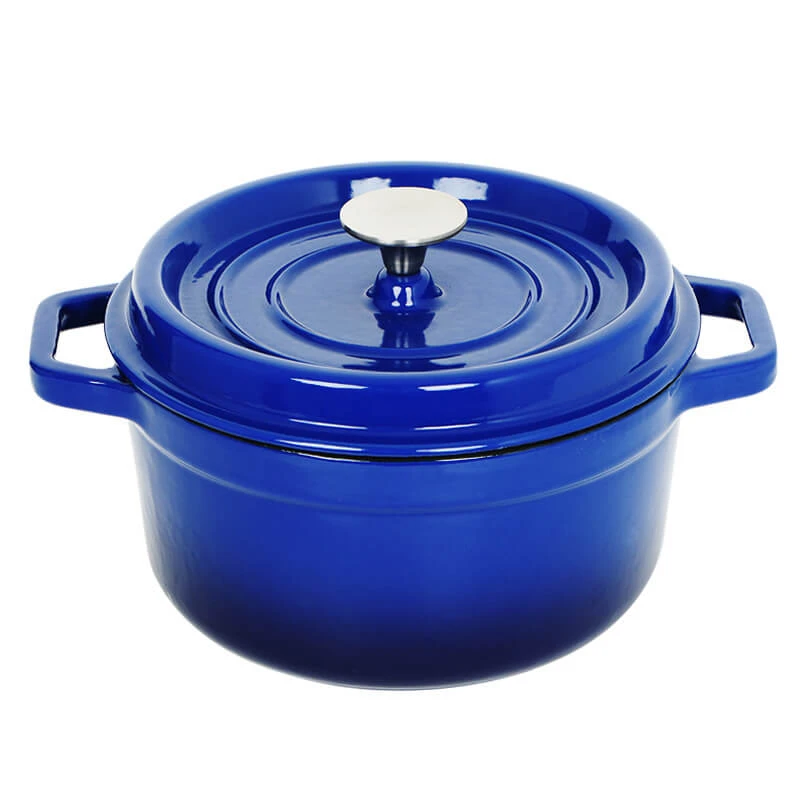
In simple terms, a dutch oven stove top is a thick-walled cooking pot, typically cast iron or enameled cast iron, designed for use over direct heat on a stove burner. Unlike conventional pots that might have thinner walls, a dutch oven’s mass and construction allow for even heat distribution, great heat retention, and the ability to withstand high temperatures. Its lid is often heavy, creating a sealed environment ideal for slow cooking, braising, and baking.
It’s a culinary workhorse, capable of handling everything from simmering soups to baking bread, and that versatility explains its enduring place in kitchens—from modern urban apartments to remote campsites.
Key Characteristics That Define a Dutch Oven Stove Top
Durability
One of the most noted features is its longevity. Properly cared for, a cast iron dutch oven can last generations. This is crucial for both households and humanitarian applications, where reliable cooking tools are non-negotiable.
Heat Retention and Distribution
Thanks to the thick cast iron construction, these ovens absorb heat slowly but hold it steady. This makes them suitable for recipes that require consistent temperature over long periods—a big win for energy efficiency.
Compatibility
Whether your stove runs on gas, electric coil, or induction technology, many modern dutch oven stove top models adapt well. Though traditional cast iron isn’t magnetic, most enameled versions have can handle induction surfaces, which is a neat evolution.
Maintenance and Care
Oddly enough, while cast iron can seem intimidating to newcomers, it’s fairly straightforward — keep it seasoned, avoid soap on raw iron, and it builds a natural non-stick surface over time. Enameled versions are even easier to maintain but demand care to prevent chipping.
Product Specifications
| Feature | Typical Specification | Benefit |
|---|---|---|
| Material | Cast iron or enamel-coated cast iron | Excellent heat retention and durability |
| Weight | 4-8 lbs (varies by size) | Stable on stoves; retains heat well |
| Capacity | 2-7 quarts | Suitable for small families to large meals |
| Heat Compatibility | Gas, electric, induction (enameled) | Versatile across many cooking surfaces |
How Different Vendors Compare
Choosing the right dutch oven stove top depends on what you prioritize—weight, material quality, or price. Here’s a brief comparative look at notable vendors.
| Vendor | Material | Price Range | Special Feature |
|---|---|---|---|
| Lodge | Pre-seasoned cast iron | $40 - $100 | American-made, durable |
| Le Creuset | Enameled cast iron | $200 - $500+ | Vibrant colors, superior craftsmanship |
| Staub | Enameled cast iron | $150 - $450 | Self-basting lids, matte enamel |
Global Applications & Use Cases
The dutch oven stove top isn’t just for home kitchens. Emergency response teams worldwide use cast iron dutch ovens for field kitchens during disaster relief—a reliable, fuel-efficient choice for bulk cooking. In places like Sub-Saharan Africa, where fuel scarcity can be a real challenge, the capability of dutch ovens to cook with minimal energy is a huge advantage. Similarly, chefs in remote industrial locations rely on them since induction stove tops might not be available, and classic cast iron can handle rough conditions.
Even culinary schools adopt these ovens for teaching slow-cooking techniques, underlining their educational value. So, while the context might vary, the demand for a dutch oven stove top remains constant because it offers unmatched versatility and reliability.
The Advantages & Long-Term Value You Can Rely On
- Cost Efficiency: Though sometimes pricier upfront, durable dutch ovens often outlast cheaper pots, making them economical over time.
- Sustainability: Made of natural materials and lasting decades, they reduce waste.
- Social Impact: By enabling families and communities to prepare nutritious meals, they support health and dignity.
- Reliability: Their consistent cooking performance fosters trust — a priceless quality when feeding loved ones.
Emotionally, owning a dutch oven stove top can feel like investing in heritage and family tradition. Logically, it’s about smart choices that benefit both wallet and environment.
Future Trends & Innovations in Dutch Oven Stove Top
The good old dutch oven is evolving. Manufacturers are experimenting with lighter alloys combining cast iron heat retention with reduced heft, making them more accessible. There’s also a notable rise in eco-friendly production techniques: using recycled materials, employing green energy in foundries, and enameled coatings free of harmful chemicals.
Digital technology even enters the scene with smart kitchen systems measuring heat and moisture inside some enameled dutch ovens to optimize cooking times. While this is still niche, it's a sign of times merging tradition with tech.
Challenges & Expert Solutions
Now, it’s not all perfect. Traditional dutch ovens are heavy, which some find a hassle to handle. They also require care to prevent rust and enamel chipping. Plus, classic cast iron isn't induction-compatible without special features.
Experts suggest: Go for enameled versions if induction is your stove type. Season cast iron carefully and store properly to avoid rust. Manufacturers are addressing heft by designing slimmer walls combined with innovative materials. Plus, YouTube channels and cooking schools now offer great guides to caring for these pots that make the learning curve easier.
Frequently Asked Questions About Dutch Oven Stove Top
1. Can I use a cast iron dutch oven stove top on an induction cooktop?
Traditional bare cast iron doesn’t always work efficiently on induction because it requires a flat, magnetic surface. However, many enameled dutch ovens are induction compatible. It’s best to check the manufacturer specs before purchasing.
2. How heavy should my dutch oven stove top be for everyday use?
Typically, a 5-7 quart size ranges around 6-8 pounds, which balances capacity and manageability for most cooks. Lighter models exist but might sacrifice some heat retention. Consider your strength and kitchen habits.
3. What’s the best way to clean and maintain a cast iron dutch oven stove top?
For non-enameled cast iron, avoid soap; rinse with hot water and dry thoroughly. Re-season with oil when needed to maintain the protective layer. Enameled ovens can be washed with mild soap but avoid harsh abrasives.
4. Are dutch oven stove tops energy efficient?
Absolutely. Their thick walls heat evenly and hold heat for long periods, allowing you to cook on lower heat settings, which saves energy and improves flavor development.
5. Can I bake bread in a dutch oven stove top?
Yes! In fact, many home bakers prize dutch ovens for their ability to create a steam environment ideal for crusty artisan bread.
Conclusion + Call to Action
In real terms, the dutch oven stove top is far more than a pot. It’s a timeless ally in kitchens worldwide, bridging tradition and innovation, durability and sustainability. For those who value reliability, versatility, and a touch of heritage in cooking, investing in one is a smart, long-term choice.
If you’re curious to explore the perfect dutch oven stove top for your home or professional needs, I invite you to visit our website: dutch oven stove top. Find styles, sizes, and options to suit every culinary journey.
Mini takeaway: Choosing the right dutch oven stove top can transform how you cook, save energy, and even connect you to generations of cooks before you—there’s something profoundly satisfying in that.
References:
1. Wikipedia: Cast-iron cookware
2. ISO Standards - Cookware
3. United Nations Food Systems Summit
-
Antique Cast Iron Camp Oven: Durable Outdoor Cookware for Professionals | ZD CookwareNewsJan.06,2026
-
Durable 4 Quart Camping Pot for Professional Use | ZD CookwareNewsJan.06,2026
-
Durable Campfire Cast Iron Pot for Outdoor & Industrial UseNewsJan.06,2026
-
Cast Iron Griddle for Camp Stove – Durable Outdoor Cooking EssentialNewsJan.06,2026
-
Dutch Oven Cast Iron Camping – Durable Outdoor Cooking GearNewsJan.05,2026
-
Durable and Efficient Cast Iron Camping Griddle for B2B Professionals | ZD CookwareNewsJan.05,2026