Durable & Versatile Enamel Coated Dutch Ovens for Every Kitchen
What’s the Fuss About Enamel Coated Dutch Ovens?
Okay, so enamel coated dutch ovens might sound like just another kitchen gadget, but trust me, they’re way more than cozy pots sitting on a stovetop. At their core, they’re this magical marriage of traditional craftsmanship and modern materials — and that combo actually has quite a global ripple effect in cooking, food preservation, and even sustainability. You might wonder why an enamel coated dutch oven matters beyond the home kitchen, so let’s unpack this. Understanding the ins and outs of these cookware stars means better meals, longer-lasting products, and less waste—which, frankly, in the era of climate concerns and food scarcity, is a big deal.
Global Perspective: Why the Enamel Coated Dutch Oven Still Matters
Across different continents, the enamel coated dutch oven holds a quietly essential role. According to the International Organization for Standardization (ISO), over 70% of cookware globally now includes some form of enamel or ceramic coating for improved durability and safety. The UN Food and Agriculture Organization (FAO) stresses that effective cooking tools can significantly reduce fuel consumption by trapping heat better, thus easing environmental pressures in resource-strapped regions. The enamel coated dutch oven, with its excellent heat retention and non-reactive surface, addresses these challenges head-on: it’s energy-efficient, robust, and hygienic. Around remote villages in Africa, out in Europe’s rustic kitchens, and bustling urban centers in Asia, these pots are more than culinary tools—they’re key to reducing emissions and food waste, sometimes saving precious resources.
On a personal note, I always found that tossing a dutch oven in a campfire or on a gas burner never failed. Its enamel coating is like a guardian — preventing rust and sticking — which is exactly what’s needed in places lacking easy access to replacement cookware.
Enamel Coated Dutch Oven: What Is It Exactly?
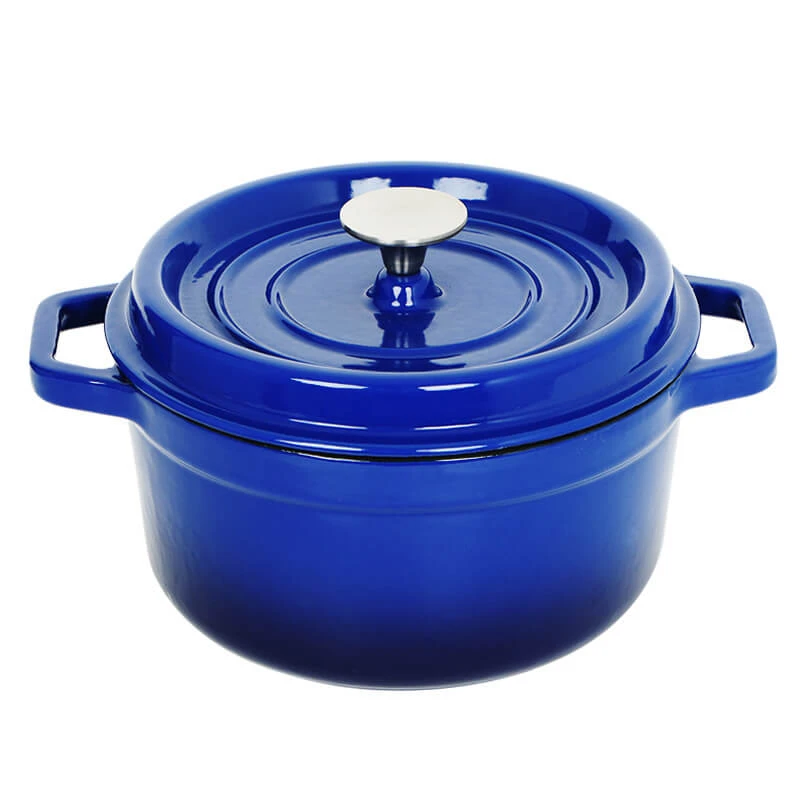
Simply put, an enamel coated dutch oven is a heavy, usually cast iron pot that’s been dipped or sprayed with a sturdy glass-like enamel layer. This coating makes the pot resistant to rust, easier to clean, and prevents the metal from interacting with acidic foods. Unlike bare cast iron, the enamel surface means you don’t need to season it constantly. It’s kind of like the classic cast iron’s smarter, low-maintenance sibling.
In commercial kitchens or humanitarian efforts, such pots are invaluable. Their durability reduces waste from breakage or corrosion, and their wide, stable base makes them perfect for even heating — meaning meals cook more evenly with less energy. That connection between traditional material (cast iron) and modern finish (enamel) positions the dutch oven as a trusted ally in both daily life and crisis response.
Key Factors That Make Enamel Coated Dutch Ovens Stand Out
Durability & Longevity
Enamel coats protect the cast iron core from rust, chipping, and scratching, extending the life of the cookware. Unlike non-stick coatings that wear off in a couple of years, enamel remains tough for decades if handled right.
Heat Retention and Distribution
The cast iron core is a stellar heat conductor — it soaks up heat evenly and releases it slowly, which is fantastic for simmering stews or baking bread. The enamel layer doesn’t interfere with this quality but adds the bonus of easy cleanup.
Non-Reactive Cooking Surface
Anything acidic — think tomatoes or wine — won’t react with the enamel as it would with bare cast iron, so flavors stay true without that metallic tang you sometimes get.
Easy Maintenance
No tedious seasoning, no special oils — just soap, water, and a little care. This factor makes them accessible to households unfamiliar with cast iron upkeep.
Variety & Aesthetics
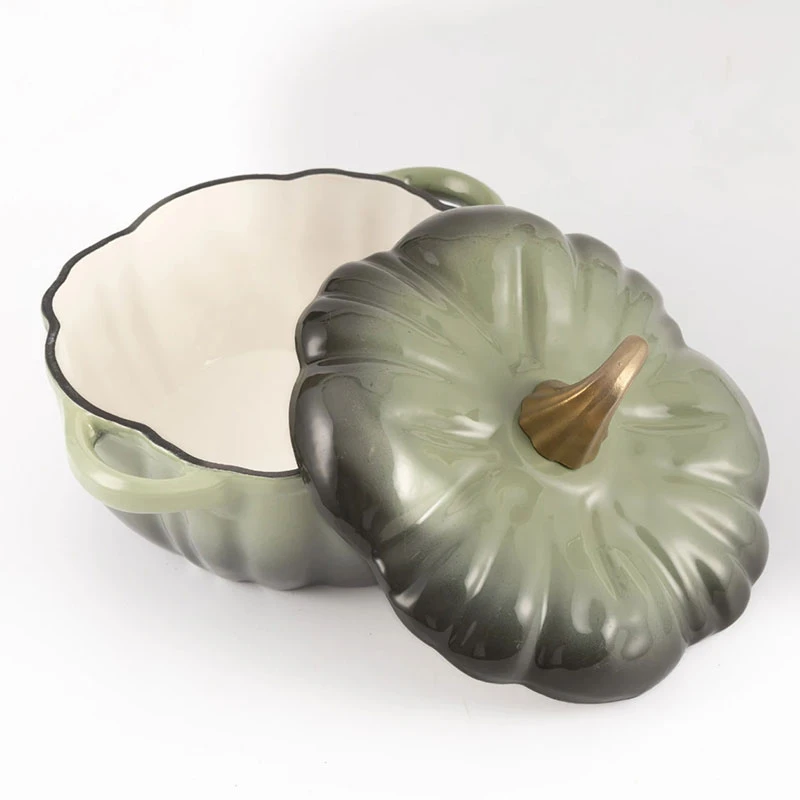
These pots come in all shapes, sizes, and vibrant colors, which oddly enough, makes them a conversation piece in many kitchens or professional settings.
Mini takeaway: The enamel coated dutch oven combines old-school craftsmanship with modern convenience, creating cookware that’s both practical and durable.
Real-World Uses: Where Enamel Coated Dutch Ovens Shine
Interestingly, their use spans far beyond home cooks and food bloggers. For example:
- Humanitarian Aid: After natural disasters, enamel coated dutch ovens are distributed by NGOs because they don’t rust easily and can handle rough handling.
- Remote and Rural Communities: Especially in areas relying on biomass or limited fuel, these pots reduce cooking times and fuel needs.
- Professional Culinary Environments: Renowned chefs swear by them for slow-cooked braises and soups.
- Sustainable Living Advocates: People embracing minimalism or zero waste often favor enamel coated dutch ovens for their longevity and eco-friendliness.
I remember hearing about a community in Nepal where a shared enamel coated dutch oven became a linchpin for group meals — making tough firewood resources stretch just a little further.
Advantages & Long-Term Value
- Cost Savings: While pricier upfront than aluminum pots, their decades-long lifespan provides solid value.
- Sustainability: Cast iron is recyclable, and enamel coatings avoid harmful chemicals often found in non-stick pans.
- Health & Safety: No risk of toxic PTFE coatings peeling off or leaching chemicals during high heat.
- Social & Emotional Impact: They often become heirlooms, symbolizing family and tradition, which isn’t small potatoes in a fast-paced world.
Product Specification Table
| Specification | Details |
|---|---|
| Material | Cast Iron with Porcelain Enamel Coating |
| Weight | Approximately 7–12 lbs (varies with size) |
| Size Range | From 3 QT to 7 QT and larger |
| Heat Source Compatibility | Gas, Electric, Induction, Oven, Campfire |
| Cleaning | Handwash Recommended; Dishwasher Safe (varies by brand) |
Vendor Comparison Table
| Brand | Price Range | Color Options | Warranty | Special Features |
|---|---|---|---|---|
| Le Creuset | $250 - $400 | Multiple vibrant shades | Limited Lifetime | Superior enamel; Dishwasher safe |
| Lodge | $50 - $150 | Limited colors | 1 year | Affordable; Classic design |
| Cuisinart | $70 - $180 | Moderate | Limited Lifetime | Dishwasher safe enamel |
Future Trends: Where the Enamel Coated Dutch Oven Is Headed
We’re seeing more experimentation with eco-friendlier materials and digital-assisted manufacturing techniques. Manufacturers are exploring recycled cast iron and non-toxic enameling processes to boost sustainability. Smart cookware with embedded temperature sensors isn’t far off either, although adding tech to enamel-coated pots will have to respect the longstanding traditions of simplicity and ruggedness.
Green energy is contributing too—imagine this: an enamel coated pot optimized for solar cooker domes in places where electricity is scarce but sun is abundant. The blend of old materials and new tech could redefine cooking for millions.
Challenges, But Also Solutions
One problem with enamel coated dutch ovens is the occasional chipping or cracking of that glassy coat, which compromises the pot and looks downright ugly. Shipping and rough handling in disaster relief zones can cause this. However, many brands now offer reinforced coatings, improved quality control, and better packaging solutions.
And yes, they’re heavy—not always ideal for every user. Lighter alternatives exist but sacrifice the benefits that cast iron offers. Some companies now combine lightweight steel cores with enamel, aiming for a middle ground.
FAQ: Your Questions About Enamel Coated Dutch Ovens
- Q: How do I prevent the enamel coating from chipping?
- A: Avoid sudden temperature changes (no cold water on hot pots), use silicone or wooden utensils, and store it carefully. Dropping is the main culprit, so handle with care, even if the pot feels rugged.
- Q: Can enamel coated dutch ovens be used on induction cooktops?
- A: Absolutely. The cast iron base is magnetic, which makes these pots induction-friendly. Just make sure the enamel is intact on the bottom for safe contact.
- Q: Are these pots dishwasher safe?
- A: Many brands label enamel coated dutch ovens as dishwasher safe, but hand washing is gentler and helps maintain the shine and prevent micro-chips.
- Q: How long do enamel coated dutch ovens typically last?
- A: With proper care, they can last several decades—even become family heirlooms. Their enamel protects them from rust and corrosion unlike normal cast iron.
Wrapping It Up: Why Invest in an Enamel Coated Dutch Oven Today?
So, what’s the takeaway here? The enamel coated dutch oven melds tradition, durability, and modern needs into one versatile package. Whether you’re a restaurant chef, a sustainability advocate, or just someone who appreciates slow-cooked meals with that perfect crust—there’s a little magic in these pots. They’re about food, yes, but also about longevity, reducing waste, and building connections across cultures and kitchens.
If you’re curious to explore options or upgrade your cookware, pop over to our enamel coated dutch oven collection and get ready to cook with confidence and style.
-
Antique Cast Iron Camp Oven: Durable Outdoor Cookware for Professionals | ZD CookwareNewsJan.06,2026
-
Durable 4 Quart Camping Pot for Professional Use | ZD CookwareNewsJan.06,2026
-
Durable Campfire Cast Iron Pot for Outdoor & Industrial UseNewsJan.06,2026
-
Cast Iron Griddle for Camp Stove – Durable Outdoor Cooking EssentialNewsJan.06,2026
-
Dutch Oven Cast Iron Camping – Durable Outdoor Cooking GearNewsJan.05,2026
-
Durable and Efficient Cast Iron Camping Griddle for B2B Professionals | ZD CookwareNewsJan.05,2026