Discover The Timeless Round Dutch Oven – Durable, Versatile, Global Essential
What Is a Round Dutch Oven and Why It Still Matters Worldwide
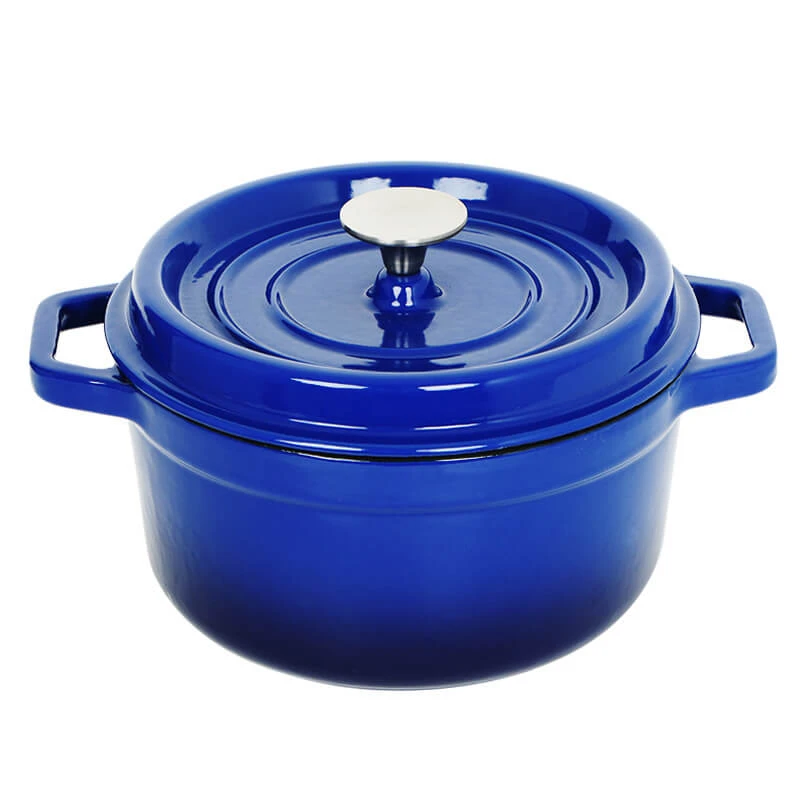
The humble round dutch oven may sound old-fashioned at first, but don’t be fooled. This classic cooking vessel holds surprising value not only in backyards and kitchens but also in global markets and humanitarian efforts. Simply put, a round dutch oven is a heavy, thick-walled pot—usually cast iron—that can handle everything from slow-cooked stews to baking bread over an open fire. Its enduring design provides even heat distribution and durability, making it an essential tool for cooks worldwide.
Understanding this cookware is more than a culinary curiosity. Across continents and industries, the round dutch oven offers solutions in scenarios as diverse as remote field kitchens, disaster relief food prep, and outdoor expeditions. The global demand for resilient, multi-functional cookware remains steady—and arguably grows—as outdoor leisure and humanitarian cooking challenges increase.
Global Context: More Than Just A Kitchen Staple
Did you know that nearly 2 billion people worldwide rely on biomass fuels for cooking (UN data, 2021)? In many developing regions, traditional stovetops are a luxury, making cookware like the round dutch oven indispensable. Its ability to work over various heat sources—from open flames to electric ovens—makes it both flexible and reliable.
Industry-wise, demand for cast-iron cookware grows about 3% annually (ISO statistics, 2023), driven by interest in sustainable, long-lasting products. Yet, challenges persist: many communities face limited access to durable cookware, leading to health and nutrition compromises. The round dutch oven addresses some of these problems by combining heat efficiency, robustness, and ease of use.
Mini takeaway:
The round dutch oven serves global needs by bridging traditional cooking with modern durability, especially in areas where reliable cookware is scarce.
Defining the Round Dutch Oven
At its core, a round dutch oven is a thick-walled, typically cast-iron pot, featuring a snug-fitting lid and rounded sides—a shape that facilitates even heat circulation. Unlike some rectangular or oval designs, the round variant handles heat distribution exceptionally well, which is why cooks prize it for baking, roasting, and slow-cooking.
Originally Dutch in concept but perfected by the American cast iron industry, this cookware has relevance beyond recipes. In humanitarian operations, for example, its ruggedness and versatility make it a reliable choice for feeding displaced populations—where heavy-duty, multi-purpose cooking gear is mandatory.
Core Components and Key Factors
Durability
The material most commonly involved is cast iron or enameled cast iron, which withstands rough handling and high heat without warping or degrading. Many chefs say a well-maintained round dutch oven could easily become a family heirloom.
Heat Distribution and Retention
Thanks to its thick walls and rounded shape, heat circulates evenly, preventing hotspots and promoting consistent cooking results—a feature especially critical in settings where temperature control is tricky.
Versatility
Beyond stovetop and oven use, a round dutch oven is home on campfires and grills. Its sealable lid traps moisture, enabling steaming and braising, which in turn maximizes flavor and nutrient retention.
Cost Efficiency
While heavier and sometimes pricier upfront, round dutch ovens remain cost-effective over years of use due to their durability and multi-functionality. This long lifespan reduces waste and replacement costs—important for cash-strapped households and organizations.
Portability
Sure, they’re bulky, but their all-in-one nature cuts down on the number of pots and pans needed on expeditions or relief missions, simplifying logistics.
Maintenance
Cast iron demands seasoning and care to avoid rust, but enameled options reduce this fuss at a slightly higher cost. The choice depends on user environment and expertise.
Mini takeaway:
These core features explain why round dutch ovens persist as a beloved cooking staple worldwide, adaptable enough for rugged outdoor use or modern kitchens.
Product Specification Table
| Specification | Typical Values |
|---|---|
| Material | Cast iron / Enameled cast iron |
| Diameter | 8–12 inches (20–30 cm) |
| Weight | 5–12 lbs (2.3–5.4 kg) |
| Oven-safe Temperature | Up to 500°F (260°C) |
| Maintenance | Seasoning or enamel coating care |
| Typical Capacity | 4–7 quarts (3.8–6.6 liters) |
Global Applications & Real-World Use
You might picture a round dutch oven simmering chili on a weekend camping trip—and that’s definitely a solid scene—but its reach is much broader. NGOs distributing food aid in regions of Sub-Saharan Africa often pack these because they’re foolproof on open fires and nearly indestructible. Similarly, in remote industrial zones like mining camps in Australia or Canada, cook teams rely on their even cooking and robust build.
Outdoor enthusiasts in Scandinavia swear by them for baking bread in snow shelters. Some innovative programs even incorporate them into community kitchens in South America, where fuel efficiency is critical.
Vendor Comparison: Popular Round Dutch Oven Brands
| Brand | Material | Price Range | Unique Feature |
|---|---|---|---|
| Lodge | Cast Iron | $40–$80 | Pre-seasoned, durable & affordable |
| Le Creuset | Enameled Cast Iron | $250–$450 | Variety of vibrant colors, stain-resistant enamel |
| Staub | Enameled Cast Iron | $200–$400 | Matte black enamel, self-basting lids |
| Camp Chef | Cast Iron | $60–$90 | Specifically designed for campfire cooking |
Advantages & Long-Term Value of Round Dutch Oven
Why do people keep coming back to this age-old pot? Apart from the obvious durability and multi-use qualities, the emotional weight shouldn’t be underestimated. Owning a round dutch oven often feels like holding a piece of kitchen heritage, inspiring trust and creativity every time you cook.
Logically, it’s a win for sustainability, too. Few kitchen tools come close to matching it in terms of repairability and lack of disposability. Caring for a dutch oven fosters a sense of intentionality—something increasingly rare in a fast-moving consumer world.
Future Trends in Dutch Oven Design and Usage
Oddly enough, the round dutch oven is no stranger to innovation. New composites combining cast iron with lighter metals aim to reduce weight without sacrificing heat retention. Plus, there's a growing trend in integrating eco-friendly manufacturing standards aligned with ISO 14001, pushing brands to reconsider materials and coatings.
Digital is also nudging its way in—a handful of startups experiment with smart lids that monitor cooking temperature and moisture, connecting wirelessly to phone apps. While this sounds fancy, the simpler, rugged models remain the staple for most users, especially in developing countries.
Challenges & Smart Solutions
Cast iron Dutch ovens do have their quirks. Rusting and the weight are two main downsides, often turning off casual users. Luckily, pre-seasoned surfaces, easier cleaning products, and enamel coatings mitigate these issues. For logistics and humanitarian uses, foldable or modular cookware systems inspired by the classic round dutch oven concept are being developed.
It’s a constant balance between tradition and progress. Encouragingly, manufacturers and NGOs work hand-in-hand to improve distribution, training, and maintenance tips in the field, increasing usage lifespan and user satisfaction.
FAQ: Your Round Dutch Oven Questions Answered
- Q: What makes a round dutch oven better than other shapes?
- A: Its rounded walls encourage optimal heat circulation and retention, making cooking more even. This is less true for rectangular designs that may have hotspots. Rounded shapes also fit better on campfires and coals.
- Q: How long does a cast iron round dutch oven typically last?
- A: With proper care (seasoning, drying), these pots can last decades—often passed through generations. Enameled versions last long too but may chip if mishandled.
- Q: Is the round dutch oven suitable for open fire cooking?
- A: Absolutely. That’s one of its core strengths. Its thick cast iron body survives direct flames and coals while distributing heat evenly.
- Q: Can I use the round dutch oven for baking bread?
- Yes! Many artisan bakers prefer it because the lid traps steam, creating an ideal crust and crumb texture for rustic bread.
- Q: How can NGOs import round dutch ovens efficiently?
- Partnering directly with manufacturers or wholesalers and consolidating shipments minimize costs. Also, requesting customizable sizes or pre-seasoning helps maximize usability and longevity in the field.
Wrap-Up: Why the Round Dutch Oven Remains Irreplaceable
From heritage kitchens to global relief missions, the round dutch oven proves its worth across lots of different roles. Its combination of durability, versatility, and cultural significance creates a tool that’s more than the sum of its parts. If you want cookware that’s dependable, sustainable, and steeped in culinary tradition, the round dutch oven is still a top pick.
Want to explore your own round dutch oven? Head over and find the perfect piece to cook memories with.
References
-
Antique Cast Iron Camp Oven: Durable Outdoor Cookware for Professionals | ZD CookwareNewsJan.06,2026
-
Durable 4 Quart Camping Pot for Professional Use | ZD CookwareNewsJan.06,2026
-
Durable Campfire Cast Iron Pot for Outdoor & Industrial UseNewsJan.06,2026
-
Cast Iron Griddle for Camp Stove – Durable Outdoor Cooking EssentialNewsJan.06,2026
-
Dutch Oven Cast Iron Camping – Durable Outdoor Cooking GearNewsJan.05,2026
-
Durable and Efficient Cast Iron Camping Griddle for B2B Professionals | ZD CookwareNewsJan.05,2026