Discover the Durability and Benefits of Cast Enamel Dutch Ovens | Global Cooking Efficiency
Understanding the Cast Enamel Dutch Oven: Why It Matters Globally
At first glance, a cast enamel dutch oven might seem like just another kitchen tool — a sturdy pot to make stews, braises, and soups. But frankly, it’s a world-class example of time-tested design meeting modern needs. Its durability, versatility, and efficiency have made it a global staple, not only in households but also in industries from humanitarian aid to outdoor cooking markets.
With global cooking fuel crises and increasing demands for durable cookware, understanding the benefits and innovations behind a cast enamel dutch oven is more relevant than ever. Let's dig in.
Global Context: How the Cast Enamel Dutch Oven Has Went Worldwide
Cookware is surprisingly central to everyday life across cultures, and the cast enamel dutch oven carries weight well beyond its heft. According to a 2022 report from the International Energy Agency, over 2.4 billion people still rely on biomass fuels for cooking — raising the stakes for efficient, long-lasting cookware.
Oddly enough, the enamel coating on their cast iron body makes these pots more efficient in heat retention and distribution, meaning less fuel is needed. In a world increasingly concerned with energy conservation and sustainability, this matters.
Furthermore, humanitarian organizations, especially in disaster-response zones, rely on cookware that can withstand rough use and diverse conditions — enter the cast enamel dutch oven.
What Exactly Is a Cast Enamel Dutch Oven?
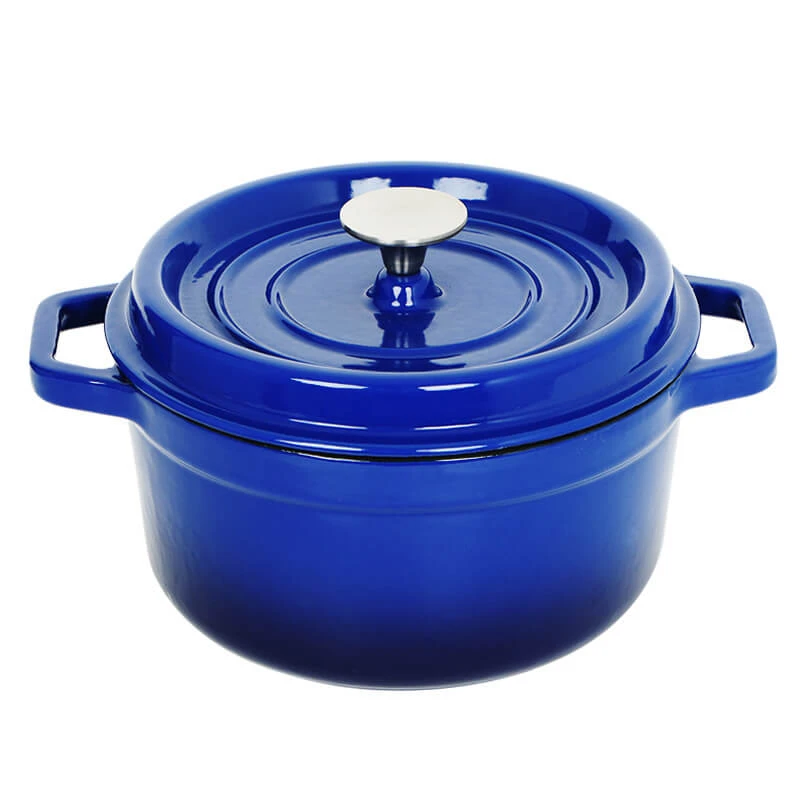
In simple terms, it's a heavy-duty cooking pot made from cast iron coated with a layer of enamel — basically, a glass-like substance fused to the iron at high temperatures. This creates a rust-resistant, easy-to-clean surface that doesn’t require seasoning like traditional cast iron.
This combo offers the best of both worlds: cast iron’s superior heat retention and enamel’s durability and ease of maintenance. The cast enamel dutch oven finds roots in centuries-old European cookware traditions but remains deeply relevant in both modern kitchens and industrial use.
Core Components and Key Features
Durability
The cast iron core provides exceptional toughness. You can drop it, pass it through extreme temperature changes, and it will still perform. The enamel protects against rust and acidic foods — less worry about corrosion, basically.
Heat Retention and Distribution
Because of the dense cast iron, these ovens heat evenly and keep warmth steady, which is perfect for slow cooking. This means food cooks thoroughly at lower heat settings, saving energy and preserving flavors.
Ease of Cleaning
Unlike raw cast iron, enamel surfaces won’t absorb oils or odors. You can wash them with soap, making cleanup much simpler — a big plus for busy kitchens or field conditions.
Versatility
The design supports stovetop and oven use, with sizes ranging from compact 2-quart to huge 7-quart pots — whatever your project, from baking bread to preparing large feasts.
Cost Efficiency
Though often pricier upfront than typical cookware, cast enamel dutch ovens pay dividends in longevity and fuel savings. They’re built to last decades when maintained properly.
Product Specification Table
| Spec | Detail |
|---|---|
| Material | Cast iron core with vitreous enamel coating |
| Sizes | 2 qt, 4 qt, 5.5 qt, 7 qt |
| Weight | 5 to 10 lbs (depending on size) |
| Oven Safe | Up to 500°F / 260°C |
| Cleaning | Hand-wash recommended, dishwasher safe in some models |
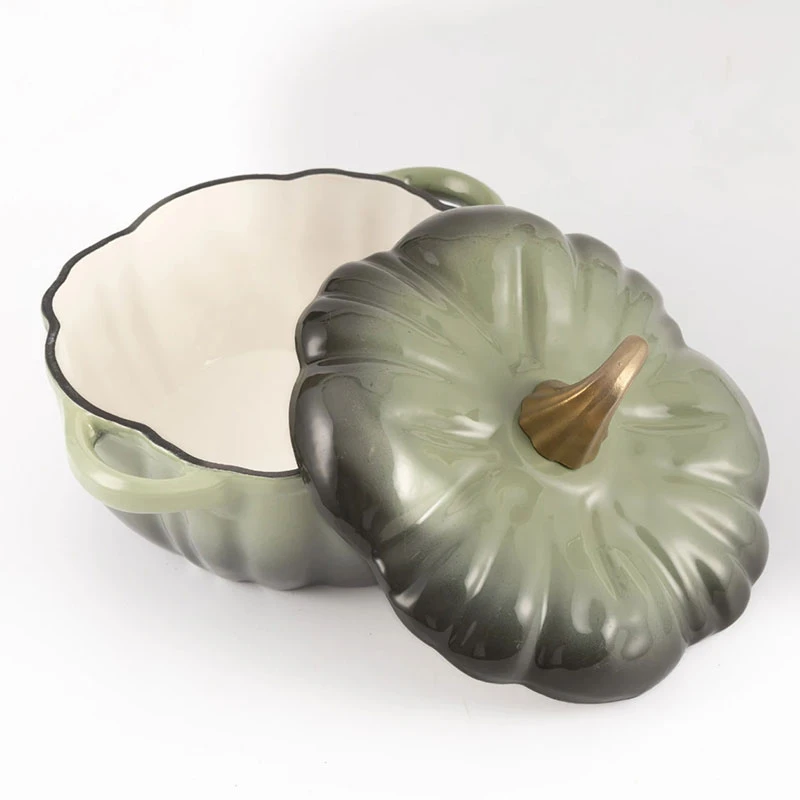
| Color Options | Multiple (reds, blues, greens, neutrals) |
Global Applications & Use Cases
The cast enamel dutch oven’s robust design makes it indispensable in many domains worldwide.
- Disaster Relief & Humanitarian Missions: Organizations like the Red Cross use these ovens in camps where energy supplies are minimal and equipment must last under rough conditions.
- Outdoor & Survival Enthusiasts: Campers and hunters appreciate the ovens’ heat retention and versatility.
- Restaurants & Culinary Studios: High-end kitchens prefer them for consistent slow cooking and superior flavor development.
- Remote Industrial Zones: In mining camps or remote construction sites, durability and ease of cleaning are critical.
- Everyday Homes Globally: Especially in Europe, North America, and increasingly Asia and Africa, these ovens have become kitchen staples.
For more on practical cookware choices, check out our page about cast enamel dutch oven.
Vendor Comparison Table
| Brand | Price Range | Warranty | Key Features |
|---|---|---|---|
| Le Creuset | $200 - $500 | Limited lifetime | Wide color range, excellent enamel quality |
| Lodge | $50 - $150 | 1-year warranty | More affordable, pre-seasoned |
| Staub | $180 - $400 | Limited lifetime | Matte enamel, self-basting lid design |
Why It Pays to Choose a Cast Enamel Dutch Oven: Advantages & Long-Term Value
The longevity and versatility — those are the headline benefits. You get a pot that takes you from stovetop to oven and back, with consistent heat retention, food that tastes deeper and more developed, and less fuss when cleaning up.
From an emotional standpoint, there’s something comforting about using cookware linked to generations of home chefs — it feels trusted, like a quiet companion in the kitchen. On the logical side, the energy savings and durability make it a smarter investment than many cheap short-lived pans.
Looking Ahead: Future Trends & Innovations
Innovation in cast enamel dutch ovens comes subtly: better enamel formulas that resist chipping, eco-friendlier manufacturing practices, and even digital temperature-sensing lids (yes, really — some brands experiment here).
Green energy and sustainability trends push companies to consider recycled materials and reduce emissions in production. The industry may also see modular cookware designs aimed at urban and tiny kitchens.
Challenges & Solutions
One obvious downside is weight — cast enamel dutch ovens are hefty, which can be awkward for some users. Some makers address this with thinner castings and ergonomic handles.
Chipping enamel is another concern, usually from sharp impacts — handled with care, this is manageable. For industrial use, vendors often offer thicker enamel or warranty coverage.
FAQ: Frequently Asked Questions About Cast Enamel Dutch Oven
- Q: How do I prevent enamel from chipping on my dutch oven?
A: Avoid sudden temperature changes and rough handling. Don’t use metal utensils that might scrape or chip the enamel. Hand-washing with non-abrasive sponges keeps the surface pristine. - Q: Is a cast enamel dutch oven worth the higher price compared to regular pots?
A: Absolutely. Their durability, heat retention, and ease of cleaning mean they last much longer and save fuel. It’s an investment that delivers better cooking outcomes and fewer replacements. - Q: Can I use my cast enamel dutch oven on induction stovetops?
A: Yes. The cast iron core works perfectly with induction technology, distributing heat evenly for great results. - Q: Are cast enamel dutch ovens safe for acidic foods like tomato sauce?
A: Yes, that’s one of their advantages over raw cast iron. The enamel resists acid corrosion and won’t alter the taste.
Conclusion + Call to Action
In sum, the cast enamel dutch oven is more than just a kitchen staple — it’s a global, sustainable tool that supports better cooking, energy savings, and durability. Whether you’re cooking at home, in a remote camp, or running a commercial kitchen, it’s a reliable companion.
Want to experience the benefits yourself? Explore our range of trusted models at cast enamel dutch oven and start cooking smarter today.
Quick takeaway: When durability meets smart design and heritage craftsmanship, the cast enamel dutch oven stands unmatched.
References
-
Antique Cast Iron Camp Oven: Durable Outdoor Cookware for Professionals | ZD CookwareNewsJan.06,2026
-
Durable 4 Quart Camping Pot for Professional Use | ZD CookwareNewsJan.06,2026
-
Durable Campfire Cast Iron Pot for Outdoor & Industrial UseNewsJan.06,2026
-
Cast Iron Griddle for Camp Stove – Durable Outdoor Cooking EssentialNewsJan.06,2026
-
Dutch Oven Cast Iron Camping – Durable Outdoor Cooking GearNewsJan.05,2026
-
Durable and Efficient Cast Iron Camping Griddle for B2B Professionals | ZD CookwareNewsJan.05,2026