Cast Iron French Oven: Timeless Cookware for Sustainable and Flavorful Cooking
Why the Cast Iron French Oven Still Matters Worldwide
If you’ve ever walked into a classic kitchen or a professional culinary studio, you might have spotted a heavy, robust pot with a tight-fitting lid — that’s the iconic cast iron french oven. But these cookware pieces are much more than just kitchen showpieces. Globally, the cast iron french oven merges tradition with high performance, proving indispensable in many homes, restaurants, and even some industrial applications. They’re prized not only for their heat retention and versatility but also for their potential to support sustainable cooking practices, especially in regions where fuel efficiency matters deeply.
Understanding this humble, hefty pot’s design and advantages gives us a neat lens into centuries of culinary evolution alongside the ongoing global push for sustainable tools in everyday life.
The Global Relevance of the Cast Iron French Oven
According to the Food and Agriculture Organization of the UN, cooking efficiency directly influences resource consumption and environmental impact. In many parts of the world, traditional cooking methods waste a surprising amount of fuel — a problem a cast iron french oven can help alleviate by distributing heat evenly and maintaining temperature well.
Meanwhile, the global cookware market is projected to grow steadily, as the rise of home cooking and culinary tourism makes reliable, long-lasting cookware a staple worldwide. What’s intriguing is how the cast iron french oven still holds a firm place even as modern nonstick and stainless steel options flood the market — probably because it addresses concerns beyond just food preparation: durability, sustainability, and taste quality.
But the challenge remains — how do we optimize traditional cookware like this for energy efficiency and usability across diverse global contexts?
What Is a Cast Iron French Oven, Anyway?
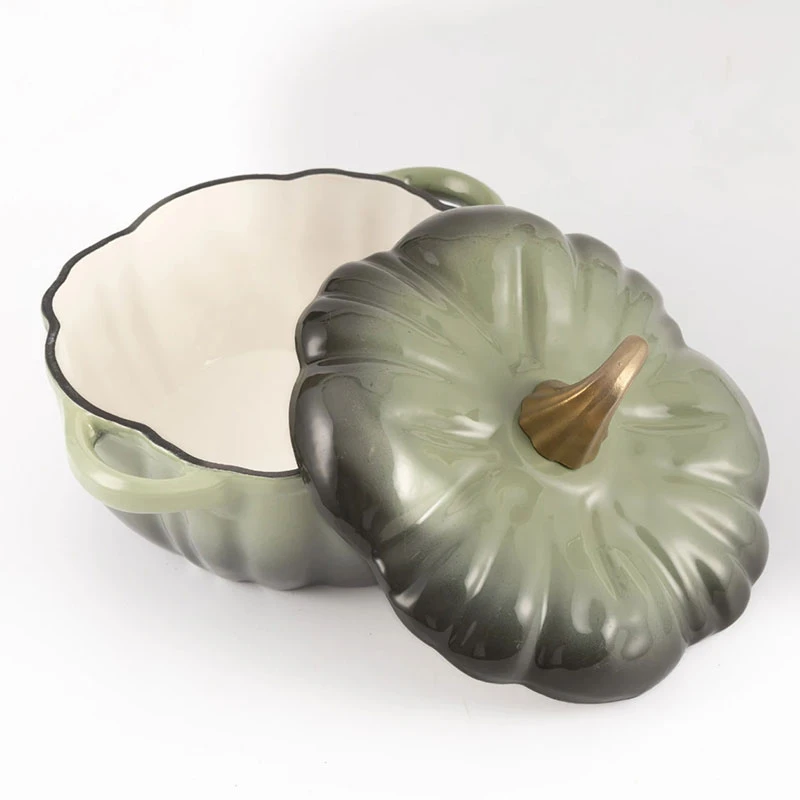
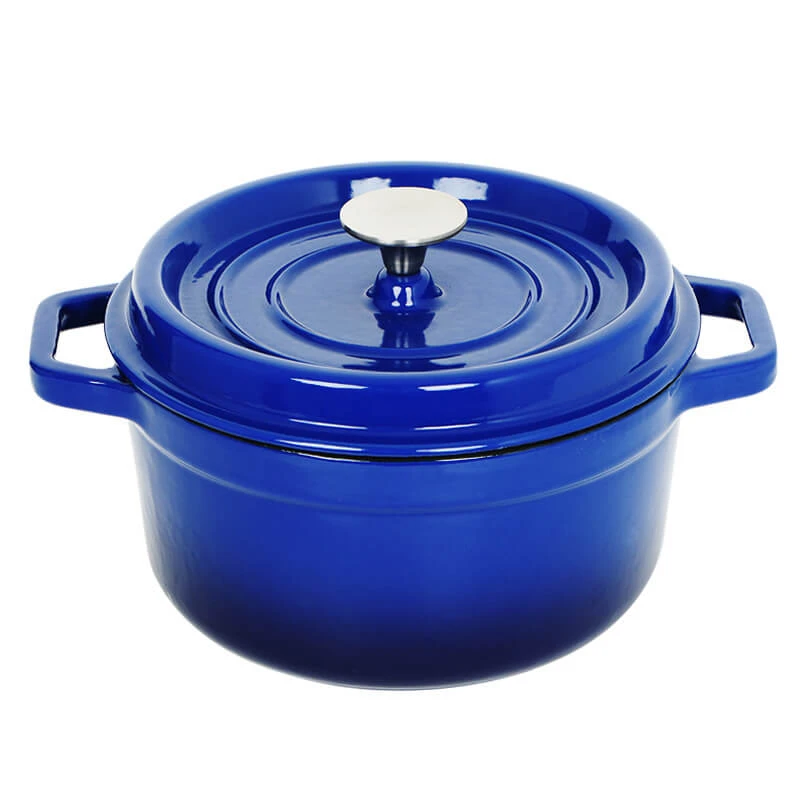
Simply put, a cast iron french oven is a heavy pot made from cast iron, often enameled, with thick walls and a tightly sealed lid. The term “french oven” can sometimes overlap with “dutch oven,” but traditionally, french ovens are enamel-coated, meaning they’re rust-resistant and easier to clean.
These pots are designed to conduct and hold heat steadily over extended periods, perfect for slow-cooking stews, braising, roasting, and even baking. In the modern world, they straddle the line between professional-grade kitchen equipment and sustainable cookware solutions that bridge the gap between industrial efficiency and everyday use, often touted in humanitarian contexts to improve fuel use.
Mini Takeaway:
Cast iron french ovens are more than heavy pots — they’re culinary workhorses with an unexpected global role in sustainability and cooking efficiency.
Core Characteristics That Make These Ovens Unique
Durability and Longevity
Cast iron french ovens are often heirloom pieces because of their impressive lifespan. Many users report their pots lasting several decades, which offsets the upfront cost.
Heat Retention and Distribution
The thick walls and tight lids keep heat steady and evenly spread which means less fuel is needed and food cooks more evenly — big wins especially when cooking over open fires or low-energy sources.
Versatility in Cooking
Baking bread, braising meats, simmering soups — these ovens can do it all, adapting well to stovetop or oven use, and even campfires.
Sustainability and Low Environmental Impact
The iron core is recyclable, while cooking efficiency means reduced fuel consumption — a reason it’s gaining interest in eco-conscious kitchens and humanitarian aid efforts alike.
Cost-Effectiveness Over Time
Even though the initial price might be a little steeper compared to other cookware, the long-term value simply can’t be beat.
Mini Takeaway:
Durability, heat efficiency, and versatility? That’s the solid trifecta making cast iron french ovens surprisingly relevant today.
Real-World Use: Global Cases for Cast Iron French Ovens
In rural communities across West Africa, humanitarian groups have distributed cast iron french ovens to reduce charcoal consumption during cooking, a small step toward combating deforestation and indoor air pollution.
Meanwhile, artisan chefs in France and North America hold these pots in high regard for their ability to develop deep flavors and stable cooking environments. You might find them in culinary schools or cozy farm-to-table restaurants promoting slow food culture.
Industrial kitchens in Asia and Europe depend on the enameled cast iron versions for reliability and ease of cleaning under intensive daily use.
Mini Takeaway:
Whether in NGO field kitchens or your local bistro, the cast iron french oven plays multiple roles — from sustainability to sophistication.
Classic Advantages & Why They Last
- Cost savings: Less fuel means long-term cash saved and fewer refills.
- Environmental friendliness: Limited waste and better fuel use reduce carbon footprints.
- Reliability: Works on multiple heat sources and remains functional even without fancy features.
- Emotional value: The warmth and tradition associated with heavy cast iron cooking — it’s family heritage.
- Trust in materials: Unlike chemically coated pans, cast iron brings a one-material simplicity that many love.
The Future: Trends and Innovations for the Cast Iron French Oven
Oddly enough, as technology trends towards digitization and smart devices, the cast iron french oven remains stubbornly analog — but that’s changing.
Some manufacturers are exploring integrating temperature sensors embedded in lids or handles to give real-time cooking feedback via smartphone apps. On the material front, innovations in enamel coatings promise tougher, more scratch-resistant finishes that keep the vintage look but add modern durability.
Moreover, the green energy movement is encouraging the adoption of these ovens where solar and biomass cookers pair well with cast iron’s steady heat retention. Imagine sustainable energy sources combined with veteran cookware that needs barely any fuel to maintain simmering temperatures.
Challenges & Practical Solutions
The real downside? These pots are heavy — often more than 5 kilograms. For elderly or mobility-challenged users, that’s a significant barrier. Plus, enameled surfaces, while more convenient, can chip if handled roughly.
Manufacturers are tackling the weight issue by experimenting with lighter alloys or thinner castings while keeping heat retention high. Protective packaging and education on handling help reduce chipping risks.
Plus, there’s the upfront price which can be a hurdle in low-income settings. NGO partnerships and micro-finance options for kitchen essentials show promise here.
Frequently Asked Questions About Cast Iron French Oven
Q: How do I properly season a traditional cast iron french oven?
A: Seasoning creates a natural, non-stick surface by baking oil into the iron’s pores. For traditional cast iron (not enameled), clean and dry the pot, apply a thin layer of vegetable oil all over, and bake upside down in the oven at 350°F (175°C) for an hour. Repeat this process a few times for best results. Note: Enameled ovens don’t require seasoning.
Q: Are cast iron french ovens safe for induction cooktops?
A: Yes, they’re compatible with induction thanks to cast iron’s ferromagnetic nature. Their thick base also helps provide steady heat distribution, which induction users appreciate.
Q: Can a cast iron french oven be used outdoors during camping?
A: Absolutely, many campers and survival experts swear by them. Their robust construction withstands open flames and temperature swings, perfect for slow cooking stews or baking bread over campfires.
Q: How does cooking with a cast iron french oven reduce fuel consumption?
A: Thanks to its ability to evenly absorb and retain heat, it maintains cooking temperatures longer even with low or intermittent heat input. This means less frequent fuel additions — great for sustainability.
Comparing Popular Cast Iron French Ovens
| Brand | Material | Weight (kg) | Oven Safe Temp | Price Range |
|---|---|---|---|---|
| Lodge | Pre-seasoned Cast Iron | 4.7 | 500°F (260°C) | $50–$90 |
| Le Creuset | Enameled Cast Iron | 5.4 | 500°F (260°C) | $300-$500+ |
| Staub | Enameled Cast Iron | 5.2 | 570°F (300°C) | $250-$400 |
Product Specifications Snapshot for a Typical Cast Iron French Oven
| Specification | Details |
|---|---|
| Material | Cast Iron / Enameled Cast Iron |
| Weight | 4.5-6 kg (varies by size) |
| Capacity | 2-7 quarts |
| Heat Source Compatibility | Gas, electric, induction, oven, campfire |
| Maximum Oven Temperature | 500-570°F (260-300°C) |
| Maintenance | Seasoning required (only for bare cast iron); hand wash recommended |
Putting It All Together
It seems clear: the cast iron french oven isn’t just a relic of the past, but a bridge to more sustainable, effective, and pleasurable cooking worldwide. Whether for reducing fuel use in remote areas or providing a trusted piece of kitchen tradition to home chefs, this cookware continues to hold undeniable value.
So if you’re serious about slow cooking or considering durable cookware that lasts a lifetime, a cast iron french oven deserves a spot on your stove.
References
-
Antique Cast Iron Camp Oven: Durable Outdoor Cookware for Professionals | ZD CookwareNewsJan.06,2026
-
Durable 4 Quart Camping Pot for Professional Use | ZD CookwareNewsJan.06,2026
-
Durable Campfire Cast Iron Pot for Outdoor & Industrial UseNewsJan.06,2026
-
Cast Iron Griddle for Camp Stove – Durable Outdoor Cooking EssentialNewsJan.06,2026
-
Dutch Oven Cast Iron Camping – Durable Outdoor Cooking GearNewsJan.05,2026
-
Durable and Efficient Cast Iron Camping Griddle for B2B Professionals | ZD CookwareNewsJan.05,2026