Nov . 29, 2025 18:05
Back to list
Cast Iron Dutch Pot: Timeless Cookware for Sustainable Cooking & Heritage
What Exactly Is a Cast Iron Dutch Pot and Why It Matters Worldwide
Let’s start with something surprisingly simple but also essential: the cast iron dutch pot. To many, it’s just a hefty, cast iron cooking pot — but it’s so much more. Globally, these pots have a fascinating story that links traditional cooking methods with sustainability, durability, and even cultural heritage. Understanding what a cast iron dutch pot is and why it remains relevant today offers insights not just for home cooks but for industries pushing toward greener and longer-lasting cookware. Countries across the globe value these pots because they conserve fuel, cook food evenly — aiding nutrition — and last generations if cared for properly. According to data from the United Nations Food and Agriculture Organization (FAO), cooking efficiency plays a role in reducing rural fuelwood consumption, so tools like these pots actually have an environmental impact. Oddly enough, a humble pot ties into global sustainability in subtle but real ways.
Mini takeaway: Cast iron dutch pots might seem old-school, but their global significance stretches from energy conservation to cultural preservation.
The Global Context: Why Cast Iron Dutch Pots Still Make Sense in Today's World
Worldwide, millions rely on reliable cookware. Whether it’s in bustling city kitchens or small villages tucked away from urban luxuries, cooking vessels like the cast iron dutch pot fill a vital role. According to the International Organization for Standardization (ISO), materials like cast iron score high on durability and recyclability, which is why industries still lean on it for heavy-duty cookware. But here’s the rub — while modern cookware options bombard the market, many are disposable or laden with coatings that degrade over time. In contrast, the cast iron dutch pot offers longevity far beyond a single season. This is especially crucial for humanitarian agencies in disaster-hit regions. Reliable cookware can mean the difference between nutritious meals and compromised health. Yet, even with these advantages, the challenge is awareness and access in some remote zones — let alone educating users about proper seasoning to reap full benefits. So in real terms, while it’s a brilliant solution, getting it into the hands of those who need it most is still a work in progress.To sum up:
- Cast iron’s recyclability aligns with environmental goals.
- Durability counters the throwaway culture of modern cookware.
- Economic and humanitarian angles highlight its broader value.
Defining a Cast Iron Dutch Pot: What Are We Talking About?
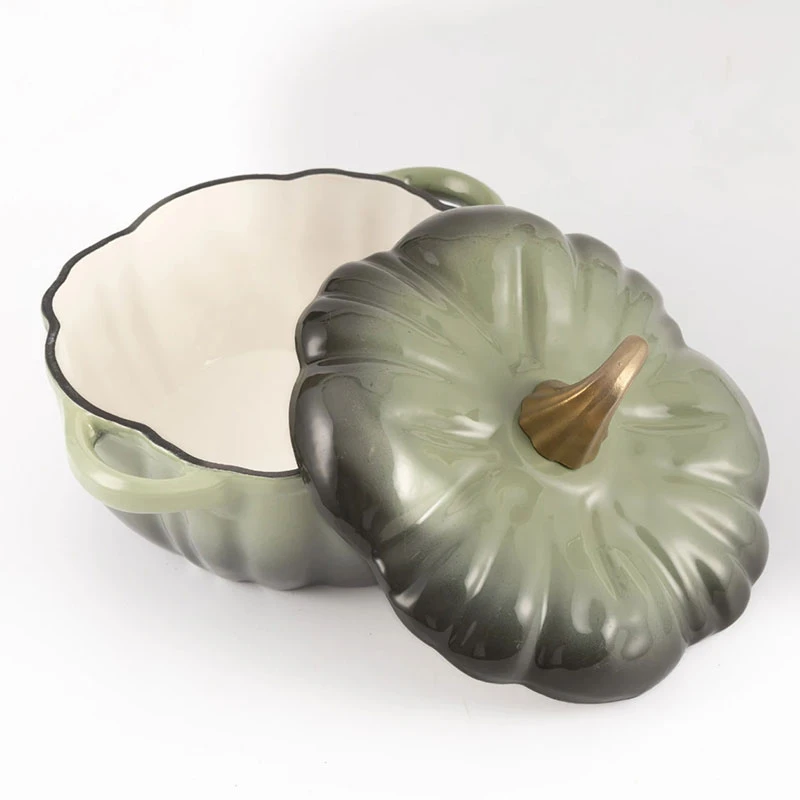
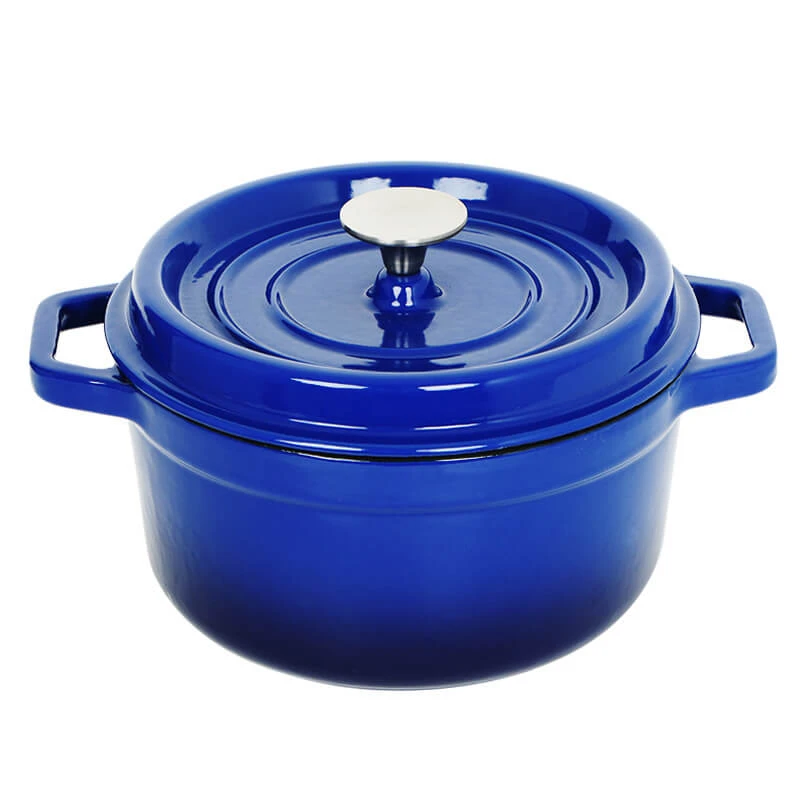
Simply put, a cast iron dutch pot is a thick-walled cooking pot made from cast iron, often featuring a tight-fitting lid and sometimes legs for direct use over coals or stovetops. Traditionally, it’s prized for excellent heat retention and distribution, which is why stews, braises, and slow-cooked dishes taste just right. This pot’s design harkens back centuries but still fits snugly into modern kitchens and field kitchens alike. Bonus: it’s often enameled, making it easier to maintain and less prone to rust. The pot’s utilitarian nature means it also supports cooking projects worldwide — from bustling cafes to disaster relief camps, where consistent, reliable cookware is hard to come by.Key Qualities Behind the Cast Iron Dutch Pot’s Endurance
1. Durability
Durability is genuinely the pot’s standout feature. Cast iron withstands rough handling, high heat, and heavy use. Some folks inherit theirs, using pots that are decades old. That’s impressive by any standard.2. Heat Retention & Distribution
Many engineers say cast iron’s heat retention surpasses most materials used in cookware. The whole pot heats evenly, so cooks avoid hot spots — critical for recipes needing gentle simmering.3. Versatility
You can use a dutch pot on a stovetop, oven, or even direct flame. Its design finesses multiple cooking methods, making it indispensable for chefs and campers alike.4. Sustainability
Cast iron is recyclable and long-lasting, reducing demand for replacements. In a world grappling with waste, the pot’s longevity is a silent green champion.5. Cost Efficiency
Though initial costs are higher than some alternatives, its durability means fewer replacements and less long-term expense. For households or relief organizations, that’s a big deal.
Mini takeaway: The cast iron dutch pot is more than a pot — it’s a durable, versatile, and sustainably smart tool for many kitchens worldwide.
Product Specifications of a Typical Cast Iron Dutch Pot
| Specification | Details |
|---|---|
| Material | Cast iron, often enamel-coated |
| Capacity | 2 to 8 quarts (varies by model) |
| Weight | 5–12 lbs (depending on size) |
| Heat Source Compatibility | Gas, electric, induction, oven, charcoal fire |
| Lid Type | Tight-fitting, often reversible for braising |
| Finish | Enameled or traditional seasoned cast iron |
Who’s Behind the Best Cast Iron Dutch Pots? Vendor Comparisons
| Vendor | Price Range | Durability Rating | Popular Features | Typical Users |
|---|---|---|---|---|
| Brand A | $80–$200 | Excellent | Enameled finish, multiple colors | Home cooks, chefs |
| Brand B | $40–$120 | Good | Seasoned cast iron, classic style | Campers, traditionalists |
| Brand C | $100–$250 | Excellent | High-end cookware, artisan finish | Professional chefs, enthusiasts |
Real-World Use Cases: How Cast Iron Dutch Pots Are Changing Kitchens Everywhere
In rural Africa, many households rely on cast iron pots to cook staple foods efficiently over wood fires, cutting down fuel use and smoke exposure. In Europe and North America, the pots have experienced a renaissance thanks to culinary shows and chefs emphasizing slow-cooked comfort foods. Relief agencies like the Red Cross have even leveraged these sturdy vessels in emergency camps because they withstand years of rugged use. An example? In Haiti after the devastating 2010 earthquake, NGOs distributed cast iron pots to help displaced families cook adequate meals over open fires. The robustness and heat retention made a tough situation just a little bit easier. Similarly, outdoor enthusiasts across Australia swear by these pots for campfire cooking adventures — versatility wrapped in tradition.Advantages and Why They’re Worth Investing In
On the surface, a cast iron dutch pot is just kitchenware, sure. But get beneath that, and the value stacks up:- Longevity: Many users report never replacing their pots for 20+ years.
- Flavor enhancement: The slow, even cooking really unlocks flavors, increasing food enjoyment.
- Eco-friendly: Minimal need to replace means less waste and less environmental impact.
- Cultural connection: Using traditional cookware can foster a sense of identity and culinary heritage.
- Emotional part: Owning one often feels like holding a family heirloom.
Looking Ahead: Innovations and Trends in Cast Iron Cookware
While the cast iron dutch pot itself hasn’t radically changed design-wise, there are interesting updates on the horizon. More brands are adopting non-toxic, durable enamel coatings that resist chipping. Meanwhile, digital temperature sensors are being integrated into some cookware lines for precise cooking control (though rarely with dutch pots — yet!). Green manufacturing processes are gaining traction, aiming to reduce carbon emissions during casting. Some companies experiment with recycled iron sources, too. The future of these pots feels like a blend of old-school craft with smart materials science — kind of a perfect convergence.Common Challenges (and What Can Be Done)
Of course, cast iron dutch pots come with quirks. They’re heavy, require seasoning, and need proper care to avoid rust. Many beginners find the maintenance intimidating. Plus, the initial cost can feel steep. Here’s the thing: education helps — simple instructions on seasoning and cleaning go a long way. Also, enamel coatings reduce upkeep. Innovations in manufacturing can bring lighter forms without compromising heat retention. Some brands now offer lifetime warranties, showing confidence in their product and easing buyers’ minds.Frequently Asked Questions on Cast Iron Dutch Pots
Q1: How should I season my cast iron dutch pot?A: Seasoning involves applying a thin coat of cooking oil to the pot and heating it to create a non-stick, rust-proof layer. It’s best done in an oven at around 400°F (200°C) for an hour, then cooled naturally. Repeat as needed to maintain the surface.
Q2: Can I use a cast iron dutch pot on an induction stove?
A: Absolutely. Cast iron is magnetic and works well on induction cooktops as long as the pot’s base is flat enough for good contact.
Q3: Are enamel-coated dutch pots better than traditional ones?
A: It depends. Enameled pots require less maintenance and don’t need seasoning, but they may chip if dropped. Traditional ones develop a natural seasoning and can handle high heat but need more care.
Q4: How long can I expect my cast iron dutch pot to last?
A: With careful use and seasoning, many last decades — sometimes passing down three or four generations.
Q5: Can these pots be recycled at the end of their life?
A: Yes. Cast iron is fully recyclable, and many recycling centers accept cookware, ensuring the material gets repurposed.
Conclusion: Why Owning a Cast Iron Dutch Pot Is a Long-Term Win
To wrap things up, the cast iron dutch pot endures not just because of its cooking abilities, but because it marries tradition with sustainability and practicality. It’s a tool that respects history yet fits today’s eco-conscious mindset, durable enough to feed families for years — even generations. If you’re looking to invest in cookware that’s more than just another appliance, a cast iron dutch pot is worth serious consideration. For quality picks and more info, visit our cast iron dutch pot page.Latest news
-
Antique Cast Iron Camp Oven: Durable Outdoor Cookware for Professionals | ZD CookwareNewsJan.06,2026
-
Durable 4 Quart Camping Pot for Professional Use | ZD CookwareNewsJan.06,2026
-
Durable Campfire Cast Iron Pot for Outdoor & Industrial UseNewsJan.06,2026
-
Cast Iron Griddle for Camp Stove – Durable Outdoor Cooking EssentialNewsJan.06,2026
-
Dutch Oven Cast Iron Camping – Durable Outdoor Cooking GearNewsJan.05,2026
-
Durable and Efficient Cast Iron Camping Griddle for B2B Professionals | ZD CookwareNewsJan.05,2026