Dutch Oven BBQ: Timeless Outdoor Cooking Tools – Ultimate Guide & Trends
Unlocking the Charm of Dutch Oven BBQ: What It Is and Why It Matters
If you've ever been captivated by outdoor cooking, or wondered how a simple, time-tested kitchen tool has stayed relevant for centuries, then a dutch oven BBQ might just be the highlight you need. This isn’t just any old pot thrown on a fire; it’s a versatile, durable, and efficient piece of cookware that’s played a surprisingly global role — from campfire feasts to humanitarian relief kitchens. Understanding dutch oven BBQ gives us a glimpse into how tradition marries innovation for food that’s soulful and practical.
Oddly enough, in an era dominated by grills and high-tech smokers, the dutch oven remains a celebrated staple. And there are good reasons why this humble pot still commands respect worldwide.
The Global Appeal: Why Dutch Oven BBQ Matters in Today’s Cooking Culture
Around the globe, outdoor cooking is not just a pastime but an expression of culture, survival, and community. According to UNESCO, communal cooking traditions continue to shape societies and strengthen social bonds. Yet, there’s often a practical challenge in many regions: access to reliable cooking tools that can perform over varied heat sources like charcoal, wood, or gas.
This is where the dutch oven BBQ steps in. Unlike many modern grills which rely on electricity or specialized parts, dutch ovens are rugged cast-iron marvels that can handle harsh outdoor conditions. An industry report from the World Bank notes that affordable cooking solutions can reduce fuel use and improve food access—right in line with what dutch ovens offer.
Yet there’s a twist: while many know the term, few truly grasp how this cooking method has evolved for modern needs — more on that soon.
So, What Exactly Is a Dutch Oven BBQ?
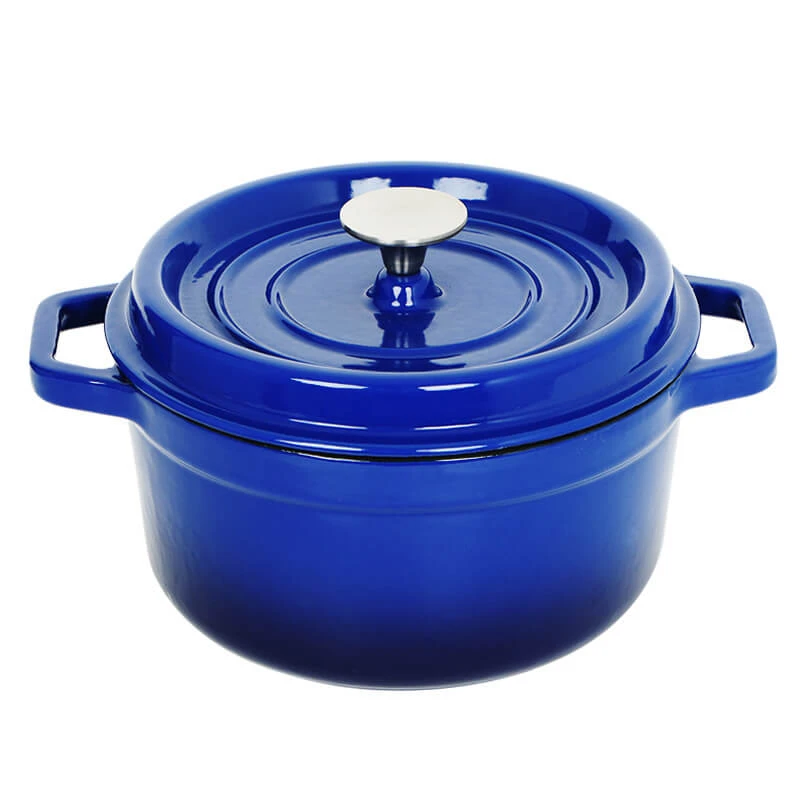
Simply put, a dutch oven BBQ is a large, thick-walled cast iron pot with a tight-fitting lid that's designed for slow-cooking over coals. Its design allows for even heat distribution and moisture retention — the secret behind that tender stew or crusty bread you just can’t resist.
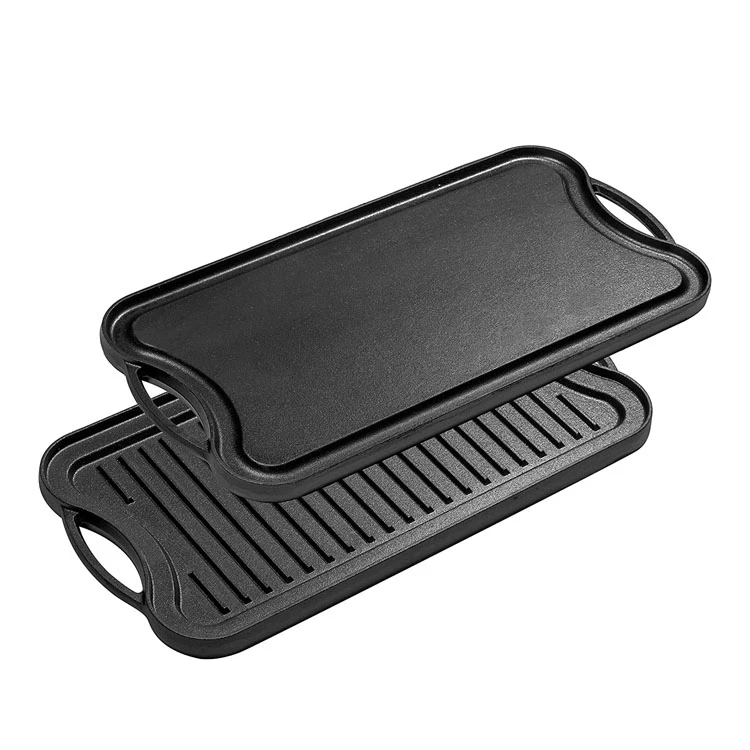
But it’s more than a pot; it’s a cooking system. In many camping or outdoor settings, the lid doubles as a griddle or skillet over the fire, while the pot holds the main magic below. This dual feature makes dutch ovens a versatile tool for everything from searing steaks to simmering chili.
In modern industry and humanitarian efforts, the dutch oven's durability and simplicity make it invaluable. In refugee camps or remote zones, these ovens provide a reliable way to prepare nutritious meals efficiently, without dependency on high-tech or fragile equipment.
Key Features That Make Dutch Oven BBQ a Timeless Favorite
1. Durability
Cast iron is famously resilient. A good dutch oven, properly cared for, lasts decades—even generations. Unlike aluminum or steel, it resists warping, cracking, or rust when seasoned correctly.
2. Heat Retention and Distribution
The thick walls and heavy lid ensure heat spreads evenly—not just on the bottom but all around. This makes it possible to cook food uniformly, with gentle convection magic that even chefs admire.
3. Versatility
Have you ever cooked bread, stew, and fried vegetables all using the same pot at the campsite? This flexibility is a major draw, one that a dutch oven BBQ delivers effortlessly.
4. Portability
Despite being hefty, these ovens are surprisingly portable compared to bulky grills. Their rugged design lets you tote them through rough terrain, ready for fireside gatherings or outdoor feasts.
5. Cost-Effectiveness
Investing in a dutch oven is a long-term value play. You don’t replace parts every season. Plus, it cuts down on fuel consumption because of how well it traps heat.
6. Eco-Friendly Aspect
Using sustainable fuels like lump charcoal or locally sourced wood with a dutch oven BBQ means fewer emissions compared to gas grills or electric appliances — a nod toward greener grilling.
Mini Takeaway: The mix of toughness, efficiency, and flexibility keeps the dutch oven BBQ at the forefront of outdoor cooking, from rustic campsites to organized community kitchens.
Worldwide Applications: Where and How Is Dutch Oven BBQ Used?
The charm of dutch oven BBQ transcends borders. In the United States, it’s a favorite for outdoor enthusiasts and competitive cooks. In Australia and South Africa, it’s a traditional method for preparing hearty meals amidst rugged landscapes.
Humanitarian groups often supply dutch ovens during disaster relief operations—because they’re easy to ship, don’t require complicated setups, and can operate on various heat sources. For example, after the 2010 Haiti earthquake, organizations reported that dutch ovens helped provide hot meals when electric cooking was impossible.
Remote mining camps or forestry operations rely on these pots for reliable, crowd-pleasing meals that fuel tough workdays.
Product Specification for a Popular Dutch Oven BBQ Model
| Feature | Specification |
|---|---|
| Material | Cast Iron, Pre-seasoned |
| Diameter | 12 inches (30.5 cm) |
| Depth | 5 inches (12.7 cm) |
| Weight | 10 lbs (4.5 kg) |
| Lid type | Flat lid for holding coals |
| Heat source compatibility | Charcoal, Wood fire, Gas stove |
| Accessories | Lid lifter, Carrying handle |
Vendor Comparison: Choosing the Right Dutch Oven BBQ for Your Needs
| Vendor | Material Quality | Price Range | Warranty | Unique Feature |
|---|---|---|---|---|
| CampChef | Premium cast iron, fully pre-seasoned | $75–$110 | Limited lifetime | Removable legs for stove use |
| Lodge | Cast iron, classic design | $50–$90 | Limited lifetime | Wide size range & US-made |
| De Buyer | Enamel-coated cast iron | $120–$180 | 5 years | Elegant enamel surface for indoor/outdoor |
Why Investing in Dutch Oven BBQ Brings Long-Term Rewards
What really sells the dutch oven BBQ isn’t just nostalgia — it’s the practical dividends it pays back. For starters, the price spreads thin over many years of meals, celebrations, and even emergencies. It’s cost-effective in a real sense, not just on paper.
Then there’s the sustainability angle — cast iron is recyclable and fuels aren’t wasted due to superior heat retention. Socially, sharing meals cooked in a dutch oven often strengthens community spirit, whether at home or in the field.
Plus, the safety and reliability feel reassuring. In tricky environments — think camping in windy conditions or feeding dozens post-disaster — a dutch oven can provide consistency when other appliances fail.
Up and Coming Trends in Dutch Oven BBQ Technology
For a cookware style so old, its future surprises many. Manufacturers are integrating lightweight alloys with traditional cast iron to balance durability and weight. Smart thermometers synced via apps help backyard chefs nail perfect cooking every time.
The push toward greener fuels is influencing design tweaks, too — more vented lids and heat shields to optimize charcoal use. And for the humanitarian sphere, collapsible and stackable dutch ovens are in development to reduce shipping costs and facilitate rapid deployment.
Facing the Flames: Challenges and Clever Solutions
Let’s be real: dutch ovens are heavy and demand some upkeep — seasoning is a ritual many shy away from. They can be tricky for novices who fear sticking or rust. But experts suggest simple hacks — like using linen cloth for seasoning and cleaning without soap — that drastically extend lifespan.
Temperature control is another hurdle, especially outdoors. Many users now employ digital heat probes and portable windbreakers to even things out. It's a bit of a learning curve, but honestly, worth the effort.
FAQ: Common Questions About Dutch Oven BBQ
- What fuels can I use with a dutch oven BBQ?
- Charcoal and wood are the go-to fuels. Some models work just fine over gas stoves or propane burners, as long as heat distribution is even. Avoid direct flame contact to prevent scorching.
- How do I prevent rusting on my dutch oven?
- Keep it well-seasoned with oil, avoid soap when cleaning, and dry thoroughly after use. Storing with a light oil coat inhibits moisture buildup. It’s almost like a spa routine your pot enjoys.
- Can I bake bread in a dutch oven BBQ?
- Absolutely! The thick walls and lid trap moisture perfectly, creating the ideal environment for crusty artisan bread. Many bakers swear by dutch oven baking outdoors for that flawless crust.
- Is a dutch oven suitable for beginner outdoor cooks?
- Yes, but expect a learning period. Start with simple recipes, practice temperature control with coals placement, and you’ll master it sooner than you think.
Conclusion: The Essential Role of Dutch Oven BBQ in Cooking Traditions and Innovation
The dutch oven BBQ has a way of enduring — its practical design combined with adaptability and cultural resonance keeps it at the crossroads of tradition and modern outdoor cooking trends. Whether you’re a seasoned pitmaster, an eco-conscious adventurer, or involved in global humanitarian efforts, this cookware is a trustworthy companion.
So, next time you consider an upgrade for your outdoor setup, remember the many ways a dutch oven can enrich your culinary adventures—simply, sustainably, and with plenty of soul.
Ready to take your outdoor cooking to the next level? Visit our website for expert tips and top-quality dutch oven BBQs: zdcookware.com.
Mini Takeaway: Classic cookware, modern usefulness — the dutch oven BBQ remains a timeless treasure in the realm of outdoor culinary arts.
References
-
Antique Cast Iron Camp Oven: Durable Outdoor Cookware for Professionals | ZD CookwareNewsJan.06,2026
-
Durable 4 Quart Camping Pot for Professional Use | ZD CookwareNewsJan.06,2026
-
Durable Campfire Cast Iron Pot for Outdoor & Industrial UseNewsJan.06,2026
-
Cast Iron Griddle for Camp Stove – Durable Outdoor Cooking EssentialNewsJan.06,2026
-
Dutch Oven Cast Iron Camping – Durable Outdoor Cooking GearNewsJan.05,2026
-
Durable and Efficient Cast Iron Camping Griddle for B2B Professionals | ZD CookwareNewsJan.05,2026