Nov . 28, 2025 21:05
Back to list
Big Dutch Oven – The Ultimate Guide to Classic Cookware & Global Impact
What Exactly Is a Big Dutch Oven — and Why Do They Matter Worldwide?
If you’ve ever watched a cozy cooking video or visited a serious kitchen, you might’ve come across the term big dutch oven tossed around. But it’s more than just a giant pot. Globally, these sturdy, reliable cookware pieces speak to a tradition of slow-cooked, flavorsome meals that bring people together, whether in bustling cities or quiet countryside homes. Why does it matter on a global scale? Well, the big dutch oven is a cornerstone in both home kitchens and professional setups. Its robust design and ability to hold and distribute heat evenly save time, cut down on energy consumption, and provide unmatched consistency—something that resonates especially in regions where cooking resources might be limited or energy costs high. Understanding their value helps us appreciate the role of traditional cookware evolving through modern materials and manufacturing techniques. ---The Global Context Behind the Big Dutch Oven
Cookware trends might sound like a niche subject, but don’t underestimate their global weight. According to the Food and Agriculture Organization of the United Nations (FAO), nearly 30% of household energy worldwide is spent on cooking. A reliable and energy-efficient cooking vessel like the big dutch oven has the potential to cut down those figures — in both developed and developing countries alike. At the same time, food culture itself is a kind of global unifier. Slow-cooked dishes in massive dutch ovens connect generations and cultures through aroma and taste. Plus, with a rise in outdoor cooking (hello, camping and backyard chefs), the versatility of these ovens has only increased. Yet challenges remain: how do you make one that’s lightweight enough to carry, economical to produce, yet extremely durable? And how does the modern big dutch oven solve these problems? We’ll get there. ---Defining the Big Dutch Oven: A Classic Meets Modern Needs
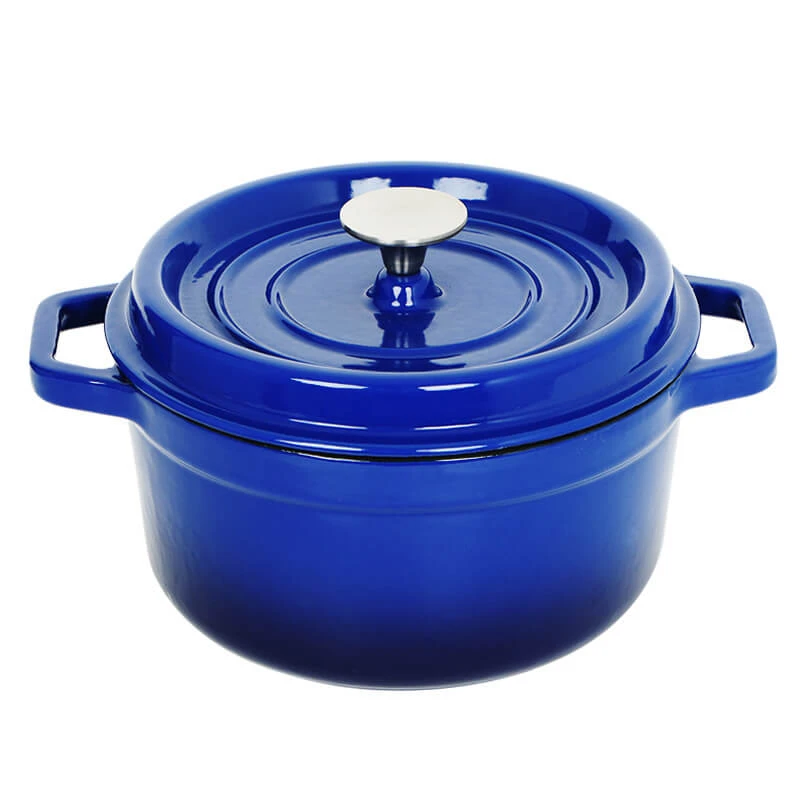
So, what exactly is a big dutch oven? At heart, it’s a heavy, thick-walled pot, usually made from cast iron or enameled cast iron. This allows it to retain and distribute heat evenly — unlike thinner metal pans that cause hot spots. Size-wise, “big” implies a capacity typically over 5 quarts (4.7 liters), often pushing towards 7 to 9 quarts or more, perfect for meals serving families or gatherings. Beyond simple meal prep, these pots have roots in humanitarian and industrial applications — sometimes operating over open fires or in remote kitchens where reliability is key. Their even heating and energy-efficient traits make them a tool in refugee camps, disaster relief kitchens, and community centers around the globe, addressing food security challenges. So it’s fair to say the big dutch oven isn’t just cookware; it’s a practical solution with global humanitarian implications. ---Key Components of a Big Dutch Oven
Durability
A hallmark of the big dutch oven is its legendary endurance. Cast iron, the classic material, can last decades—often passed down as heirlooms. Enameled versions add protection against rust and make cleaning easier, though the enamel can chip over time.Heat Retention & Distribution
The thick walls radiate heat slowly and evenly, preventing burning or undercooking. This means dishes like stews, braises, and roasts develop rich deep flavors through slow, balanced heat.Versatility
Use it on stovetops, ovens, open campfires, or modern induction cookers. Many models even support outdoor cooking setups. Plus, a well-sealed lid traps moisture perfectly, reducing the need for extra liquids or fats.Scalability & Size Options
Big dutch ovens are about feeding bigger crowds or batch cooking efficiently. For commercial kitchens or family cooks, this scale beats multiple small pots.Maintenance & Care
Traditional cast iron requires seasoning and careful drying to avoid rust. Newer enamel coatings reduce this fuss, though some cooks swear by the patina that seasonings develop. ---Where Do Big Dutch Ovens Shine Globally?
Across continents and sectors, the big dutch oven finds its niche:- Households: Whether it’s a Sunday family roast in the UK or a hearty gumbo in Louisiana, these pots bring home-style cooking to life.
- Outdoor Enthusiasts: With the rise of backyard fire pits and overland camping, these ovens have become essential equipment, prized for durability and heat control.
- Humanitarian Aid: Relief organizations use them in refugee camps for cooking large meals under tough conditions, leveraging their energy efficiency and robustness.
- Commercial Kitchens: Chefs in restaurants or catering businesses appreciate the convenience for multi-portion slow cooking without constant oversight.
The Advantages and Long-Term Value of Using a Big Dutch Oven
Honestly, it feels like the big dutch oven does more with less — less energy, less fuss, less interruption.- Cost Efficiency: With proper care, a single pot can replace multiple ones, reducing replacement costs over years.
- Sustainability: Durable cast iron means fewer disposable products and less waste overall.
- Social and Emotional Value: There’s something nourishing about slow cooking that brings people together. It’s not just food; it’s community ritual.
- Reliability: Surviving outdoor conditions or emergency scenarios makes these ovens trustworthy across unpredictable environments.
Big Dutch Oven Specifications At a Glance
| Specification | Typical Value | Notes |
|---|---|---|
| Capacity | 7-9 quarts (6.6-8.5 liters) | Ideal for family meals or batch cooking |
| Material | Cast Iron / Enameled Cast Iron | Classic durability with modern coatings |
| Weight | 12 - 15 lbs (5.5 - 6.8 kg) | Heavy but manageable for experienced cooks |
| Oven Safe | Up to 500°F (260°C) | Great for searing then roasting |
| Lid Type | Tight-fit, heavy lid | Locks in moisture for tender results |
Comparing Top Vendors of Big Dutch Ovens
| Brand | Material | Typical Price | Notable Features |
|---|---|---|---|
| Lodge | Cast Iron | $60 - $130 | Affordable, classic American brand, seasoned surface |
| Le Creuset | Enameled Cast Iron | $300 - $500 | Bright enamel colors, chip-resistant, lifetime warranty |
| Staub | Enameled Cast Iron | $250 - $400 | Matte enamel, self-basting lid design, French craftsmanship |
| Victoria | Cast Iron | $50 - $100 | Budget-friendly, pre-seasoned, lightweight models |
Looking Ahead: Trends & Innovations in Big Dutch Ovens
Though classic in design, today’s big dutch ovens embrace innovation quietly. Newer enamel formulas improve chip resistance and non-stick performance. Some manufacturers explore lightweight alloys combining cast iron’s heat retention with easier handling. Interestingly, sustainability is driving some changes — for example, manufacturers now focus on reducing carbon footprints by optimizing production and packaging. Smart cookware? It’s edging in: temperature sensors embedded in lids, or IoT-compatible heat control might eventually be standard. Not to mention the push for eco-friendly shipping and recycled materials, inline with ISO environmental standards. ---Overcoming Challenges
The big dutch oven isn’t perfect. Its weight can be daunting, limiting portability for some cooks. Also, cast iron requires ongoing maintenance — seasoning, avoiding rust — which feels cumbersome in a hurry. But companies answer with lighter models or fully enameled surfaces needing less care. It’s a balance between tradition and convenience. Some experts even propose using composite materials layered for durability and heat retention without heft — though these aren’t mainstream yet. Meanwhile, tips like using silicone grips or matching lid hooks for easier handling make day-to-day use simpler. ---FAQ: Big Dutch Oven Insights
Q: How do big dutch ovens compare with regular pots for energy use?A: Thanks to thick walls and tight lids, big dutch ovens retain heat longer, so you can cook at lower temperatures for extended periods, saving energy — especially important in regions with costly electricity or gas.
Q: Can I use my big dutch oven on modern induction cooktops?
A: Most cast iron-based dutch ovens are induction compatible since cast iron is magnetic. Just be aware of weight and handle the pot carefully to avoid scratching the cooktop.
Q: What’s the lifespan of a well-maintained big dutch oven?
A: With proper seasoning and care, raw cast iron can last decades—50 years or more. Enamel-coated versions also last long if treated gently (avoiding sharp impacts).
Q: Is it worth investing in high-end brands like Le Creuset?
A: High-end brands offer enhanced enamel durability and vibrant aesthetics plus warranties. But mid-range brands like Lodge provide comparable cooking performance at much lower costs.
Q: Are big dutch ovens eco-friendly?
A: Yes. Their longevity means fewer replacements, and many brands focus on sustainable manufacturing practices. Plus, energy efficiency helps reduce cooking-related emissions. ---
Wrapping Up: The Big Dutch Oven’s Lasting Appeal
In real terms, a big dutch oven is more than just a cooking vessel — it’s a bridge between tradition and innovation, home kitchens and humanitarian efforts, simple meals and memorable feasts. Its durability, versatility, and global footprint show it’s here to stay. Whether you’re a home cook seeking a timeless tool or an aid worker feeding communities, the big dutch oven delivers on many fronts. Feel like diving into your own big dutch oven journey? Check out our curated collection here: big dutch oven. ---Mini takeaway: Big dutch ovens fuse heritage, global needs, and modern innovation, proving that some classics evolve beautifully while keeping their soulful roots intact.
---References
Latest news
-
Antique Cast Iron Camp Oven: Durable Outdoor Cookware for Professionals | ZD CookwareNewsJan.06,2026
-
Durable 4 Quart Camping Pot for Professional Use | ZD CookwareNewsJan.06,2026
-
Durable Campfire Cast Iron Pot for Outdoor & Industrial UseNewsJan.06,2026
-
Cast Iron Griddle for Camp Stove – Durable Outdoor Cooking EssentialNewsJan.06,2026
-
Dutch Oven Cast Iron Camping – Durable Outdoor Cooking GearNewsJan.05,2026
-
Durable and Efficient Cast Iron Camping Griddle for B2B Professionals | ZD CookwareNewsJan.05,2026