Best Cast Iron Dutch Oven for Bread – Durable, Sustainable, and Essential Bakeware
Why a Cast Iron Dutch Oven for Bread Matters Worldwide
At first glance, a cast iron dutch oven might seem like just another kitchen gadget, but for bread lovers and bakers everywhere, it’s something of a quiet hero. Especially when it comes to baking bread — the crust, the crumb, that just-right rise — a cast iron dutch oven for bread offers something unique and irreplaceable. Yet, beyond the home kitchen, these trusty pots have real significance globally, affecting everything from sustainable cooking practices to food security in remote regions.
Understanding the benefits of this reliable tool goes beyond appreciating a good loaf. It taps into long-standing traditions, cooking tech innovation, and an eco-conscious lifestyle that’s rapidly spreading worldwide.
The Global Context: More Than Just Bakeware
Today’s global food scene is fascinating and complex. According to the UN Food Systems Summit, roughly 811 million people remain hungry worldwide — yet, we waste over a third of all food produced. What does this have to do with a cast iron dutch oven designed for bread? Quite a lot, actually.
In many developing regions, the durability and efficiency of cookware directly impact how families prepare daily sustenance. Cast iron dutch ovens are renowned for their even heat distribution and retention, making bread baking accessible even in places where ovens aren't common. Regions like Sub-Saharan Africa, Southeast Asia, and parts of South America leverage such versatile cookware to promote home-baking, reducing dependency on costly or fuel-heavy bakery methods.
Moreover, with the growing trend toward sustainable living — including local food production and reducing reliance on processed bread — these ovens contribute to a broader solution tackling environmental, economic, and health challenges simultaneously.
What Exactly Is a Cast Iron Dutch Oven for Bread?
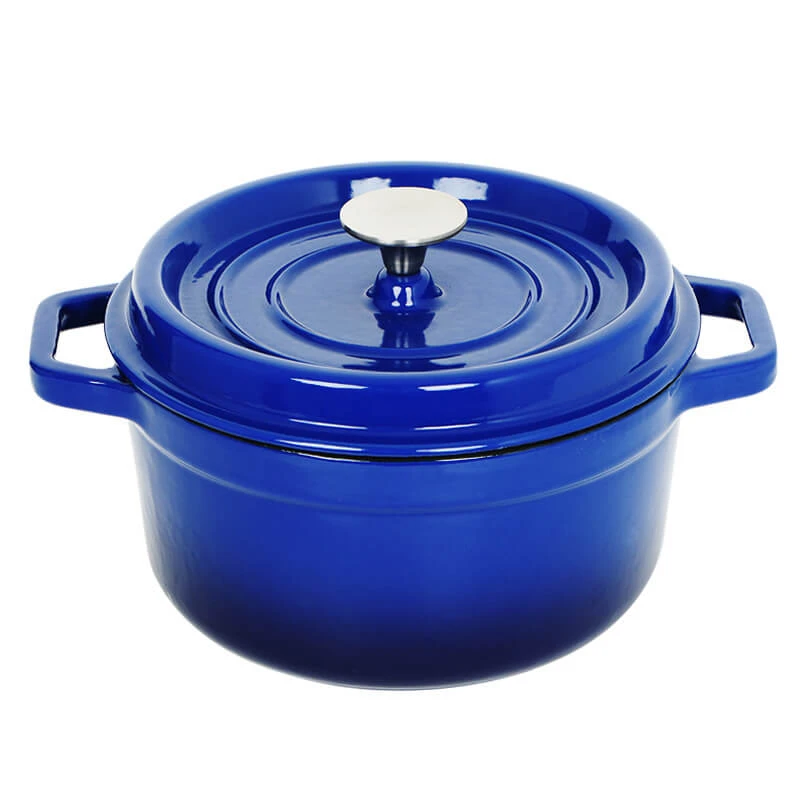
Simply put, it’s a heavy, thick-walled cooking pot made from cast iron, often coated with enamel or left bare, designed to bake bread by trapping steam inside its tight-fitting lid. This steam is essential for forming the beloved crispy crust and soft interior crumb. A cast iron dutch oven for bread doesn’t just bake; it mimics traditional brick ovens in miniaturized, reliable form — think of it as a personal artisan oven.
In modern cooking, these pots connect back to industrial innovation in materials that ensure heat is distributed evenly and maintained steadily, sometimes for hours. This old-school meets high-functionality synergy is what keeps the dutch oven relevant beyond just home kitchens, such as in mobile kitchens or disaster relief efforts where traditional oven use is impractical.
Key Features That Make These Dutch Ovens Special
1. Durability and Heat Retention
Cast iron is famously tough — it can last generations, survive camping trips, and heat up evenly without hot spots. This means bakers don’t have to fuss constantly over temperature variations, a big plus for consistent bread quality.
2. Versatility
Besides bread, these ovens handle stews, roasts, and braised dishes beautifully. For regions with limited kitchen tools, one pot that does many things saves resources and space.
3. Moisture Retention for Perfect Crust
The snug lid locks in moisture, creating the steam environment needed for bakery-grade crusts — something tricky to achieve without specialized ovens.
4. Eco-Friendliness
Given their efficiency, less energy is wasted during cooking. Many users switch to cast iron dutch ovens to cut down on electricity or wood fuel, aligning with greener cooking practices.
5. Cost-Effectiveness Over Time
Though the initial purchase price might be higher than aluminum or stainless steel alternatives, their longevity and multifunctionality make cast iron dutch ovens an investment.
Real-Life Applications Around the Globe
In walking through markets of Eastern Europe or bazaars in Central Asia, you’ll find cast iron dutch ovens prominently featured. NGOs supporting sustainable cooking projects in refugee camps or rural villages have adopted cast iron dutch ovens for their reliability and transportability. For instance:
- Post-disaster relief: Portable, multi-use cooking tools facilitate nutrient-rich meals when power grids fail.
- Remote farming communities: Villagers bake their staple bread close to home, reducing travel or dependence on fuel-heavy baking methods.
- Eco-conscious urban dwellers: In cities across North America and Europe, they’re central to the artisanal bread revival, marrying tradition with modern sustainability.
Mini Takeaway:
Cast iron dutch ovens for bread are more than cookware; they are tools supporting sustainability, resilience, and tradition worldwide.
Advantages and Long-Term Value
Beyond the obvious cooking perks, these dutch ovens offer:
- Lower environmental impact: Reduced energy usage and product lifespan mean less landfill burden.
- Nutrition and food security: Enabling fresh bread encourages healthier eating habits.
- Economic savings: One pot replaces several kitchen devices over years.
- Cultural preservation: Baking bread at home connects households to culinary heritage.
Personally, I’ve noticed how owning one changes your bread game— suddenly, you’re much more confident about baking challenging recipes.
Upcoming Innovations to Watch
In recent years, manufacturers explore combining cast iron’s classic benefits with modern materials and technologies. We’re seeing things like:
- Enamel coatings with enhanced non-stick properties and longer durability
- Integration of sensors for temperature monitoring tied to smartphone apps (yes, smart dutch ovens!)
- Eco-friendly production methods: recycling cast iron scrap, reducing emissions
- Compact, lighter-weight variations making them easier for travel and camping without losing heat benefits
Challenges & Solutions for Today’s Cast Iron Dutch Ovens
Of course, nothing’s perfect. Common gripes include:
- Weight: Cast iron’s heft can be unwieldy for some, especially older users.
- Maintenance: Requires seasoning and careful care to avoid rust, which intimidates beginners.
- Price point: Higher upfront cost compared to other bakeware.
Thankfully, innovations in enameling reduce rust worries, and brands are offering tutorials and support to help first-timers. Lightweight carbon steel “cousins” are arriving, but they still don’t entirely match cast iron’s heat retention charm.
Product Specification Table: Popular Cast Iron Dutch Ovens for Bread
| Model | Capacity | Weight | Coating | Price Range |
|---|---|---|---|---|
| Lodge 5 Qt | 5 quarts (4.7 L) | 10.5 lbs (4.76 kg) | Pre-seasoned | $50–$70 |
| Le Creuset 6.75 Qt | 6.75 quarts (6.4 L) | 11.9 lbs (5.41 kg) | Enameled cast iron | $350–$450 |
| Staub 5.5 Qt | 5.5 quarts (5.2 L) | 11.4 lbs (5.17 kg) | Matte enameled cast iron | $300–$400 |
Vendor Comparison Table
| Vendor | Warranty | Global Shipping | Customer Support | Price Level |
|---|---|---|---|---|
| Lodge | Limited Lifetime | Yes | Extensive FAQs & Phone | Affordable |
| Le Creuset | Lifetime | Yes, worldwide | Premium, responsive | High-end |
| Staub | Lifetime | Selective regions | Standard | Mid to high |
FAQ: Quick Answers on Cast Iron Dutch Ovens for Bread
Q1: What makes a cast iron dutch oven better for bread than regular bakeware?
A1: It’s all about heat retention and moisture control. Cast iron distributes heat evenly and holds it, while the tight lid traps steam, creating that crispy crust and fluffy inside you want. Normal bakeware lacks this steam-trapping feature, making it harder to get bakery-quality bread at home.
Q2: How do you maintain a cast iron dutch oven to keep it rust-free?
A2: Regular cleaning with hot water, drying immediately, and applying a thin layer of cooking oil after each use usually suffices. Avoid soap or putting it in the dishwasher. Pre-seasoned or enameled versions are simpler but still benefit from proper care.
Q3: Are cast iron dutch ovens suitable for outdoor or camping use?
A3: Absolutely. Many bakers and campers swear by them for campfire cooking due to their robust nature and multi-purpose function. Just be mindful of their weight and packaging for transport.
Q4: Can I use a cast iron dutch oven on any stove type?
A4: Yes — cast iron is compatible with gas, electric, induction, and even open flames. That versatility is one reason it’s so popular globally.
Wrapping Up
So, if you’re serious about baking bread at home or looking for cookware that stands the test of time and practical challenges around the world, a cast iron dutch oven for bread is a fantastic choice. Investing in one not only elevates your baking but connects you to centuries-old cooking traditions and the modern push for sustainability.
Do yourself a favor and check out more options at cast iron dutch oven for bread. Your future loaves will thank you.
References
- United Nations Food Systems Summit
- Cast Iron - Wikipedia
- ISO Standards for Cooker Safety and Materials
-
Antique Cast Iron Camp Oven: Durable Outdoor Cookware for Professionals | ZD CookwareNewsJan.06,2026
-
Durable 4 Quart Camping Pot for Professional Use | ZD CookwareNewsJan.06,2026
-
Durable Campfire Cast Iron Pot for Outdoor & Industrial UseNewsJan.06,2026
-
Cast Iron Griddle for Camp Stove – Durable Outdoor Cooking EssentialNewsJan.06,2026
-
Dutch Oven Cast Iron Camping – Durable Outdoor Cooking GearNewsJan.05,2026
-
Durable and Efficient Cast Iron Camping Griddle for B2B Professionals | ZD CookwareNewsJan.05,2026