Large Cast Iron Dutch Oven – Durable, Versatile & Perfect for Every Kitchen
The Big Deal About the Large Cast Iron Dutch Oven
If you’ve ever come across hearty stews that taste like they’ve been simmering slowly for hours, chances are a large cast iron dutch oven was part of the magic. More than just a kitchen staple, the large cast iron dutch oven carries a global story — spanning culinary traditions, industrial use, and sustainability trends — and understanding its value means appreciating how an old-fashioned cooking vessel remains powerful today.
Globally, cast iron cookware sales have surged in recent years, with estimates suggesting a compound annual growth rate (CAGR) of 7% from 2020 to 2027 (source: Statista). That’s no surprise considering the durability, heat retention, and versatility of large cast iron dutch ovens, whether you're feeding a family or catering to outdoor enthusiasts. But beyond cooking enthusiasts, the design principles and material science behind these ovens influence industrial and humanitarian sectors, offering scalable options for heat management and preservation.
The Global Context: Why Large Cast Iron Dutch Ovens Still Matter
It’s easy to think cookware is just for kitchens, but the impact of well-crafted cast iron vessels is surprisingly wide. In developing regions, for example, durable, efficient cookware reduces fuel consumption, easing environmental strain and improving health outcomes by minimizing indoor smoke exposure (World Health Organization reports on indoor air pollution). That means a large cast iron dutch oven is also a small part of a global battle against pollution and health risks.
And in industrial kitchens – think schools, camps, or disaster relief centers – an oversized dutch oven helps feed dozens with minimal fuss. The problem it addresses? How do you prepare large amounts of food over unpredictable heat sources without burning food or wasting fuel? The solution often comes down to the right combination of material and mass: cast iron’s dense structure distributes heat evenly, while its size provides volume.
What Exactly Is a Large Cast Iron Dutch Oven?
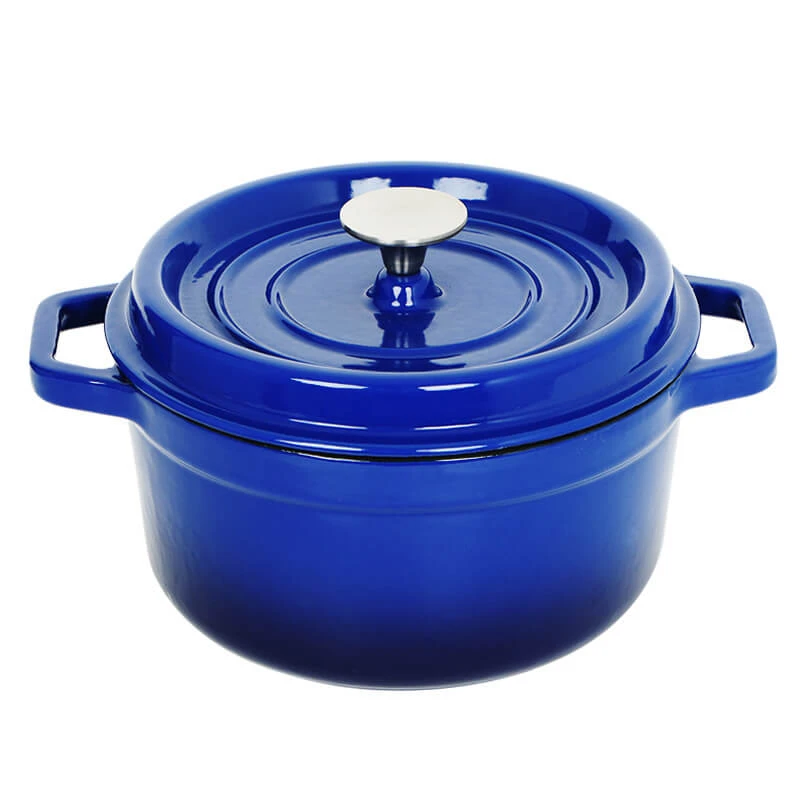
At its core, a large cast iron dutch oven is a thick-walled pot, traditionally forged from cast iron, often weighing anywhere from 10 to 25 pounds depending on size. It comes equipped with a snug lid designed to seal in moisture, creating a mini-oven inside — perfect for slow cooking, roasting, baking, and frying.
Despite their age-old design, these ovens find use beyond the kitchen: in settings demanding rugged, self-sufficient cooking tools. For example, in humanitarian missions or remote industrial outposts, a large cast iron dutch oven provides reliable heat management with minimal fuel, crucial where electricity or gas isn’t guaranteed.
Core Features Explained
1. Durability
The heft and robustness of cast iron make these ovens virtually indestructible if treated well. Unlike thinner metal pots, cast iron can take abuse — from high heat to rough transport. This endurance is why many consider them heirloom pieces.
2. Heat Retention & Distribution
This is the secret sauce: once hot, cast iron keeps an even temperature for long periods. That means stews slowly simmer without hotspots that burn or boil over. In practical terms, it drastically cuts down active cooking time.
3. Scalability & Size
“Large” can mean cooking for a dozen or more. That volume supports mass meal prep in institutions or communal settings, making it indispensable for mid- to large-scale meal preparation.
4. Versatility
Cast iron dutch ovens don’t just stew — bake bread, fry eggs, or even roast meat. This all-in-one capacity reduces the need for multiple appliances or specialized equipment.
5. Cost Efficiency
Initially pricey compared to lightweight cookware, they pay off long term. Their longevity and fuel savings from better heat management reduce replacement and operational costs.
Specifications at a Glance
| Specification | Typical Range | Notes |
|---|---|---|
| Material | Cast Iron | Enamel coating optional |
| Weight | 10-25 lbs (4.5-11 kg) | Varies with size |
| Capacity | 5 to 12 quarts (4.7-11.4 L) | Suitable for large meal prep |
| Heat Retention | Very high | Requires preheating |
| Lid Design | Tight-fitting | Improves moisture retention |
Mini takeaway: The large cast iron dutch oven is a durable, versatile, and cost-saving kitchen tool that combines old-school design with big-scale practical benefits — characteristics that mirror modern sustainability aspirations.
How Different Vendors Stack Up
| Vendor | Material Quality | Range of Sizes | Price Range (USD) | Warranty/Certifications |
|---|---|---|---|---|
| Lodge | High-Grade Cast Iron | 3-12 quarts | $40 - $150 | Limited Lifetime |
| Le Creuset | Premium Cast Iron with Enamel | 3.5-13 quarts | $200 - $500+ | Limited Lifetime + Certifications |
| Staub | Enamel Coated Cast Iron | 3-13 quarts | $180 - $450 | Limited Lifetime |
Mini takeaway: When choosing a large cast iron dutch oven, considering material finish, size options, and long-term warranty can strongly influence your satisfaction — especially for heavy daily use.
Global Use Cases: From Kitchens to Campgrounds and Beyond
Whether in urban restaurants or rural households, the large cast iron dutch oven reigns supreme as the pot that marries tradition with efficiency. Oddly enough, in many African and Asian villages, NGOs distribute these ovens to reduce fuelwood consumption (UN Environment Programme). The reasoning? Better heat retention means they use less firewood — slowing deforestation and lowering harmful smoke inside homes.
Outdoors, campers and survivalists swear by these ovens. The ability to bake bread or roast meat over coals makes them legendary. Industrial kitchens at mining sites or oil rigs rely on their predictable heat distribution. And emergency relief kitchens use them to churn out nutritious meals quickly and reliably.
Advantages & Long-Term Value: More Than Just a Cooking Pot
- Sustainability: Durable and reusable, reducing landfill waste from disposable cookware.
- Fuel Efficiency: Superior heat retention means less fuel needed.
- Safety & Hygiene: Very few parts to break or harbor bacteria.
- Emotional Value: These pots last generations, connecting cooks across time.
- Economic Sense: Initial investment recovered via durability and efficiency.
Innovation on the Horizon
The future feels vibrant for large cast iron dutch ovens. Emerging trends include:
- Eco-friendly coatings: Non-toxic enamels improving cleanup and longevity.
- Smart cookware: Embedded temperature sensors paired with apps for perfect slow cooking.
- Manufacturing advances: Recycled cast iron and lower-carbon processes.
All these suggest that rather than fading away, the humble cast iron pot is getting a modern makeover for eco-conscious cooks and industries alike.
Challenges & Workarounds
Cast iron does have quirks. For one, it’s heavy — not ideal for folks with limited strength. Plus, seasoning (that thin layer of polymerized oil protecting the metal) needs upkeep, or rust appears. Enamel-coated versions reduce some maintenance but come at added cost and potential chipping.
Many users solve weight issues by opting for mid-size ovens — balancing capacity and manageability — or using cooking aids like cart stands. Regular cleaning with mild detergent and oiling keeps seasoned surfaces pristine. Vendors increasingly offer ergonomic handles and improved coatings to mitigate these issues.
FAQs: Your Large Cast Iron Dutch Oven Questions Answered
1. How do I properly season my large cast iron dutch oven?
To season, clean the oven, dry it thoroughly, then rub a thin layer of vegetable oil inside and out. Bake it upside down at 375°F (190°C) for 1 hour, placing foil below to catch drips. Repeat this several times to build a durable non-stick surface.
2. Is it safe to use on induction stovetops?
Absolutely! Cast iron is magnetic, making it perfect for induction. Its even heat distribution complements induction's direct heating, although you might want to protect delicate glass tops from scratches by lifting rather than sliding.
3. Can I use a large cast iron dutch oven outdoors?
Yes, they’re robust and great over campfires or charcoal grills. Just avoid sudden temperature changes that might crack enamel coatings. For raw cast iron, preheat gradually to avoid warping.
4. How long does a large cast iron dutch oven last?
With proper care, decades—many families pass theirs down for generations. Its longevity often outstrips lighter cookware by far, making them a wise investment.
5. What’s the difference between enameled and raw cast iron ovens?
Enameled ovens won't need seasoning and resist rust but can chip and are pricier. Raw cast iron requires seasoning but offers classic durability and better high-heat performance.
Conclusion: Why Large Cast Iron Dutch Ovens Keep Winning
When all’s said and done, the large cast iron dutch oven encapsulates a rare balance of history, functionality, and sustainability. Its robust build and versatile nature suit countless needs from hefty family meals to supporting humanitarian cooking efforts. If you haven’t already explored the benefits of this cookware heavyweight, now might be the perfect time.
To find a selection tailored for every home or purpose, visit large cast iron dutch oven today — who knows, maybe you’ll discover your kitchen’s new best friend.
References
-
Antique Cast Iron Camp Oven: Durable Outdoor Cookware for Professionals | ZD CookwareNewsJan.06,2026
-
Durable 4 Quart Camping Pot for Professional Use | ZD CookwareNewsJan.06,2026
-
Durable Campfire Cast Iron Pot for Outdoor & Industrial UseNewsJan.06,2026
-
Cast Iron Griddle for Camp Stove – Durable Outdoor Cooking EssentialNewsJan.06,2026
-
Dutch Oven Cast Iron Camping – Durable Outdoor Cooking GearNewsJan.05,2026
-
Durable and Efficient Cast Iron Camping Griddle for B2B Professionals | ZD CookwareNewsJan.05,2026