Elevate Your Camping Cuisine with Delicious Camping Food and a Dutch Oven
Camping Food Dutch Oven: A Guide to Delicious Outdoor Cooking
Planning a camping trip and dreaming of delicious, hearty meals? A dutch oven is your secret weapon for incredible outdoor cooking. From savory stews to perfectly baked desserts, the versatility of a dutch oven is unmatched. This article will explore the benefits of using a dutch oven for camping food, offering tips, recipes, and guidance to help you create memorable meals under the stars. Get ready to elevate your camping cuisine!
Why Choose a Dutch Oven for Camping?
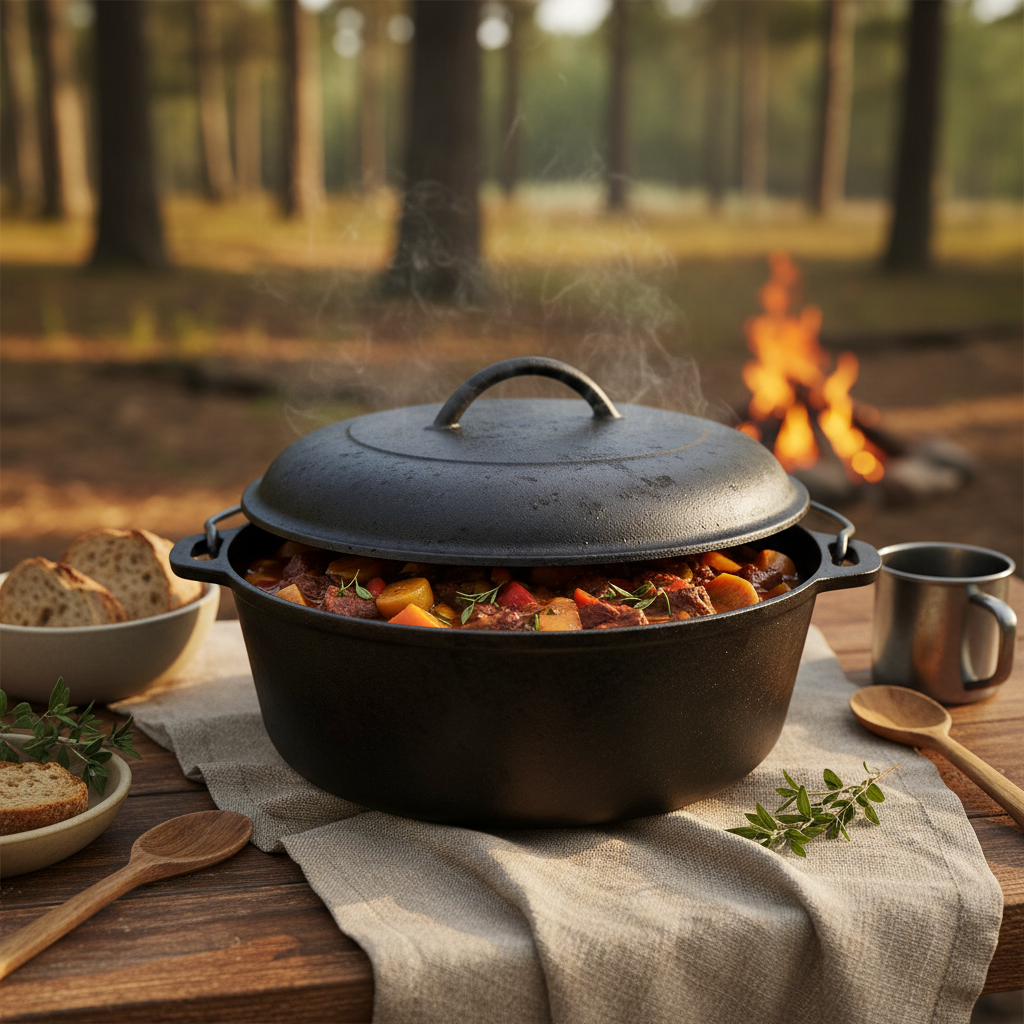
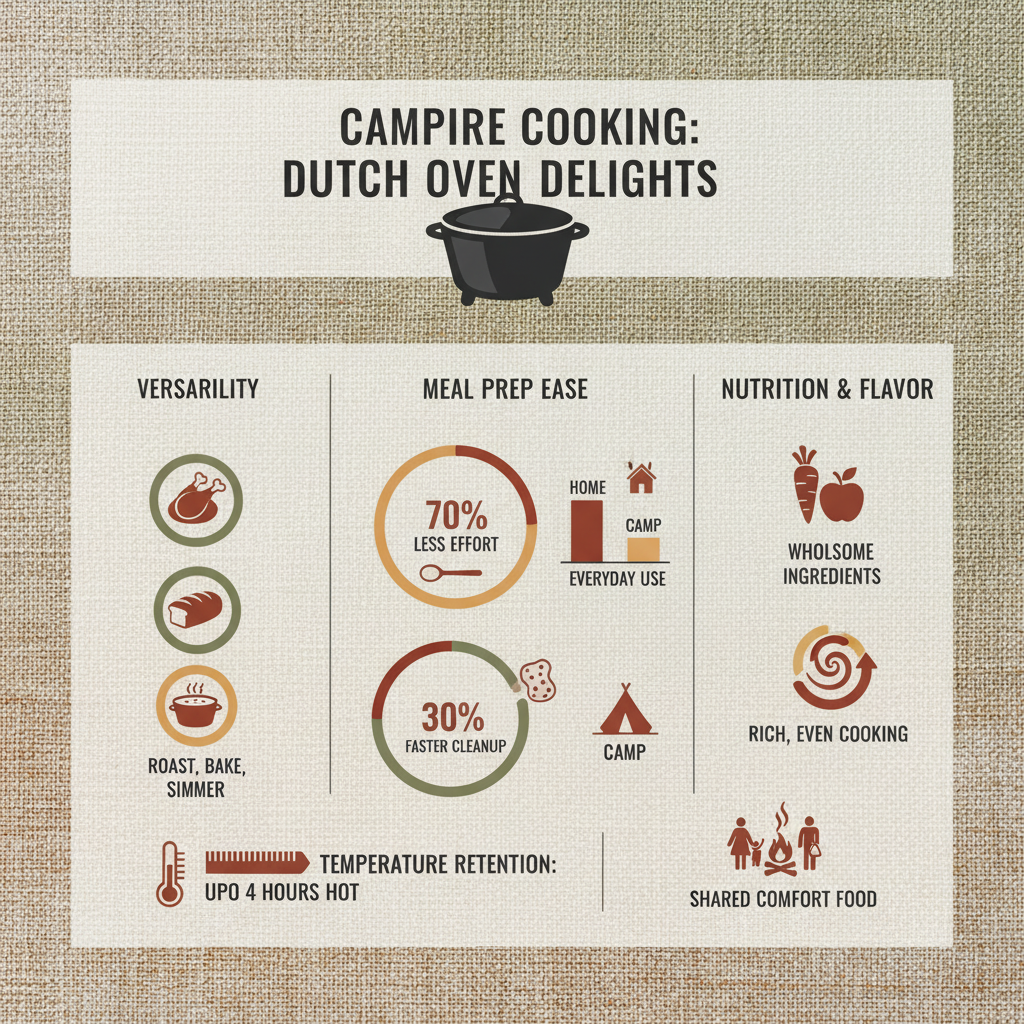
Unlike other cooking methods, a dutch oven provides unparalleled heat retention and distribution. This is crucial when cooking over a campfire or with charcoal, where heat sources can be uneven. Its heavy construction ensures food cooks evenly and stays warm for longer. Beyond that, a single dutch oven can handle a wide range of cooking techniques – baking, roasting, stewing, frying, and more – reducing the amount of cookware you need to pack. The versatility makes camping food preparation easier and more enjoyable.
Key Benefits: Superior heat retention, even cooking, versatile cooking methods, reduced cookware, and durable construction.
Essential Camping Food Recipes for Your Dutch Oven
The possibilities are endless when it comes to camping food cooked in a dutch oven. Here are a few crowd-pleasing ideas to get you started. Think beyond basic stews! You can create sophisticated, gourmet-level meals in the great outdoors. The key is preparation and choosing recipes that are relatively forgiving.
Recipe Ideas:
• Campfire Chili
• Dutch Oven Peach Cobbler
• Rosemary Garlic Chicken
• Beef Stew with Root Vegetables
Choosing the Right Dutch Oven for Camping
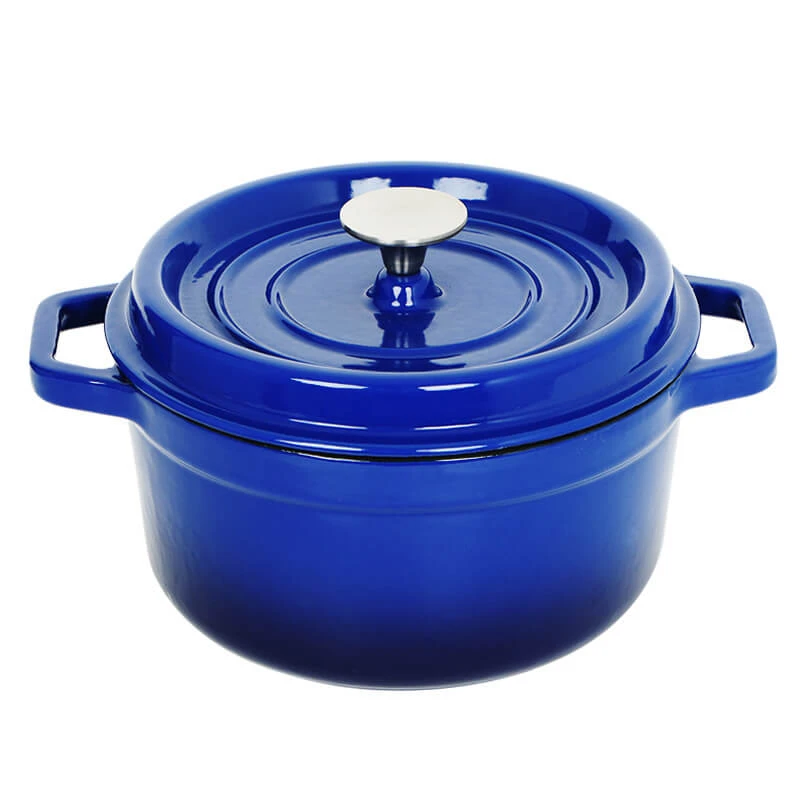
Selecting the right dutch oven is crucial. Consider the size, material, and features. For most camping trips, a 12-inch dutch oven is a good all-around choice. Cast iron is the traditional material, known for its excellent heat retention and durability. However, enameled cast iron offers easier cleaning and doesn't require seasoning. Look for a dutch oven with legs to allow for use directly over coals, and a bail handle for easy lifting. Think about how many people you are typically cooking for when deciding on the appropriate size.
Tips for Successful Dutch Oven Camping Food Preparation
Mastering camping food with a dutch oven takes a little practice. Here are some helpful tips: Always use a liner for easy cleanup (parchment paper works great for baking). Preheat the dutch oven gradually to prevent cracking. Rotate the dutch oven periodically to ensure even cooking. Use charcoal briquettes or a campfire to provide consistent heat. And most importantly, always practice fire safety!
Dutch Oven Size Guide
Choosing the correct size for your dutch oven is essential for successful cooking. Here's a quick guide to help you determine the right size based on your needs:
Conclusion: Elevate Your Camping Experience with a Dutch Oven
A dutch oven is more than just cookware; it's a gateway to unforgettable camping food experiences. Its versatility, durability, and ability to create delicious meals make it an essential piece of gear for any outdoor enthusiast. Invest in a quality dutch oven and prepare to impress your fellow campers with your culinary skills.
Frequently Asked Questions (FAQs)
How do I season a cast iron dutch oven?
Seasoning a cast iron dutch oven creates a natural non-stick surface and protects it from rust. First, wash the dutch oven with warm soapy water and dry it thoroughly. Then, coat the entire surface (inside and out) with a thin layer of cooking oil (flaxseed oil is often recommended for initial seasoning). Bake the dutch oven upside down in a preheated oven at 350-400°F for an hour. Let it cool completely in the oven. Repeat this process 2-3 times for a good initial seasoning. Regular use and occasional re-seasoning will maintain the protective coating.
What's the best way to clean a dutch oven after camping?
For cast iron, avoid harsh soaps and abrasive cleaners. Scrape out any food residue with a plastic scraper. If needed, add a little warm water and gently scrub. Dry thoroughly with a towel and apply a light coat of oil to prevent rust. For enameled cast iron, you can use mild soap and a non-abrasive sponge. Avoid using metal utensils that could scratch the enamel coating.
Can I use a dutch oven on a gas camping stove?
While you can technically use a dutch oven on a gas camping stove, it's not ideal. The heat distribution may be uneven, and the large surface area of the dutch oven can make it unstable. It’s generally best to use a dutch oven over a campfire or with charcoal briquettes for optimal cooking. If you must use a stove, ensure it's a stable and powerful burner.
-
Mastering Outdoor Cooking with a Portable Dutch Oven GuideNewsApr.16,2026
-
Master Outdoor Cooking with the Oval Cast Iron Camp Oven GuideNewsApr.09,2026
-
Unlocking Flavorful Adventures with Outdoor Cooking with a Dutch OvenNewsApr.07,2026
-
Elevate Your Outdoor Cooking With A Premium Outdoor Cast Iron OvenNewsApr.04,2026
-
Discover the Benefits of a Cast Camp Oven for Outdoor CookingNewsMar.31,2026
-
Maximize Your Outdoor Cooking with a Camping Tripod and Dutch OvenNewsMar.28,2026