Maximize Your Outdoor Cooking with a Camping Tripod and Dutch Oven
Choosing the Right Camping Tripod and Dutch Oven
Planning a camping trip that involves delicious, outdoor-cooked meals? A camping tripod and Dutch oven are essential tools. They offer a unique cooking experience, allowing you to create flavorful dishes over an open fire. This article explores the benefits, key features, and considerations when selecting these items for your next adventure. Whether you’re a seasoned camper or just starting out, understanding how to choose the right setup can dramatically improve your outdoor cooking.
Understanding the Benefits of Camping Tripods
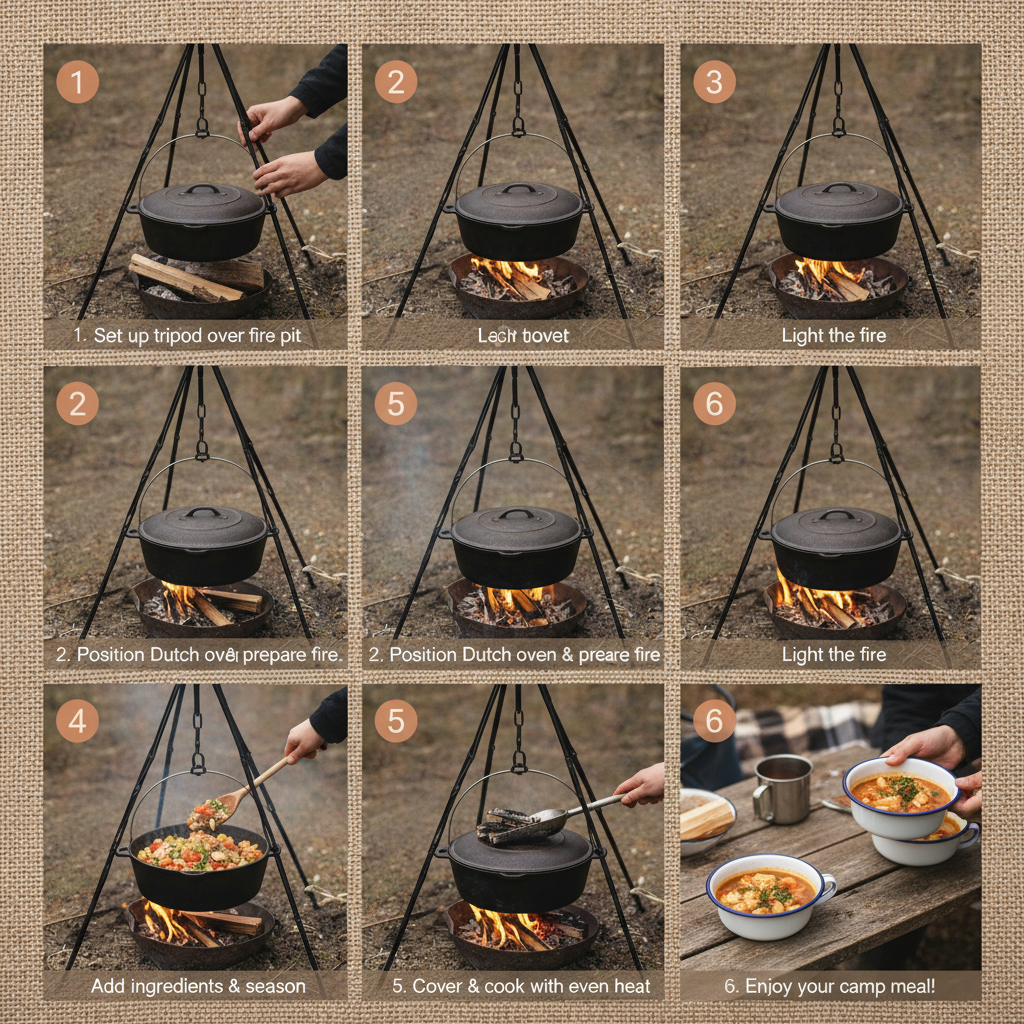
A camping tripod provides a stable platform to suspend your Dutch oven over a campfire. This offers several advantages over traditional grilling or foil packet cooking. It allows for 360-degree cooking, ensuring even heat distribution. The height is adjustable, enabling you to control the cooking temperature. A tripod is particularly useful for slow-cooking stews, baking breads, and even frying chicken. The elevated position also keeps your food away from embers and potential contamination, ensuring a safe and hygienic cooking experience. Furthermore, it creates a visually appealing cooking setup that enhances the ambiance of your campsite.
Key Advantages: Even heat distribution, adjustable height, safe cooking, versatile cooking methods, enhanced campsite ambiance.
Dutch Oven Materials: Cast Iron vs. Enameled Cast Iron
When selecting a Dutch oven, the material is a crucial consideration. Cast iron Dutch ovens are the traditional choice, known for their excellent heat retention and durability. They require seasoning to prevent rusting, but with proper care, they can last a lifetime. Enameled cast iron Dutch ovens offer the benefits of cast iron with the added convenience of a non-reactive, easy-to-clean surface. The enamel coating eliminates the need for seasoning and prevents food from sticking. However, they are generally more expensive and the enamel can chip if mishandled. Ultimately, the best choice depends on your cooking style and maintenance preferences.
Material Comparison:
• Cast Iron: Excellent heat retention, durable, requires seasoning.
• Enameled Cast Iron: Easy to clean, no seasoning needed, less durable enamel.
Selecting the Right Camping Tripod for Your Needs
Camping tripods come in various sizes and materials. Consider the weight capacity needed for your Dutch oven – ensure the tripod can safely support its weight when full of food. Tripod height is also important; adjustable models offer greater flexibility. Materials like steel are durable and sturdy, while aluminum is lighter but potentially less robust. Look for tripods with a stable base and a secure hook or chain system for suspending the Dutch oven. Portability is another factor, especially if you plan to hike to your campsite. A foldable tripod that packs down small is ideal. Exploring options from ZD Cookware can help you find a tripod tailored to your specific needs.
Dutch Oven Size and Capacity: A Guide
Dutch ovens are available in a range of sizes, typically measured in quarts. A 10-12 quart Dutch oven is a good all-around size for family camping trips, capable of feeding 4-6 people. Smaller 6-8 quart ovens are suitable for solo campers or couples. Larger 14-20 quart ovens are ideal for group gatherings. Consider the type of meals you plan to cook – stews and soups require larger volumes, while baking breads can be done in smaller ovens. Here's a quick reference guide:
Care and Maintenance for Longevity
Proper care extends the life of your camping tripod and Dutch oven. After each use, clean the Dutch oven thoroughly (season cast iron regularly). Store both items in a dry place to prevent rust and corrosion. Regularly inspect the tripod for any signs of wear or damage. A well-maintained setup will provide years of reliable service, creating countless memorable meals under the stars. Don't hesitate to explore the resources and products offered at ZD Cookware for tips and high-quality equipment.
Conclusion: Elevate Your Outdoor Cooking Experience
Investing in a quality camping tripod and Dutch oven is a game-changer for outdoor cooking enthusiasts. The combination of versatility, durability, and the ability to create delicious meals over an open fire makes them essential pieces of camping gear. With careful selection and proper maintenance, you can enjoy years of flavorful adventures in the great outdoors.
Frequently Asked Questions (FAQs)
What size Dutch oven should I get for a group of four people?
For a group of four, a 10-12 quart Dutch oven is typically ideal. This size provides enough capacity to cook a substantial meal for everyone without being overly bulky. It’s versatile enough for stews, roasts, and even baking. If you anticipate making larger portions or frequently hosting bigger groups, you might consider a 14-quart oven, but a 10-12 quart option is a great starting point.
How do I prevent my cast iron Dutch oven from rusting?
To prevent rusting, it’s crucial to season your cast iron Dutch oven properly and maintain that seasoning. After each use, clean the oven with warm water (avoid soap unless absolutely necessary) and dry it thoroughly. Then, lightly coat the inside with cooking oil and heat it on the stovetop or over a campfire for a short period. This helps to polymerize the oil and create a protective barrier. Store the Dutch oven in a dry place. If rust does appear, scrub it off with steel wool and re-season the oven.
Are aluminum tripods as durable as steel tripods?
While aluminum tripods are lighter and easier to carry, steel tripods generally offer superior durability. Aluminum can bend or break under heavy loads, especially if subjected to rough handling. Steel is more robust and can withstand more weight and stress. If portability is a top priority and you're not planning on cooking extremely heavy meals, an aluminum tripod might suffice. However, for long-term reliability and heavy-duty use, a steel tripod is the better choice.
What can I cook in a Dutch oven besides stews and soups?
A Dutch oven is incredibly versatile! Besides stews and soups, you can bake bread, cakes, and cobblers, fry chicken, roast vegetables, and even make pizza. You can also braise meats, slow-cook chili, and prepare delicious desserts. The even heat distribution and retention of a Dutch oven make it ideal for a wide range of cooking methods.
-
Mastering Outdoor Cooking with a Portable Dutch Oven GuideNewsApr.16,2026
-
Master Outdoor Cooking with the Oval Cast Iron Camp Oven GuideNewsApr.09,2026
-
Unlocking Flavorful Adventures with Outdoor Cooking with a Dutch OvenNewsApr.07,2026
-
Elevate Your Outdoor Cooking With A Premium Outdoor Cast Iron OvenNewsApr.04,2026
-
Discover the Benefits of a Cast Camp Oven for Outdoor CookingNewsMar.31,2026