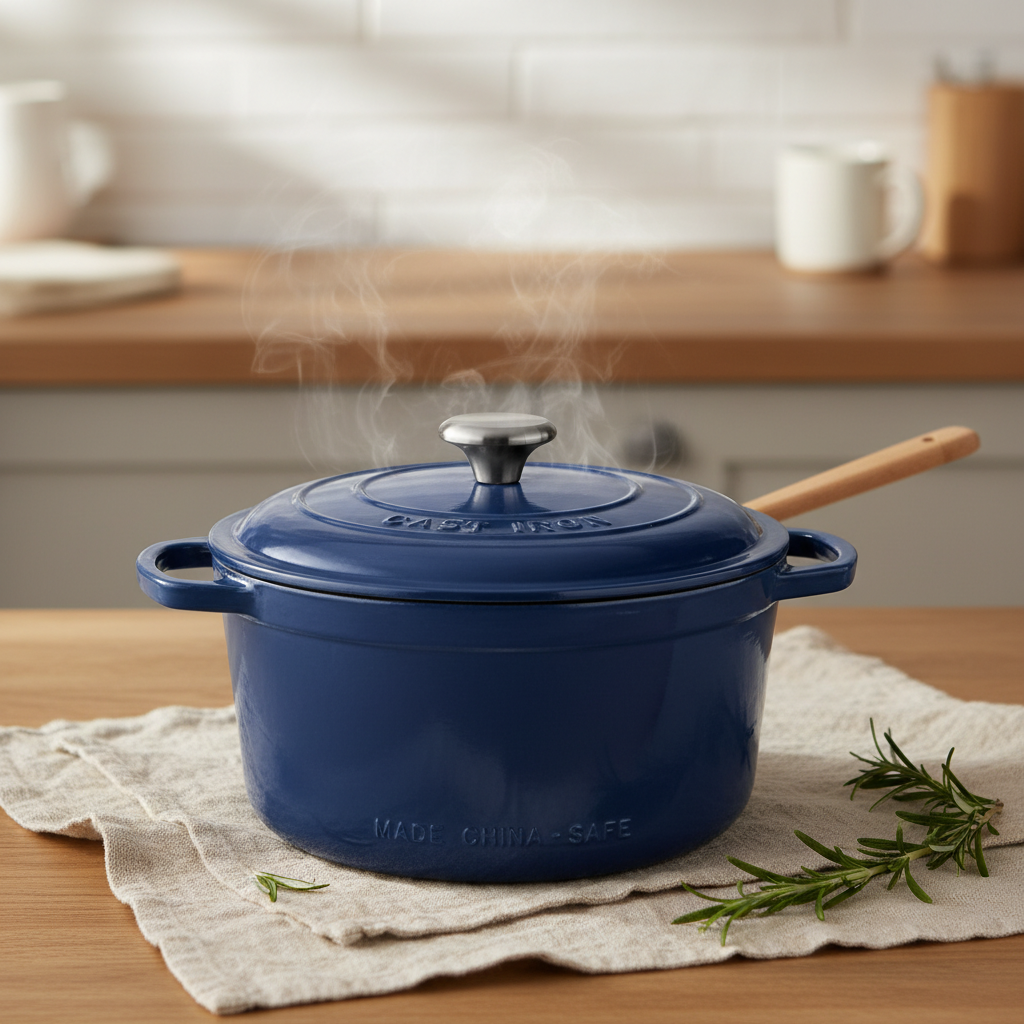
Look, I've spent the last fifteen years breathing concrete dust and arguing with subcontractors. When it comes to cooking, I’m a simple guy – give me something that works, that lasts, and won’t give up the ghost after a season. That’s why I’m a huge advocate for cast iron cooking pots for sale. They’re not fancy, they’re not trendy, but they're dependable. They’re the workhorses of the kitchen, just like a good excavator on a job site. Folks are finally realizing you don't need expensive gadgets to cook amazing food; you need quality materials.
The market for cast iron has been quietly building for a while now, but it’s hit a sweet spot. People are tired of replacing flimsy pans every year. They're looking for things that will be passed down, like my grandfather's wrench set. We're seeing a huge demand, not just from home cooks, but from serious outdoor enthusiasts, glampers, and even restaurants wanting to add a bit of rustic charm and serious cooking power. I've seen the numbers, and the growth in cast iron cooking pots for sale is substantial.
Honestly, it’s a relief to see. I’ve spent too much time testing materials on construction sites to be impressed by flimsy stuff. Cast iron, when properly cared for, is practically indestructible. It's a testament to good, solid manufacturing, and right now, people value that more than ever. It's not just about cooking; it's about investing in something that will last. And that’s a principle I can get behind.
The Enduring Appeal of cast iron cooking pots for sale
Let’s be straight - this isn’t a new trend. My grandmother cooked on cast iron, and her grandmother before her. It's the original non-stick, if you treat it right. The appeal lies in its simplicity, its versatility, and its ability to retain heat like nothing else. You can sear a steak, bake a cornbread, even simmer a stew, all in the same pot. And that’s a huge plus for folks who don’t have a lot of space, or who just want fewer dishes to clean.
What I've seen, though, is a renewed appreciation for craftsmanship. People are moving away from disposable culture and looking for things that are built to last. And cast iron cooking pots for sale absolutely fit that bill. They are a tangible link to the past, a reminder of a time when things were made to be used, not replaced. That resonates with a lot of people, especially the younger generations.
Global Market Trends in cast iron cooking pots for sale
The global market for cookware is huge – we're talking billions. But the segment for cast iron cooking pots for sale is particularly interesting. We’re seeing strong growth in North America and Europe, obviously, but the real surprises are coming from Asia and South America. There’s a growing middle class in those regions, and they’re starting to invest in higher-quality cookware. They are bypassing the cheap stuff and heading straight for durable, reliable options.
According to recent reports, the cast iron cookware market is projected to grow at a CAGR of around 6-8% over the next five years. That’s significant, especially considering the overall cookware market is growing at a slower rate. The demand is being driven by increased awareness of the health benefits of cooking with cast iron, as well as the growing popularity of outdoor cooking and camping.
What’s particularly noteworthy is the rise of online sales. People are researching, comparing prices, and buying cast iron cooking pots for sale directly from manufacturers and retailers online. That’s created a more competitive market, which is good for consumers, but it also means that companies need to focus on quality, customer service, and branding to stand out.
Defining Cast Iron Cooking Pots for Sale: Beyond the Basics
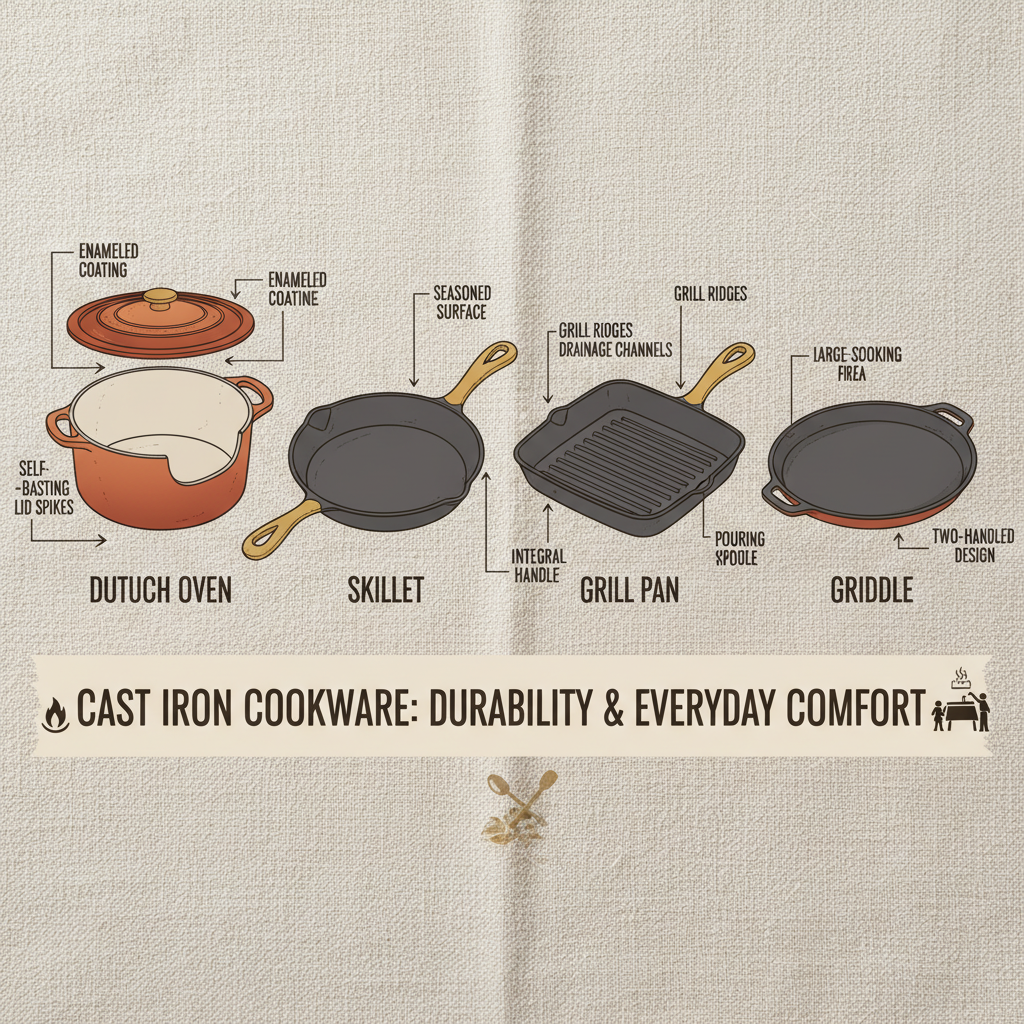
When people say “cast iron cooking pots for sale,” they’re not just talking about the basic Dutch oven. There’s a whole range of options available, from traditional skillets and saucepans to more specialized pieces like paella pans and braisers. And the materials themselves aren’t all created equal. Some cast iron is made with higher-quality iron ore, which results in a more durable and evenly heated pot.
You also have to consider the seasoning. Properly seasoned cast iron is naturally non-stick and resistant to rust. But getting a good seasoning takes time and effort. Some manufacturers pre-season their pots, which is a great convenience for beginners. Others leave it up to the buyer, trusting them to build up a good seasoning over time. And then there’s enameled cast iron, which is cast iron coated with a layer of porcelain enamel. It doesn't require seasoning and is easier to clean, but it's also more expensive and can chip if mishandled.
Essentially, when looking at cast iron cooking pots for sale, you’re looking at more than just a pot. You're looking at a system, a process, and a potential heirloom. It's about understanding the nuances of the material and choosing a piece that fits your cooking style and needs. It’s about looking at the whole package, not just the price tag.
Key Factors Driving the Demand for cast iron cooking pots for sale
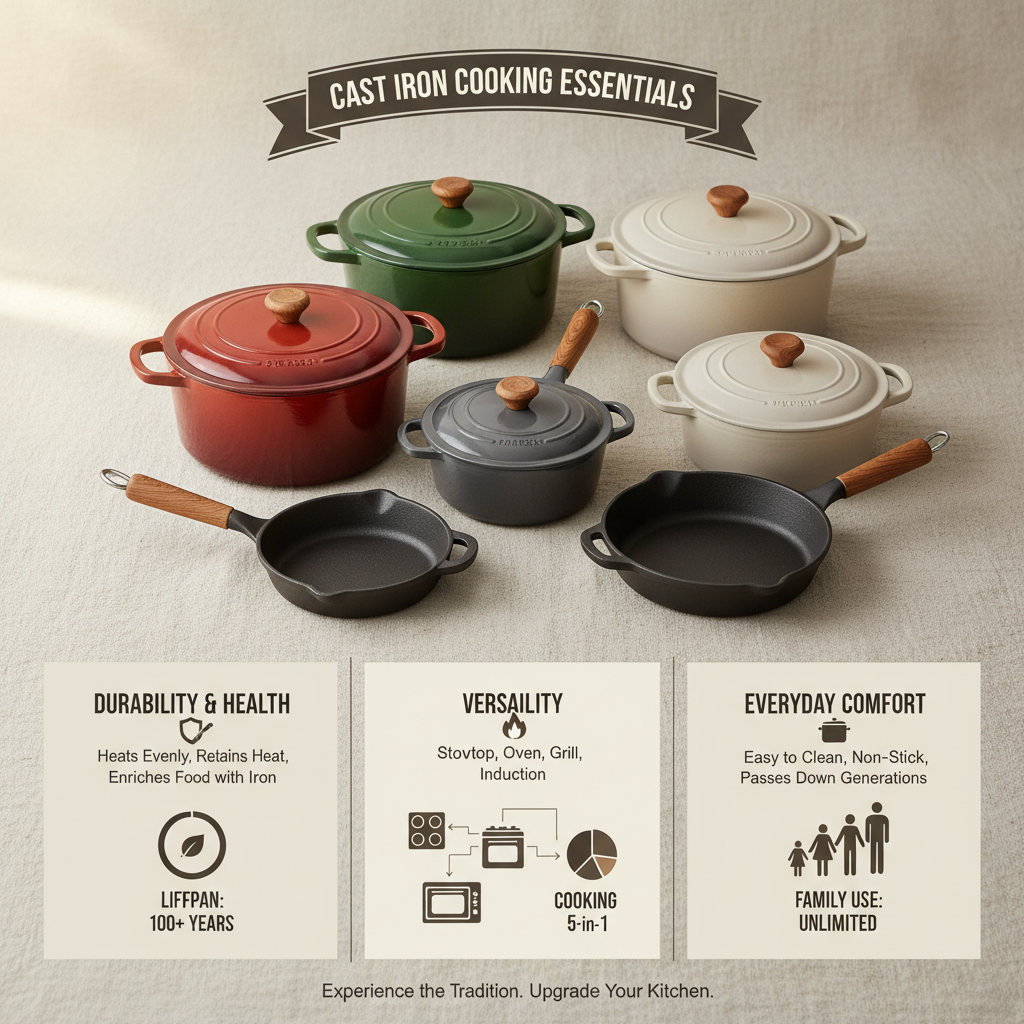
Durability is the big one. I've seen cast iron cookware last generations, and that’s a powerful selling point. A well-maintained pot can outlast any non-stick pan on the market. But it’s not just about longevity. It’s about heat retention. Cast iron heats up slowly and evenly, and it stays hot for a long time. That’s ideal for searing meat, baking bread, and simmering stews.
Versatility is another key factor. You can use cast iron on the stovetop, in the oven, over a campfire – it doesn’t matter. It’s incredibly adaptable. And the health benefits are becoming increasingly recognized. Cooking with cast iron can actually add iron to your food, which is important for many people. Plus, it doesn't leach harmful chemicals like some non-stick coatings.
Cast Iron Cooking Pot for Sale - Key Feature Ratings
Real-World Applications of cast iron cooking pots for sale
You see cast iron cooking pots for sale everywhere. From family kitchens to high-end restaurants, the applications are endless. They're a staple for campfire cooking, perfect for Dutch oven recipes and hearty outdoor meals. I've seen them used on remote job sites for cooking for large crews – they’re tough enough to handle the abuse.
They’re also popular among food bloggers and chefs who are looking to create authentic, flavorful dishes. The heat retention of cast iron is ideal for searing meats and creating a beautiful crust. And they’re becoming increasingly popular in the farm-to-table movement, where people are looking for sustainable and durable cookware.
Advantages and Long-Term Value Proposition
Let's talk about cost. Yes, a good cast iron cooking pot for sale might cost more upfront than a cheap non-stick pan. But think about it: that non-stick pan will need to be replaced every year or two. A cast iron pot, with proper care, will last a lifetime. That’s a significant long-term saving. I'm always telling folks to invest in quality; it pays off in the long run.
Beyond the financial benefits, there's the environmental aspect. Cast iron is a sustainable material. It's made from iron ore, a readily available resource. And because it lasts so long, you’re reducing your consumption and waste. Plus, there's a certain emotional value to owning a piece of cookware that has been passed down through generations. It’s a connection to the past and a legacy for the future.
And honestly, there’s a satisfaction to cooking with cast iron that you just don’t get with modern cookware. It’s a more tactile experience, a more connected experience. It's like using a good hand tool – it feels solid, reliable, and capable.
Future Innovations in cast iron cooking pots for sale
We’re seeing some interesting developments in the world of cast iron. Companies are experimenting with new alloys and coatings to improve heat distribution and non-stick properties. Lighter-weight cast iron is also becoming more popular, making it easier to handle for those who struggle with heavier pots.
There’s also a growing trend towards personalized cast iron cookware. Some manufacturers are offering customization options, allowing customers to choose the shape, size, and finish of their pots. And we’re seeing more integration with smart cooking technology, with some cast iron pots incorporating sensors and Bluetooth connectivity.
I think the biggest innovation will be in the pre-seasoning process. Getting a good seasoning is still the biggest barrier to entry for many people. If manufacturers can develop a more durable and reliable pre-seasoning method, it will make cast iron even more accessible and appealing to a wider audience.
Summary of Key Factors Influencing Cast Iron Cooking Pot for Sale Performance
| Material Quality |
Seasoning Effectiveness |
Weight & Ergonomics |
Price Point |
| High-Grade Iron Ore |
Factory Pre-Seasoned (3 Coats) |
Moderate (6 lbs) |
$75-$125 |
| Standard Iron Content |
Unseasoned – User Applied |
Heavy (8 lbs) |
$50-$80 |
| Recycled Iron |
Enamel Coating (No Seasoning) |
Moderate (7 lbs) |
$100-$150 |
| Premium Alloy Blend |
Proprietary Seasoning Formula |
Lightweight (5 lbs) |
$150-$200 |
| Imported Iron |
Minimal Factory Seasoning |
Heavy (9 lbs) |
$40-$60 |
| Locally Sourced Iron |
Organic Flaxseed Oil Seasoning |
Moderate (6.5 lbs) |
$80-$130 |
FAQS
Seasoning is key! Start by washing the pot with mild soap and water. Then, coat it very thinly with a high smoke point oil like flaxseed or canola. Wipe off any excess, and bake it upside down in a 400-degree oven for an hour. Let it cool completely. Repeat this process 2-3 times to build up a good base. It's a little work upfront, but it's worth it for a naturally non-stick surface.
Absolutely not! The dishwasher will strip the seasoning right off. Hand wash your cast iron with warm water and a gentle sponge. If food is stuck, use a plastic scraper. Dry it thoroughly, and then lightly coat it with oil to prevent rusting. Think of it like a good tool—you wouldn’t put your wrench in the dishwasher!
Yep! Rust isn't the end of the world. Scrub off the rust with steel wool, then wash, dry, and re-season the pot following the steps I mentioned earlier. You may need to do a few coats of seasoning to restore the surface. It's a bit of work, but you can bring it back to life.
Almost anything! Cast iron is fantastic for searing meats, baking breads and pies, making stews and soups, and frying chicken. The even heat distribution makes it ideal for foods that require consistent temperatures. Avoid cooking highly acidic foods (like tomatoes) for extended periods, as they can break down the seasoning, but a quick tomato sauce is usually fine.
It depends. Enameled cast iron is easier to clean and doesn’t require seasoning, but it’s more expensive and can chip. If you prioritize convenience and don't mind spending a bit more, it's a good option. If you enjoy the process of seasoning and maintaining traditional cast iron, and want a more durable pot, stick with the classic.
Store your cast iron in a dry place. If you're stacking pots, place a paper towel or cloth between them to prevent scratching and moisture buildup. A light coating of oil after washing will also help protect the seasoning and prevent rust. Proper storage is key to keeping your pot in good condition for years to come.
Conclusion
So, there you have it. Cast iron cooking pots for sale aren't just cookware; they’re an investment in quality, durability, and a connection to a culinary tradition. They offer a superior cooking experience, are incredibly versatile, and will last a lifetime with proper care. In a world of disposable products, cast iron stands out as a testament to the value of craftsmanship and enduring quality.
If you’re looking to upgrade your kitchen, or if you're simply seeking a reliable and versatile cooking tool, I highly recommend considering cast iron. It’s a purchase you won’t regret. Check out our selection of high-quality cast iron cooking pots for sale today and experience the difference for yourself! Visit our website: zdcookware.com