Choosing the Perfect Camp Trivet for Safe and Efficient Outdoor Cooking
Choosing the Right Camp Trivet for Outdoor Cooking
When enjoying the great outdoors, a reliable camp trivet is essential for safe and convenient cooking. It protects surfaces from heat damage while providing a stable platform for your cookware. This article explores the different types of camp trivets, their materials, benefits, and how to choose the best one for your needs. Selecting the right trivet can significantly enhance your outdoor cooking experience, ensuring both safety and efficiency. ZD Cookware offers a diverse range of high-quality camp trivets designed for every outdoor enthusiast.
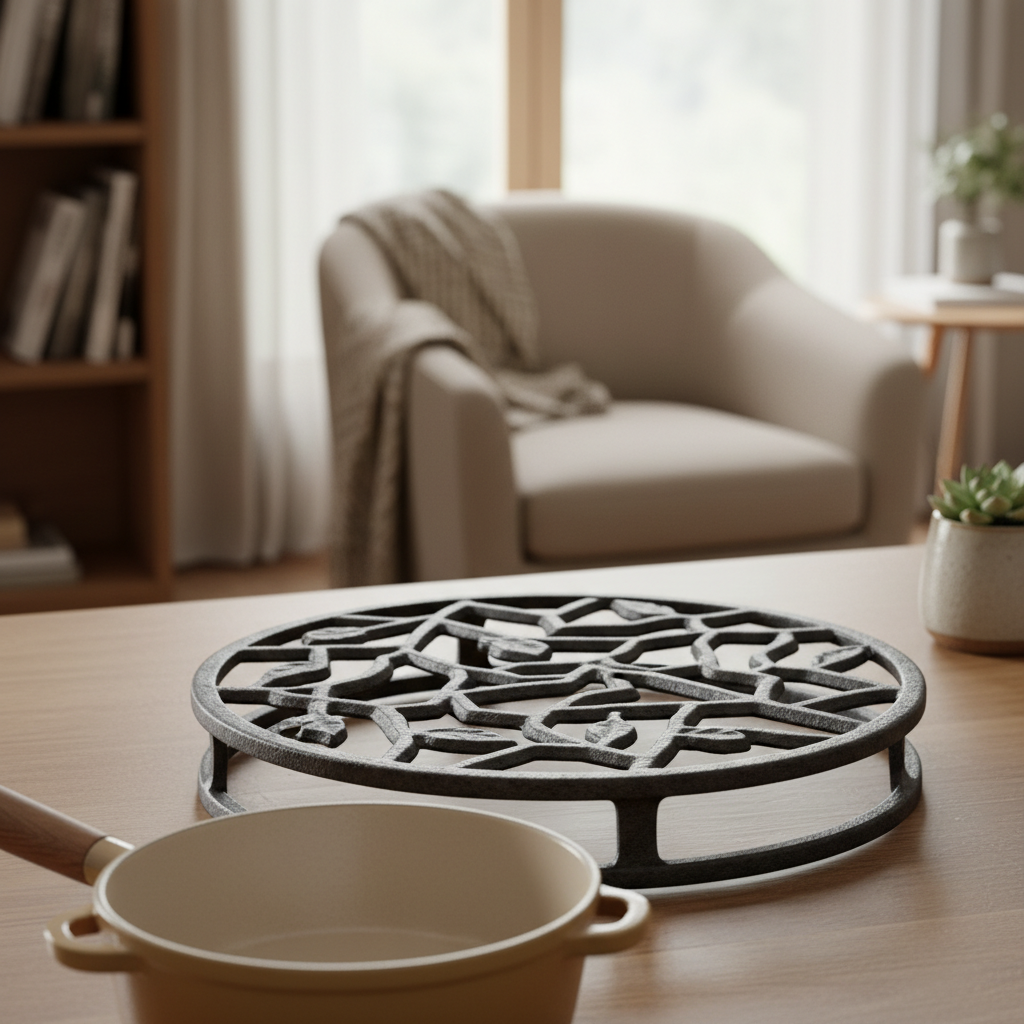
Understanding the Importance of a Camp Trivet
A camp trivet isn't just an accessory; it's a necessity for responsible outdoor cooking. It protects picnic tables, camp stoves, and other surfaces from the intense heat of pots and pans. Without a trivet, you risk damaging valuable equipment or even starting a fire. Beyond surface protection, a good trivet provides stability, preventing cookware from wobbling and potentially spilling hot food or liquids. This is especially important on uneven ground. Investing in a quality camp trivet is a small price to pay for peace of mind and a safer, more enjoyable cooking experience.
Key Benefits: Protects surfaces from heat, provides stability for cookware, prevents accidental spills, enhances safety during outdoor cooking.
Types of Camp Trivets: A Comprehensive Overview
Camp trivets come in a variety of designs, each with its own advantages and disadvantages. Some common types include:
- Folding Trivets: Compact and easy to store, ideal for backpacking.
- Silicone Trivets: Heat-resistant and non-slip, providing excellent surface protection.
- Metal Trivets: Durable and often adjustable, suitable for larger cookware.
- Wooden Trivets: Provide a natural look, but may require more care to prevent damage.
The best type of trivet depends on your specific needs and cooking style. For example, if you prioritize portability, a folding trivet is a great choice. If you need a durable option for heavy cookware, a metal trivet might be more suitable. ZD Cookware offers a selection of each type to fit every camping setup.
Trivet Type Guide:
• Folding: Best for backpacking and lightweight travel.
• Silicone: Excellent heat resistance and non-slip grip.
• Metal: Durable and adjustable for various cookware sizes.
• Wooden: Natural aesthetic, requires careful maintenance.
Materials Comparison: Choosing the Right Material for Your Camp Trivet
The material of a camp trivet significantly impacts its durability, heat resistance, and overall performance. Here’s a comparison of common materials:
Factors to Consider When Choosing a Camp Trivet
Before making a purchase, consider these factors:
- Cookware Size & Weight: Ensure the trivet can support your largest and heaviest pots and pans.
- Camping Style: Backpackers will prioritize lightweight and compact options, while car campers can opt for more robust designs.
- Surface Compatibility: Consider the types of surfaces you’ll be using the trivet on (picnic tables, stoves, etc.).
- Ease of Cleaning: Choose a material that's easy to clean and maintain.
At ZD Cookware, we offer detailed product descriptions and customer reviews to help you make an informed decision.
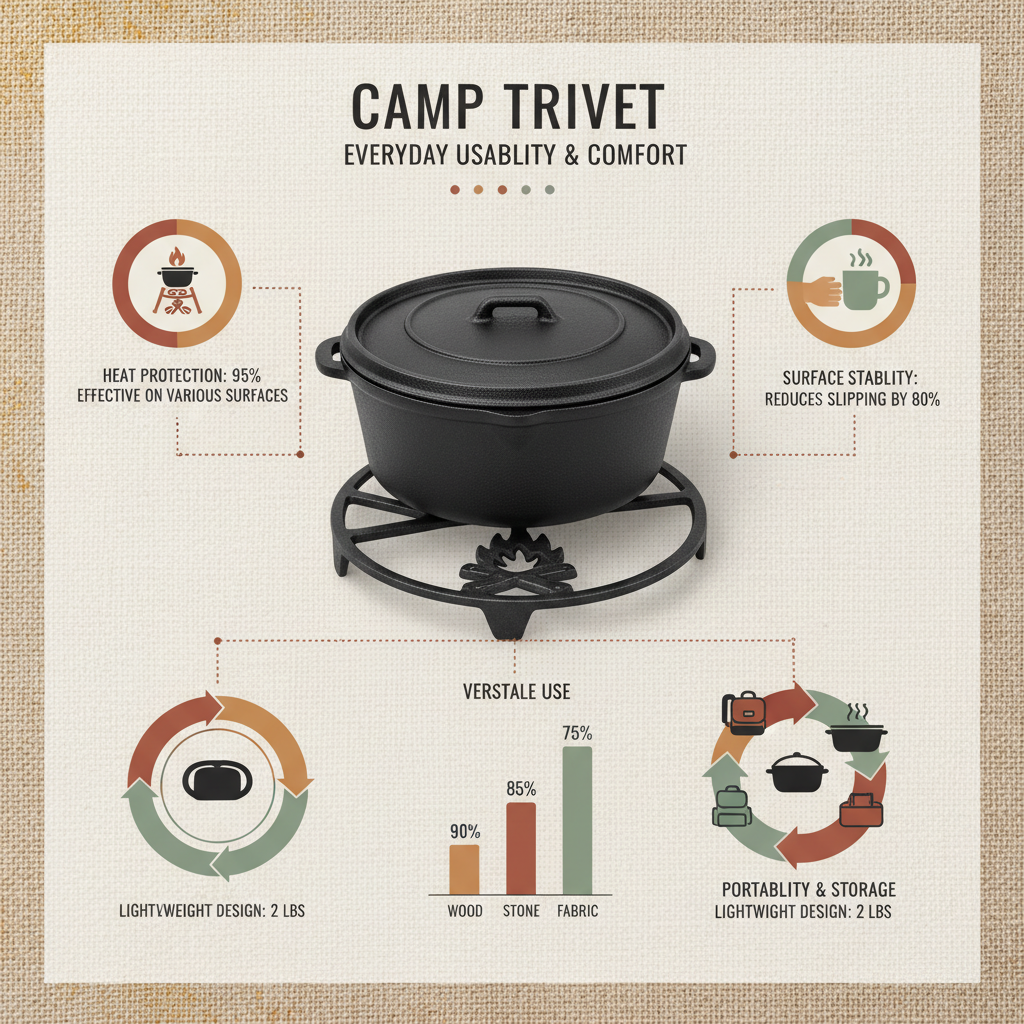
Product Spotlight: ZD Cookware Camp Trivet
Our ZD Cookware Camp Trivet is crafted from high-quality stainless steel, offering exceptional durability and heat resistance. Its foldable design makes it incredibly portable, and the non-slip feet ensure a stable cooking surface. It’s designed to withstand the rigors of outdoor use and provide years of reliable service.
Conclusion: Elevate Your Outdoor Cooking with the Right Trivet
Choosing the right camp trivet is an investment in your outdoor cooking experience. It ensures safety, prevents damage, and enhances convenience. Explore the wide selection at ZD Cookware today and find the perfect trivet for your next adventure.
Frequently Asked Questions (FAQs)
What weight capacity should I look for in a camp trivet?
The weight capacity depends on the size and weight of your cookware. Always check the product specifications to ensure the trivet can safely support your pots and pans. As a general rule, it’s better to choose a trivet with a higher weight capacity than you think you'll need, providing an extra margin of safety. Consider the heaviest pot you plan to use while camping and select a trivet that exceeds that weight. A sturdy trivet will prevent accidents and ensure a stable cooking surface.
Are silicone trivets safe to use with high-heat cooking?
High-quality silicone trivets are generally safe for use with high-heat cooking, up to around 480°F (249°C). However, it's essential to check the manufacturer's specifications to confirm the temperature rating. Avoid using silicone trivets directly over open flames or extremely high-heat sources. Always prioritize safety and ensure the silicone is food-grade and BPA-free. ZD Cookware's silicone trivets are rigorously tested to meet safety standards.
How do I clean my camp trivet?
Cleaning instructions vary depending on the material. Silicone trivets are typically dishwasher safe. Metal trivets can be washed with soap and water, and dried thoroughly to prevent rusting. Wooden trivets require more gentle cleaning, often with a damp cloth and mild detergent, and should be dried immediately. Avoid using abrasive cleaners or scouring pads, as these can damage the surface. Regular cleaning will help maintain the trivet’s hygiene and prolong its lifespan.
Can I use a camp trivet on a glass stovetop?
While some trivets can be used on glass stovetops, it’s crucial to choose one specifically designed for that purpose. Avoid using trivets with rough bottoms or sharp edges, as these can scratch the glass surface. Silicone trivets are generally a safe option, but always check the manufacturer’s instructions. It’s also important to ensure the trivet is clean and free of debris before placing it on the stovetop to prevent damage.
-
Mastering Outdoor Cooking with a Portable Dutch Oven GuideNewsApr.16,2026
-
Master Outdoor Cooking with the Oval Cast Iron Camp Oven GuideNewsApr.09,2026
-
Unlocking Flavorful Adventures with Outdoor Cooking with a Dutch OvenNewsApr.07,2026
-
Elevate Your Outdoor Cooking With A Premium Outdoor Cast Iron OvenNewsApr.04,2026
-
Discover the Benefits of a Cast Camp Oven for Outdoor CookingNewsMar.31,2026
-
Maximize Your Outdoor Cooking with a Camping Tripod and Dutch OvenNewsMar.28,2026