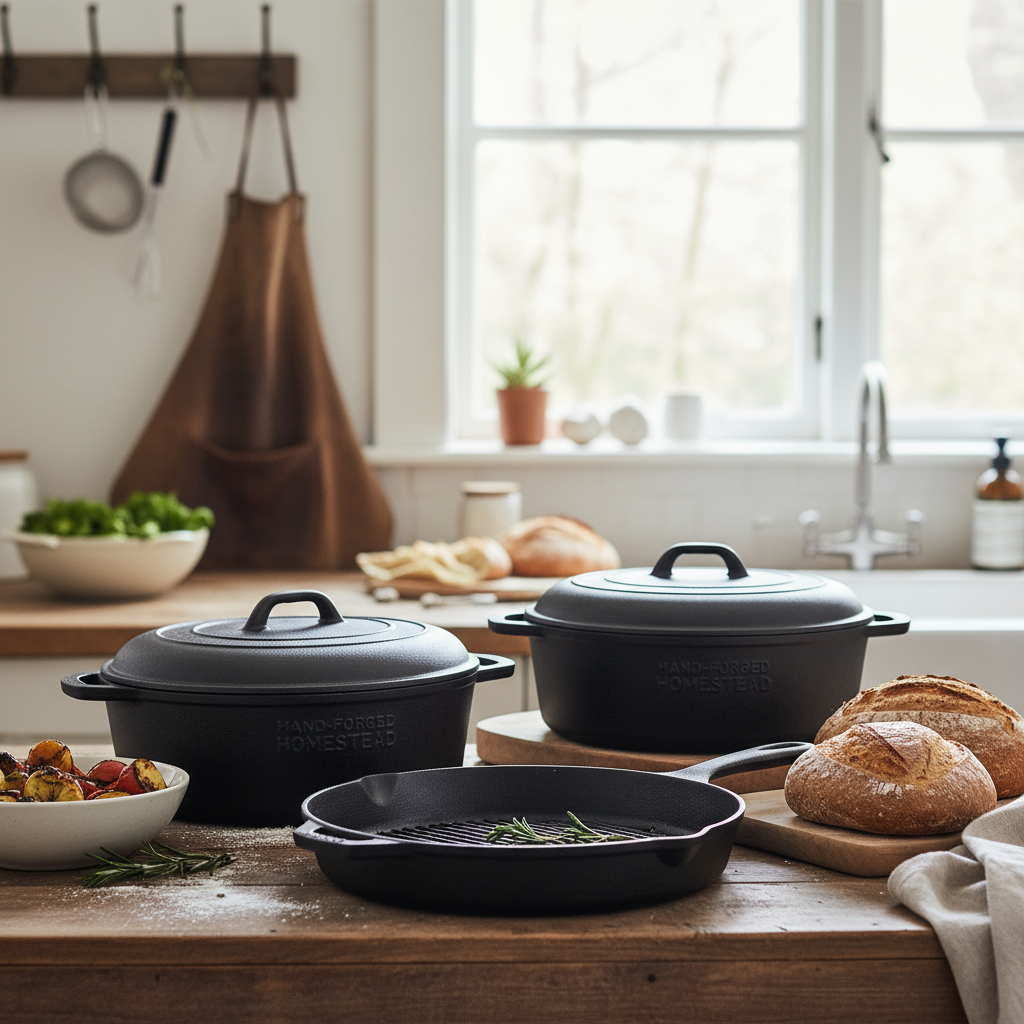
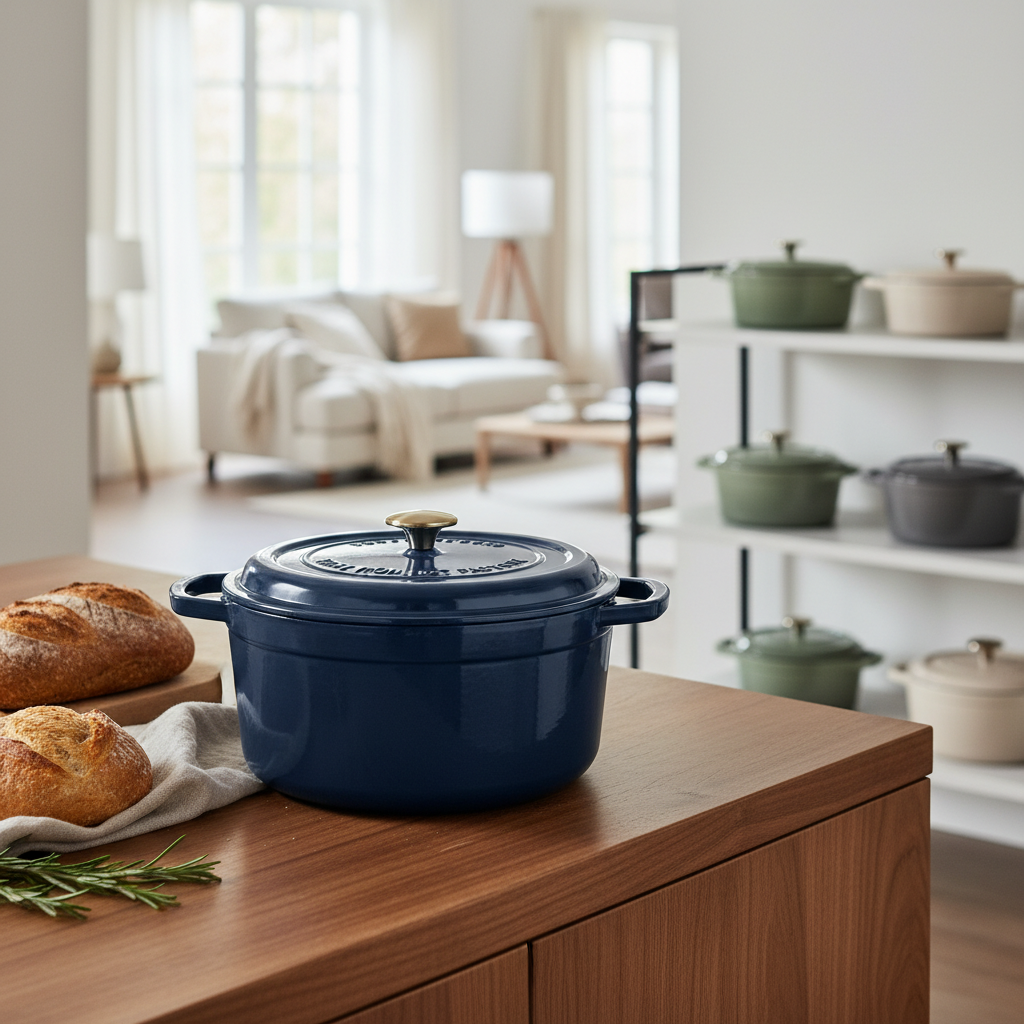
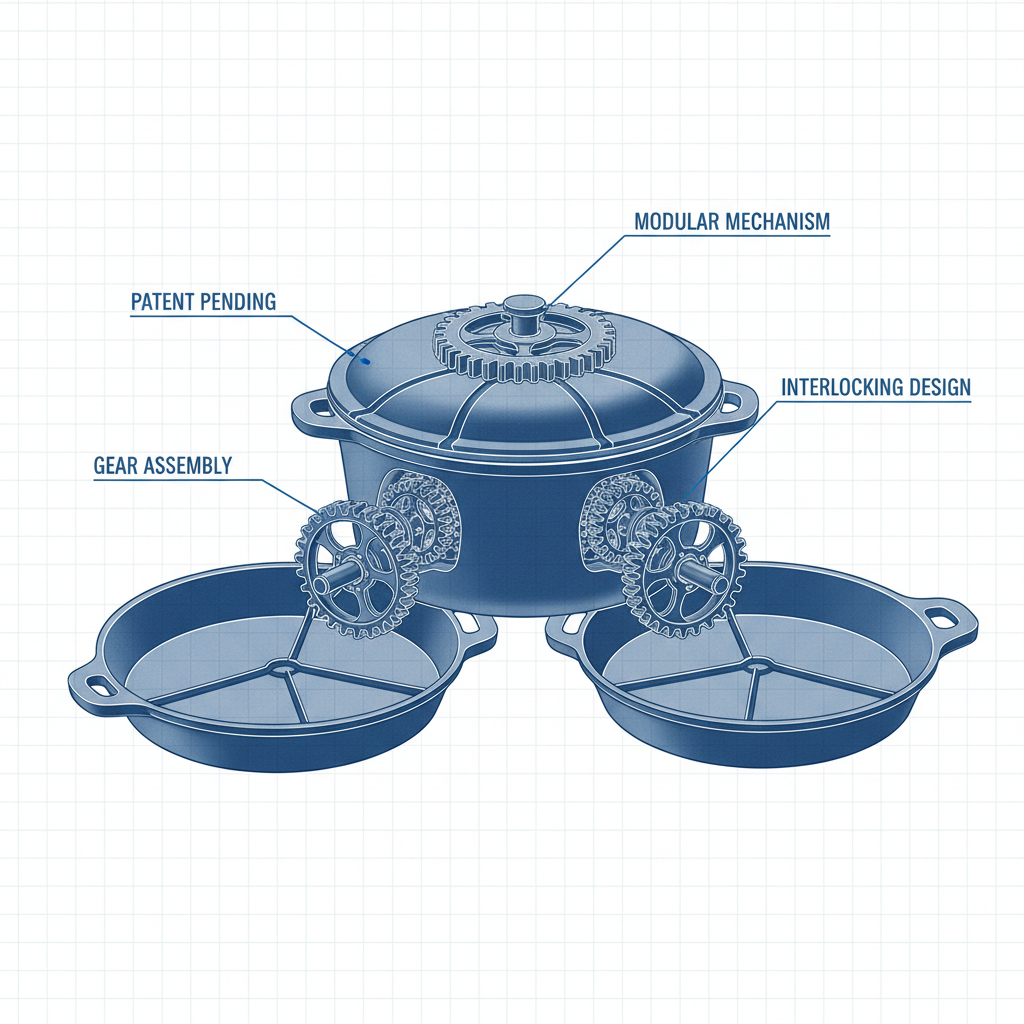
Types of iron cookware have been integral to culinary practices for millennia, evolving from rudimentary cast iron pots to the sophisticated designs we see today. Globally, the demand for durable and reliable cookware remains consistently high, with iron cookware often prized for its even heating and ability to retain heat – qualities particularly valued in professional kitchens and traditional cooking styles. Understanding the different types of iron cookware – from seasoned cast iron to enameled cast iron and even newer variations like carbon steel – is crucial for both home cooks and culinary professionals seeking optimal performance and longevity in their kitchen tools.
The global cookware market is a multi-billion dollar industry, with iron cookware representing a significant segment. According to recent market analysis, cast iron cookware continues to experience renewed popularity, driven by a growing interest in heritage cooking, sustainable living, and a desire for cookware that lasts. This resurgence highlights the enduring value of traditional materials and techniques. Challenges include addressing consumer concerns about maintenance and weight, but innovative solutions like pre-seasoned options and lighter-weight designs are steadily gaining traction.
Ultimately, the significance of understanding the nuances of types of iron cookware extends beyond mere kitchen functionality. It speaks to a broader appreciation for culinary traditions, material science, and the enduring appeal of tools that enhance our connection to food and cooking. It's a market driven by both practicality and a growing consumer base seeking quality and authenticity.
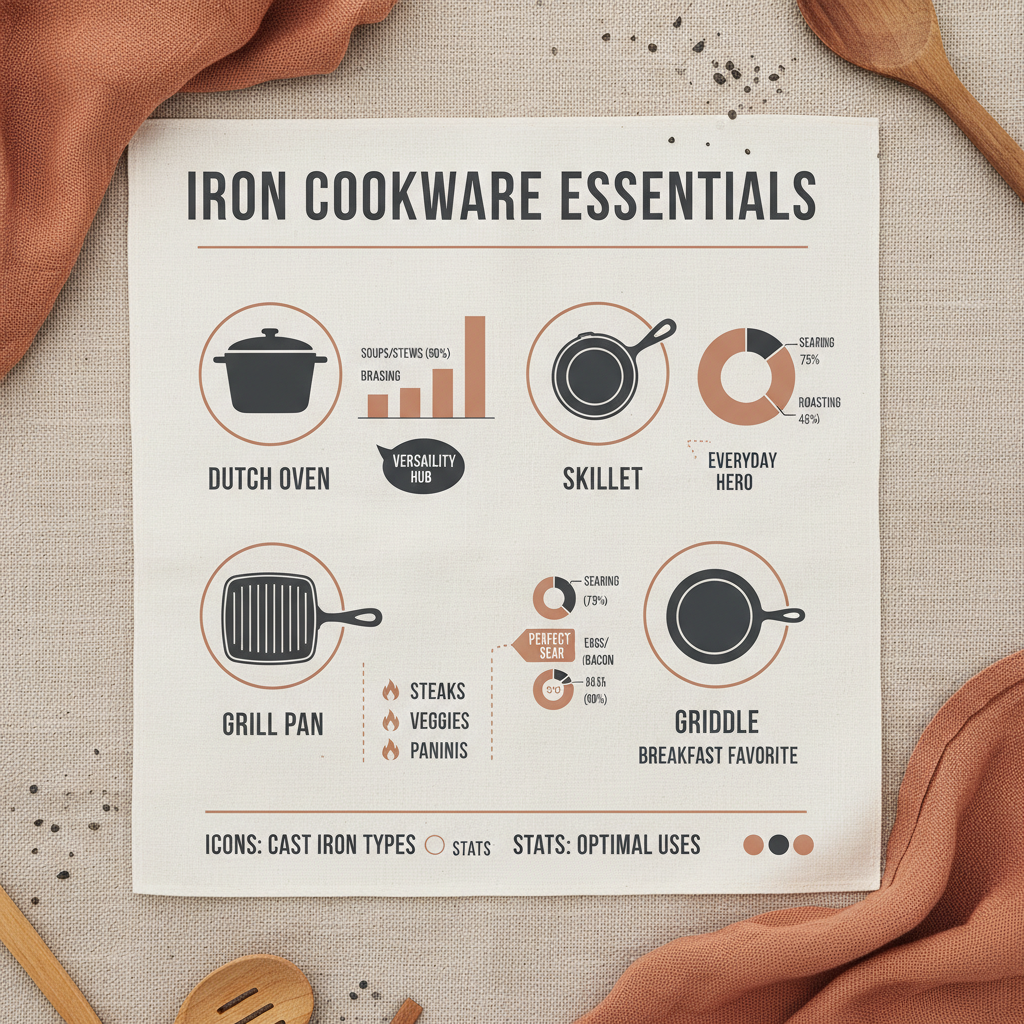
The history of types of iron cookware is deeply intertwined with the development of civilization itself. From early civilizations utilizing simple iron pots for cooking over open fires, to the refinement of cast iron techniques in the Middle Ages, iron cookware has consistently played a pivotal role in food preparation. Its durability and heat retention properties made it a staple in homes and kitchens across the globe.
Today, the legacy of this history continues, with modern innovations building upon centuries of experience. The diverse range of types of iron cookware available now – including cast iron skillets, Dutch ovens, and carbon steel woks – caters to a wide spectrum of culinary needs and preferences, demonstrating the enduring relevance of this traditional material.
For beginner cooks, enameled cast iron is an excellent choice. It requires minimal seasoning, is easy to clean, and offers even heating. While it might be pricier upfront, its ease of use and versatility make it a worthwhile investment. Pre-seasoned cast iron skillets are also a good option, though they require some initial care to build up the seasoning layer. Avoid unseasoned cast iron initially, as the seasoning process can be challenging for novices.
Seasoning cast iron involves coating it with a thin layer of oil and heating it to create a polymerized surface. Start by thoroughly cleaning and drying the skillet. Apply a very thin coat of oil (flaxseed, canola, or vegetable oil work well) to all surfaces, inside and out. Wipe off any excess oil until the surface appears almost dry. Bake upside down in a preheated oven at 400-450°F for an hour. Repeat this process several times to build up a strong seasoning layer.
While you can use metal utensils on well-seasoned cast iron, it's generally recommended to use wooden, silicone, or plastic utensils to minimize scratching the seasoning. Frequent use of metal utensils can gradually wear down the seasoning over time. If you do use metal, be gentle and avoid scraping aggressively.
Cast iron is heavier and retains heat exceptionally well, making it ideal for slow cooking and searing. Carbon steel is lighter, heats up quicker, and is more responsive to temperature changes—favored for stir-frying. Both require seasoning to prevent rust, but carbon steel generally seasons more easily. Cast iron is also more durable against impact, while carbon steel can be more prone to warping if overheated.
Preventing rust involves keeping your iron cookware dry and well-seasoned. After washing, dry it immediately and apply a very thin coat of oil. Avoid letting it soak in water for extended periods. If rust does appear, scrub it off with steel wool, re-season the affected area, and ensure proper drying and oiling after each use.
Enameled cast iron isn’t entirely non-stick like Teflon, but it's significantly less prone to sticking than traditional cast iron, especially when well-maintained. The enamel coating provides a smoother surface that requires less oil for cooking. However, it's still possible for food to stick, particularly with sugary or starchy foods. Proper preheating and using enough oil are key to minimizing sticking.
In summary, types of iron cookware represent a legacy of culinary innovation, providing enduring performance, versatility, and sustainability. From the robust heat retention of cast iron to the responsiveness of carbon steel and the convenience of enameled options, the diverse range of iron cookware caters to a wide spectrum of cooking needs and preferences. Understanding the characteristics of each type empowers cooks to make informed choices and unlock their full culinary potential.
Looking ahead, ongoing innovations in materials, coatings, and technology promise to further enhance the appeal and functionality of iron cookware. By embracing both tradition and innovation, we can ensure that these durable and sustainable cooking tools remain a vital part of kitchens worldwide for generations to come. For a more in-depth exploration of the various types of iron cookware and to find the perfect addition to your kitchen, visit our website: www.zdcookware.com