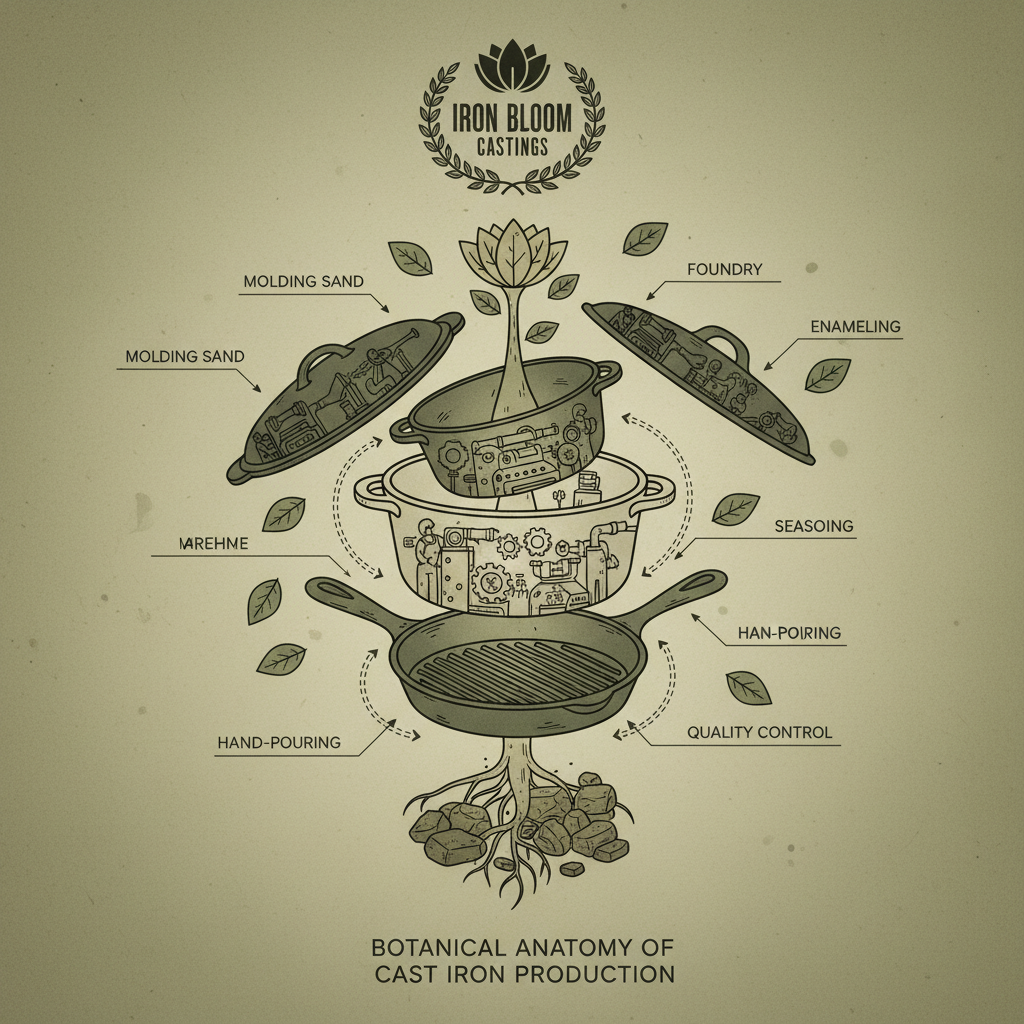
Different types of cast iron pans have been a cornerstone of kitchens for centuries, evolving from rudimentary cooking tools to highly prized culinary assets. Their enduring popularity stems from a unique combination of heat retention, durability, and versatility, making them suitable for a vast range of cooking techniques. Understanding the nuances between these pans – from seasoned skillets to enameled Dutch ovens – is crucial for maximizing their performance and enjoying the benefits they offer. This guide will delve into the various types available, exploring their characteristics and best uses.
The global demand for cast iron cookware remains consistently strong, driven by a growing appreciation for quality, longevity, and sustainable cooking practices. While traditionally associated with rustic or heritage cooking, cast iron is experiencing a resurgence in popularity amongst modern cooks who value its ability to deliver exceptional results. Data indicates a steady increase in sales across North America, Europe, and Asia, reflecting a broader trend towards home cooking and a desire for durable, reliable kitchenware.
The core appeal of different types of cast iron pans lies in their ability to address fundamental cooking needs. Whether it’s searing a steak, baking a cornbread, or simmering a stew, these pans consistently deliver superior heat distribution and retention, contributing to more even cooking and enhanced flavor development. Addressing the challenge of maintaining seasoning and preventing rust has led to innovations like enameled cast iron, broadening the appeal and accessibility of this versatile cookware.
The Enduring Legacy of different types of cast iron pans
The history of cast iron cookware is deeply intertwined with the development of metallurgy and cooking techniques. Originating centuries ago, its initial uses were practical and driven by the material’s durability and ability to withstand high heat. Over time, various types of cast iron pans emerged, each tailored to specific culinary needs.
From the simple, unseasoned skillets favored by pioneers to the sophisticated enameled Dutch ovens of today, cast iron has consistently proven its worth. Its resilience and ability to be passed down through generations have solidified its place as a beloved heirloom in many households. The evolution of different types of cast iron pans reflects a continuous process of refinement, aiming to enhance usability and expand its culinary applications.
Defining different types of cast iron pans
Different types of cast iron pans fundamentally consist of iron that has been poured into a mold and allowed to solidify. However, the variations in manufacturing processes, finishes, and intended uses lead to a diverse range of pan types. These differences impact their performance, maintenance requirements, and overall suitability for specific cooking tasks.
The primary distinction lies between ‘traditional’ or ‘seasoned’ cast iron and ‘enameled’ cast iron. Seasoned cast iron relies on a layer of polymerized oil, built up over time, to create a naturally non-stick surface and protect against rust. Enameled cast iron, on the other hand, is coated with a layer of porcelain enamel, offering a non-reactive surface and eliminating the need for seasoning.
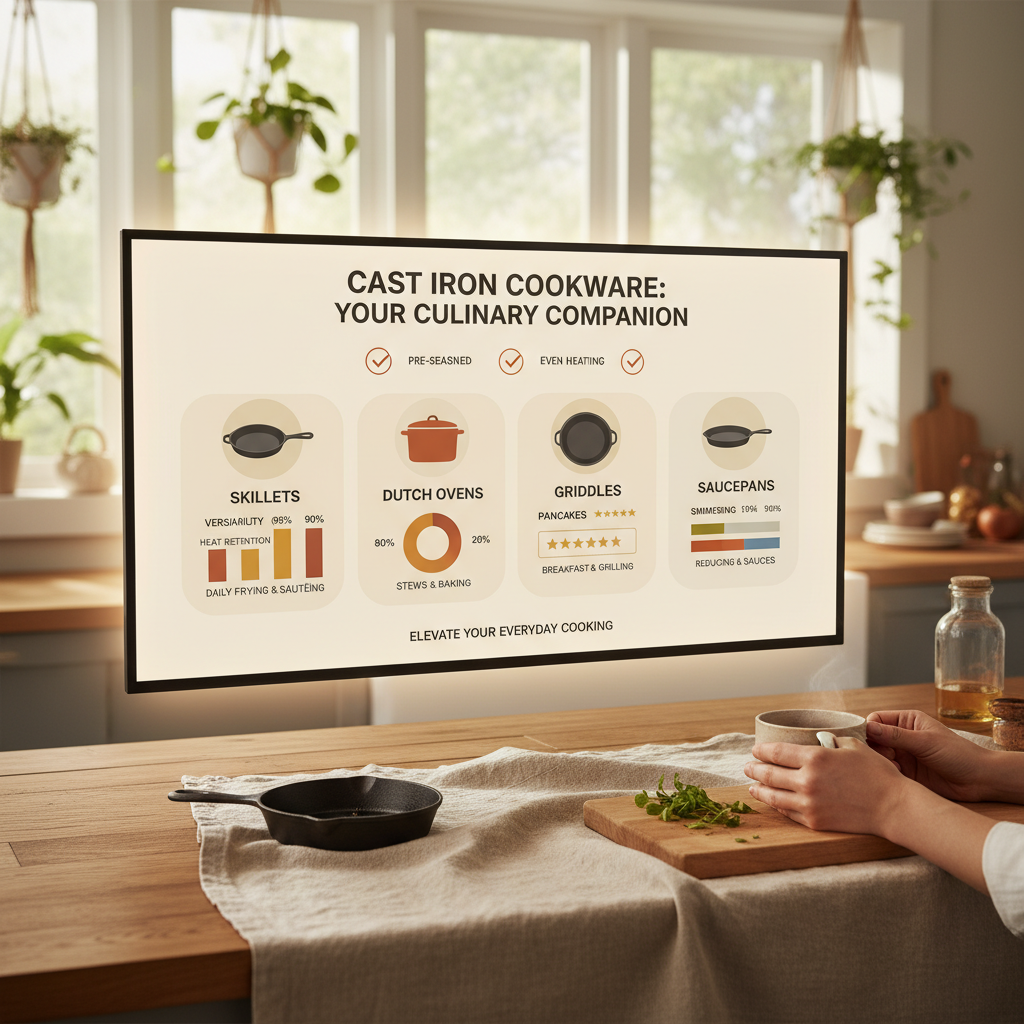
Beyond these two main categories, we encounter specialized pans like skillets, Dutch ovens, griddles, and waffle irons, each designed for specific purposes. Understanding these distinctions is key to selecting the right pan for your culinary endeavors and appreciating the unique characteristics of different types of cast iron pans.
Key Characteristics of different types of cast iron pans
One of the most defining characteristics of different types of cast iron pans is their exceptional heat retention. This property allows for even cooking temperatures and makes them ideal for searing, braising, and maintaining consistent heat during slow cooking. The thick walls and base of cast iron pans ensure that heat is distributed uniformly, preventing hot spots and ensuring consistent results.
Durability is another key feature. With proper care, a cast iron pan can last for generations. The inherent strength of the material resists warping, cracking, and damage from high heat. This longevity makes cast iron a sustainable and cost-effective investment in the long run, diminishing the need for frequent replacements.
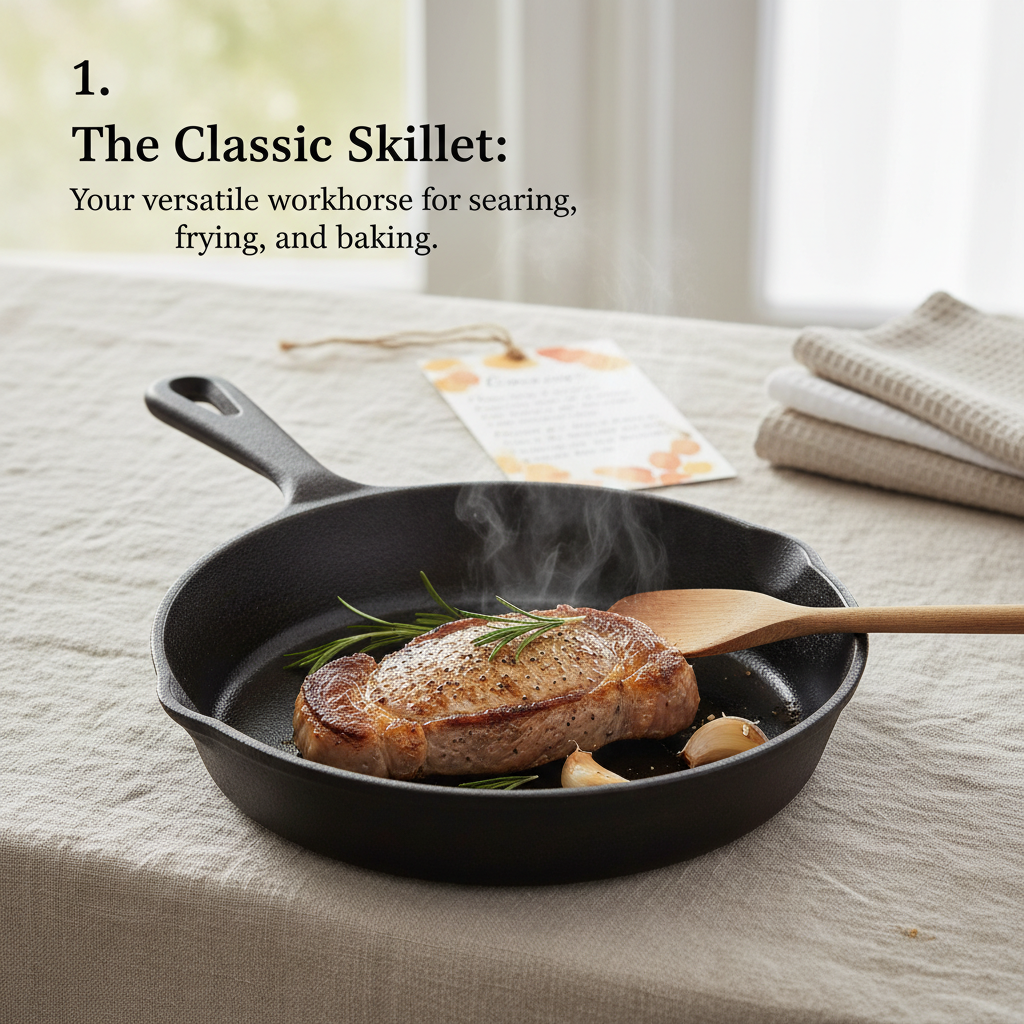
Versatility sets different types of cast iron pans apart. They can be used on a variety of heat sources, including stovetops, ovens, campfires, and even grills. This adaptability allows for seamless transitions between cooking methods, expanding culinary possibilities. From baking to frying, cast iron excels in diverse applications.
Applications of different types of cast iron pans Across the Globe
The use of different types of cast iron pans is globally widespread, but varies according to regional culinary traditions. In the American South, seasoned cast iron skillets are indispensable for cornbread, fried chicken, and other regional specialties. In France, enameled Dutch ovens (known as ‘cocottes’) are prized for their ability to create tender, flavorful stews and braises.
Across many Asian countries, flat-bottomed cast iron woks are used extensively for stir-frying, providing high heat and even cooking. In Latin America, traditional paella pans often utilize cast iron to distribute heat evenly across the large, shallow pan. These regional variations demonstrate the adaptability of different types of cast iron pans to diverse cooking styles.
Beyond domestic kitchens, cast iron cookware finds application in professional settings as well. Restaurants and catering services frequently rely on the durability and heat retention of cast iron for high-volume cooking. Furthermore, in remote locations or disaster relief efforts, cast iron’s robustness and ability to function with minimal resources make it a valuable asset.
Comparative Performance of different types of cast iron pans
The Advantages of Investing in different types of cast iron pans
The economic benefits of owning different types of cast iron pans are significant. Their longevity translates to a lower long-term cost compared to frequently replacing non-stick cookware. The initial investment is offset by years, even decades, of reliable use.
From a sustainability perspective, cast iron is an environmentally responsible choice. The material is durable and recyclable, reducing waste. Furthermore, the energy efficiency of cast iron cookware—its ability to retain heat—can contribute to lower energy consumption during cooking.
Future Trends in different types of cast iron pans
Innovation in cast iron cookware continues to emerge, with manufacturers exploring new alloys and surface treatments to enhance performance and ease of maintenance. We can expect to see more lightweight cast iron options, combining the benefits of cast iron with improved maneuverability.
Smart cast iron pans equipped with temperature sensors and connectivity features are also on the horizon, providing cooks with real-time feedback and enhanced control. Furthermore, research into eco-friendly seasoning alternatives and sustainable manufacturing processes will drive the industry towards greater environmental responsibility.
A growing trend is the customization of cast iron, allowing consumers to personalize their cookware with unique designs and finishes. This emphasis on aesthetics complements the functional benefits of cast iron, appealing to a wider range of consumers.
Challenges and Innovations in different types of cast iron pans
One of the primary challenges associated with traditional cast iron is its maintenance. Seasoning requires consistent care to prevent rust and maintain a non-stick surface. However, enameled cast iron addresses this issue, offering a low-maintenance alternative.
Weight is another common concern, particularly for those with limited strength or mobility. Lightweight cast iron alloys and innovative designs are being developed to mitigate this problem.
Innovations in seasoning techniques, such as pre-seasoned pans and improved seasoning oils, are simplifying the maintenance process. Furthermore, advancements in enamel technology are enhancing the durability and chip resistance of enameled cast iron, further broadening its appeal.
Addressing Key Challenges in different types of cast iron pans
| Challenge |
Impact on User Experience |
Current Solutions |
Future Innovations |
| Seasoning Maintenance |
Rusting, sticking, and reduced performance. |
Pre-seasoned pans, regular oiling, proper cleaning. |
Self-seasoning coatings, improved oil formulations. |
| Weight |
Difficulty handling, especially for some users. |
Smaller pan sizes, lighter-weight alloys. |
Advanced material science for lighter yet durable cast iron. |
| Heat Distribution |
Potential for hot spots and uneven cooking. |
Thick base and walls, consistent preheating. |
Optimized internal geometry for uniform heat spread. |
| Enamel Chipping |
Loss of non-stick properties, exposure of cast iron. |
High-quality enamel coatings, careful usage. |
Reinforced enamel formulas, scratch-resistant technologies. |
| Cost |
Higher initial investment compared to some other cookware. |
Long-term durability and value offset the initial cost. |
Streamlined manufacturing processes for cost reduction. |
| Cleaning |
Hand washing recommended, avoid harsh detergents. |
Gentle soap, non-abrasive sponges, thorough drying. |
Non-stick enamel formulations, easier cleaning solutions. |
FAQS
Seasoning a new cast iron pan is crucial for creating a natural non-stick surface and protecting it from rust. Begin by thoroughly cleaning the pan with warm, soapy water and drying it completely. Then, apply a thin, even coat of cooking oil (flaxseed, canola, or vegetable oil are good options) to all surfaces, inside and out. Bake the pan upside down in a preheated oven at 350-400°F (175-200°C) for one hour. Repeat this process several times to build up a strong seasoning layer. Proper seasoning requires patience but yields excellent results.
While cast iron is incredibly durable, using metal utensils can potentially damage the seasoning layer over time. Silicone, wood, or plastic utensils are generally recommended to preserve the seasoning. However, occasional use of metal utensils is unlikely to cause significant harm, particularly with a well-established seasoning. Ultimately, gentle handling will extend the life of your pan’s seasoning.
Avoid harsh detergents and abrasive scrubbers when cleaning cast iron. Instead, rinse the pan with warm water and use a soft sponge or brush to remove food residue. For stuck-on food, you can simmer water in the pan for a few minutes to loosen it. Dry the pan thoroughly immediately after washing, and apply a thin coat of oil to prevent rust. Avoid letting cast iron soak in water for extended periods.
Enameled cast iron offers several advantages over traditional seasoned cast iron, justifying the higher price for many cooks. It doesn't require seasoning, is non-reactive (meaning it won’t impart flavors to acidic foods), and is easier to clean. The enamel coating also protects against rust. While enameled cast iron can chip if dropped, it provides a convenient and versatile cooking experience for those seeking a low-maintenance option.
It is strongly discouraged to put cast iron in the dishwasher. The harsh detergents and prolonged water exposure can strip away the seasoning, leading to rust and damage. Hand washing is the recommended method for cleaning cast iron. While some enameled cast iron is dishwasher safe, it’s always best to check the manufacturer’s instructions to avoid any potential damage to the enamel coating.
For baking, a Dutch oven with a tight-fitting lid is an excellent choice for breads, cobblers, and casseroles. Skillets are perfect for cookies, pies, and cornbread. Consider the size and shape of the pan based on your baking needs. Enameled cast iron is particularly well-suited for baking acidic recipes like fruit pies, as it won’t react with the ingredients. Pre-heating the cast iron thoroughly ensures even baking.
Conclusion
In conclusion, different types of cast iron pans represent a time-honored tradition of culinary excellence. From the rugged durability of seasoned skillets to the effortless versatility of enameled Dutch ovens, these pans offer a unique combination of performance, longevity, and value. Understanding the nuances of each type allows cooks to select the ideal pan for their specific needs and cooking style.
Investing in cast iron is not merely purchasing cookware; it’s acquiring a piece of culinary history and a sustainable cooking tool that can be passed down through generations. As innovations continue to refine cast iron technology, we can expect even greater convenience and performance in the future. Explore the world of cast iron – visit our website at different types of cast iron pans – and unlock a new level of cooking enjoyment.