Enamel Coated Cast Iron Pot – Even Heat, Oven-Safe, Durable
A Field Report on the Little Workhorse: Enamel Coated Cast Iron Pot
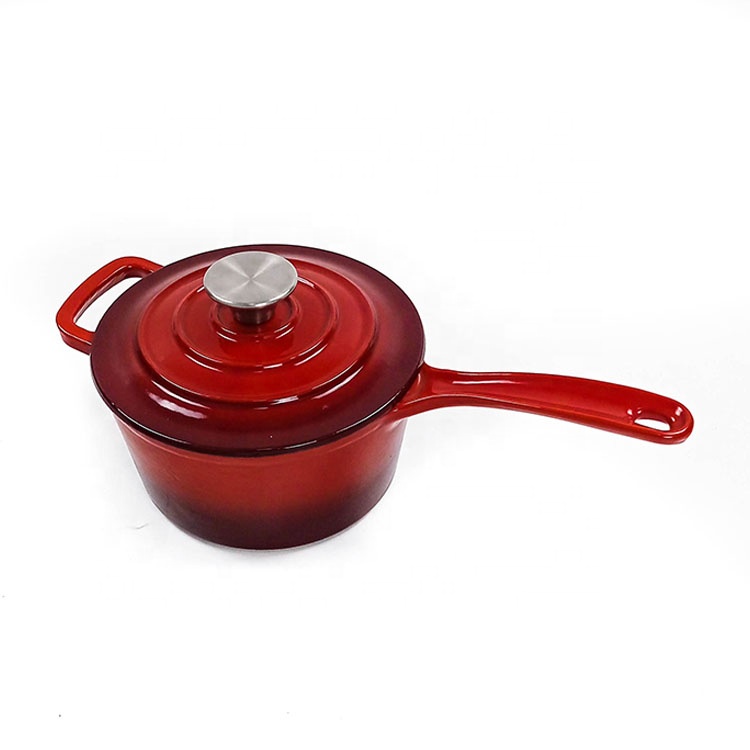
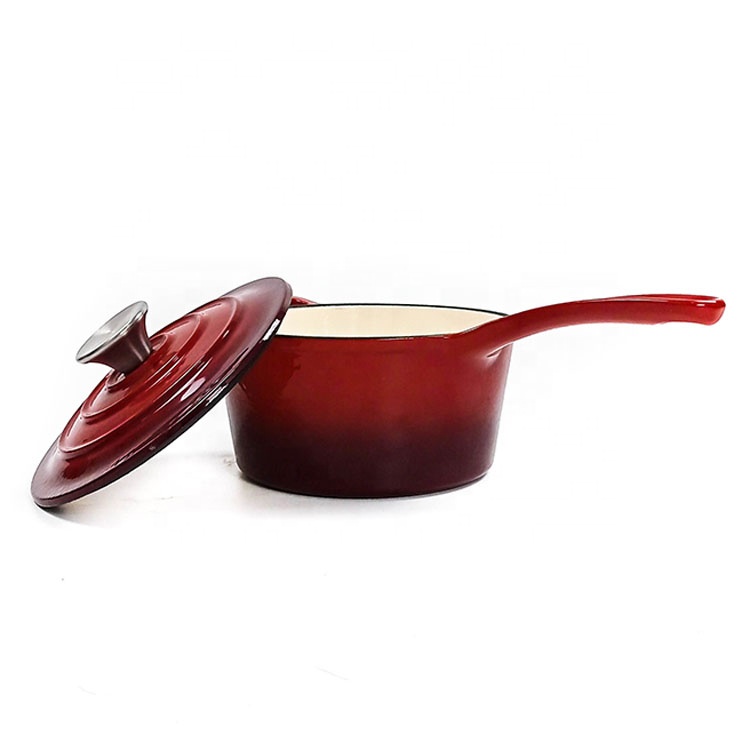
If you cook for a living—or for a crowd on weekends—you learn to trust the quiet performers. This 19 cm red sauce pan from Hebei, China (model ZHD001) is one of those. It’s compact, modern, and surprisingly tough. And yes, it’s PFAS-free by design because the surface is vitreous enamel, a glass-ceramic coating fused to iron. Actually, that’s part of a bigger trend: people are ditching questionable coatings, moving to safer, longer-lived cookware.
What’s new in the category
- Induction-first kitchens are now mainstream; cast iron’s magnetic base is a natural fit.
- PFAS-free cookware demand keeps rising; enamel is winning by default.
- Hotels and small bistros favor 18–20 cm pans for portion sauces to control waste.
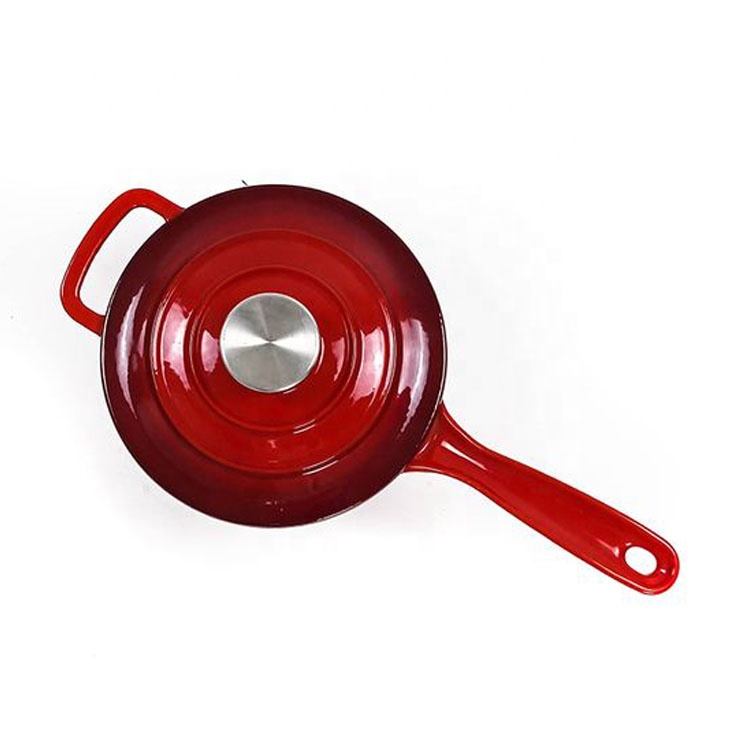
Key specifications (real-world use may vary)
| Product | ENAMELED CAST IRON SAUCE POT, RED 19CM (Model ZHD001) |
| Diameter / Capacity | ≈19 cm / 1–2 L |
| Material | Cast iron core with vitreous enamel (inside & outside) |
| Stove compatibility | Gas, induction, electric, ceramic |
| Lid | With lid (optional configurations available) |
| Enamel thickness | ≈250–400 μm |
| Oven-safe | Up to ≈260°C (handle knob spec may limit) |
| Origin | West of the middle section of Baigu Road, Baixiang County, Xingtai City, Hebei, China 055450 |
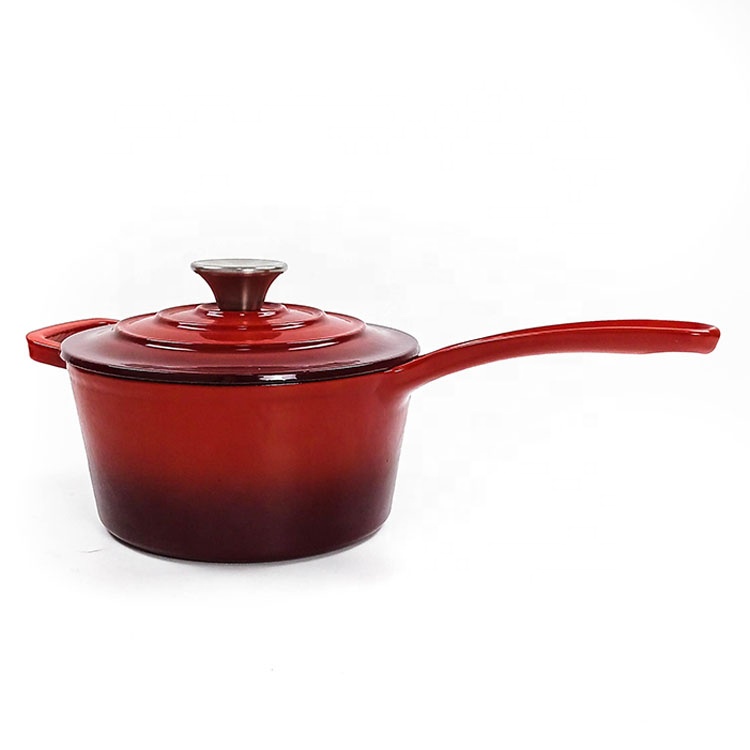
How it’s made (short version)
Materials: gray cast iron is melted and poured into sand molds; after shakeout, surfaces are shot-blasted. A ground coat enamel slips on, then color coats. Firing happens around 780–830°C. The result: a glassy, non-porous finish bonded to iron.
Testing and standards: lead/cadmium migration tested against ISO 4531; cookware safety to EN 12983-1; thermal shock (e.g., 180°C to 20°C water) ≥12 cycles without spalling; salt-spray and abrasion checks as per supplier’s QC plan. Typical service life? 10+ years if you avoid metal scraping and dramatic quenching.
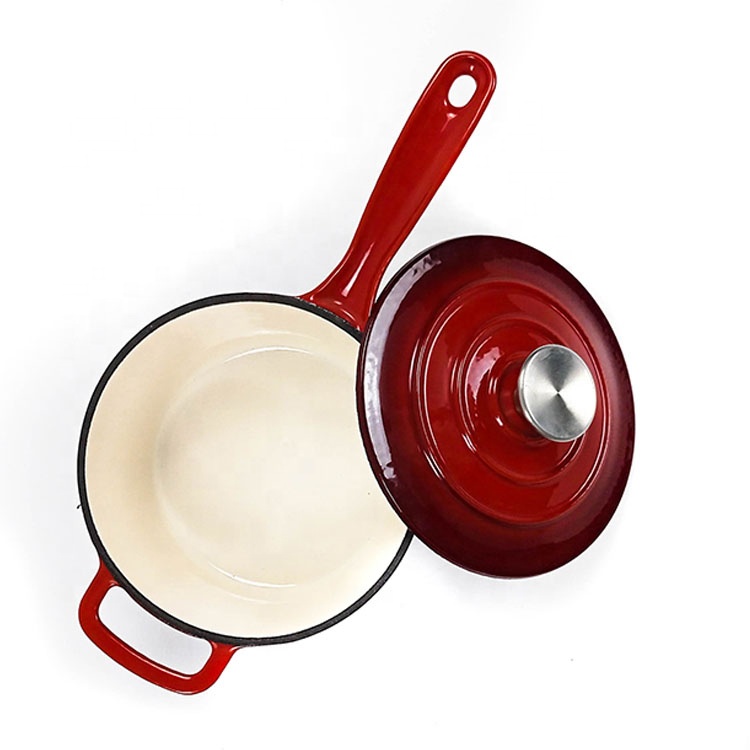
Where it shines
- Reduction sauces, caramel, custards—steady low-medium heat is its jam.
- Single-serve stews and ramen in bistros; many customers say heat retention is the “secret.”
- Induction apartment kitchens; tiny footprint, serious output.
Feedback I hear a lot: it cleans easier than raw cast iron, and it looks good table-side. Fair point. A Enamel Coated Cast Iron Pot also resists tomato acidity better than bare iron, which is a relief for marinara nights.
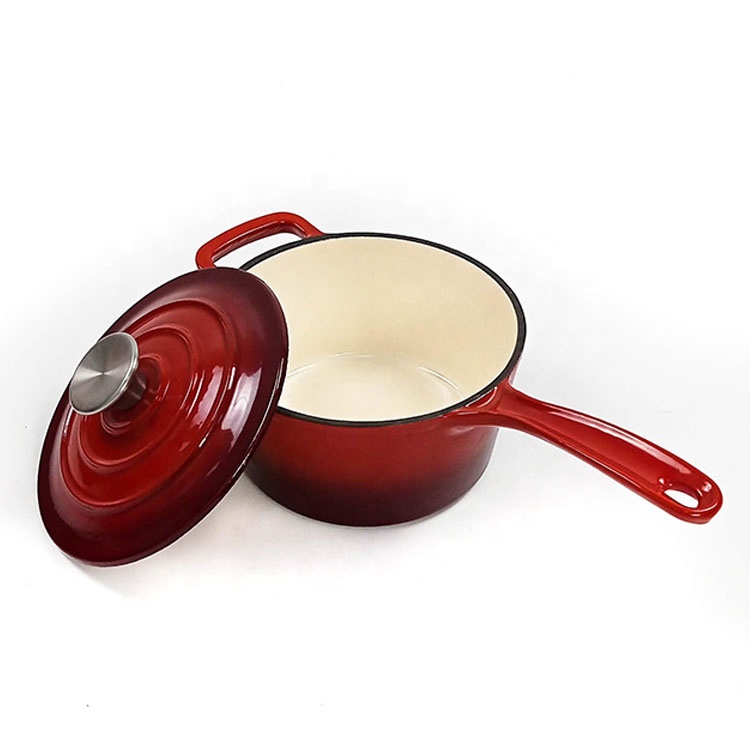
Vendor snapshot (approximate)
| Criteria | ZD Cookware (Hebei) | Global Premium Brand | Generic Importer |
|---|---|---|---|
| Lead time | ≈30–45 days | ≈60–90 days | ≈45–70 days |
| Cert coverage | ISO 4531, LFGB, REACH (via third-party tests) | Broad global set | Varies; check reports |
| Customization | Colors, logos, lid/knob, enamel spec | Wide (higher MOQs) | Limited |
Customization & compliance
OEM options: colorways (matte or gloss red, black, cream), interior enamel color, branding on the lid, knob materials, and packaging. Typical QC includes migration testing (ISO 4531), LFGB compliance checks, and REACH SVHC screening, usually by SGS or similar labs.
Two quick case notes
- A boutique hotel group standardized the 19 cm Enamel Coated Cast Iron Pot for portioned demi-glace; gas-to-induction switch was seamless.
- An APAC DTC cookware brand used custom cream interior enamel; their returns dropped after moving from PTFE pans to enamel iron (fewer coating complaints).
Final thoughts
Is it perfect? Nothing is. Enamel can chip if you slam it, and it’s not feather-light. But for steady heat, clean flavors, and durability, a Enamel Coated Cast Iron Pot like this 19 cm model is frankly hard to beat.
References
- ISO 4531:2018 – Vitreous and porcelain enamels — Release from enamelled articles in contact with food.
- EN 12983-1 – Cookware for domestic use – Part 1: General requirements.
- LFGB (Germany) Food Contact Materials – Articles intended to come into contact with food.
- ECHA REACH SVHC Guidance – Candidate list for substances of very high concern.
- ISO 28706-1 – Vitreous enamels — Determination of resistance to chemical corrosion.
-
Antique Cast Iron Camp Oven: Durable Outdoor Cookware for Professionals | ZD CookwareNewsJan.06,2026
-
Durable 4 Quart Camping Pot for Professional Use | ZD CookwareNewsJan.06,2026
-
Durable Campfire Cast Iron Pot for Outdoor & Industrial UseNewsJan.06,2026
-
Cast Iron Griddle for Camp Stove – Durable Outdoor Cooking EssentialNewsJan.06,2026
-
Dutch Oven Cast Iron Camping – Durable Outdoor Cooking GearNewsJan.05,2026
-
Durable and Efficient Cast Iron Camping Griddle for B2B Professionals | ZD CookwareNewsJan.05,2026