Durable and Sustainable Dutch Oven Pots for Sale | Your Guide to Quality Cookware
The Global Appeal of Dutch Oven Pots for Sale: Why It Matters
If you’ve ever cooked a slow-simmered stew, you probably know how magical a dutch oven can be. These heavy, usually cast-iron pots have been kitchen staples for centuries, but their relevance has only grown with time—especially in markets where durability, efficiency, and versatility are prized.
Why do dutch oven pots for sale trend worldwide? Beyond home cooks and backyard chefs, these pots represent sustainable cooking methods. They preserve heat well, require less fuel, and last for decades if handled properly. Globally, with increasing concerns about energy efficiency and sustainable living, understanding and investing in reliable cookware like dutch ovens can make a serious difference, whether in urban apartments or rural off-grid communities.
Plus—let’s be honest—there’s something nostalgic and reassuring about them. Their simple design with a tight lid, thick walls, and lid that doubles as a frying pan screams practicality.
Quick takeaway: Dutch ovens serve as both timeless kitchen tools and sustainable cooking solutions globally. Their value goes far beyond looks or tradition.
Introduction: A Global Look at Dutch Oven Pots for Sale
According to the Food and Agriculture Organization (FAO), traditional cooking methods account for roughly 30% to 40% of household energy use in many parts of the world. That sheds light on why cookware efficiency matters. A well-designed dutch oven reduces heat loss enormously—a feature crucial in countries where fuel is scarce or costly.
In North America and Europe, demand is driven by a mix of nostalgia, culinary experiments, and a surge in “slow food” movements. Meanwhile, in parts of Africa, Asia, and South America, dutch ovens present affordable, rugged options for cooking over open fires or modest stovetops.
But here’s a challenge: with so many brands offering dutch oven pots for sale, how does one pick the right product that balances cost, craftsmanship, and sustainability?
Quick takeaway: The global demand for dutch ovens is shaped by energy concerns, culinary trends, and accessibility, highlighting the need for thoughtful purchasing choices.
What Exactly Are Dutch Oven Pots?
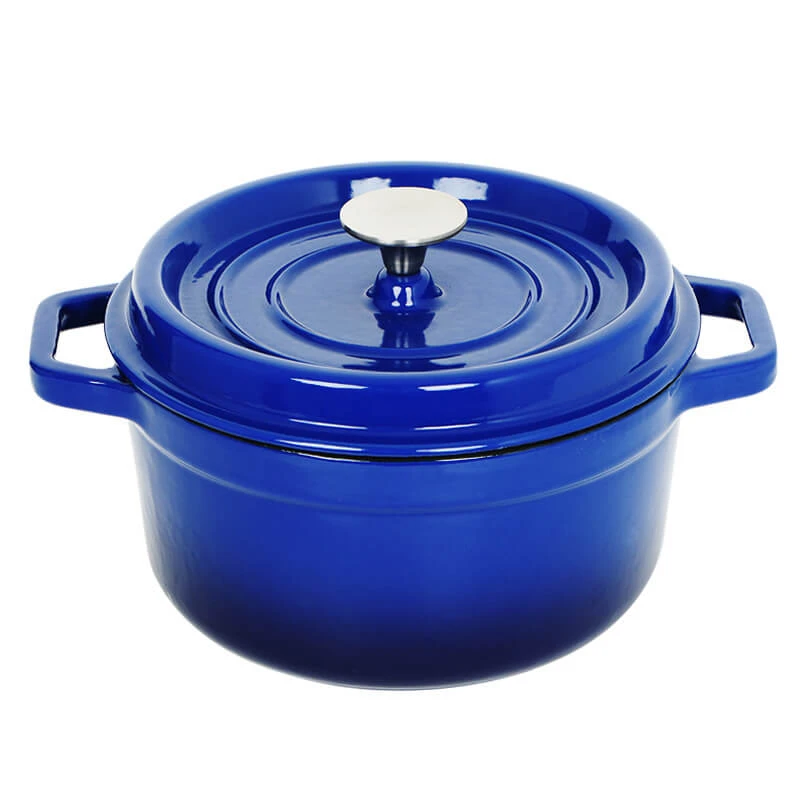
Simply put, dutch oven pots are thick-walled cooking vessels with a heavy lid, usually made of cast iron or enameled cast iron. The key feature—heat retention—allows them to cook food evenly at low temperatures for long periods. This makes them ideal for stewing, braising, baking, and frying.
In modern industry terms, their design connects to sustainability efforts, offering low-energy cooking options. Humanitarian organizations even recommend them for disaster relief kitchens, where fuel availability is unpredictable but reliable cookware is essential.
In other words, a dutch oven isn’t just a pot; it’s part of a strategy for better cooking and resource conservation.
Quick takeaway: Dutch ovens combine simple design with powerful heat retention, making them a cornerstone of efficient cooking worldwide.
Key Factors to Consider When Buying Dutch Oven Pots
1. Durability
Cast iron dutch oven pots are famously rugged. Many families hand down theirs through generations. Enameled versions resist rust but can chip if mishandled. Durability ensures less replacement waste and better long-term value.
2. Heat Retention and Distribution
The whole point of a dutch oven: even heat distribution allows for slow, gentle cooking. Thick walls absorb heat and release it slowly—no hot spots. This translates to better flavor and energy savings.
3. Versatility
You can use dutch ovens on stovetops, ovens, campsites, and even open flames. Many lids double as skillets. This adaptability makes them favorites among both home cooks and outdoor adventurers.
4. Maintenance and Care
Pre-seasoned cast irons need occasional re-seasoning. Enameled versions require less upkeep but are heavier. Ease of cleaning affects daily use and consumer satisfaction.
5. Cost Efficiency
A good dutch oven lasts decades. While initial costs may seem high, the investment pays off—compared to frequent replacements of cheaper cookware.
Quick takeaway: When searching for dutch oven pots for sale, prioritize durability, heat management, versatility, maintenance, and cost-effectiveness.
Product Specifications Comparison
| Model | Material | Capacity | Weight | Oven Safe Temp | Price Range |
|---|---|---|---|---|---|
| Classic Cast Iron | Pre-seasoned cast iron | 5.5 quarts | 12 lbs | 500°F (260°C) | $45–$65 |
| Enameled Dutch Oven | Enameled cast iron | 6 quarts | 15 lbs | 450°F (230°C) | $90–$150 |
| Lightweight Aluminum | Anodized aluminum | 4 quarts | 4 lbs | 400°F (204°C) | $30–$50 |
Global Applications & Use Cases of Dutch Oven Pots
It’s interesting how these seemingly simple pots find specialized use cases worldwide.
- Post-disaster relief camps: NGOs use dutch ovens for their durability and energy efficiency, perfect when fuel is limited and meals need to feed many.
- Remote industrial zones: Workers in mining or forestry camps rely on dutch ovens for multi-day cooking without electrical appliances.
- Urban home kitchens: Many trendy restaurants showcase dutch ovens in open kitchens, sparking consumer interest that drives sales.
- Outdoor enthusiasts: Campers and hunters prize dutch ovens for all-in-one cookware in rugged environments.
These examples hint at a fascinating cross-section of traditional craft merging with modern necessity.
Quick takeaway: Dutch ovens aren’t just cookware; they’re practical solutions adapted to diverse, global challenges.
Advantages & Long-Term Value of Dutch Oven Pots
Think of a dutch oven as an investment in reliability. Yes, the upfront cost is noticeable. But their benefits add up:
- Cost savings: Less fuel needed, less frequent replacements.
- Sustainability: Cast iron is recyclable and lasts generations.
- Emotional value: The comforting aroma and memories from slow-cooked meals.
- Reliability: Sturdy construction withstands rugged handling.
- Health and safety: Non-toxic materials without chemical coatings that degrade.
Logically speaking, these benefits make dutch ovens an attractive item for conscientious consumers aiming to minimize waste and maximize experience.
Future Trends & Innovations in Dutch Oven Pots for Sale
Oddly enough, the dutch oven market is quietly innovating:
- Material advancements: Lightweight alloys and hybrid coatings that retain heat without heaviness.
- Green energy compatibility: Designs optimized for solar cooking and induction stoves.
- Smart cookware: Emerging models integrating temperature sensors linked to smartphones (although still niche).
- Customization: Colors, sizes, and digital-age branding becoming more common.
Manufacturers are waking up to eco-conscious consumers—but the core promise of durability and reliability remains the same.
Challenges in Buying and Using Dutch Oven Pots & How to Solve Them
It’s not all sunshine and gravy, of course. Common hiccups include:
- Weight making them tough for some users.
- Enamel chipping if dropped or improperly cleaned.
- Seasoning maintenance required for bare cast iron.
- Price barriers for premium models.
Many experts suggest buying pre-seasoned options, following proper care routines, and balancing cost versus lifelong value. Plus, some companies now offer lifetime warranties or recycling programs to soften buyer hesitation.
Vendor Comparison: Picking the Right Dutch Oven Pot for Sale
| Vendor | Product Range | Price Range | Warranty | Customer Support |
|---|---|---|---|---|
| CookWare Co. | Cast iron, enameled, lightweight variants | $30–$140 | Limited lifetime | Phone, Email, Chat |
| Heritage Cast Iron | Traditional cast iron only | $40–$80 | Transferable lifetime | Email only |
| EcoCook Solutions | Enameled, hybrid materials, solar-compatible | $60–$160 | 5 years | Phone, Web Chat |
Frequently Asked Questions About Dutch Oven Pots for Sale
Q1: How do I maintain a cast iron dutch oven?
A: Regular seasoning is key. After each use, clean with hot water and a stiff brush (no soap), dry thoroughly, and rub with a thin layer of oil. Avoid soaking to prevent rust. Pre-seasoned models make this easier for beginners.
Q2: Are enameled dutch ovens better for everyday use?
A: For many, yes. Enameled pots require less upkeep, don’t rust, and are easier to clean. However, they’re heavier and can chip if dropped. They also usually cost more upfront.
Q3: Can I use dutch ovens on induction cooktops?
A: Definitely. Cast iron works great on induction because it has magnetic properties. Just ensure the base is flat for good contact with the cooktop.
Q4: Where can I find reliable dutch oven pots for sale online?
A: Reputable kitchenware retailers and specialty cookware stores are your best bet. For a wide selection, check out dutch oven pots for sale with verified reviews and warranty offers.
Q5: Are dutch oven pots eco-friendly?
A: Yes, especially cast iron versions. They’re built to last decades and can often be recycled. Plus, their efficient heat retention means less fuel used during cooking, reducing carbon footprints.
Conclusion: Why Investing in Dutch Oven Pots Makes Sense
In real terms, buying dutch oven pots for sale isn’t just about cooking; it’s a conscious choice towards sustainability, durability, and quality. Their long-lasting design aligns with global energy goals and caters to a wide range of users—from urban foodies to off-grid survivalists.
So next time you’re browsing for kitchen gear with heart and heritage, remember this humble pot’s global story. For quality options and expert guidance, feel free to visit our curated selection at dutch oven pots for sale.
Happy cooking!
-
Mastering Outdoor Cooking with a Portable Dutch Oven GuideNewsApr.16,2026
-
Master Outdoor Cooking with the Oval Cast Iron Camp Oven GuideNewsApr.09,2026
-
Unlocking Flavorful Adventures with Outdoor Cooking with a Dutch OvenNewsApr.07,2026
-
Elevate Your Outdoor Cooking With A Premium Outdoor Cast Iron OvenNewsApr.04,2026
-
Discover the Benefits of a Cast Camp Oven for Outdoor CookingNewsMar.31,2026
-
Maximize Your Outdoor Cooking with a Camping Tripod and Dutch OvenNewsMar.28,2026