Maximize Your Outdoor Cooking with a Camp Stove Dutch Oven Selection Guide
Choosing the Right Camp Stove Dutch Oven: A Comprehensive Guide
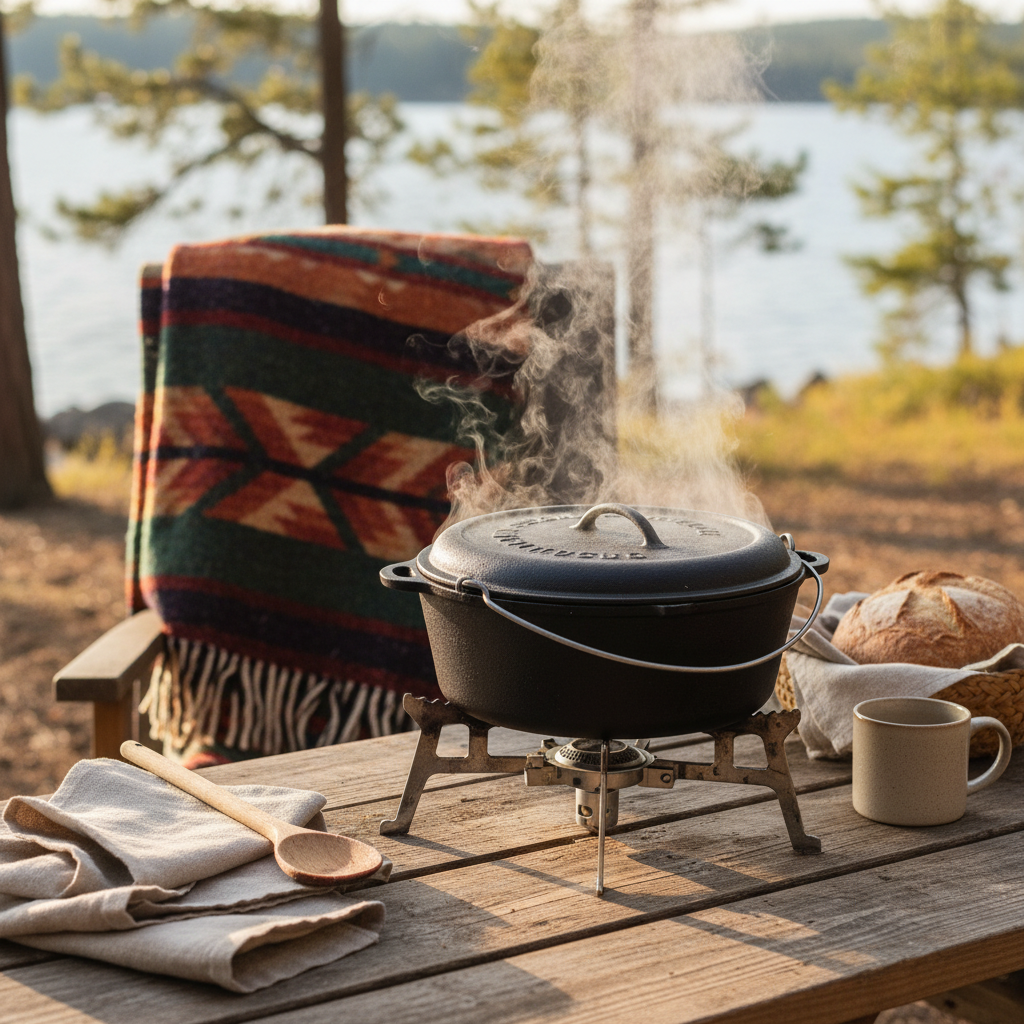
Planning a camping trip and dreaming of delicious, hearty meals cooked over an open flame? A camp stove Dutch oven is a versatile piece of cookware that can help you achieve just that. From simmering stews to baking breads, this trusty pot opens up a world of culinary possibilities in the great outdoors. This guide will explore everything you need to know about selecting the perfect camp stove Dutch oven for your adventures, including materials, sizes, features, and how to care for it. Let's dive in and discover how to elevate your campsite cooking game!
Understanding Dutch Oven Materials for Camping
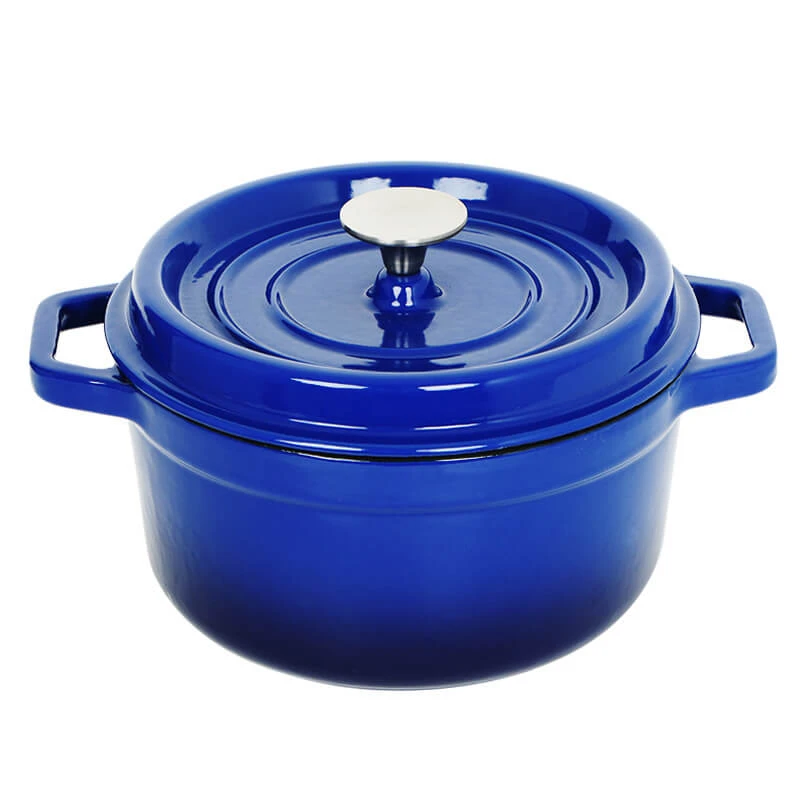
When it comes to camp stove Dutch ovens, the material plays a crucial role in its performance and durability. The most common materials are cast iron, enameled cast iron, and aluminum. Each option has its own advantages and disadvantages. Cast iron is known for its excellent heat retention and ability to withstand high temperatures, making it ideal for baking and slow cooking. Enameled cast iron offers the benefits of cast iron with the added convenience of being easier to clean and requiring less seasoning. Aluminum Dutch ovens are lightweight and heat up quickly but don’t retain heat as well as cast iron. Choosing the right material depends on your cooking style and priorities.
Camp Stove Dutch Oven Sizes: Finding the Right Fit
Dutch ovens come in a range of sizes, typically measured in quarts. The size you choose will depend on the number of people you’re cooking for. A 6-quart Dutch oven is a good all-around size for small groups or solo campers, while a 8-10 quart Dutch oven is better suited for larger families or gatherings. Consider the weight of the Dutch oven as well, especially if you’ll be backpacking. Larger Dutch ovens will be heavier to carry. ZD Cookware offers a variety of sizes to meet your needs.
Key Considerations: Size selection directly impacts the quantity of food you can prepare and the portability of the Dutch oven. Balance your group size with your carrying capacity.
Features to Look for in a Camp Stove Dutch Oven
Beyond material and size, several features can enhance your Dutch oven cooking experience. Look for a Dutch oven with a tight-fitting lid, which is essential for trapping heat and moisture. Some lids also feature raised edges for placing hot coals on top, enabling all-around cooking. Bail handles, also known as wire handles, allow you to easily lift and carry the Dutch oven, even when it’s hot. Legs on the bottom of the Dutch oven provide stability when placed directly on coals. Consider these features to optimize your campsite cooking.
Essential Features:
• Tight-fitting Lid: Ensures efficient heat retention.
• Bail Handles: For safe lifting and carrying.
• Legs: Provide stability over coals.
• Raised Lid Rim: For placing coals on top.
Camp Stove Dutch Oven Comparison: Cast Iron vs. Enameled Cast Iron
Choosing between cast iron and enameled cast iron often comes down to personal preference. Here’s a side-by-side comparison to help you decide:
Caring for Your Camp Stove Dutch Oven
Proper care will extend the life of your camp stove Dutch oven. For cast iron, season it regularly with oil to prevent rusting. Avoid using soap, which can strip the seasoning. For enameled cast iron, avoid abrasive cleaners that can damage the enamel. Always allow the Dutch oven to cool completely before cleaning. Proper storage will also protect your investment.
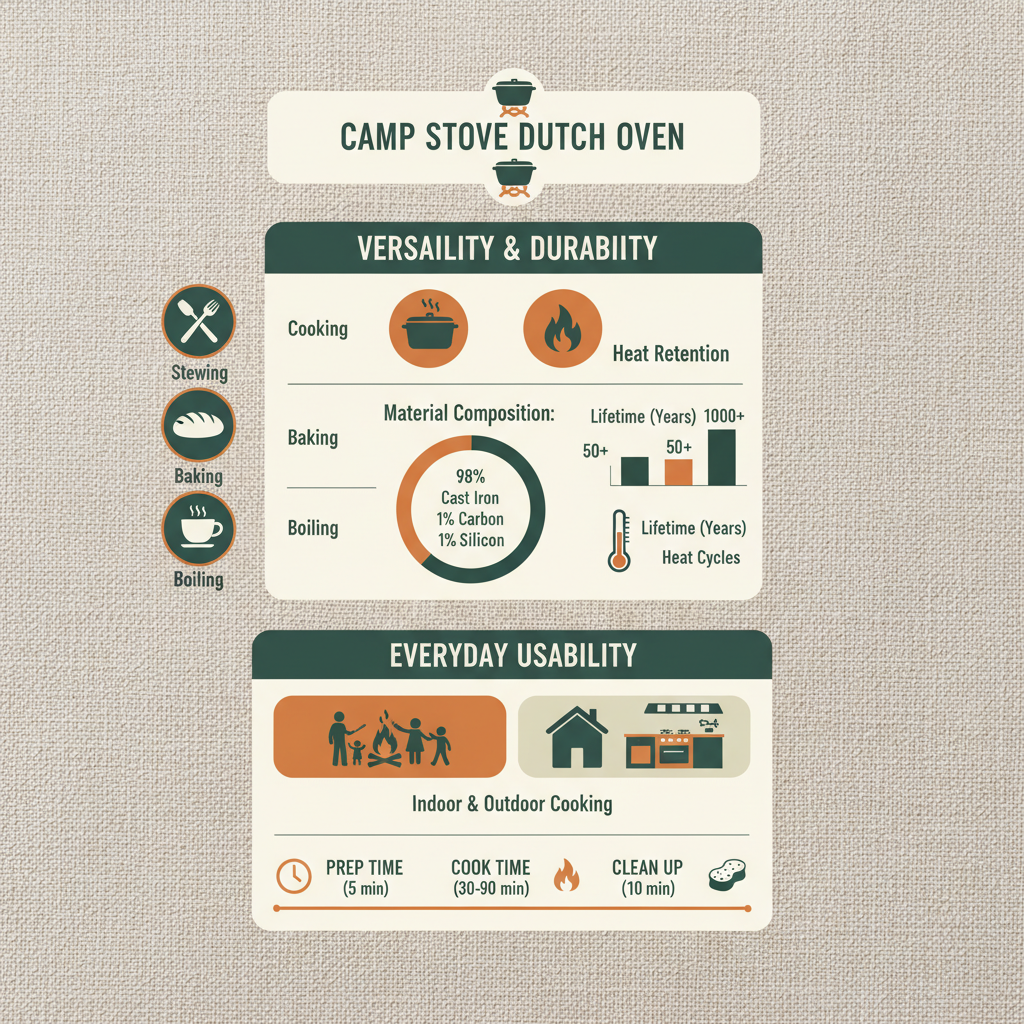
ZD Cookware: Your Source for Quality Dutch Ovens
At ZD Cookware, we offer a wide selection of high-quality camp stove Dutch ovens to suit every cooking style and budget. From classic cast iron to convenient enameled options, we have the perfect Dutch oven for your next outdoor adventure. Browse our collection today and experience the difference!
Conclusion: Elevate Your Campsite Cooking
Investing in a quality camp stove Dutch oven from ZD Cookware is an investment in unforgettable outdoor meals. With the right knowledge and the right equipment, you can create delicious and satisfying dishes while enjoying the beauty of nature. Don't settle for bland campsite food – unleash your inner chef with a ZD Cookware Dutch oven!
Frequently Asked Questions (FAQs)
What's the best way to season a cast iron Dutch oven?
Seasoning a cast iron Dutch oven involves coating it with a thin layer of oil and baking it at a high temperature. Start by washing the Dutch oven with warm water and drying it thoroughly. Apply a thin, even coat of cooking oil (flaxseed oil is preferred by many) to all surfaces, inside and out. Wipe off any excess oil. Place the Dutch oven upside down in a preheated oven at 450-500°F (232-260°C) for at least an hour. Allow it to cool completely in the oven. Repeat this process several times to build up a good seasoning layer. This protective layer prevents rusting and creates a naturally non-stick surface.
Can I use a metal spatula in an enameled Dutch oven?
While you can use metal utensils in an enameled Dutch oven, it’s best to use wooden, silicone, or plastic utensils to avoid scratching or chipping the enamel coating. Though enamel is durable, it’s susceptible to damage from repeated impacts with metal. Gentle stirring and lifting with non-metal tools will help preserve the integrity of the enamel surface and extend the life of your Dutch oven.
How do I clean a Dutch oven after cooking a sticky meal?
For cast iron Dutch ovens, scrape out any remaining food particles and add a bit of hot water. Gently scrub with a non-abrasive sponge or brush. Avoid using soap. For enameled Dutch ovens, soak the pot in warm, soapy water for a few hours before scrubbing gently. If food is particularly stubborn, you can simmer water in the pot for a short time to loosen the residue. Dry thoroughly and re-oil cast iron Dutch ovens to prevent rusting.
Is a lid lifter necessary for a Dutch oven?
A lid lifter is highly recommended when using a Dutch oven over hot coals. It allows you to safely lift the hot lid without burning yourself. Dutch oven lids get extremely hot, and attempting to lift them with bare hands or even pot holders can be dangerous. A lid lifter provides a secure grip and keeps your hands at a safe distance from the heat. It’s a small investment that significantly enhances safety.
-
Mastering Outdoor Cooking with a Portable Dutch Oven GuideNewsApr.16,2026
-
Master Outdoor Cooking with the Oval Cast Iron Camp Oven GuideNewsApr.09,2026
-
Unlocking Flavorful Adventures with Outdoor Cooking with a Dutch OvenNewsApr.07,2026
-
Elevate Your Outdoor Cooking With A Premium Outdoor Cast Iron OvenNewsApr.04,2026
-
Discover the Benefits of a Cast Camp Oven for Outdoor CookingNewsMar.31,2026
-
Maximize Your Outdoor Cooking with a Camping Tripod and Dutch OvenNewsMar.28,2026