Mastering Outdoor Cooking with a Campfire Tripod Dutch Oven
Mastering Outdoor Cooking: A Guide to the Campfire Tripod Dutch Oven
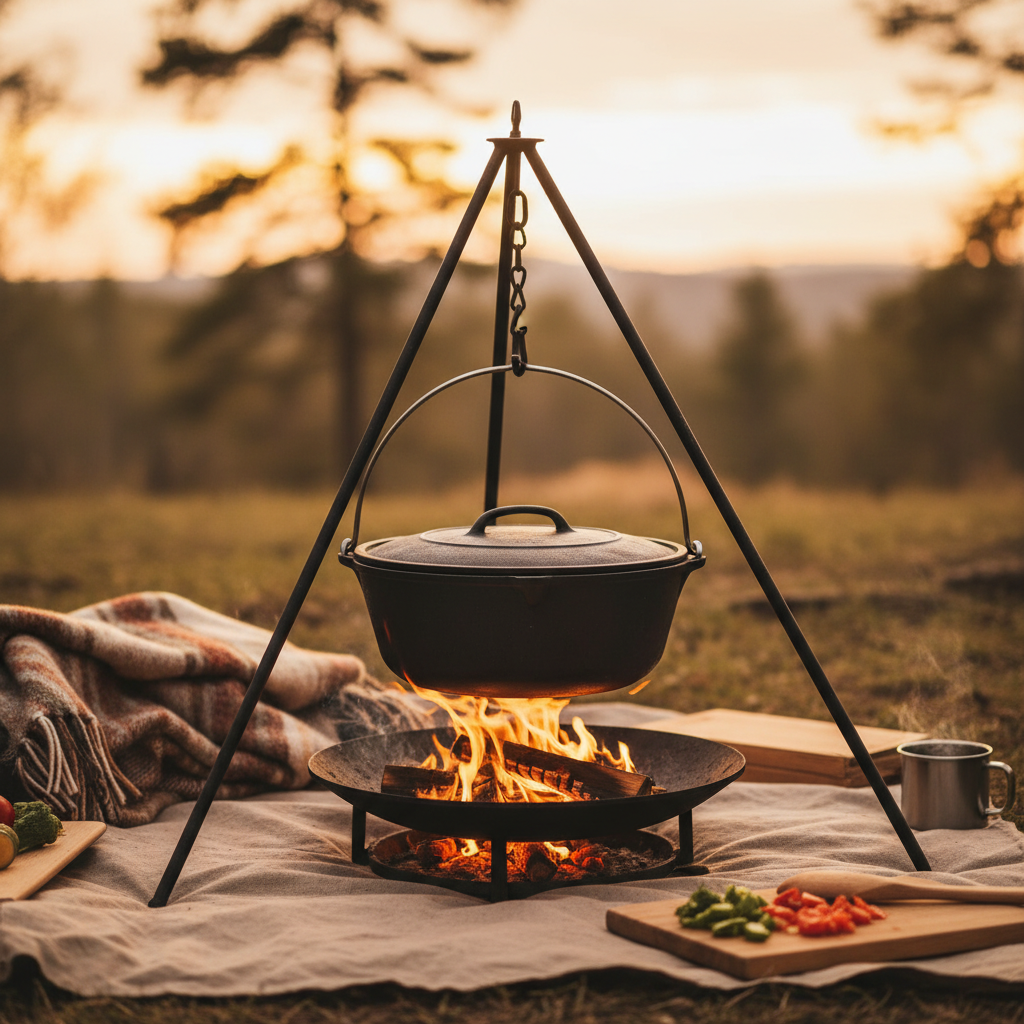
Few things evoke the spirit of adventure and delicious food like cooking over an open campfire. And nothing quite captures that experience like a campfire tripod dutch oven setup. This article delves into the world of outdoor cooking with this classic combination, exploring its benefits, choosing the right equipment, essential techniques, and ensuring a safe and enjoyable cooking experience. Whether you're a seasoned outdoor enthusiast or a beginner, this guide will help you unlock the potential of campfire cooking.
The Allure of Campfire Dutch Oven Cooking
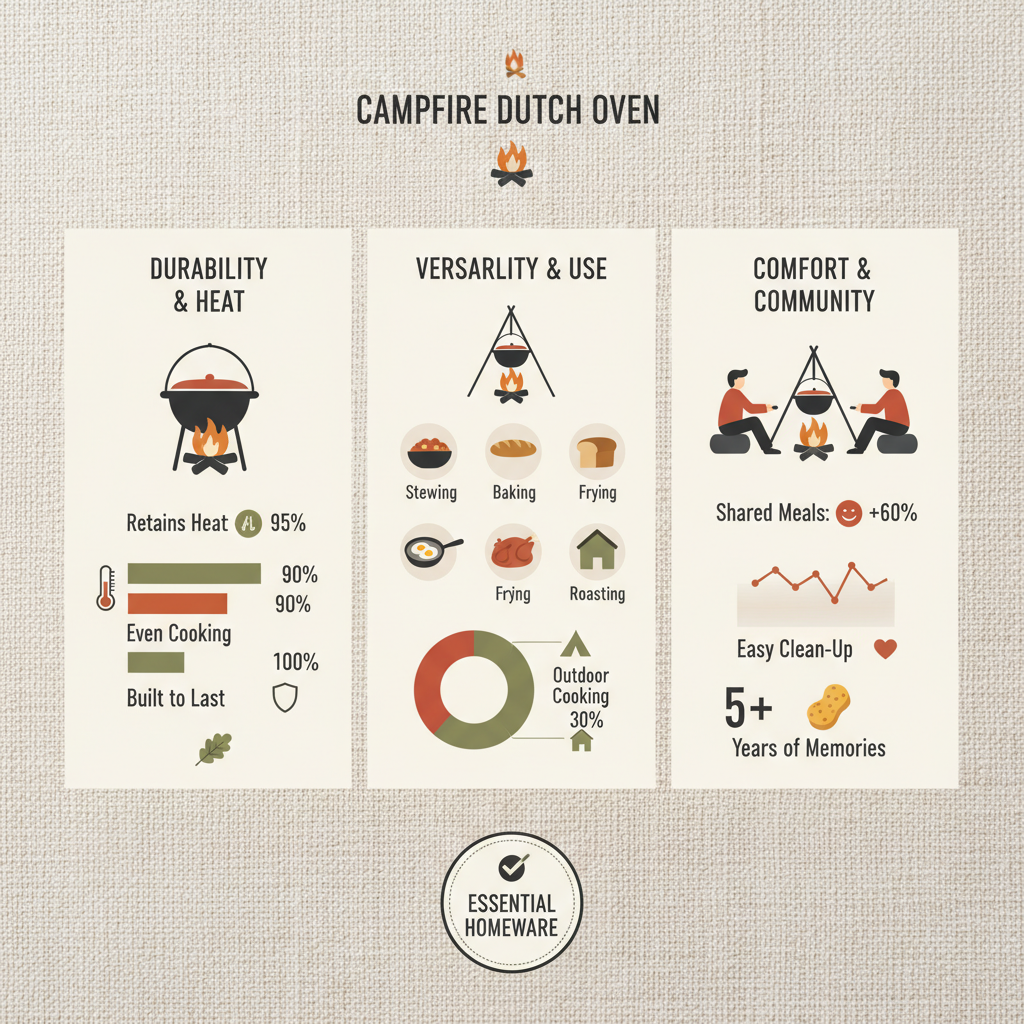
Cooking with a dutch oven over a campfire isn’t just about making food; it’s about creating an experience. The even heating provided by the cast iron, coupled with the smoky flavor imparted by the wood fire, results in meals that are rich, hearty, and unforgettable. This method is remarkably versatile – you can bake, braise, roast, fry, and even boil using a campfire tripod dutch oven. It's also a social activity, drawing people together around the fire, fostering conversation, and creating lasting memories. The connection to nature and the simplicity of the process add a unique charm that indoor cooking simply can't replicate.
Key Benefits: Even heat distribution, smoky flavor, versatility in cooking methods, promotes social interaction, connection with nature.
Choosing the Right Campfire Tripod and Dutch Oven
Selecting the right tripod and dutch oven is crucial for a successful campfire cooking experience. Tripods vary in height and material. Steel tripods are durable and stable, ideal for heavier dutch ovens, while lighter aluminum options are easier to transport. Consider the height – a tripod that's too low will require you to constantly bend over, while one that's too high might be unstable. Dutch ovens come in different sizes and materials. Cast iron is the traditional choice, renowned for its heat retention and even cooking. Pre-seasoned dutch ovens are a good option for beginners. Consider the size based on the number of people you typically cook for. ZD Cookware offers a range of tripods and dutch ovens designed for optimal campfire performance.
Tripod & Dutch Oven Considerations:
• Tripod Material: Steel (durable) vs. Aluminum (lightweight)
• Tripod Height: Adjust to a comfortable working level
• Dutch Oven Material: Cast Iron (heat retention) vs. Enameled Cast Iron (easy cleaning)
• Dutch Oven Size: Choose based on serving needs
Campfire Tripod Dutch Oven: Essential Techniques for Success
Mastering campfire dutch oven cooking takes practice. One key technique is controlling the heat. Unlike a stove, you can't simply adjust a knob. You control the temperature by adjusting the amount of wood in the fire and the distance of the dutch oven from the flames. Another important tip is to use charcoal briquettes or embers for more consistent heat. Always preheat the dutch oven before adding ingredients, and use a lid lifter to safely remove the lid. Experiment with different seasonings and marinades to enhance the flavor of your dishes. Don’t be afraid to try new recipes and adapt them to the campfire environment.
Dutch Oven Size vs. Group Size: A Practical Guide
Choosing the correct dutch oven size is vital for efficient cooking. Here's a general guideline to help you determine the appropriate size based on the number of people you're feeding:
Safety First: Campfire Cooking Precautions
Safety is paramount when cooking over a campfire. Always build your fire in a designated fire pit or ring, away from flammable materials. Never leave a campfire unattended. Keep a bucket of water and a shovel nearby for emergencies. Use heat-resistant gloves and tools to handle hot dutch ovens and coals. Be mindful of the surrounding environment and follow local fire regulations. When extinguishing the fire, ensure it is completely out before leaving the campsite. Always practice Leave No Trace principles.
Conclusion: Embrace the Campfire Cooking Adventure
Unlock the Flavor of the Outdoors
The campfire tripod dutch oven is more than just a cooking tool; it's a gateway to unforgettable outdoor experiences. With the right equipment, techniques, and safety precautions, you can create delicious meals and lasting memories around the campfire. So, gather your friends and family, embrace the adventure, and discover the magic of campfire cooking!
Frequently Asked Questions (FAQs)
What type of wood is best for campfire cooking?
Hardwoods like oak, maple, and hickory are ideal for campfire cooking because they burn longer and produce more consistent heat. Fruitwoods like apple and cherry impart a subtle sweetness to the food. Avoid using softwoods like pine, as they create a lot of smoke and can leave a resinous flavor. Properly seasoned wood is also crucial—it should be dry and burn cleanly. Different wood types impart different flavors, allowing for creative culinary experimentation.
How do I prevent my food from burning in a dutch oven over a campfire?
Preventing burning involves careful heat management. Using charcoal briquettes allows for more precise temperature control. Placing coals around the sides of the dutch oven instead of underneath provides more even heat distribution. Regularly stirring the food prevents sticking and ensures even cooking. You can also create a ‘heat shield’ by placing a layer of foil between the coals and the dutch oven. Check your food frequently and adjust the heat accordingly.
Can I use a regular metal spatula in a cast iron dutch oven?
While you can use a metal spatula in a cast iron dutch oven, it's generally recommended to use wooden or silicone utensils. Metal spatulas can potentially scratch or damage the seasoning of the cast iron over time. Wooden and silicone utensils are gentler on the surface and help maintain the integrity of the seasoning. However, if your dutch oven is well-seasoned, occasional use of a metal spatula won’t cause significant harm.
How do I clean a cast iron dutch oven after campfire cooking?
Cleaning a cast iron dutch oven requires a gentle approach. Avoid using soap, as it can strip away the seasoning. Instead, use hot water and a stiff brush to remove food particles. If necessary, you can use a small amount of coarse salt as an abrasive. Dry the dutch oven thoroughly to prevent rust. After drying, lightly coat the inside with cooking oil to maintain the seasoning. Proper cleaning and seasoning will ensure your dutch oven lasts for years to come.
-
Mastering Outdoor Cooking with a Portable Dutch Oven GuideNewsApr.16,2026
-
Master Outdoor Cooking with the Oval Cast Iron Camp Oven GuideNewsApr.09,2026
-
Unlocking Flavorful Adventures with Outdoor Cooking with a Dutch OvenNewsApr.07,2026
-
Elevate Your Outdoor Cooking With A Premium Outdoor Cast Iron OvenNewsApr.04,2026
-
Discover the Benefits of a Cast Camp Oven for Outdoor CookingNewsMar.31,2026
-
Maximize Your Outdoor Cooking with a Camping Tripod and Dutch OvenNewsMar.28,2026