Nov . 13, 2025 21:00
Back to list
Durable Dutch Ovens for Sale – A Cookware Classic You’ll Treasure
Why Dutch Ovens Are Still The Workhorses of Cooking
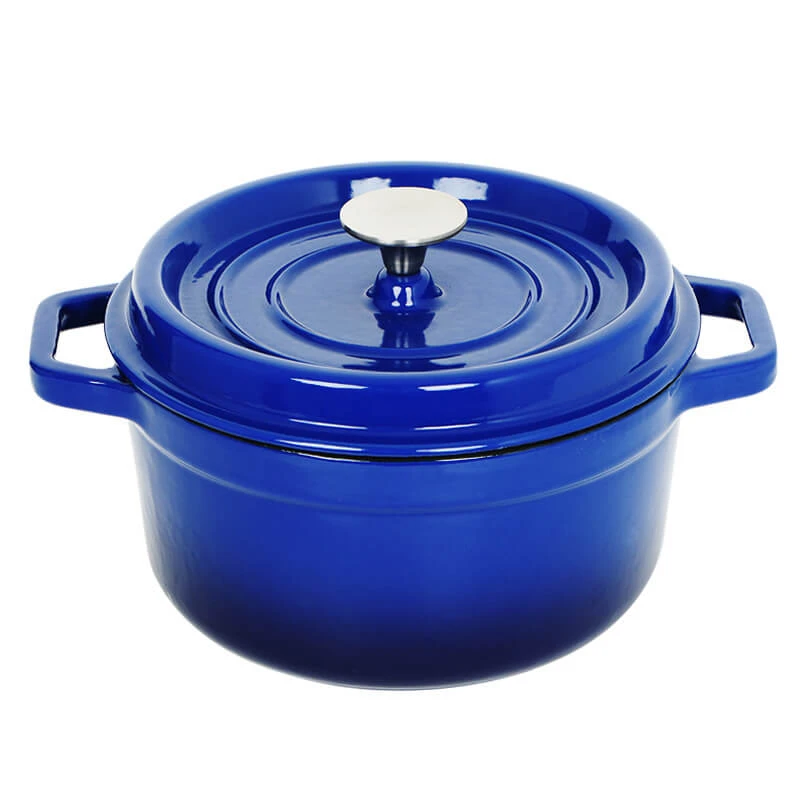
Anyone who’s spent time in industrial kitchens, outdoor cook setups, or even just has a serious hobbyist’s toolkit knows the value of a solid Dutch oven. It’s one of those things that’s endured decades, if not centuries, of use, and frankly, it’s because it just works. If you’re browsing Dutch ovens for sale, you might notice there are a ton of choices, from raw cast iron classics to colorful enamel-coated versions—and that’s because people love mixing old-school reliability with modern convenience. I remember early in my career, working at a commercial kitchen where our cast iron Dutch ovens were like silent partners. They took the heat, seared meats beautifully, and shifted from stove top to oven like champs. That kind of durability is tough to beat. Oddly enough, despite all the fancy tech in kitchen gear nowadays, nothing quite matches a Dutch oven when it comes to versatility. Soup, stew, bread baking—there’s a reason professionals and outdoor campers alike swear by them.What To Look For When Shopping Dutch Ovens for Sale
I’ve noticed many buyers get hung up on price or brand but miss some critical specs. First off, material matters. Cast iron is king for heat retention, but it needs seasoning. Enamel-coated models trade a bit of raw heat toughness for easier cleaning and less maintenance—ideal for someone who wants to just cook and wash up without fuss. Size is the next piece. Most Dutch ovens come in 4 to 7 quarts, with 6-quart being a solid all-rounder for families or small groups. Weight is a factor too—these things aren’t light! And while heavy, they’re unbelievably sturdy. Lastly, lids: some come with flat lids that double as griddles, which can be a neat bonus when you’re outdoors. Here’s a quick rundown of typical specs you’ll find useful:| Feature | Typical Range | What It Means |
|---|---|---|
| Material | Cast iron, Enamel cast iron | Heat retention vs ease of use |
| Size (quarts) | 4 to 7 | Small families to groups |
| Weight (lbs) | 6 to 12 | Durability vs transport ease |
| Lid Design | Flat, domed | Multi-use options |
| Coating | Bare cast iron, enamel glaze | Seasoning needed vs easy cleanup |
Choosing Where To Buy: A Quick Vendor Comparison
With so many sellers online and offline, it pays to do a bit of homework. Some brands focus on traditional craftsmanship, others on modern finishes or price points. I’ve seen quality vary quite a bit, especially when it comes to the evenness of heat distribution and how well the enamel holds up over time. Here’s a rough vendor comparison I find handy for anyone deciding where to buy:| Vendor | Material Quality | Price Range | Customer Support | Warranty |
|---|---|---|---|---|
| Brand A | Premium cast iron with durable enamel | $80 - $150 | Responsive & helpful | Lifetime |
| Brand B | Mid-grade cast iron, enamel chips reported | $40 - $90 | Standard, slow response | 2 years |
| Brand C | Traditional bare cast iron, very heavy | $50 - $120 | Good, but parts limited | 5 years |
Wrapping Up
I suppose there’s a lot packed into a Dutch oven’s simple shape—a mix of tradition, science, and good old-fashioned wear-resistance. If you’re after cookware that’s reliable and versatile, this is a solid place to start. Just give it a little seasoning love, or pick up an enamel model if that’s your thing, and you’ll have a trusty companion in the kitchen (or out in the wilderness) for years to come.References & personal takes:
- Decades of frontline kitchen and industrial equipment experience
- Customer feedback from professional and outdoor cooking circles
- Product testing notes and durability reports from various brands
Latest news
-
Antique Cast Iron Camp Oven: Durable Outdoor Cookware for Professionals | ZD CookwareNewsJan.06,2026
-
Durable 4 Quart Camping Pot for Professional Use | ZD CookwareNewsJan.06,2026
-
Durable Campfire Cast Iron Pot for Outdoor & Industrial UseNewsJan.06,2026
-
Cast Iron Griddle for Camp Stove – Durable Outdoor Cooking EssentialNewsJan.06,2026
-
Dutch Oven Cast Iron Camping – Durable Outdoor Cooking GearNewsJan.05,2026
-
Durable and Efficient Cast Iron Camping Griddle for B2B Professionals | ZD CookwareNewsJan.05,2026