logo

Premium enamel pots and pans Solutions for New Zealand Kitchens

Engineered for durability and heat retention, our professional-grade cookware meets the rigorous demands of New Zealand's culinary landscape.

Cookware Market Dynamics in New Zealand

Analyzing the intersection of traditional metallurgy and modern Kiwi lifestyle.

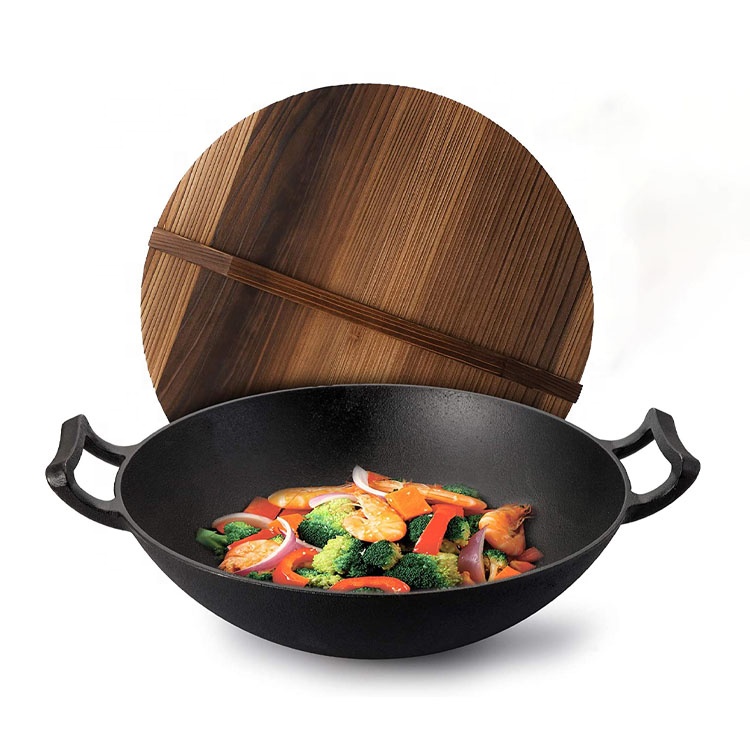
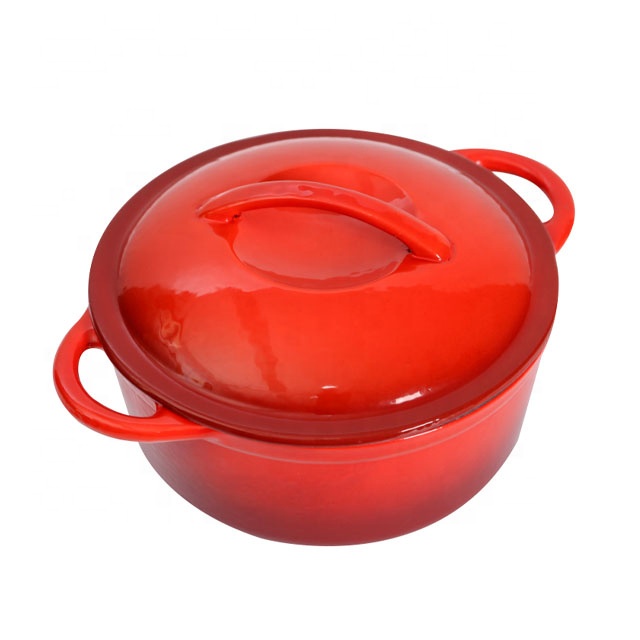
In New Zealand, the preference for high-quality cast iron pot set options is deeply rooted in the local culture of slow-cooking and outdoor grilling. The humid coastal climates of Auckland and Wellington necessitate cookware with superior corrosion resistance, making high-grade enamel coatings essential for longevity.

Economically, the shift towards "slow food" and sustainable living has increased the demand for an iron pan set that can last generations. New Zealand consumers prioritize E-E-A-T (Experience, Expertise, Authoritativeness, and Trustworthiness) when selecting metal tools, favoring manufacturers who can prove technical precision in casting.

The local market currently sees a hybrid trend where professional chefs in Queenstown and Christchurch combine traditional cast iron techniques with modern induction-compatible bases, driving the growth of specialized iron skillet set configurations.
Evolution of Cast Iron Craftsmanship

From rustic hearths to precision-engineered modern kitchens.

Market Development History

Historically, early New Zealand settlers relied on heavy, raw cast iron for survival, utilizing rudimentary pots for open-fire cooking. These tools were durable but required intense maintenance to prevent rust in the damp Oceanic air.

By the mid-20th century, the transition to the cast iron frying pan set became common as household stoves evolved. The introduction of vitreous enamel in the 1970s revolutionized the industry, eliminating the need for seasonal seasoning and offering a non-reactive surface for acidic ingredients.

In the last decade, the "Modern Heritage" movement has seen a return to precision casting. Advanced CNC machining and automated polishing have refined the surface tension of the metal, ensuring more uniform heat distribution than ever before.

Future Development Trends

Nitrogen-Infused Surface Technology

We predict a shift toward nitrogen-treated surfaces that combine the heat capacity of iron with the non-stick properties of ceramics, reducing the reliance on heavy oils.

Eco-Friendly Smelting Processes

Driven by New Zealand's strict environmental regulations, the industry is moving toward recycled scrap iron and green energy furnaces to lower the carbon footprint of each pot.

Smart-Thermal Integration

Future sets will likely feature integrated thermal indicators that change color at precise searing temperatures, bridging the gap between traditional iron and smart kitchen tech.

Industry Outlook and Strategic Forecast

Mapping the trajectory of metal cookware for the next 5 years.

Material Optimization
Implementing lighter-weight cast iron alloys that retain heat without the excessive weight of traditional molds.
Coating Durability
Developing multi-layer enamel fusion that resists chipping under high-impact commercial use.
Energy Efficiency
Designing base geometries that maximize heat conduction for induction and electric hobs to save energy.
Customization Trends
Increasing demand for bespoke enamel colors and sizes for boutique New Zealand hospitality brands.

Industry Outlook

Based on Google search trends in the Oceania region, there is a significant spike in queries related to "non-toxic cookware" and "forever pans." This indicates a permanent shift away from PFAS-coated non-stick pans toward the safety and sustainability of cast iron.

As New Zealand's culinary scene continues to blend indigenous Maori techniques (like Hāngī) with modern fusion, we expect a rise in heavy-duty, large-capacity cast iron vessels that can handle extreme heat and slow-braising over long periods.

Localized Application Scenarios in New Zealand

Real-world uses of our cookware in the unique Kiwi environment.

01. Coastal Villa Slow-Cooking

Using a cast iron pot set to prepare slow-cooked lamb shanks during the cold winters in the South Island, utilizing the superior heat retention to keep food warm for hours.

02. Gourmet BBQ Searing

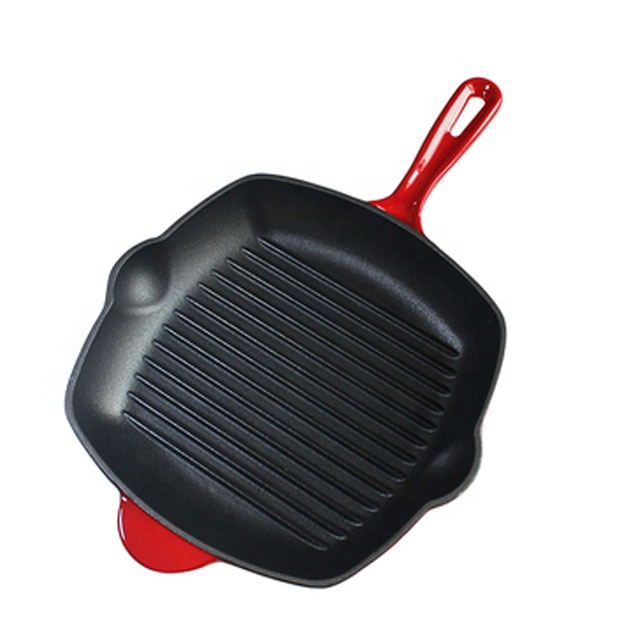
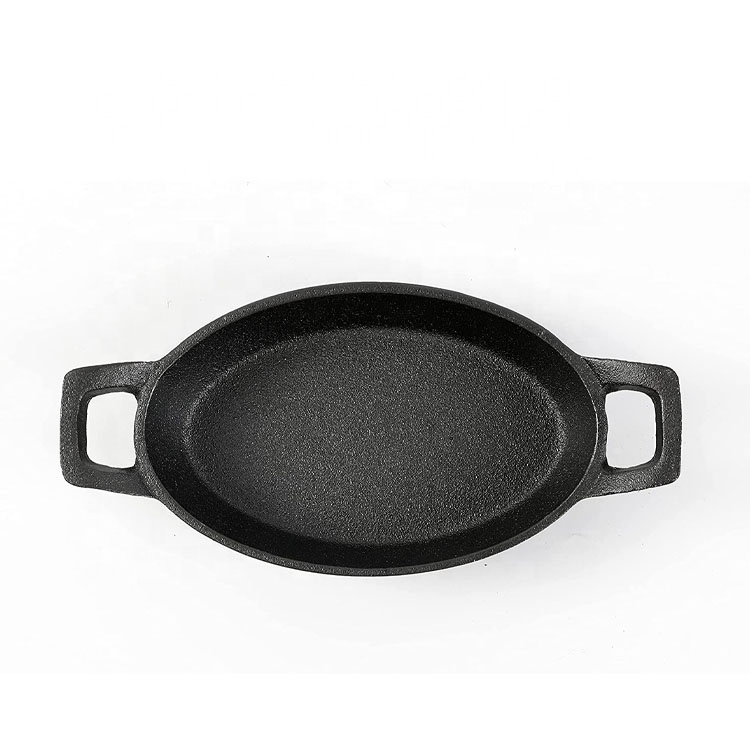
Integrating an iron skillet set directly onto a charcoal grill for the perfect sear on New Zealand grass-fed steaks, achieving a restaurant-quality crust.

03. Professional Cafe Brunch

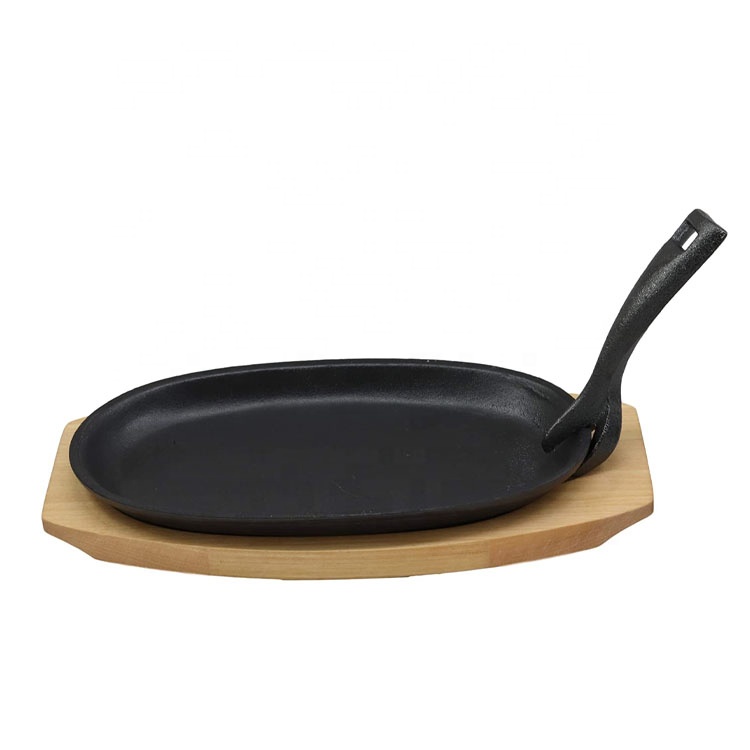
Utilizing a cast iron frying pan set in Auckland's bustling cafe scene to serve shakshuka or baked eggs directly from the pan to the table for a rustic aesthetic.

04. Acidic Stews & Preserves

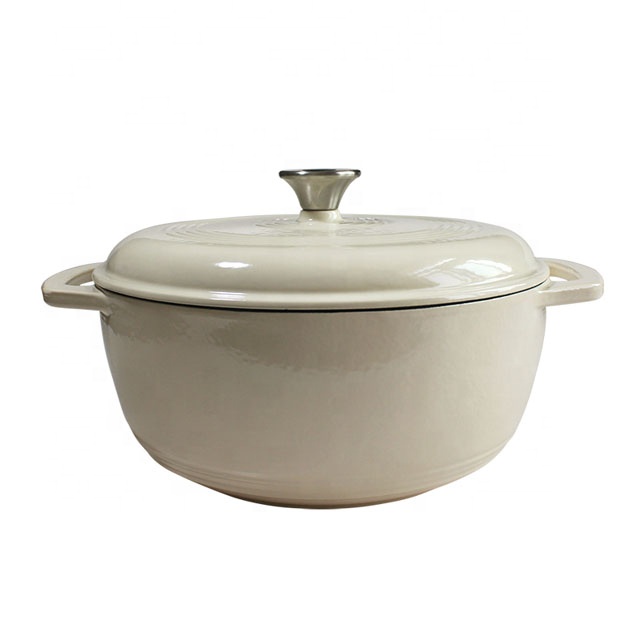
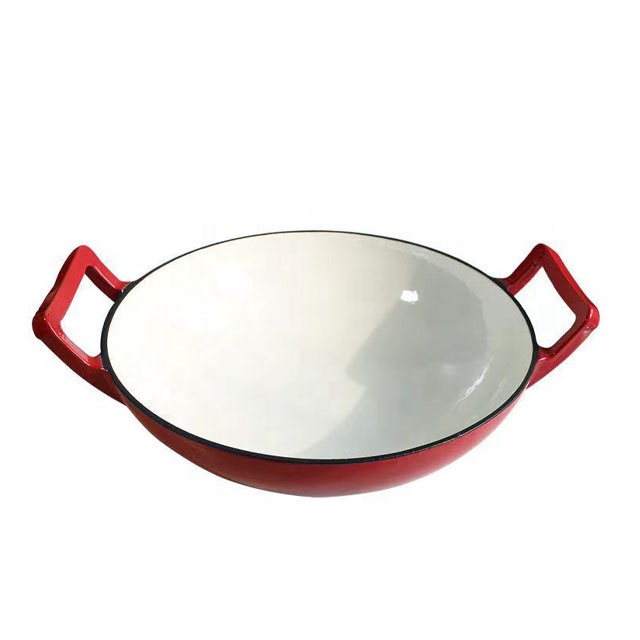
Employing enamel pots and pans for preparing tomato-based sauces and fruit preserves, where the enamel layer prevents the iron from reacting with acidic ingredients.

05. Camping in the Southern Alps

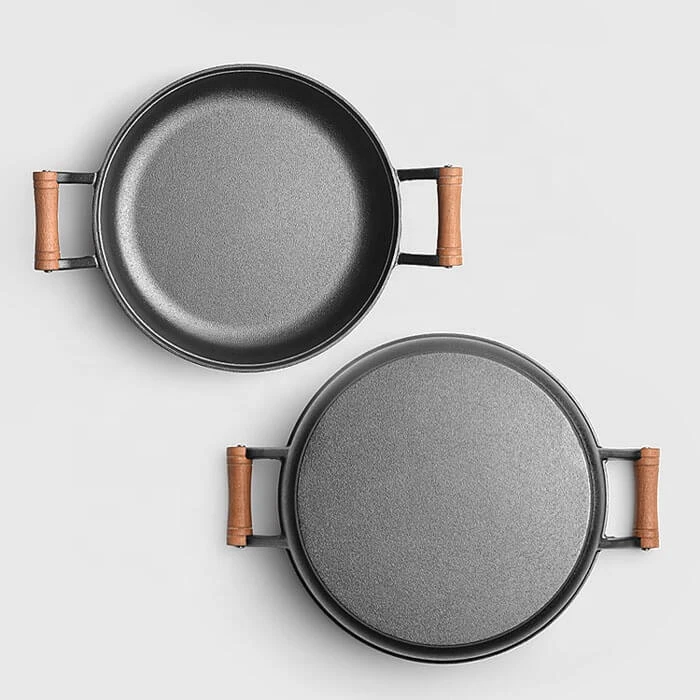
Using a portable iron pan set over open campfires for rugged outdoor cooking, valuing the durability and versatility of the metal in extreme conditions.

Brand Story

The Global Development Journey of Baixiang County Zhongda Machinery Manufacturing Co., Ltd.

Foundations of Precision

Established as a specialized metallurgical facility, we began by solving the core problem of uneven wall thickness in traditional cast iron cookware.

Technological Breakthrough

We pioneered a proprietary enamel fusion process that increased the bond strength between the iron core and the glass coating, eliminating peeling.

Global Expansion

Recognizing the demand for durability in Oceania, we optimized our production lines to meet international food-grade standards (FDA and LFGB).

Sustainable Innovation

We integrated closed-loop water cooling and recycled metal sourcing to align our manufacturing with global green energy goals.

The Future of Cooking

Our mission continues to be the eradication of "disposable cookware" by providing tools that are engineered to be passed down through generations.

New Zealand Cookware FAQ

Answers to the most common technical questions from our local users.

How do I prevent rust in a cast iron pot set in humid coastal areas?

For raw iron, ensure the pan is completely dry before storing and apply a thin layer of vegetable oil. For our enamel sets, simply wash with mild soap and dry immediately.

Are enamel pots and pans safe for induction cooktops?

Yes, our enamel series features a ferromagnetic iron core that is highly efficient on induction hobs, ensuring rapid and even heating.

What is the best way to season a new iron pan set?

Apply a thin layer of flaxseed or grapeseed oil and bake in the oven at 230°C for one hour. Repeat 3 times for a professional non-stick patina.

Can I use an iron skillet set for oven-to-table serving?

Absolutely. Cast iron's thermal mass keeps food hot for significantly longer than stainless steel, making it ideal for New Zealand's dining culture.

Is a cast iron frying pan set too heavy for daily use?

While heavier than aluminum, the weight provides superior heat stability. We offer "light-cast" versions that balance durability with ease of handling.

How do I remove burnt-on food from my enamel pots?

Avoid steel wool. Instead, simmer water with a tablespoon of baking soda for 10 minutes; the residue will lift effortlessly with a soft sponge.

Ready to Upgrade Your Kitchen?

Contact our technical experts for bulk orders and customized cookware specifications delivered across New Zealand.

Contact Us Now

If you are interested in our products, you can choose to leave your information here, and we will be in touch with you shortly.