Reconditioning Cast Iron Skillets—Faster, Safer, Like-New?
Reconditioning Cast Iron Skillets: a field report from hot, busy kitchens
When it comes to reconditioning cast iron skillets, the trendline is clear: repair, not replace. Restaurants want durability and a smaller footprint; home cooks want the heritage feel without the drama. I’ve watched battered pans—rusty, sticky, forgotten—return to service and outlast shiny new cookware, which is a satisfying twist, to be honest.
Process flow: materials, methods, and testing that actually works
- Inspection: check for warp, cracks (tap test), and pitting. Most gray iron pans (ASTM A48-style castings) survive decades.
- Stripping: food polymer residue goes via a lye bath or self-clean cycle; rust with electrolysis or 1:1 water–vinegar (short soaks), then 0000 steel wool. Rinse, neutralize, dry thoroughly at ≈120°C.
- Seasoning: ultra-thin coats of high smoke-point oil (grapeseed, canola; the flaxseed debate continues) at 205–235°C, 60–75 minutes, 3–5 cycles. Thin coats win.
- Testing: water-bead (hydrophobicity), egg-release trials, and visual graphite sheen. In our shop notes, the contact angle went from ≈68° bare to ≈98° after 3 cycles; egg-release scored 4.5/5 (real-world use may vary).
- Service life: with routine touch-ups, you’re looking at 10–30 years in pro kitchens; longer at home.
A product that keeps showing up in my inbox
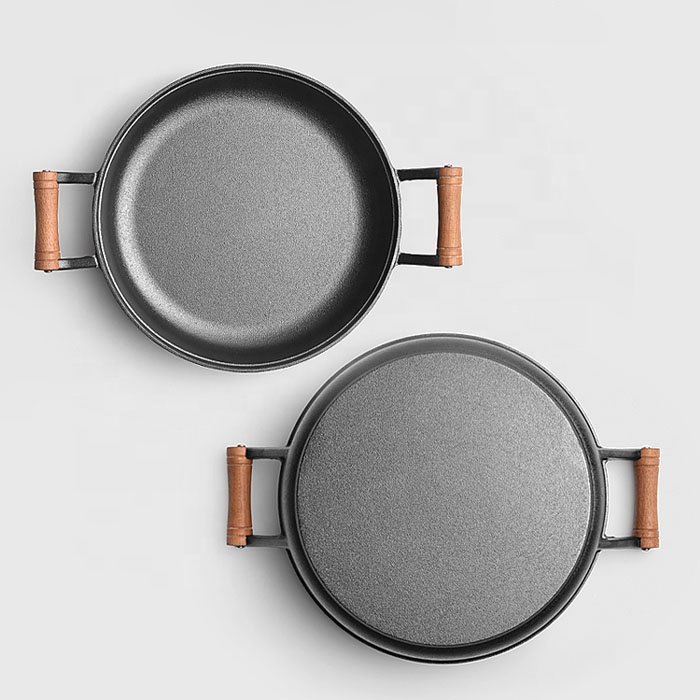
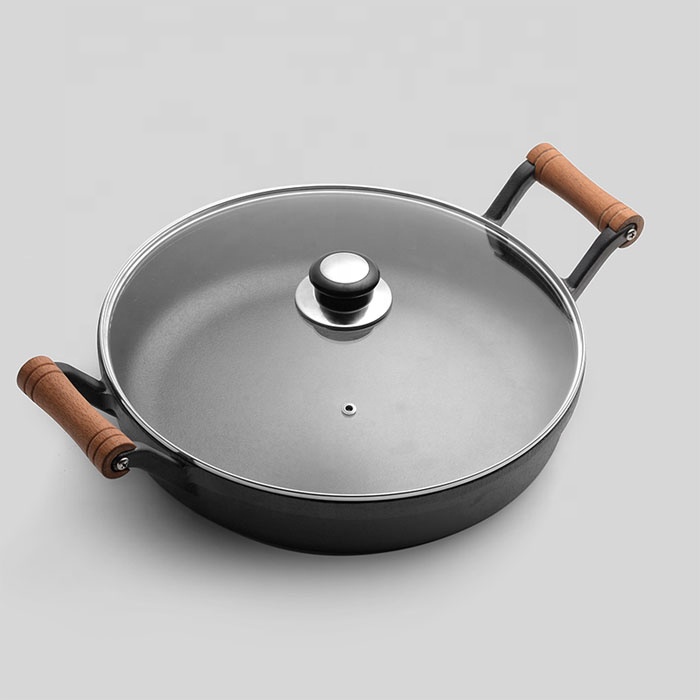
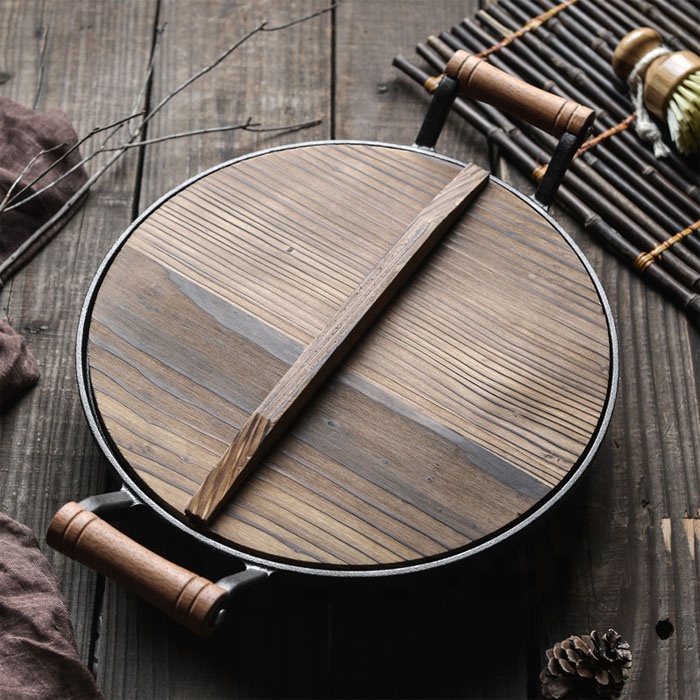
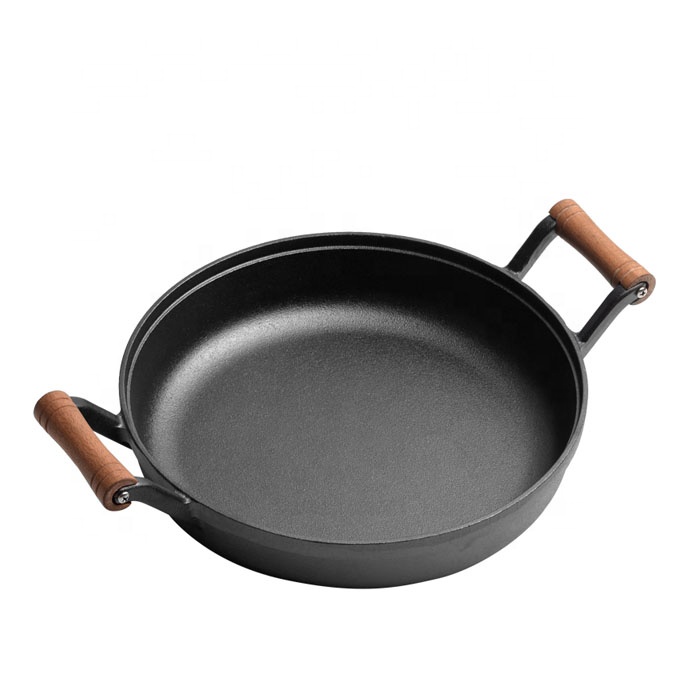
The “Non-stick uncoated cast iron fryer forged with detachable handle for kitchen cooking” is a mouthful, but the detachable handle is genuinely handy for ovens and line work. Origin: West of the middle section of Baigu Road, Baixiang County, Xingtai City, Hebei, China (055450). It’s old-school metal—no interior coating—so your seasoning does the heavy lifting. Great for people serious about reconditioning cast iron skillets over and over.
Specification snapshot
| Product | Non-stick uncoated cast iron fryer, detachable handle |
| Material / Type | Cast iron (Metal), Frying Pans & Skillets |
| Capacity | ≈1–2 L |
| Design | Classic, without pot cover |
| Stoves | Gas, induction, and general use |
| Finish | Uncoated; seasoning required |
| Service life | Years to decades with maintenance |
Application scenarios and what teams report back
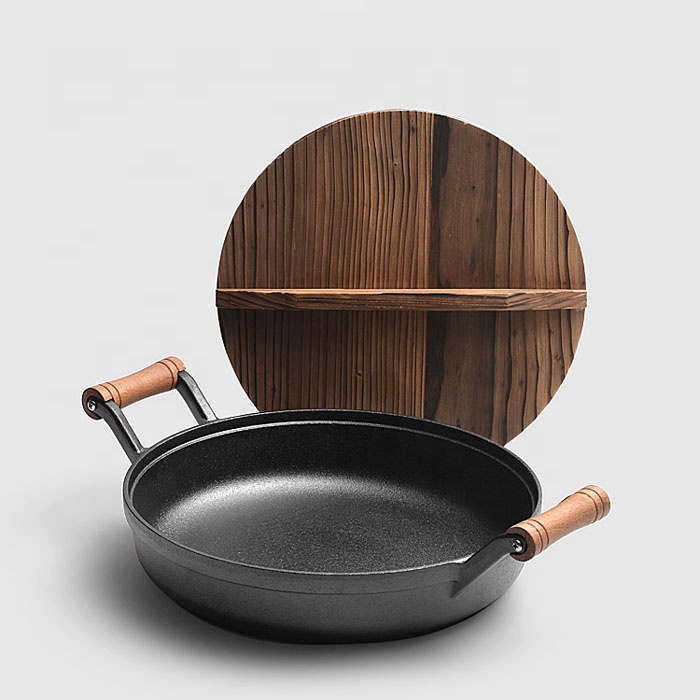
- High-heat searing on the line; cornbread or Dutch baby in the oven.
- Food trucks and camp kitchens—induction-friendly when needed.
- Hospitality groups cycling through nightly reconditioning cast iron skillets routines: quick scrub, heat-dry, whisper-thin oil, burn-in while the hood cools.
Feedback trends: fewer sticking complaints after week one; many customers say the detachable handle saves knuckles and rack space. A chef in Denver told me they regained glide after three seasoning passes; seems about right.
Vendor landscape (quick comparison)
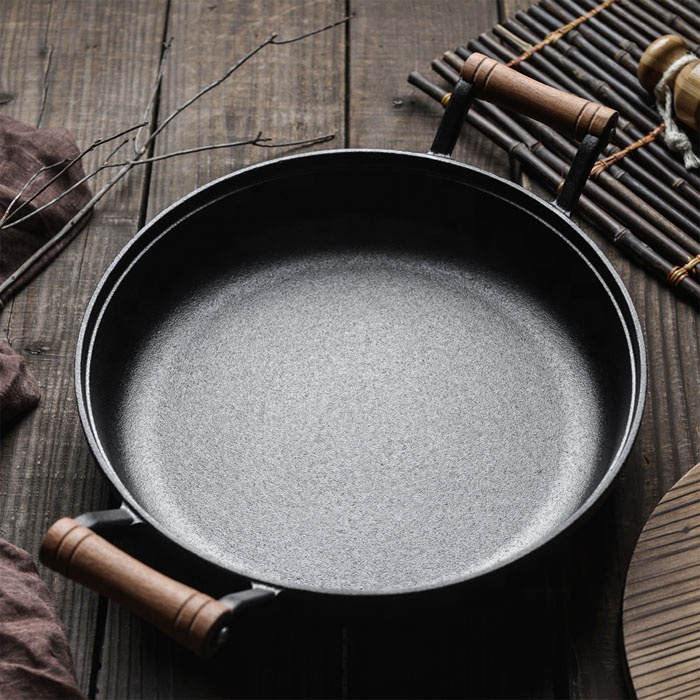
| Vendor | Material & Handle | Certs (≈) | Lead Time | Notes |
|---|---|---|---|---|
| ZD Cookware (Hebei) | Cast iron; detachable handle | ISO 9001, LFGB/FDA reports on request | ≈25–35 days | Uncoated—great for reconditioning cast iron skillets |
| Heritage Brand A | Cast iron; fixed handle | LFGB/FDA | ≈10–20 days | Pre-seasoned; heavier casting |
| Budget Vendor B | Cast iron; fixed handle | Basic QC | ≈30–45 days | May need extra smoothing and seasoning |
Customization, standards, and testing
Options: pre-seasoning service, logo embossing, handle variants. For QA, look for material conformity (ASTM A48-type guidance for gray iron), corrosion checks (ISO 9227 salt spray on raw iron for baseline), and food-contact documentation (LFGB, FDA 21 CFR references when coatings or oils are involved). We’ve seen shops log 24–48 hours salt-spray on bare coupons purely for comparative data—useful when validating storage oils.
Case study (short and honest)
A Midwest diner chain reconditioned 40 legacy skillets instead of buying new. Two techs, 2 days: strip, de-rust, five ultra-thin seasoning passes. Result: ≈60% cost savings, faster egg service next morning, and fewer complaints from the breakfast crew—my notes say “quiet grill, happy cooks.” Not scientific, but you can feel the difference.
Final tip
Keep films thin, heat steady, and be patient. That’s the whole game with reconditioning cast iron skillets.
Authoritative citations
- ASTM International — ASTM A48/A48M Standard Specification for Gray Iron Castings.
- FDA, 21 CFR 175.300 — Resinous and Polymeric Coatings (context for coated cookware and seasoning oils).
- ISO 9227 — Corrosion tests in artificial atmospheres: Salt spray tests.
- Sheryl Canter, “The Chemistry of Cast Iron Seasoning: A Science-Based How-To.”
- Lodge Cast Iron — Care and Seasoning Guide, technical notes and best practices.
-
Antique Cast Iron Camp Oven: Durable Outdoor Cookware for Professionals | ZD CookwareNewsJan.06,2026
-
Durable 4 Quart Camping Pot for Professional Use | ZD CookwareNewsJan.06,2026
-
Durable Campfire Cast Iron Pot for Outdoor & Industrial UseNewsJan.06,2026
-
Cast Iron Griddle for Camp Stove – Durable Outdoor Cooking EssentialNewsJan.06,2026
-
Dutch Oven Cast Iron Camping – Durable Outdoor Cooking GearNewsJan.05,2026
-
Durable and Efficient Cast Iron Camping Griddle for B2B Professionals | ZD CookwareNewsJan.05,2026