Why a Nice Dutch Oven is the Must-Have Cookware for Every Kitchen | Durable, Efficient & Timeless
Understanding the Appeal of a Nice Dutch Oven: More Than Just Cookware
At first glance, the phrase nice Dutch oven might bring to mind cherished kitchen heirlooms for slow-cooking stews or baking crusty bread. But, if you pause a moment, this humble cast iron classic has a fascinating global relevance that goes beyond the stove. It’s an intersection of tradition, innovation, and practical utility that resonates in households and commercial kitchens worldwide. Grasping what makes a Dutch oven stand out can enrich your cooking and connect you to a broader story of craftsmanship and sustainability.
Global Context: Why Does a Nice Dutch Oven Matter?
Cooking practices worldwide reflect cultural heritage but also adapt to modern demands. According to the Food and Agriculture Organization (FAO), food security and efficient energy use in cooking remain challenges, especially in developing regions. Here, having durable cookware that conserves heat—like a quality Dutch oven—can reduce fuel consumption, save money, and improve nutrition. Oddly enough, this simple pot becomes an ally in global sustainability efforts by promoting efficient cooking.
Global cookware market data from ISO projections suggest cast iron cookware demand is steady, fueled by consumer interest in slowfoods and sustainable materials. The nice Dutch oven fits perfectly in this niche, combining durability with versatility.
What Is a Nice Dutch Oven, Really?
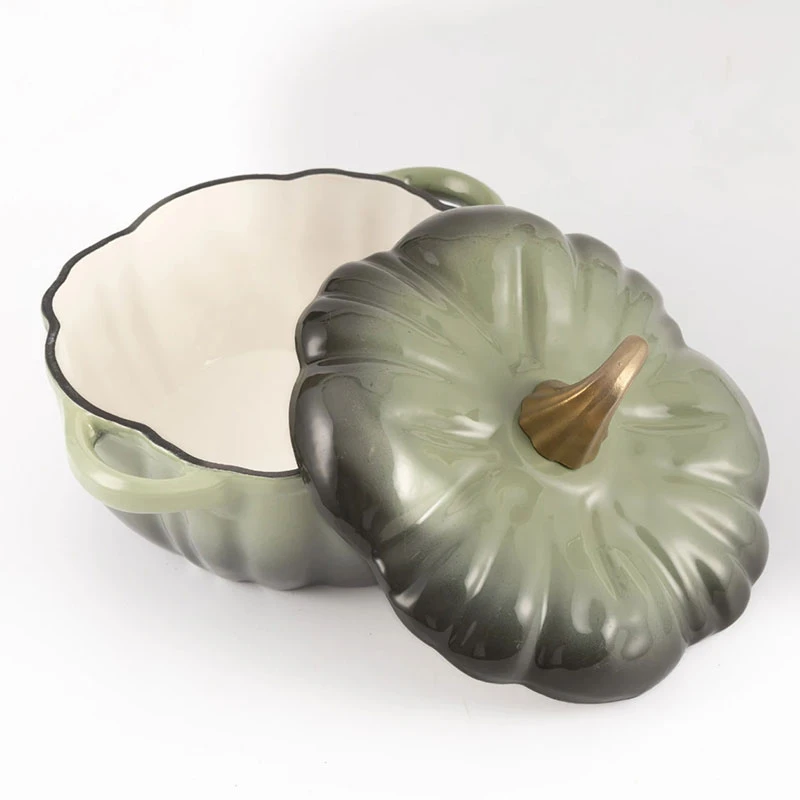
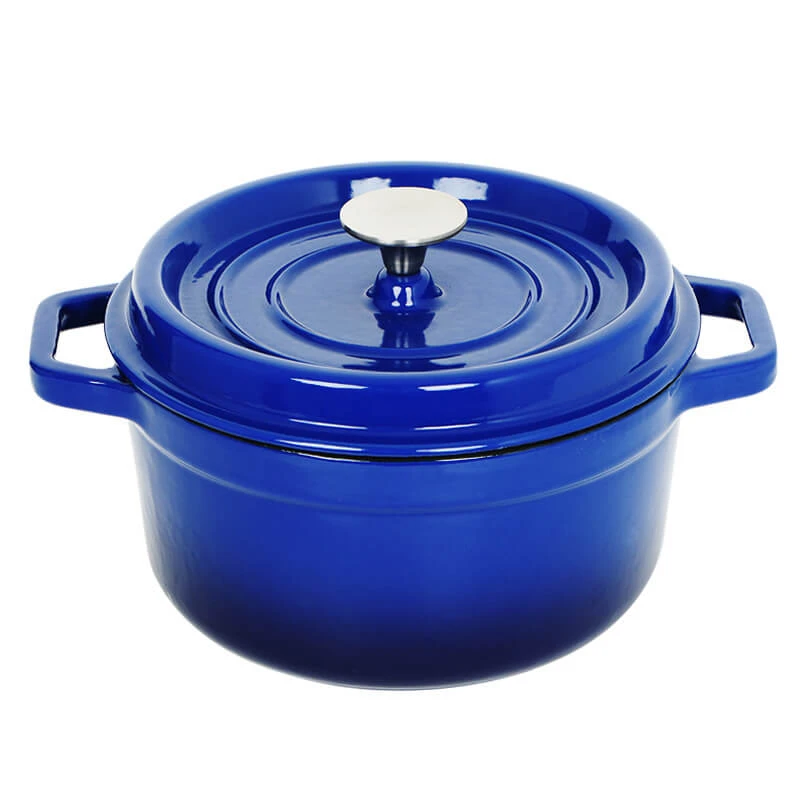
Put simply, a nice Dutch oven is a heavy, often cast iron, pot designed for versatile cooking—stewing, braising, roasting, even baking. Its design, originating in the Netherlands back in the 17th century, valued thick walls and tight lids to retain moisture and heat uniformly. This timeless design is still highly prized for how it connects culinary tradition with modern demands for durability and energy efficiency.
Key Factors That Make a Dutch Oven Stand Out
1. Durability
The heft and thick cast iron construction mean a Dutch oven can last generations. It withstands high temperatures and resists warping or chipping. This longevity means less waste and better long-term value.
2. Heat Retention and Distribution
This pot’s real magic lies in how it retains and disperses heat evenly, perfect for slow-cooked meals. The tight-fitting lid seals moisture inside, resulting in tender, flavorful dishes.
3. Versatility
You can use it on a stovetop, in an oven, or even over campfires—making it invaluable in both home kitchens and outdoor settings.
4. Low Maintenance & Sustainability
With proper seasoning, cast iron becomes naturally non-stick without chemical coatings. This eco-friendly quality appeals to those avoiding synthetic materials.
5. Aesthetic & Tradition
The object carries a certain rustic charm—many cooks say it connects them to generations past, adding emotional value to utility.
Product Specification: A Typical Nice Dutch Oven
| Feature | Specification |
|---|---|
| Material | Cast Iron, enameled options available |
| Weight | Approximately 7–8 lbs (3.2–3.6kg) |
| Capacity | 4 to 7 quarts (3.8 to 6.6 liters) |
| Heat Source Compatibility | Gas, electric, induction, oven, campfire |
| Maintenance | Seasoning required for bare cast iron; enameled versions are easier to clean |
Real-World Applications and User Communities
In regions where fuel economy is critical—like parts of sub-Saharan Africa or rural Asia—the thermal efficiency of a Dutch oven helps reduce cooking time and firewood consumption. This is a direct contribution to better health outcomes via reduced smoke inhalation and environmental impact.
Commercial kitchens globally prize quality Dutch ovens for crafting signature braises or soups. Meanwhile, outdoor enthusiasts favor them for campfire cooking thanks to their robustness.
And frankly, some home cooks just want to slow down, savor their meals, and connect with tradition.
Vendor Comparison: Popular Dutch Oven Brands
| Brand | Material | Price Range | Notable Feature |
|---|---|---|---|
| Le Creuset | Enameled Cast Iron | $250-$500 | Vibrant color options and longevity |
| Lodge | Bare Cast Iron / Enameled | $40-$120 | Affordable, American-made with solid seasoning |
| Staub | Enameled Cast Iron | $300-$450 | Matte interiors for better browning |
| Cuisinart | Enameled Cast Iron | $70-$150 | Good value for enameled features |
Advantages & Long-Term Value of Choosing a Nice Dutch Oven
- Cost Efficiency: Although the initial investment might seem high, a durable Dutch oven can last a lifetime with proper care.
- Sustainability: By conserving heat and enabling cooking with less energy, it promotes greener kitchens.
- Emotional Connection: Owning such cookware links you to centuries of culinary tradition — kind of comforting in a rushed world.
- Reliability: In rough or variable heat sources, Dutch ovens perform outstandingly well.
Future Trends & Innovations
New materials like ceramic-coated cast iron are emerging, aiming to combine easy maintenance with superior cooking performance. Green manufacturing processes are also reducing environmental impacts in production. Plus, digital kitchen tools paired with traditional pots hint at interesting hybrid cooking techniques ahead.
Challenges & Solutions
Some find the weight of cast iron daunting and cleaning bare iron slightly tedious. Yet, many users swear that once you incorporate seasoning practices, maintenance becomes second nature. Manufacturers increasingly offer enameled options that eliminate seasoning while preserving benefits.
FAQ: Frequently Asked Questions About Nice Dutch Ovens
- What makes a nice Dutch oven better than other cookware?
- Its combination of heavy heat retention, versatility on multiple heat sources, and durability sets it apart. It’s ideal for slow cooking and can handle everything from frying to baking.
- How long can a cast iron Dutch oven last?
- With proper care, these pots can last multiple decades, often passed down through generations, making them an excellent long-term investment.
- Are enameled Dutch ovens worth the price?
- Yes, though pricier, they offer easier maintenance and no seasoning needed, appealing to those wanting convenience with quality.
- Can a Dutch oven be used outdoors?
- Absolutely — they’re fantastic for camping and open-flame cooking thanks to their heat durability and tight lids that trap moisture.
- How to care for a bare cast iron Dutch oven?
- Regular seasoning with oil, avoiding soap for cleaning, and proper drying prevent rust and build a natural non-stick surface.
Conclusion: Why Invest in a Nice Dutch Oven?
Ultimately, a nice Dutch oven isn’t just cookware — it’s a companion in sustainable, health-conscious, and soulful cooking. Whether you’re a home chef savoring slow recipes or an outdoor enthusiast craving reliable gear, the Dutch oven’s blend of tradition and utility shines through. If you’re ready to experience this kitchen classic, visit our website at https://www.zdcookware.com for a curated selection of quality Dutch ovens designed to fit all kitchens and lifestyles.
It’s quite something how a simple pot can carry centuries of culture and contemporary needs so elegantly. Frankly, I’m still surprised every time I use one — the food just tastes better.
Mini Takeaways:
- The nice Dutch oven blends efficiency, tradition, and sustainability.
- Its heat retention and durability save energy and money long-term.
- Available enameled options reduce maintenance without skimping on performance.
- Reliable in diverse settings — from global households to wilderness campsites.
- Choosing the right brand balances price, features, and personal cooking style.
References:
-
Antique Cast Iron Camp Oven: Durable Outdoor Cookware for Professionals | ZD CookwareNewsJan.06,2026
-
Durable 4 Quart Camping Pot for Professional Use | ZD CookwareNewsJan.06,2026
-
Durable Campfire Cast Iron Pot for Outdoor & Industrial UseNewsJan.06,2026
-
Cast Iron Griddle for Camp Stove – Durable Outdoor Cooking EssentialNewsJan.06,2026
-
Dutch Oven Cast Iron Camping – Durable Outdoor Cooking GearNewsJan.05,2026
-
Durable and Efficient Cast Iron Camping Griddle for B2B Professionals | ZD CookwareNewsJan.05,2026