What Is a Dutch Oven Made Of? Materials and Insights
What Is a Dutch Oven Made Of? A Closer Look at This Classic Cookware
Having spent a good chunk of my career around industrial kitchens and cookware manufacturing, I can tell you there’s something quietly fascinating about dutch ovens. Sure, they look simple – a heavy pot with a lid – but the materials they’re made from really make all the difference, especially if you’re serious about cooking.
Frankly, when I first got introduced to this piece of equipment, I was surprised by how many types of materials could be used to make it. The most classic, and arguably most popular, is cast iron. Why? Cast iron combines heat retention and durability in a way that few other materials do. Oddly enough, it also lends itself well to everyday cooking and the high temperatures necessary for baking bread or braising meat. Even in big industrial settings, cast iron dutch ovens are common because they’re built to last decades. But there’s more beneath the surface.
Besides cast iron, you’ll find aluminum and stainless steel versions. Aluminum ones generally heat up faster and weigh less – a boon for those who dislike lugging something heavy on and off the stove. Stainless steel dutch ovens, on the other hand, bring corrosion resistance and somewhat easier maintenance, though they don’t hold heat quite as evenly as cast iron. In real terms, whether you’re roasting a stew or simmering a sauce, the material affects the cooking experience a lot more than you might realize.
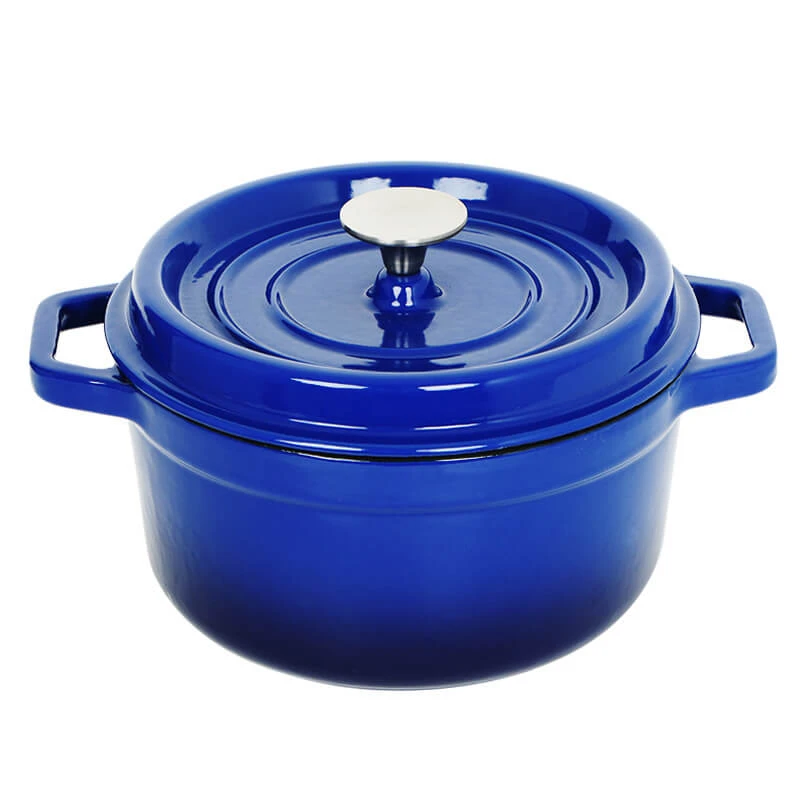
Many engineers and product designers I’ve known also swear by enameled cast iron. This variant involves a layer of vitreous enamel coating the cast iron, making it non-reactive and easier to clean without seasoning. I suppose for home cooks who want something low-maintenance without sacrificing performance, this is the sweet spot.
Here’s a quick rundown I threw together of common dutch oven materials and their prime characteristics:
| Material | Heat Retention | Weight | Maintenance | Durability |
|---|---|---|---|---|
| Cast Iron | Excellent | Heavy | Requires seasoning | Very high |
| Enameled Cast Iron | Excellent | Heavy | Easy clean, no seasoning | Very high |
| Aluminum | Good | Light | Easy clean | Moderate |
| Stainless Steel | Fair | Moderate | Easy clean | High |
Of course, the choice of material sometimes comes down to preference or the particular recipe you’re following. Some chefs I’ve chatted with really love how cast iron develops a kind of seasoning layer over time – almost like it gets better with age. Then again, not everyone wants to baby their cookware.
Speaking of which, here’s a little anecdote: A longtime industrial kitchen manager once told me his team swore by the enameled variety because it was easier to keep sanitation protocols without dipping into the seasoning ritual. The durability was also key since these ovens could see daily use for years without significant wear.
Now, it’s interesting to see how dutch ovens stack up across different vendors. The cooking industry has plenty of options, and while the materials might be similar, quality and pricing vary quite a bit. Here's a side-by-side, from my experience and research:
| Vendor | Material Quality | Price Range | Durability Guarantee | Design Variety |
|---|---|---|---|---|
| ZDCookware | Premium cast & enameled iron | $$$ | Lifetime | Wide, colorful |
| Generic Brand A | Standard cast iron | $-$$ | 5 years | Limited |
| Premium Brand B | Enameled cast iron with special coating | $$$$ | Lifetime | Extensive |
When selecting a dutch oven, determine what really matters to you. If longevity and heat retention top your list, cast iron or enameled cast iron is hard to beat. I noticed that many people tend to associate heft with quality, but that’s not always the case — aluminum versions can shine in other areas, like ease of use.
To wrap it up, the materials dutch ovens are made of tell a story of craftsmanship, chemistry, and kitchen culture. I guess that’s why this cookware endures in popularity: it’s not just a pot, but a companion for meals that require patience and care. So, whether you’re simmering grandma’s stew or trying out a new bread recipe, knowing what’s inside that dutch oven makes all the difference.
Happy cooking — and may your next dutch oven meal be memorable!
References:
1. Industry material specifications and cooking standards.
2. Interviews with industrial kitchen managers.
3. Vendor product specs and durability data.
-
Antique Cast Iron Camp Oven: Durable Outdoor Cookware for Professionals | ZD CookwareNewsJan.06,2026
-
Durable 4 Quart Camping Pot for Professional Use | ZD CookwareNewsJan.06,2026
-
Durable Campfire Cast Iron Pot for Outdoor & Industrial UseNewsJan.06,2026
-
Cast Iron Griddle for Camp Stove – Durable Outdoor Cooking EssentialNewsJan.06,2026
-
Dutch Oven Cast Iron Camping – Durable Outdoor Cooking GearNewsJan.05,2026
-
Durable and Efficient Cast Iron Camping Griddle for B2B Professionals | ZD CookwareNewsJan.05,2026