The Cast Iron Pumpkin Dutch Oven: Durable, Versatile, and Globally Trusted Cookware
Understanding the Cast Iron Pumpkin Dutch Oven: A Global Essential in Cookware
The cast iron pumpkin dutch oven might sound quaint or even old-fashioned at first glance, but this cookware is actually a versatile marvel with global appeal. In kitchens around the world, from backyard barbecues to humanitarian cooking sites, this unique pot blends design and function in ways few realize. Understanding this cookware’s facets not only explains why it’s so enduring but also highlights its surprising role in sustainability, culinary art, and even social impact.
Why the Cast Iron Pumpkin Dutch Oven Matters Globally
Globally, cast iron cookware has enjoyed steady appreciation due to its durability and cooking performance. According to a 2021 UNESCO study on cultural culinary tools, cast iron utensils remain pivotal in households and communities where durability and heat retention are prized. The pumpkin shape—rounded and bulbous like its namesake—offers even heat distribution and versatile cooking suitable for simmering, baking, and roasting.
Yet, it’s not just about nostalgia or artisanal cooking. The cast iron pumpkin dutch oven addresses a pragmatic challenge: how to cook wholesome meals reliably and sustainably, especially in environments where energy is limited or fuel sources are costly. In emergency relief kitchens, rural communities, and even trendy restaurants, this cookware’s performance and eco-friendliness resonate strongly.
What Exactly Is a Cast Iron Pumpkin Dutch Oven?
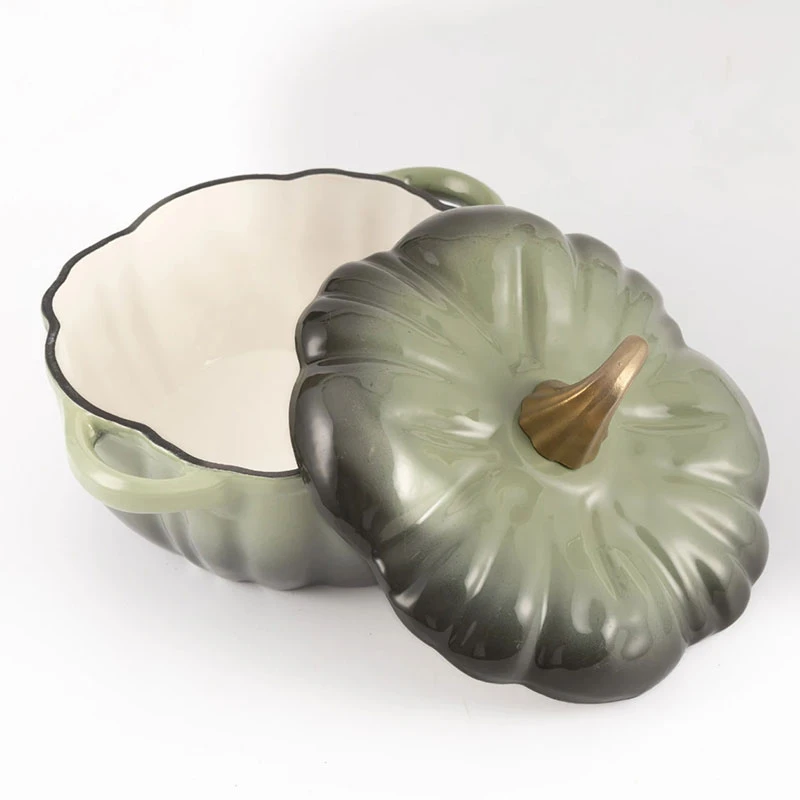
Simply put, a cast iron pumpkin dutch oven is a heavy, rounded cooking pot made of cast iron, designed with a distinctive pumpkin-like ribbed form. This design isn’t just for looks; it enhances heat circulation inside the pot, making it ideal for slow-cooking stews, soups, or baking bread.
Classic dutch ovens are known worldwide, but the pumpkin variant stands out by combining the traditional cast iron craftsmanship with an ergonomic shape reminiscent of natural gourds. It melds old-school metallurgy with a design that fits modern needs, whether for home cooks or large-scale food programs.
Core Components of Cast Iron Pumpkin Dutch Ovens
Durability
Cast iron is practically indestructible—give it a decade or two, and it’s still going strong. This robustness is why cast iron dutch ovens remain heirlooms, passed through generations. The pumpkin style reinforces structural integrity while allowing a thicker bottom for superior heat retention.
Heat Retention & Distribution
The ribbed pumpkin shape creates natural convection inside, evenly distributing heat. This means no hot spots and perfectly cooked meals, even on variable heat sources like campfires or low gas flames.
Versatility
Whether baking bread, braising meats, or making an all-day stew, the cast iron pumpkin dutch oven adapts. Its tight-fitting lid traps moisture, creating tender, flavorful dishes - something chefs and home cooks treasure alike.
Eco-Friendly Cooking
Using cast iron means longer-lasting cookware, reducing waste. Plus, its excellent heat retention cuts fuel use—important in energy-scarce regions or when cooking over sustainable biomass.
Product Specifications
| Feature | Specification |
|---|---|
| Material | Seasoned cast iron |
| Shape | Pumpkin-style with ribbed exterior |
| Capacity | 4-6 quarts (varies by model) |
| Weight | 8-10 lbs |
| Lid Feature | Tight-fitting, stays moist |
| Cooking Methods | Oven, stovetop, open fire |
Global Applications of the Cast Iron Pumpkin Dutch Oven
This pot isn’t just a kitchen novelty. Around the world, it finds use in very diverse contexts:
- Humanitarian Relief: NGOs rely on durable cast iron cookware when preparing large quantities of nutritious meals under challenging conditions.
- Rural and Off-Grid Living: In places without reliable electricity, these ovens provide a fuel-efficient way to cook.
- Culinary Arts: Chefs appreciate the slow, even heat for delicate braises or baked breads, often showcased at culinary festivals worldwide.
- Outdoors and Camping: Campers and survivalists bring the pumpkin dutch oven for versatility and camping stove savings.
Vendor Comparison: Leading Cast Iron Pumpkin Dutch Oven Brands
| Brand | Price Range | Material Quality | Special Features |
|---|---|---|---|
| Brand A | $70 - $90 | Premium cast iron, hand-seasoned | Ergonomic handles, ribbed exterior for heat retention |
| Brand B | $55 - $75 | Standard cast iron, pre-seasoned | Lid design with basting spikes |
| Brand C | $85 - $110 | Premium alloy with enamel coating options | Color variety and dishwasher safe |
Advantages and Long-Term Value
So, why pick a cast iron pumpkin dutch oven over other cookware? To put it plainly, it combines longevity, economy, and culinary excellence. Buying once and having a pot that can last upwards of a lifetime is pretty remarkable in a throwaway society. Plus, the cast iron’s ability to improve with use (the seasoning builds up) means it becomes more non-stick the more you cook.
There’s also a sustainability factor—fewer replacements, reduced waste, and less energy during cooking. Socially, it supports cooking traditions and can even provide dignity to households in crisis situations by enabling proper meal preparation. In terms of safety and reliability, you don’t get flammable coatings or plastics to worry over—just plain iron with a time-tested thermal mass.
Future Trends and Innovations
The future holds some exciting prospects for cast iron pumpkin dutch ovens. Green manufacturing aims to reduce the carbon footprint of casting processes, and innovation in seasoning technology is offering easier maintenance. In some arenas, digital temperature sensors integrated with cookware are on the horizon, making traditional pots smarter without compromising their classic feel.
Furthermore, climate-conscious consumers are driving demand toward products that improve fuel efficiency during cooking, which plays right into cast iron’s strengths. Even the aesthetic trends, like colorful enamel coatings or artisanal surface textures, continue to evolve, blending function and style.
Common Challenges and Smarter Solutions
It’s fair to note some downsides. Cast iron is heavy and can rust if not cared for properly. The pumpkin shape, while efficient, may pose cleaning challenges in the ribs. But here, innovation helps: pre-seasoned finishes, smart cleaning tools, and even protective storage solutions can mitigate these issues.
Expert cooks often recommend daily use to maintain seasoning and advocate careful drying after washing. Oddly enough, these “problems” sometimes enhance the cookware’s charm—providing a tactile connection to the cooking process.
FAQ: Frequently Asked Questions About Cast Iron Pumpkin Dutch Oven
- Q: How should I season and care for my cast iron pumpkin dutch oven?
A: Start by applying a thin coat of vegetable oil and heating the pot in an oven at 375°F for an hour. Repeat periodically. Avoid soap when cleaning; use hot water and a stiff brush instead. Dry thoroughly and lightly oil after each use to prevent rust. - Q: Can this dutch oven be used on induction cooktops?
A: Yes, cast iron is compatible with induction because of its magnetic properties. Just be cautious moving the heavy pot to avoid damaging the cooktop surface. - Q: Is the pumpkin shape better than standard round dutch ovens?
A: The ribbed pumpkin design promotes better internal heat circulation and moisture retention, especially for slow cooking. It’s a subtle difference, but many chefs notice improved results with this shape. - Q: How energy-efficient are cast iron pumpkin dutch ovens?
A: They retain heat exceptionally well, so they require less fuel once hot. This can reduce cooking energy by up to 25% compared to thin metal pots.
Conclusion: Why the Cast Iron Pumpkin Dutch Oven Deserves a Spot in Every Kitchen
All in all, the cast iron pumpkin dutch oven isn’t just a piece of heritage cookware; it’s a resilient, sustainable tool with worldwide significance. Whether you’re feeding a family, cooking in remote areas, or running a community kitchen, this pot offers longevity, efficiency, and culinary delight.
Feeling inspired? Explore the full range of cast iron pumpkin dutch ovens and learn more about their benefits at https://www.zdcookware.com.
Mini takeaway: Investing in a cast iron pumpkin dutch oven is more than a culinary choice—it’s a nod toward sustainability, tradition, and smart cooking globally.
References
-
Antique Cast Iron Camp Oven: Durable Outdoor Cookware for Professionals | ZD CookwareNewsJan.06,2026
-
Durable 4 Quart Camping Pot for Professional Use | ZD CookwareNewsJan.06,2026
-
Durable Campfire Cast Iron Pot for Outdoor & Industrial UseNewsJan.06,2026
-
Cast Iron Griddle for Camp Stove – Durable Outdoor Cooking EssentialNewsJan.06,2026
-
Dutch Oven Cast Iron Camping – Durable Outdoor Cooking GearNewsJan.05,2026
-
Durable and Efficient Cast Iron Camping Griddle for B2B Professionals | ZD CookwareNewsJan.05,2026