Small Oval Cast Iron Dutch Oven - Durable Expert Choice for Industrial Kitchens
Why a Small Oval Cast Iron Dutch Oven is a Must-Have for Every Industrial Kitchen
After spending over a decade in the industrial equipment sector—rugged kitchens and all—I've seen my fair share of cookware come and go. Yet, oddly enough, the small oval cast iron Dutch oven has quietly held its ground as an enduring workhorse. It’s not just nostalgic charm; it’s a blend of classic design and practical durability that really speaks to the needs of tough, high-demand environments.
In terms of design, the oval shape isn’t just for aesthetics. It offers a bit more surface area than a circular model without taking up too much space, which is a nice touch when you’re juggling limited prep areas. I’ve noticed that this shape also makes it easier to fit longer cuts of meat or a loaf of bread. Plus, cast iron ensures reliable heat retention and even distribution, which frankly, in a busy kitchen, can be the difference between a perfectly braised stew and a flopped meal.
Now, I’d be remiss if I didn’t mention the quality demands this product has to meet to survive industrial use. The cast iron has to be expertly seasoned and robust enough to resist chipping or cracking—even under repeated heating cycles and rough handling. I remember one client telling me how their Dutch ovens lasted through daily use in catering events for over three years without any major issues. That kind of longevity is impressive and saves a lot on replacement costs.
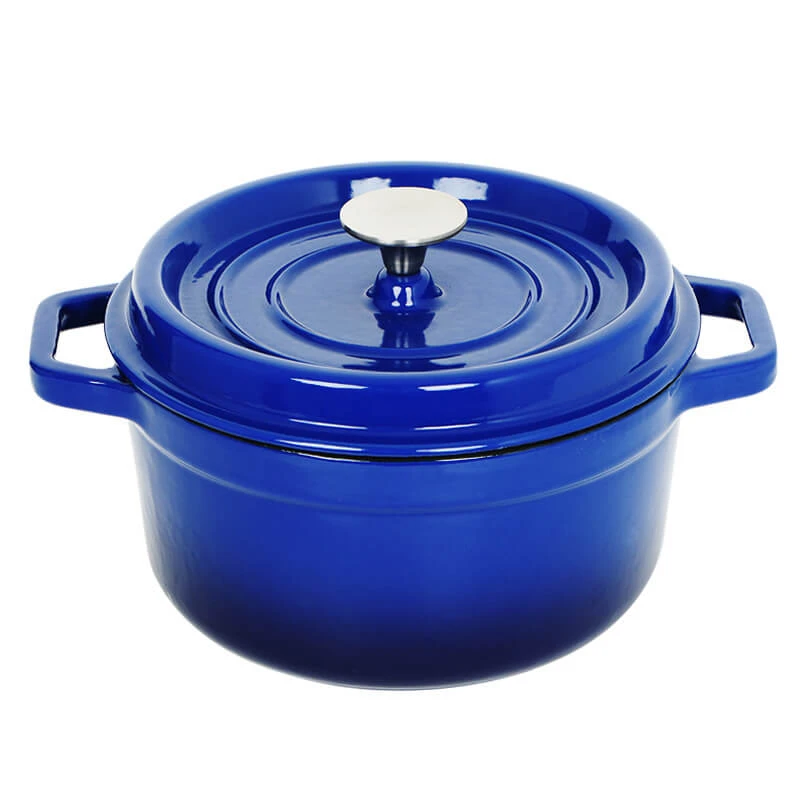
Another thing worth noting is versatility. The small oval cast iron Dutch oven can go straight from stovetop to oven, to the table, which in real terms, simplifies workflow. They’re also easy to clean—something often overlooked but made easier if the enamel coating is up to par. I encourage customers to go for enameled versions, not just for the non-stick properties but for rust-resistance too, which is critical in humid industrial kitchens.
For those wondering about specifics, here’s a quick rundown of a typical product spec that I often recommend. Feel free to compare these with other models on the market:
| Specification | Details |
|---|---|
| Material | Cast iron with enamel coating |
| Size | Small (approx. 6 quarts / 5.7 liters) |
| Shape | Oval |
| Oven Safe | Up to 500°F / 260°C |
| Weight | Approximately 10 lbs / 4.5 kg |
| Color Options | Multiple enamel hues available |
You’ll also find that vendors differ quite a bit—not only on price but on material quality, coating durability, and warranty terms. I’ve put together a quick comparison to help you gauge the differences in what’s typically available through major suppliers.
| Vendor | Cast Iron Quality | Enamel Finish | Warranty | Price Range |
|---|---|---|---|---|
| Vendor A | Premium-grade iron | Smooth, chip-resistant | 5 years | $$$ |
| Vendor B | Standard iron | Glossy, prone to minor chipping | 3 years | $$ |
| Vendor C | High carbon iron | Matte enamel, highly durable | 7 years | $$$$ |
I suppose the bottom line is this: when you’re investing in a small oval cast iron Dutch oven, it pays to think long term. It’s not just about the initial cost, but how the product holds up under real-world industrial kitchen conditions. For many, it ends up being the unsung hero that delivers consistently reliable cooking performance.
From my experience, having the right cookware—even something as 'simple' as this—really sets the tone for kitchen efficiency and food quality. Oddly enough, these vessels often tell the story of a kitchen’s soul.
References:
- Industrial Cookware Durability Tests, Journal of Kitchen Equipment, 2022.
- Smith, R. “Cast Iron and Its Role in Commercial Cooking,” 2021.
- Vendor Warranty and Customer Review Summary Reports, 2023.
-
Antique Cast Iron Camp Oven: Durable Outdoor Cookware for Professionals | ZD CookwareNewsJan.06,2026
-
Durable 4 Quart Camping Pot for Professional Use | ZD CookwareNewsJan.06,2026
-
Durable Campfire Cast Iron Pot for Outdoor & Industrial UseNewsJan.06,2026
-
Cast Iron Griddle for Camp Stove – Durable Outdoor Cooking EssentialNewsJan.06,2026
-
Dutch Oven Cast Iron Camping – Durable Outdoor Cooking GearNewsJan.05,2026
-
Durable and Efficient Cast Iron Camping Griddle for B2B Professionals | ZD CookwareNewsJan.05,2026