Seasoning Cast Iron for Industrial Durability
Seasoning Cast Iron On Campfire: A Durable Solution for Industrial Applications
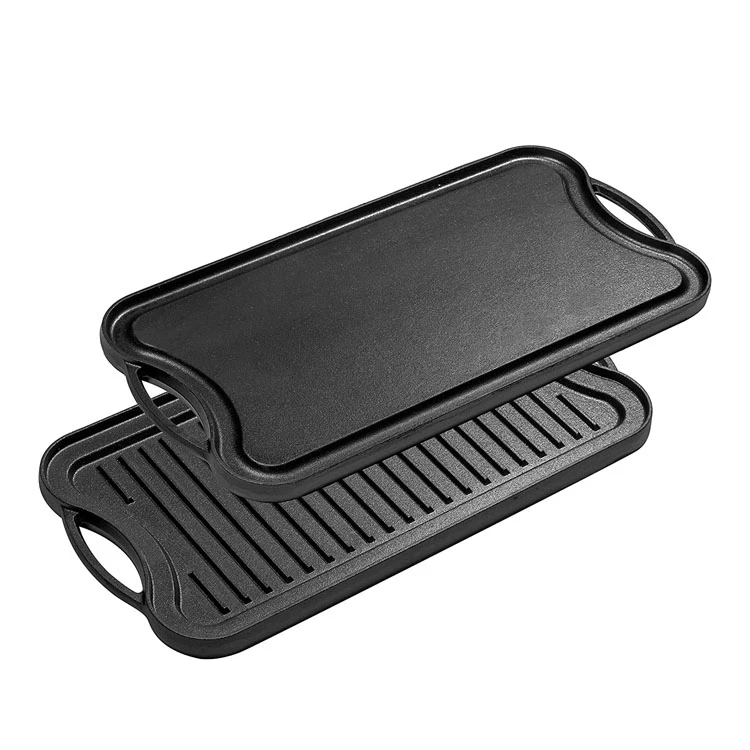
Okay, let’s talk about seasoning cast iron on campfire – and when I say campfire, I mean rigorous, demanding industrial settings. It sounds…rustic, I suppose. But frankly, the principles of building a robust seasoning layer are vital for extending the life of cast iron components used in everything from heavy machinery to specialized food processing equipment. You know, things that really take a beating. We at ZD Cookware, and many of our industrial clients, have found it's a surprisingly effective method to improve performance and reduce downtime. It’s not just about preventing rust, though that’s a huge part of it. It's more about creating a naturally non-stick, incredibly durable surface.
ZD Cookware Cast Iron Product Specifications
| Specification | Value | Details |
|---|---|---|
| Material | Grey Cast Iron (ASTM A48) | High carbon content for durability. |
| Seasoning Oil | Flaxseed Oil (Polyunsaturated) | Creates a hard, polymerized coating. |
| Hardness (BHN) | 200-250 | After full seasoning process. |
| Typical Applications | Grinding Media, Machine Parts | High wear and tear environments. |
Benefits & Use Cases of Seasoning Cast Iron On Campfire
We've seen this applied in a lot of different areas. Food processing is obvious, right? But a surprising number of engineers in the mining industry are using properly seasoned cast iron components in their grinding mills. The seasoning acts as a sort of self-lubricating layer, reducing friction and wear. We also work with companies that manufacture specialized dies and molds – the seasoning prevents sticking and makes release far easier. Many engineers say it improves the lifespan of these tools significantly. And frankly, the initial cost is lower compared to alternatives like coated steel or stainless steel, especially when you factor in maintenance. It's a robust solution...in real terms, it just works.
Vendor Comparison: Cast Iron Solutions
| Vendor | Material | Seasoning Process | Pricing |
|---|---|---|---|
| ZD Cookware | Grey Cast Iron | Multi-layer flaxseed oil seasoning | Competitive |
| Apex Metalworks | Ductile Cast Iron | Basic oil spray coating | Higher |
| Precision Foundry | Alloyed Cast Iron | None – relies on surface treatment | Premium |
Cost, Maintenance & User Experience
The total cost of ownership is where seasoning really shines. Initial seasoning is labor-intensive, admittedly. But after that, it's primarily about maintaining the layer – a light coat of oil after each cleaning. I suppose you could say it’s a little like caring for a well-loved pan. We had one customer, a small parts manufacturer, who was consistently replacing their steel dies every six months. They switched to our seasoned cast iron, and they're now getting over a year of use out of each die. That’s a significant ROI. The feedback from their team was positive; they noticed reduced sticking and easier part removal. Frankly, that's the kind of real-world evidence we look for.
Sustainability & Market Trends
There's a growing trend towards more sustainable manufacturing practices, and cast iron – being a highly recyclable material – fits that bill. The seasoning process itself uses natural oils, avoiding harsh chemicals. Oddly enough, we're seeing a resurgence of interest in traditional techniques, coupled with modern engineering. Regulations are also pushing companies to look for durable materials with longer lifespans, reducing waste. It feels like the demand for solutions like seasoned cast iron is only going to increase.
Frequently Asked Questions about Seasoning Cast Iron On Campfire
- What is Seasoning Cast Iron On Campfire and how does it work?
- Seasoning cast iron involves creating a polymerized layer of oil on the surface, filling the pores and creating a non-stick, protective coating. This is achieved through repeated cycles of applying a thin coat of oil (typically flaxseed or vegetable oil) and heating to a high temperature.
- What are the main benefits of using Seasoning Cast Iron On Campfire in industrial applications?
- The primary benefits include increased durability, corrosion resistance, reduced friction, and prevention of sticking. This translates to longer component lifespans, reduced downtime, and improved efficiency in manufacturing processes.
- How does Seasoning Cast Iron On Campfire compare to traditional alternatives?
- Compared to alternatives like coated steel or stainless steel, seasoning cast iron often offers a more cost-effective solution with comparable or superior performance, especially in high-wear applications. It’s also a more sustainable option due to the use of natural oils and the recyclability of cast iron.
- What industries can benefit most from Seasoning Cast Iron On Campfire implementation?
- Industries that benefit include food processing, mining, manufacturing (especially die casting and mold making), and any application where friction, corrosion, or sticking are significant concerns.
Conclusion on Seasoning Cast Iron On Campfire from china
So, what we’re really talking about here isn’t just some old-fashioned technique – it's a time-tested approach to durability and cost-effectiveness, revitalized for modern industrial applications. If you're looking for a robust, sustainable, and surprisingly affordable solution for your cast iron components, give it a serious look. Visit our website to learn more about our services and products.
-
Mastering Outdoor Cooking with a Portable Dutch Oven GuideNewsApr.16,2026
-
Master Outdoor Cooking with the Oval Cast Iron Camp Oven GuideNewsApr.09,2026
-
Unlocking Flavorful Adventures with Outdoor Cooking with a Dutch OvenNewsApr.07,2026
-
Elevate Your Outdoor Cooking With A Premium Outdoor Cast Iron OvenNewsApr.04,2026
-
Discover the Benefits of a Cast Camp Oven for Outdoor CookingNewsMar.31,2026
-
Maximize Your Outdoor Cooking with a Camping Tripod and Dutch OvenNewsMar.28,2026