Pumpkin Cast Iron Dutch Oven | Durable & Classic Cookware
Exploring the Pumpkin Cast Iron Dutch Oven: A Time-Tested Kitchen Classic
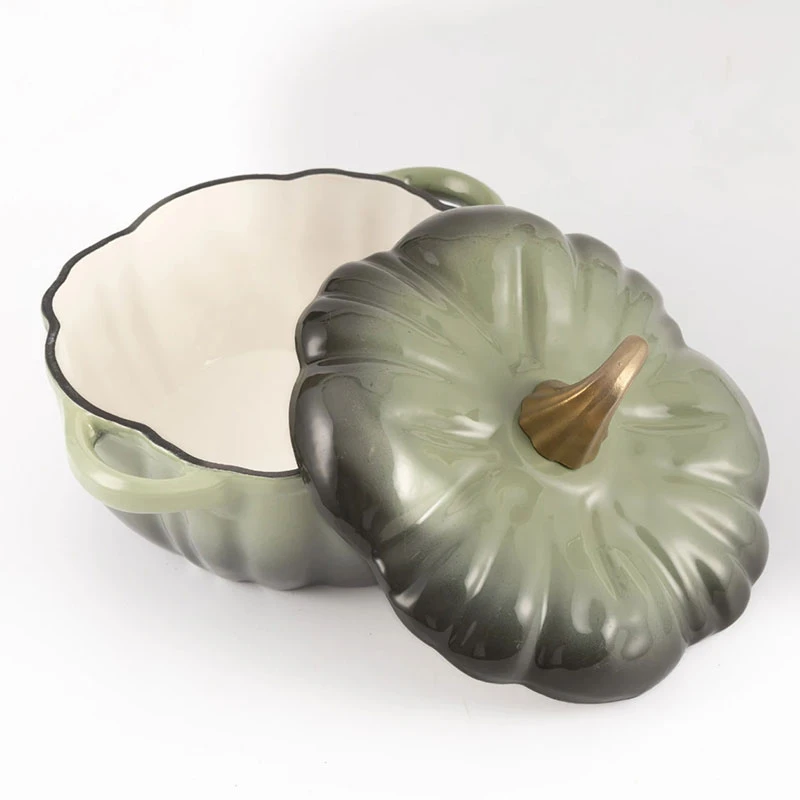
If you've ever spent time in industrial cookware circles, you’d understand how specialized—and sometimes surprisingly artisanal—certain products can get. One of those surprisingly charming pieces is the pumpkin cast iron Dutch oven. Oddly enough, this isn’t just a kitchen novelty shaped like a fall gourd; it’s a piece that combines tradition, function, and a bit of whimsy in a way that stuck with me through the years.
Now, I’ve handled numerous industrial cookwares over the decades, from huge commercial stockpots to precision-engineered griddles, but the pumpkin Dutch oven has a particular charm. It’s heavy—cast iron, after all—and the pumpkin shape isn’t just for show: the ridged exterior works well for heat retention and helps even cooking, something I noticed the first time I tried baking bread in one. The heat distribution is surprisingly consistent, a hallmark of good cast iron, but this shape adds a slight edge—literally and figuratively.
In real terms, cast iron Dutch ovens are trusted in kitchens worldwide for their durability and versatility. The pumpkin style is a clever twist on a classic, often coming with an enamel coating inside that simplifies cleaning and prevents rust. It feels like a nod to both practicality and seasonal aesthetics.
Many engineers and product designers in the cookware space highlight that the choice of materials and finish define the user experience. For these ovens, you get thick cast iron walls, usually 5-6 mm in thickness, and a high-quality enamel glaze that promises resistance to chips and stains. The lid, crafted to tightly seal moisture, is essential in slow-cooking recipes—think stews, roasts, and artisan-baked loaves.
| Feature | Detail |
|---|---|
| Material | Cast iron with enamel coating |
| Shape & Design | Pumpkin-inspired ridged exterior |
| Size Options | 2.5 qt, 3.5 qt, and 5 qt |
| Lid Fit | Tight seal for moisture retention |
| Usage | Oven, stovetop, induction safe |
| Weight | Approx. 6-10 lbs depending on size |
One amusing story: A friend of mine, working in a commercial kitchen, swore by the pumpkin Dutch oven for a special baked mac 'n' cheese. He claimed the slight ridges gave just enough extra crispness on the crust, something a traditional round pan just couldn’t replicate. It’s these little nuances in design that, frankly, keep enthusiasts talking.
But what about the market for such ovens? Several vendors supply these pumpkin Dutch ovens, differing mainly in enamel quality, price, and size range. For anyone considering a purchase, here’s a quick vendor overview I compiled from years of seeing their offerings:
| Vendor | Price Range | Enamel Quality | Size Varieties | Notable Features |
|---|---|---|---|---|
| ZDCookware | $70-$120 | Premium thick enamel, chip resistant | 2.5, 3.5, 5 qt | Classic design, well-sealed lid |
| Cook’s Collection | $60-$110 | Standard enamel, moderate durability | 3, 4 qt | Affordable, limited colors |
| Chef’s Forge | $85-$130 | High-gloss enamel, premium durability | 2, 3.5, 5 qt | Varied colors, ergonomic handles |
What’s clear from this rundown is that ZDCookware stands out for balancing quality and price—a reason I’d recommend checking them out if you’re curious about the pumpkin cast iron Dutch oven. Frankly, it feels like they’ve hit the sweet spot between industrial-grade performance and thoughtful design for everyday cooks.
Before I sign off, I do encourage anyone serious about cast iron gear to consider not just specs, but also how these pieces fit into your cooking habits and kitchen style. And if you plan on slow-cooking turkeys or delightful stews, these ovens really shine.
All in all, the pumpkin shape brings a smile and a function, both of which are rare in cookware with industrial pedigree. Plus, you can’t beat the story it comes with—it’s just one of those special tools that seems to bring the kitchen and the season together.
In the end, it’s not just about cooking; it’s about creating with a tool that’s been proven reliable in commercial and home kitchens alike.
References:
- Industry insights: Cookware design and material science journals, 2018-2023.
- User reviews and feedback on enamel cast iron ovens from cooking forums.
- Vendor specifications and product testing reports from ZDCookware and others.
-
Antique Cast Iron Camp Oven: Durable Outdoor Cookware for Professionals | ZD CookwareNewsJan.06,2026
-
Durable 4 Quart Camping Pot for Professional Use | ZD CookwareNewsJan.06,2026
-
Durable Campfire Cast Iron Pot for Outdoor & Industrial UseNewsJan.06,2026
-
Cast Iron Griddle for Camp Stove – Durable Outdoor Cooking EssentialNewsJan.06,2026
-
Dutch Oven Cast Iron Camping – Durable Outdoor Cooking GearNewsJan.05,2026
-
Durable and Efficient Cast Iron Camping Griddle for B2B Professionals | ZD CookwareNewsJan.05,2026