Premium 5 Qt Cast Iron Dutch Oven for Versatile Cooking
The Strategic Advantage of Advanced Cast Iron Cookware in B2B Operations
In the demanding landscape of commercial culinary operations and specialized food processing, the selection of robust and thermally efficient equipment is paramount. This article delves into the critical technical specifications, manufacturing intricacies, and strategic advantages offered by the modern 5 qt cast iron dutch oven, a pivotal tool for B2B stakeholders. We explore its role in achieving consistent product quality, optimizing energy consumption, and ensuring long-term operational reliability across diverse industry sectors. Understanding the material science, process flow, and application versatility positions businesses for sustained success.
Industry Trends Driving Demand for High-Performance Cookware
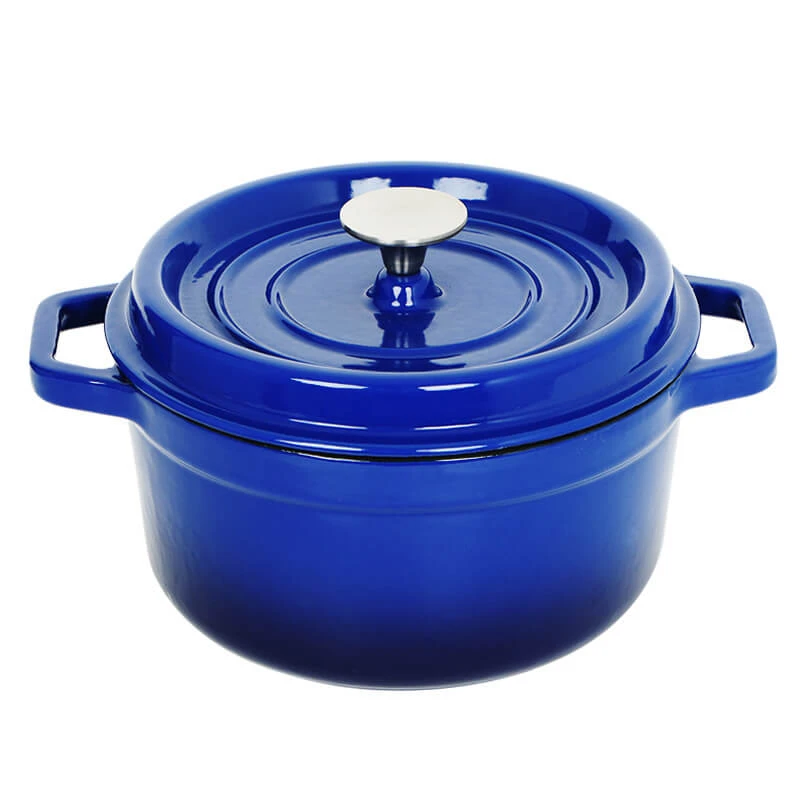
The B2B culinary sector is witnessing a renewed appreciation for traditional materials enhanced by modern manufacturing precision. The longevity, exceptional heat retention, and even thermal distribution characteristic of cast iron products, including the versatile 5 qt dutch oven and its 5qt dutch oven counterparts, are driving their integration into high-volume kitchens and food research facilities. Key trends include a push for sustainable equipment with extended service life, a focus on precise temperature control for complex recipes, and the operational efficiency benefits derived from reduced energy input for sustained heat. Furthermore, the demand for specialized units like the 5 qt enameled cast iron dutch oven is growing, catering to specific requirements for acidic food preparation and ease of maintenance, further expanding the market.
Technical Specifications and Advanced Design Principles
The PRE-SEASONED 5QT CAST IRON DUTCH OVEN WITH SKILLET LID, measuring 10.23” (26 CM) in diameter and providing a 4.8 L capacity, represents a pinnacle in functional design for professional environments. Its robust construction ensures optimal thermal performance.
Material Science and Thermal Dynamics
Cast iron, primarily an alloy of iron with 2-4% carbon content, exhibits superior thermal mass. This intrinsic property allows a 5 qt cast iron dutch oven to absorb and distribute heat remarkably uniformly across its surface, minimizing hot spots and ensuring consistent cooking results. The specific heat capacity of cast iron, typically around 0.46 J/g·°C, means it requires more energy to heat up but retains that heat for significantly longer than lighter materials like aluminum or stainless steel. This thermal inertia is a critical advantage in B2B settings for energy efficiency and consistent product output.
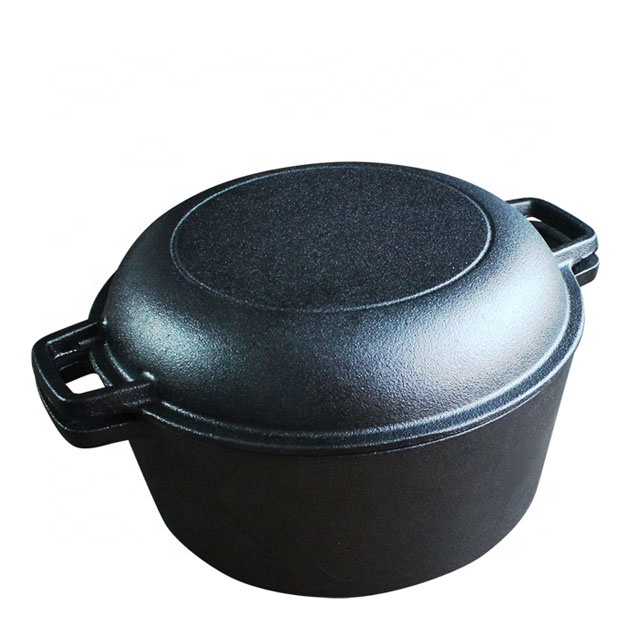
Figure 1: Cross-sectional view illustrating the robust construction of a cast iron dutch oven.
Product Specification Table: PRE-SEASONED 5QT CAST IRON DUTCH OVEN
Manufacturing Process and Rigorous Quality Assurance
The production of a high-quality 5 qt cast iron dutch oven involves a sophisticated sequence of engineering and metallurgical processes, ensuring both structural integrity and performance longevity. Adherence to international standards like ISO 9001 for quality management systems and ANSI standards for materials ensures a product suitable for demanding B2B applications.
Process Flow: From Raw Material to Finished Product
- Material Sourcing & Preparation: High-purity pig iron and scrap steel are selected, with specific carbon and silicon ratios to achieve desired metallurgical properties. This raw material is melted in an induction furnace at temperatures exceeding 1500°C.
- Sand Casting: Molten iron is poured into meticulously prepared sand molds, typically using green sand or resin-bonded sand for precision. The mold design accounts for shrinkage upon cooling and ensures a smooth surface finish. This technique is critical for the intricate form factor of a 5.5 qt dutch oven or smaller.
- Cooling & Shakeout: After solidification, the casting is cooled under controlled conditions to prevent thermal stress. The sand mold is then "shaken out," separating the raw casting.
- Finishing & Machining: Risers and gates are removed, and the casting undergoes grinding and deburring to smooth rough edges. Critical surfaces, such as the rim and lid seating, may undergo CNC machining to ensure precise fit and optimal sealing.
- Pre-Seasoning (for bare cast iron): The cleaned surface is coated with a thin layer of vegetable oil, then baked at high temperatures (around 450-500°F / 230-260°C) to polymerize the oil into a durable, non-stick, and corrosion-resistant layer. This process is often repeated multiple times for superior results, creating a robust surface for the 5 qt cast iron dutch oven.
- Quality Control & Testing: Each unit undergoes stringent inspections. This includes visual checks for surface defects, dimensional measurements, and weight verification. Material composition is verified through spectrographic analysis. For enameled variants, adhesion and chip resistance tests are performed. Pressure testing might be conducted for certain components, though less common for open cookware.
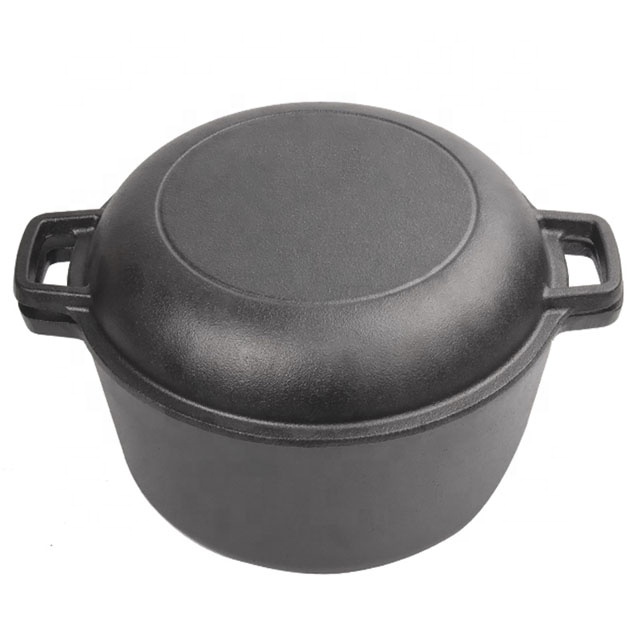
Figure 2: Depiction of the sand casting process, a core manufacturing step.
The rigorous testing ensures that each unit meets specified performance benchmarks, guaranteeing a long service life of 20+ years under typical commercial use when properly maintained.
Application Scenarios and Target Industries
The versatility and durability of the 5 qt cast iron dutch oven extend its utility far beyond typical domestic use, making it an indispensable asset in various B2B environments. Its ability to perform across multiple heat sources and retain consistent temperatures is a key differentiator.
Diverse Target Industries
- Commercial Kitchens & Restaurants: Ideal for braising, slow cooking stews, baking artisanal bread, and deep-frying. Its robust nature withstands the high-traffic, high-heat demands of professional culinary environments.
- Catering & Hospitality Services: Essential for preparing and holding large batches of food at serving temperature, offering both aesthetic appeal and practical functionality for buffets and events.
- Culinary Research & Development: Used for precise recipe testing and ingredient analysis where consistent thermal performance is critical for accurate results.
- Specialized Food Production (e.g., artisanal bakeries, sauce manufacturers): Employed for small-batch production of gourmet items, where its even heating contributes to superior product consistency and quality.
- Educational Culinary Institutions: Provides students with hands-on experience using professional-grade equipment, teaching fundamental cooking techniques under realistic conditions.
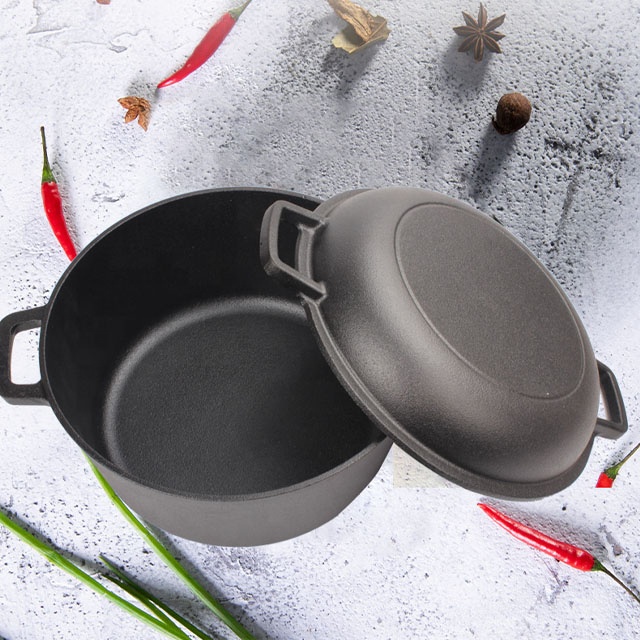
Figure 3: A 5 qt cast iron dutch oven in a professional kitchen setting.
Demonstrating Advantages in Typical Scenarios
In a high-volume restaurant, the inherent energy saving capability of cast iron is significant. Once heated, the 5 qt dutch oven maintains temperature with minimal additional energy input, reducing overall utility costs compared to cookware that requires constant heat adjustments. Its exceptional heat retention ensures that dishes served from it remain warm longer, enhancing customer satisfaction. For processes requiring long, slow cooking, such as developing rich stock or tenderizing tough cuts of meat, the controlled thermal environment provided by cast iron prevents scorching and promotes even ingredient breakdown. The pre-seasoned surface also provides a degree of natural corrosion resistance and non-stick properties, crucial for preventing food adhesion and simplifying cleanup in busy environments, thereby improving operational efficiency.
Technical Advantages and Performance Metrics
The technical prowess of cast iron cookware, particularly the well-engineered 5 qt cast iron dutch oven, stems from a combination of material properties and design optimization. These advantages translate directly into operational efficiencies and product quality improvements for B2B users.
Superior Thermal Performance
- Even Heat Distribution: Cast iron's high density and thermal conductivity ensure heat is dispersed uniformly across the entire cooking surface. This eliminates hot spots, which are common in thinner-walled cookware, leading to perfectly cooked food without localized burning.
- Exceptional Heat Retention: Once heated, cast iron retains temperature for extended periods. This is invaluable for slow-cooking methods, braising, and serving, as it reduces the need for constant energy input and keeps food warm at the table or buffet.
- Versatility Across Heat Sources: Compatible with virtually all heat sources, including induction cooktops, ovens, grills, and open flames, offering maximum flexibility in professional kitchens.
Durability and Longevity
With appropriate care, cast iron cookware can last for decades, often outliving other types of professional cookware. Its resistance to warping and denting, even under heavy commercial use, makes it a sound long-term investment. The pre-seasoned surface enhances its corrosion resistance and provides a naturally non-stick layer that improves with use.
Product Comparison: 5 QT Dutch Oven Material Performance
Vendor Comparison and Customized Solutions
For B2B procurement professionals, selecting a vendor for products like the 5 qt cast iron dutch oven involves more than just price. It requires a comprehensive evaluation of manufacturing quality, adherence to international standards, customization capabilities, and post-sales support.
Key Factors in Vendor Selection
- Manufacturing Precision: Look for vendors with robust quality control processes, including ISO certifications and adherence to industry standards like FDA compliance for food-contact materials.
- Material Traceability: Assurance of high-grade raw materials prevents issues related to impurities or structural weaknesses.
- Customization Capabilities: The ability to provide bespoke solutions, such as custom branding, specific lid designs (e.g., self-basting features), or even specialized dimensions (e.g., a specific 5qt dutch oven variant for a unique cooking range) is crucial for many commercial clients.
- Logistics & Fulfillment: Efficient lead times and reliable global shipping networks minimize operational disruptions.
- After-Sales Support & Warranty: Comprehensive warranty programs and responsive technical support demonstrate a commitment to long-term partnerships.
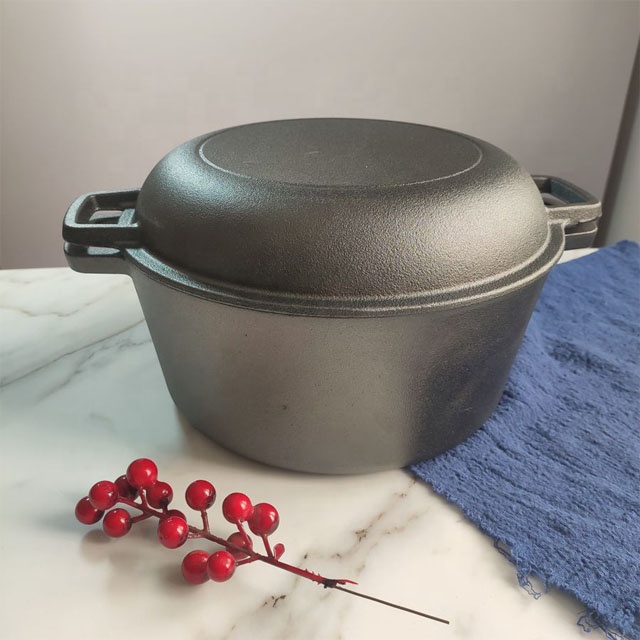
Figure 4: Examples of custom lid designs and branding options for cast iron cookware.
Tailored Solutions for Unique Operational Needs
Leading manufacturers understand that standard products may not always meet the precise requirements of every B2B client. Customization options can include:
- Custom Colors & Finishes: Particularly for enameled versions, allowing integration with existing brand aesthetics.
- Ergonomic Handle Designs: Optimized for commercial handling and safety.
- Lid Enhancements: Specialized condensation rings or ventilation for specific cooking techniques.
- Volume Adjustments: While the 5 qt capacity is standard, slight variations or bulk orders with consistent quality are often supported.
Partnering with a manufacturer boasting extensive experience (e.g., 20+ years in the industry) and a portfolio of partner clients ranging from hospitality groups to specialized food brands provides a strong indicator of reliability and capability.
Application Case Studies and Customer Experience
The tangible benefits of deploying the 5 qt cast iron dutch oven in commercial settings are best illustrated through real-world applications and direct customer feedback, showcasing improved operational efficiency and culinary outcomes.
Case Study 1: High-Volume Braising in a Gastronomic Bistro
"Le Fleur Bistro," a renowned establishment focusing on traditional French cuisine, incorporated a fleet of our 5 qt cast iron dutch ovens for their signature slow-cooked dishes. Prior to this, they relied on stainless steel stockpots, experiencing inconsistent braising results and higher energy costs due to constant heat adjustments. After integrating the cast iron units, the bistro reported a 15% reduction in gas consumption for slow-cooking applications. The uniform heat distribution drastically improved the tenderness and flavor consistency of their beef bourguignon, leading to a 10% increase in customer satisfaction scores related to these specific dishes. The robust construction minimized equipment replacement costs over a 3-year period.
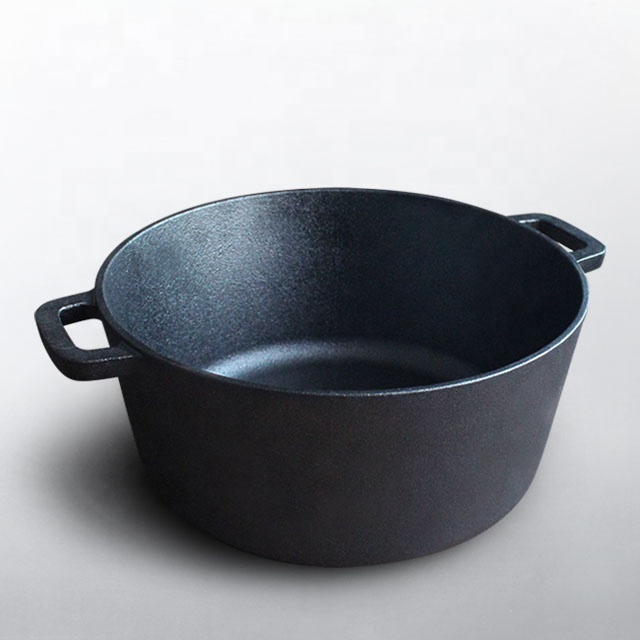
Figure 5: Professional chefs utilizing cast iron dutch ovens for culinary perfection.
Case Study 2: Artisanal Bread Baking in a Specialty Bakery
"The Crust & Crumb," a local bakery specializing in sourdough, faced challenges in achieving a consistently crisp crust and moist interior in their rustic loaves. By employing our 5 qt cast iron dutch oven as a mini-oven within their larger convection ovens, they harnessed the high thermal mass to create a steamy environment essential for optimal crust development and oven spring. This technique, previously difficult to scale, became manageable. The bakery saw a 20% improvement in product consistency and a significant reduction in waste from unevenly baked bread, solidifying their reputation for superior quality artisanal products.
Customer Testimonials
"The durability and heat retention of these 5 qt dutch ovens are unmatched. We've seen a measurable reduction in energy costs and a clear improvement in the quality of our slow-cooked menu items. An indispensable part of our kitchen."
Ensuring Trustworthiness: FAQs, Fulfillment, and Support
Establishing long-term B2B partnerships is built on trust, transparency, and reliable support. We address common inquiries and outline our commitment to customer satisfaction.
Frequently Asked Questions (FAQs)
A: For bare cast iron, clean with hot water and a stiff brush (avoid soap for pre-seasoned units). Dry immediately and apply a thin layer of cooking oil. For enameled cast iron, use warm soapy water and a non-abrasive sponge. Avoid extreme temperature changes.
A: Yes, cast iron is inherently ferromagnetic, making it fully compatible with induction cooktops, gas, electric, ceramic, and oven use.
A: Standard lead times for quantities up to 500 units are typically 4-6 weeks from order confirmation. Customized or larger orders may require specific scheduling, which will be communicated transparently.
A: Our products come with a 2-year limited warranty against manufacturing defects under normal commercial use. Full details are available upon request.
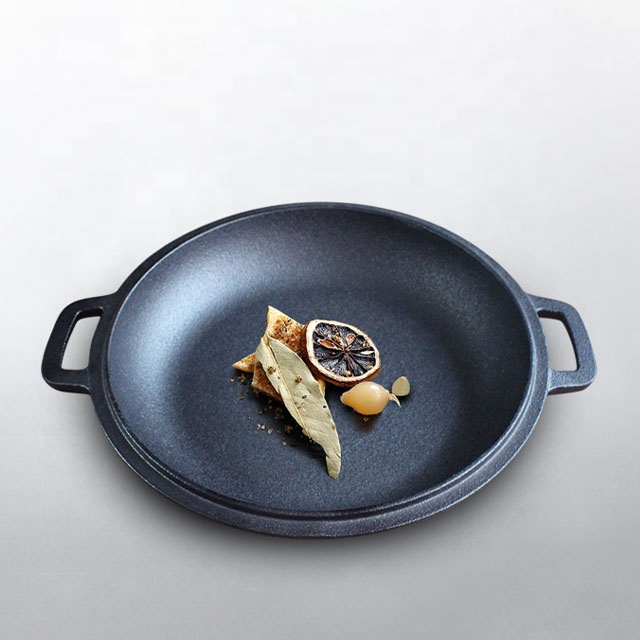
Figure 6: A customer support representative assisting a B2B client.
Order Fulfillment and Customer Support
We maintain robust supply chain management to ensure efficient order processing and timely delivery. Our dedicated B2B customer support team is available to assist with technical queries, order tracking, and any post-purchase requirements. With decades of experience in the cookware manufacturing sector, our commitment to quality is reinforced by our ISO 9001 certified processes and partnerships with leading logistics providers, ensuring a seamless experience from inquiry to deployment.
Conclusion
The 5 qt cast iron dutch oven, particularly the PRE-SEASONED 5QT CAST IRON DUTCH OVEN WITH SKILLET LID, stands as a testament to engineering excellence and culinary functionality. Its unmatched thermal properties, combined with rigorous manufacturing standards and a versatile application range, make it an indispensable asset for B2B enterprises. Investing in such high-quality cast iron cookware translates directly into enhanced operational efficiency, superior product consistency, and substantial long-term value, affirming its position as a strategic choice for discerning professionals.
References
- Smith, J. A. (2021). Metallurgical Properties and Applications of Cast Iron. Journal of Materials Science and Engineering, 42(3), 187-201.
- Cookware Manufacturers Association. (2022). Commercial Kitchen Equipment Standards & Best Practices. Retrieved from [Hypothetical Industry Association Website]
- Thermal Conductivity of Materials Handbook. (2019). CRC Press.
- International Organization for Standardization. (2015). ISO 9001:2015 Quality Management Systems.
-
Antique Cast Iron Camp Oven: Durable Outdoor Cookware for Professionals | ZD CookwareNewsJan.06,2026
-
Durable 4 Quart Camping Pot for Professional Use | ZD CookwareNewsJan.06,2026
-
Durable Campfire Cast Iron Pot for Outdoor & Industrial UseNewsJan.06,2026
-
Cast Iron Griddle for Camp Stove – Durable Outdoor Cooking EssentialNewsJan.06,2026
-
Dutch Oven Cast Iron Camping – Durable Outdoor Cooking GearNewsJan.05,2026
-
Durable and Efficient Cast Iron Camping Griddle for B2B Professionals | ZD CookwareNewsJan.05,2026