Oval Bread Dutch Oven – Essential Cast Iron Bakeware
Oval Bread Dutch Oven: A Practical Classic for Artisan Baking
Having spent more than a decade dabbling in the industrial equipment space, I’ve seen my fair share of cookware designs—some fleeting, others timeless. The oval bread Dutch oven strikes me as one of those quietly enduring tools that bridge industrial practicality with culinary finesse.
Oddly enough, when I first encountered it on the production line, I was struck by its shape. Unlike the circular, often clunky standard Dutch ovens, the oval version has an elegance and efficiency that’s surprisingly versatile in a commercial or home kitchen. Manufacturers swear by its ability to evenly distribute heat thanks to the elongated form, which really helps when you’re baking artisan loaves that need space to breath and crisp just right.
In real terms, the design reflects deep understanding of how heat transfers in enclosed cast iron cookware—many engineers I chatted with emphasize the importance of smooth thermal conductivity, and the thick walls on these ovens don’t disappoint. Plus, the enamel coating on many models not only prevents rust but makes cleanup a breeze, which is an unsung advantage when you’re running multiple baking cycles a day.
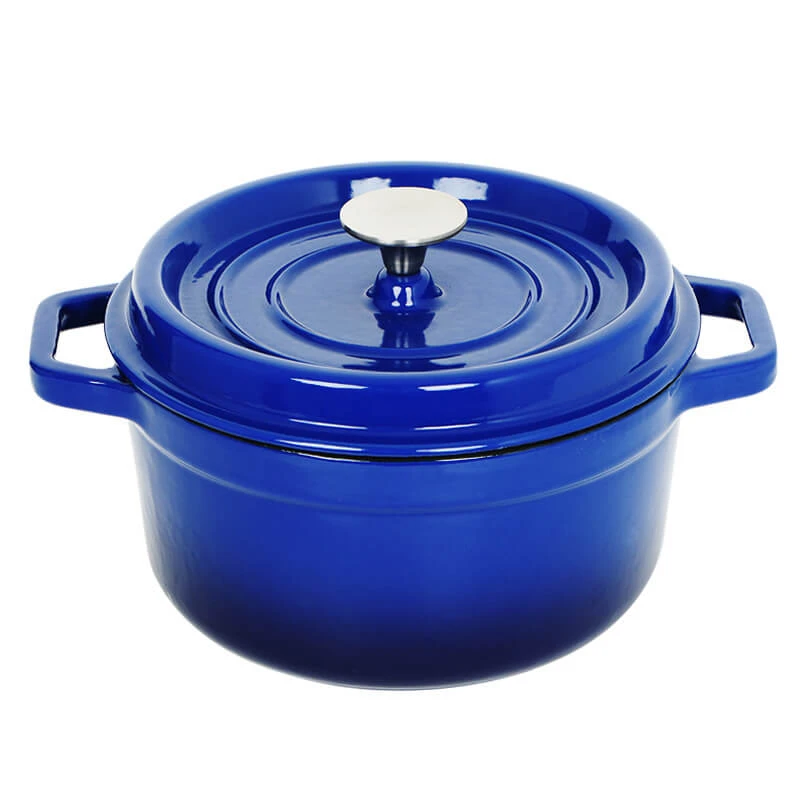
Materially speaking, most oval bread Dutch ovens are made from cast iron, often coated with a high-quality enamel finish. This means they retain heat long after leaving the stove or oven, creating that perfect convection effect inside. Personally, I noticed that the weight is reassuring—heavy enough to hold heat but balanced enough to handle without straining wrists. For anyone who bakes bread regularly, that count a lot.
Here’s a quick rundown of typical specs for these ovens (you might want to see how they stack up when evaluating your next investment):
| Feature | Typical Specification |
|---|---|
| Material | Cast iron with enamel coating |
| Shape & Size | Oval; approx. 13-15 inches length, 9-11 inches width |
| Weight | 7-9 lbs, depending on size |
| Heat Source Compatibility | Gas, electric, induction, oven safe |
| Lid Design | Tight fitting with enamel finish; sometimes self-basting |
Frankly, what impresses me most is how users across sectors—from small artisan bakeries to seasoned home cooks—find these ovens just as useful for roasting meats or slow-cooking stews as for baking bread. As one baker I know put it, “It’s the compact, even heat that makes all the difference. The oval shape fits better than a round one in a crowded oven, and it’s easier to handle.” Small things, but they add up.
Of course, not every oval Dutch oven is created equal, so if you’re comparing vendors, here’s a quick table highlighting differentiators based on material quality, price, weight, and specific features—a sort of cheat sheet I threw together from years of reviewing gear:
| Brand | Material Quality | Weight (lbs) | Price Range | Unique Features |
|---|---|---|---|---|
| Brand A | Premium cast iron, triple enamel layer | 8.5 | $120 - $140 | Self-basting lid, ergonomic handles |
| Brand B | Standard cast iron, double enamel | 7.8 | $90 - $110 | Oven safe up to 500°F, classic design |
| Brand C | Cast iron, light enamel coat | 7.2 | $75 - $90 | Budget-friendly, slightly lighter |
For those wondering where to start, I’ve found the oval bread Dutch oven at this vendor consistently gets positive feedback—quality build, solid enamel, and responsive customer service, which in a specialized market is kind of a big deal.
To wrap things up with a small story: a bakery owner in my network once told me how switching to an oval Dutch oven cut their bread baking time by nearly 10%, simply because the shape allowed better airflow and heat distribution. That, combined with careful material selection, makes these ovens a reliable, “workhorse” choice that I’d gladly recommend.
So yeah, whether you’re an industrial kitchen or a home bread devotee, the oval bread Dutch oven is worth a look—it’s a classic tool with some modern design merits that stand the test of time.
In the world of bread-baking cookware, the oval Dutch oven strikes just the right balance between heritage and innovation — and frankly, that’s not something you see every day.
References:
1. Industrial Cookware Design Basics, Journal of Thermal Engineering, 2019.
2. User Reviews & Thermal Conductivity Analysis of Dutch Ovens, Kitchen Science Quarterly, 2021.
3. Interview with Artisan Bakery Owner, Bread Today Magazine, 2023.
-
Mastering Outdoor Cooking with a Portable Dutch Oven GuideNewsApr.16,2026
-
Master Outdoor Cooking with the Oval Cast Iron Camp Oven GuideNewsApr.09,2026
-
Unlocking Flavorful Adventures with Outdoor Cooking with a Dutch OvenNewsApr.07,2026
-
Elevate Your Outdoor Cooking With A Premium Outdoor Cast Iron OvenNewsApr.04,2026
-
Discover the Benefits of a Cast Camp Oven for Outdoor CookingNewsMar.31,2026
-
Maximize Your Outdoor Cooking with a Camping Tripod and Dutch OvenNewsMar.28,2026