Mastering the Art of Baking Bread in Oval Dutch Oven for Perfect Loaves
Baking Bread in Oval Dutch Oven: A Comprehensive Guide
The art of baking bread has seen a resurgence, and one tool consistently stands out for achieving exceptional results: the oval dutch oven. This versatile cookware isn't just for stews; it’s a bread baker’s dream. The enclosed environment traps steam, creating a beautifully crisp crust and a soft, chewy interior. Whether you’re a novice baker or a seasoned pro, mastering the technique of baking bread in an oval dutch oven will elevate your homemade loaves to new heights. We'll explore everything from selecting the right dutch oven to perfecting your scoring technique.
Why Choose an Oval Dutch Oven for Bread Baking?
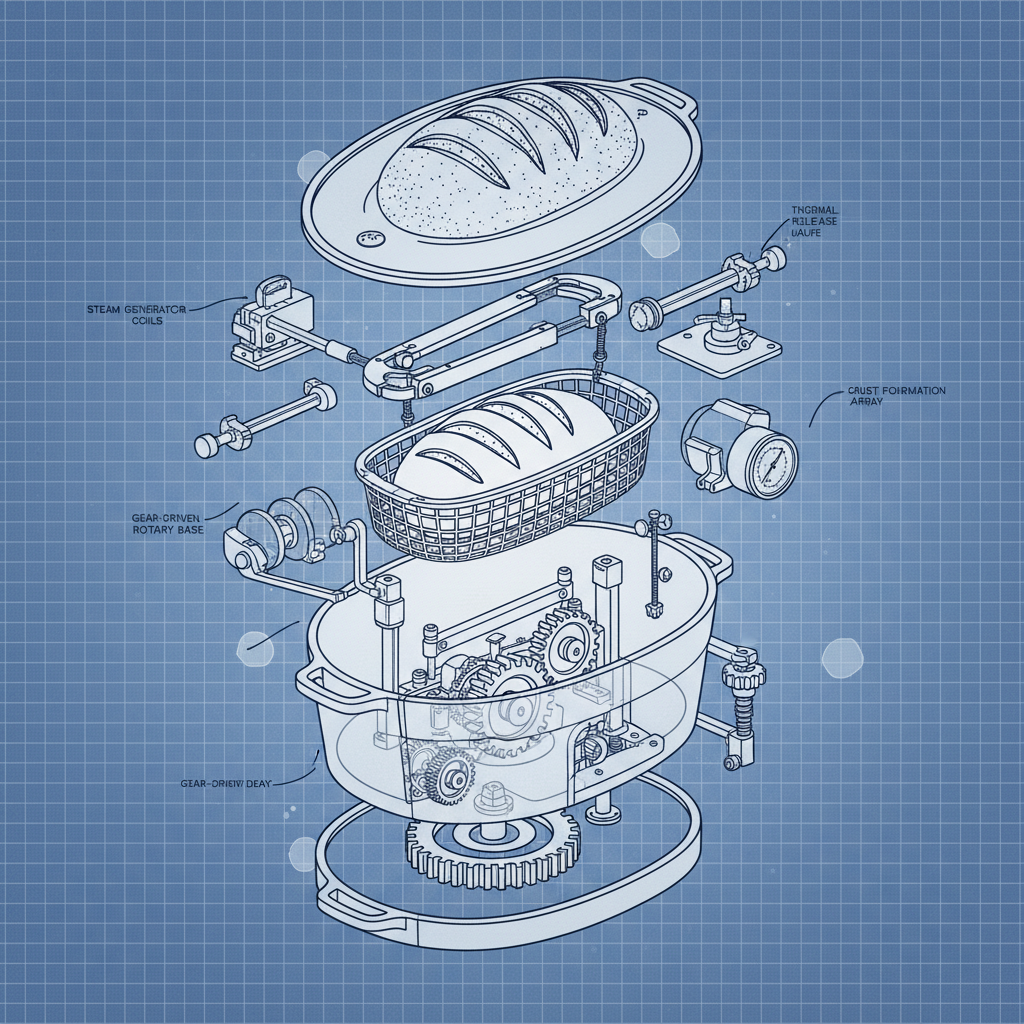
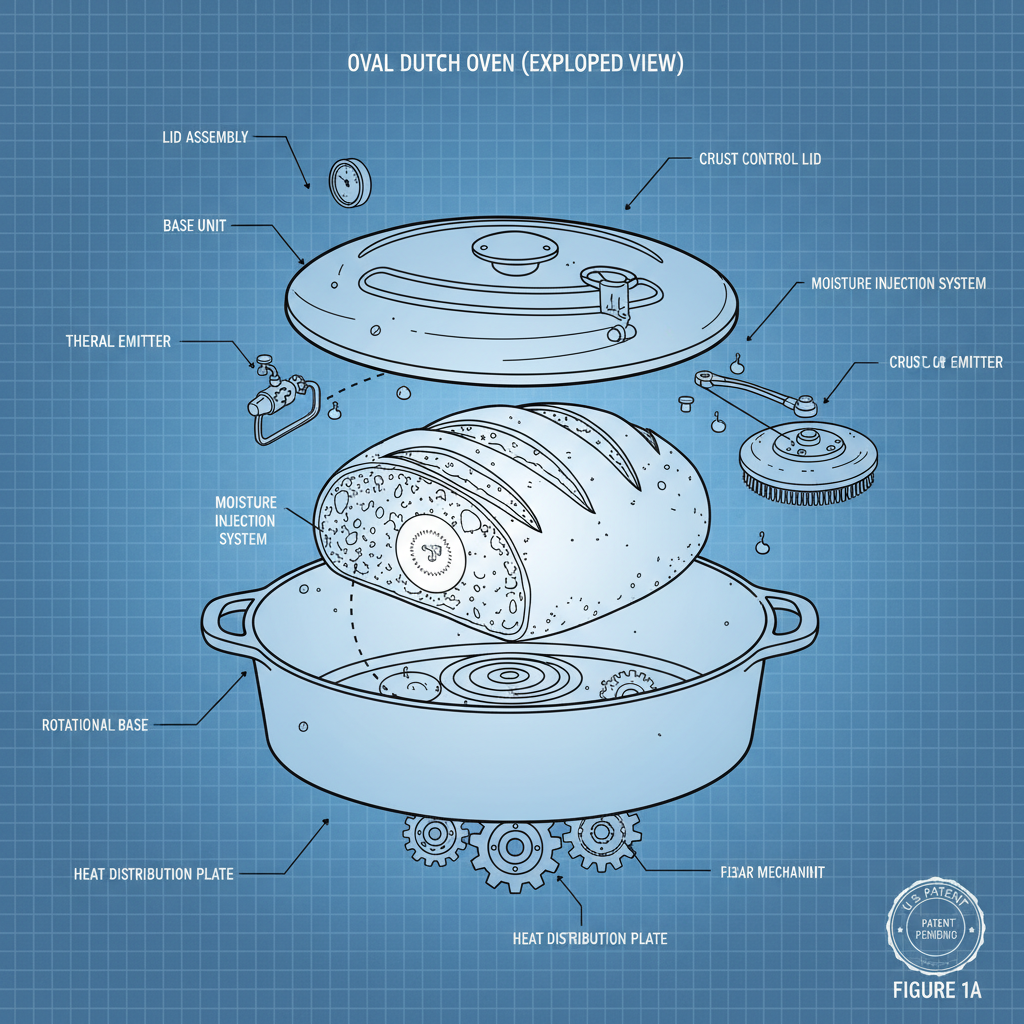
An oval dutch oven is specifically beneficial for baking boules or round loaves of bread. The shape encourages even heat distribution and steam circulation, which are key to achieving a superior crust. The tightly fitting lid traps steam created during baking, mimicking a professional bread oven. This creates a humid environment that prevents the dough from drying out too quickly, allowing it to rise fully and develop a delightful texture. Using a dutch oven simplifies the process, eliminating the need for complicated steaming methods.
Key Benefits: Even heat distribution, steam trapping for a crisp crust, simplified baking process, and ideal for round loaves (boules).
Essential Equipment: Selecting Your Dutch Oven
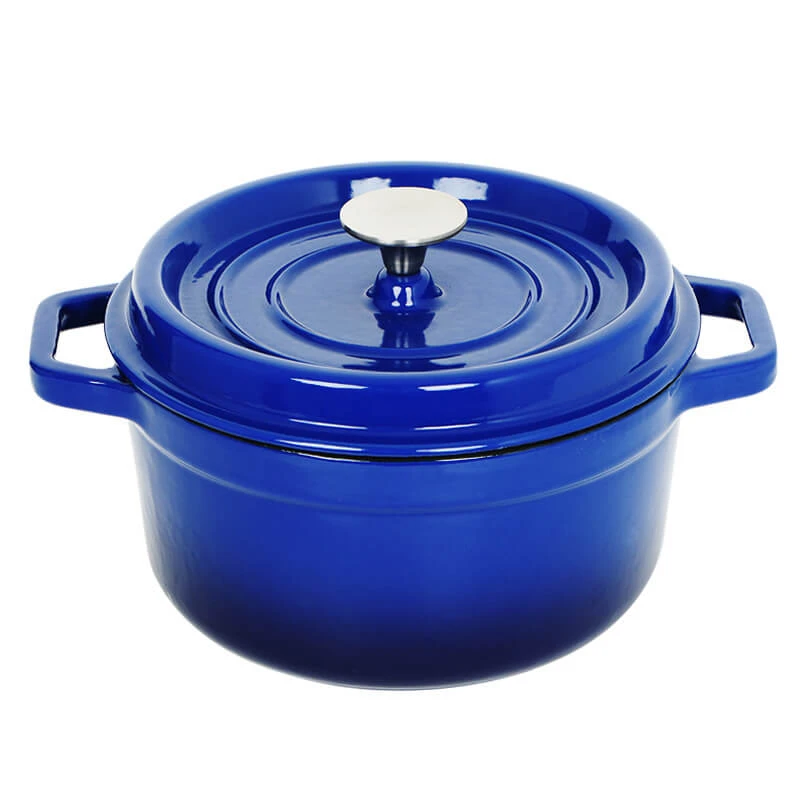
Not all dutch ovens are created equal. For baking bread in an oval dutch oven, consider the material, size, and lid fit. Enameled cast iron is highly recommended due to its excellent heat retention and non-reactivity. The enamel coating also makes cleanup much easier. The size will depend on the size of loaves you typically bake. A 5-6 quart oval dutch oven is a versatile option for most home bakers. A tight-fitting lid is essential for trapping steam effectively.
Dutch Oven Features to Consider:
• Material: Enameled Cast Iron is ideal.
• Size: 5-6 quarts for most loaves.
• Lid Fit: A tight-fitting lid is crucial.
• Handles: Sturdy and easy to grip.
The Baking Process: A Step-by-Step Guide
The process of baking bread in a dutch oven is straightforward. First, preheat your oven, with the dutch oven inside, to 450-500°F (232-260°C) for at least 30 minutes. This ensures the dutch oven is thoroughly heated. Carefully remove the hot dutch oven from the oven. Place your shaped dough inside, score the top with a sharp knife or lame, and cover with the lid. Bake covered for 20-25 minutes, then remove the lid and continue baking for another 20-30 minutes, or until the crust is deeply golden brown and the internal temperature reaches 200-210°F (93-99°C).
Comparing Baking Methods: Dutch Oven vs. Traditional Baking
Traditional bread baking often requires steaming the oven to achieve a similar effect to using a dutch oven. This can be done by pouring water into a hot pan on the oven floor, but it’s a less consistent and more involved process. The dutch oven provides a controlled steam environment that's much easier to manage. Here's a quick comparison:
ZD Cookware: Your Source for Quality Dutch Ovens
At ZD Cookware, we offer a range of high-quality oval dutch ovens perfect for all your bread baking needs. Our dutch ovens are crafted from durable enameled cast iron, ensuring exceptional heat retention and even cooking. Explore our selection today and discover the difference a quality dutch oven can make in your bread baking journey!
Conclusion: Unleash Your Inner Baker
Baking bread in an oval dutch oven is a rewarding experience that yields consistently delicious results. With the right equipment and a little practice, you can create artisan-quality loaves in your own kitchen. Don't hesitate to explore the possibilities and enjoy the satisfaction of homemade bread. Visit ZD Cookware to find the perfect dutch oven to start your baking adventure!
Frequently Asked Questions (FAQs)
Can I use my dutch oven for other types of bread besides boules?
While oval dutch ovens are particularly well-suited for round loaves (boules), you can also bake other shapes, such as batards or even braided breads, in them. The key is to adjust the size of your dough to fit comfortably within the dutch oven, leaving enough space for expansion during baking. Keep in mind that the steam environment will still benefit these shapes, producing a lovely crust.
How do I prevent my dough from sticking to the dutch oven?
To prevent sticking, thoroughly preheat the dutch oven and lightly dust the bottom with flour or use a piece of parchment paper. Parchment paper is particularly effective as it creates a barrier between the dough and the hot surface. Ensure the parchment paper is large enough to easily lift the baked loaf out of the dutch oven.
What scoring patterns work best for dutch oven bread?
Scoring the dough allows steam to escape during baking, controlling the loaf's expansion. A single slash across the top is a simple and effective pattern. More complex patterns, like wheat stalks or decorative designs, require more skill but can create a visually stunning loaf. The depth and angle of the cut also influence the loaf's shape. Experiment to find what works best for you!
How do I clean my enameled cast iron dutch oven?
Cleaning enameled cast iron requires a gentle approach. Avoid abrasive cleaners or scouring pads, as they can damage the enamel coating. Use warm, soapy water and a soft sponge or cloth. For stubborn food residue, soak the dutch oven in warm water for a while before cleaning. Avoid thermal shock by letting the dutch oven cool down gradually before washing it.
-
Mastering Outdoor Cooking with a Portable Dutch Oven GuideNewsApr.16,2026
-
Master Outdoor Cooking with the Oval Cast Iron Camp Oven GuideNewsApr.09,2026
-
Unlocking Flavorful Adventures with Outdoor Cooking with a Dutch OvenNewsApr.07,2026
-
Elevate Your Outdoor Cooking With A Premium Outdoor Cast Iron OvenNewsApr.04,2026
-
Discover the Benefits of a Cast Camp Oven for Outdoor CookingNewsMar.31,2026
-
Maximize Your Outdoor Cooking with a Camping Tripod and Dutch OvenNewsMar.28,2026