Explore the Versatility of a Cast Iron Dutch Oven with Tripod for Outdoor Cooking
The Ultimate Guide to the Cast Iron Dutch Oven with Tripod
A cast iron dutch oven with tripod is a versatile cooking tool beloved by chefs and outdoor enthusiasts alike. This guide dives deep into the benefits, uses, care, and factors to consider when choosing the right one. From slow-cooking hearty stews to baking rustic breads over an open fire, a dutch oven with a tripod opens up a world of culinary possibilities. We’ll explore how this classic cookware adapts to diverse cooking needs, making it an essential addition to any kitchen or campsite.
Understanding the Benefits of a Cast Iron Dutch Oven
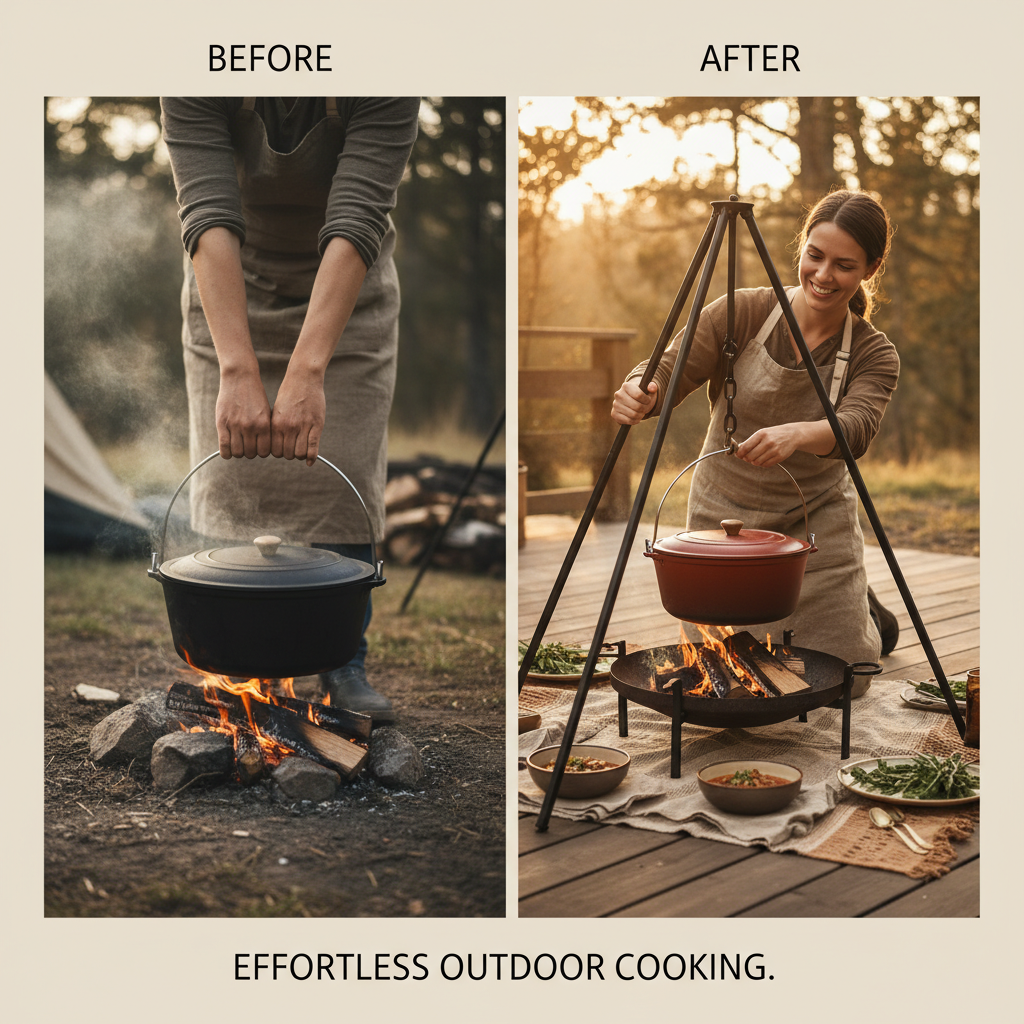
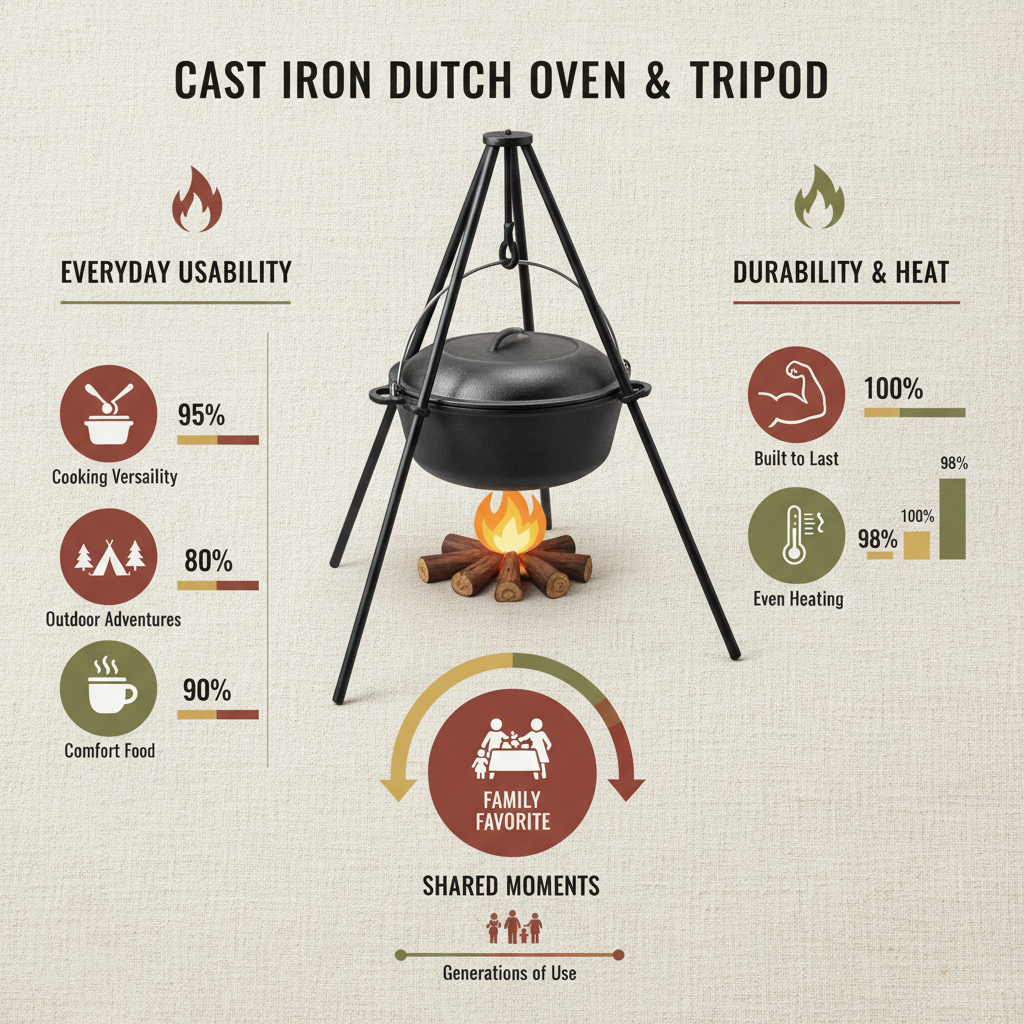
Cast iron excels at heat retention and even distribution, making it ideal for slow cooking, braising, and baking. The tripod adds a layer of convenience, allowing you to suspend the dutch oven over a campfire or open flame. This setup is perfect for outdoor cooking, providing a stable and adjustable cooking platform. The heavy construction of a cast iron dutch oven ensures durability and longevity, often lasting for generations with proper care. Its versatility means you can seamlessly transition from stovetop to oven to campfire, making it a true all-in-one cooking solution. A Dutch oven with tripod is an investment in quality and culinary flexibility.
Key Benefits: Superior heat retention, even heat distribution, versatility (stovetop, oven, campfire), durability, and convenient tripod for outdoor cooking.
Choosing the Right Cast Iron Dutch Oven with Tripod: Key Considerations
When selecting a cast iron dutch oven with tripod, several factors come into play. Capacity is crucial – consider how many people you typically cook for. Tripod stability and adjustability are also important, particularly for campfire cooking. Look for a tripod that can securely hold the weight of a full dutch oven and allows you to adjust the height for optimal heat control. The quality of the cast iron itself matters; thicker cast iron generally retains heat better. Pre-seasoned dutch ovens are convenient, but you may still want to build up additional seasoning over time for optimal non-stick performance.
Key Selection Criteria:
• Capacity (quart/liter size)
• Tripod Stability and Adjustability
• Cast Iron Thickness and Quality
• Pre-Seasoning (if applicable)
Cast Iron Dutch Oven with Tripod: Applications and Recipes
The possibilities are endless when it comes to recipes for your cast iron dutch oven with tripod. Classic applications include hearty stews, chili, braised meats, and rustic breads. Over a campfire, you can bake cobblers, pizzas, or even whole chickens. The dutch oven's ability to maintain consistent temperatures makes it perfect for slow-cooking tender, flavorful meals. It’s also fantastic for deep frying, searing meats, and baking cakes. The tripod’s ability to be positioned over coals allows for precise temperature control, achieving perfectly browned crusts and succulent interiors.
Caring for Your Cast Iron Dutch Oven and Tripod
Proper care is essential to maintaining the longevity of your cast iron dutch oven with tripod. Avoid using harsh soaps or abrasive cleaners, as they can strip the seasoning. After each use, clean the dutch oven with warm water and a soft brush. Dry it thoroughly and apply a thin coat of oil to prevent rust. For the tripod, ensure it is also dry after use to prevent corrosion. Regular seasoning builds up a natural non-stick surface and protects the cast iron from rust.
ZD Cookware: Your Source for Quality Cast Iron Dutch Ovens
At ZD Cookware, we offer a wide selection of high-quality cast iron dutch ovens with tripods to suit your cooking needs. We're committed to providing durable, reliable cookware that will enhance your culinary experiences. Explore our collection and find the perfect dutch oven to elevate your cooking, whether you're preparing a gourmet meal at home or enjoying a wilderness adventure.
Conclusion: Embrace the Versatility of Cast Iron
A cast iron dutch oven with tripod is more than just a cooking vessel; it’s a gateway to flavorful, versatile cuisine. From hearty outdoor meals to comforting home-cooked dishes, its durability and heat retention make it a timeless investment. Choose wisely, care for it properly, and enjoy a lifetime of culinary adventures.
Frequently Asked Questions (FAQs)
What size dutch oven with tripod is best for a family of four?
For a family of four, a 6-8 quart dutch oven is generally a good choice. This size provides ample space for preparing meals like stews, chili, or roasted chicken without being overly large or difficult to manage. Consider the types of dishes you typically cook; if you often cook for larger groups or prepare large batches of food, a 10-quart option might be more suitable. The tripod should also be appropriately sized to support the weight of a full 6-8 quart dutch oven.
How do I season a cast iron dutch oven?
Seasoning a cast iron dutch oven involves coating it with oil and baking it at a high temperature to create a protective, non-stick layer. First, wash and dry the dutch oven thoroughly. Then, apply a very thin coat of oil (flaxseed, canola, or vegetable oil work well) to all surfaces, inside and out. Wipe off any excess oil. Bake the dutch oven upside down in a preheated oven at 400-450°F for at least an hour. Let it cool completely in the oven. Repeat this process several times to build up a robust seasoning.
Can I use a cast iron dutch oven on an induction cooktop?
Whether or not a cast iron dutch oven will work on an induction cooktop depends on the specific model. Cast iron itself isn’t naturally magnetic, but many modern cast iron dutch ovens are designed with a magnetic base layer to make them compatible with induction cooktops. Check the manufacturer’s specifications to confirm compatibility before use. If the dutch oven doesn't have a magnetic base, it won't work on an induction cooktop.
What are the advantages of using a tripod with a dutch oven for campfire cooking?
Using a tripod provides several advantages for campfire cooking. It allows you to easily adjust the height of the dutch oven to control the heat level. It also keeps the dutch oven stable and prevents it from tipping over on uneven ground. A tripod offers more flexibility than simply placing the dutch oven directly on coals, allowing you to create a more controlled cooking environment. You can also easily add or remove coals to adjust the temperature further.
-
Mastering Outdoor Cooking with a Portable Dutch Oven GuideNewsApr.16,2026
-
Master Outdoor Cooking with the Oval Cast Iron Camp Oven GuideNewsApr.09,2026
-
Unlocking Flavorful Adventures with Outdoor Cooking with a Dutch OvenNewsApr.07,2026
-
Elevate Your Outdoor Cooking With A Premium Outdoor Cast Iron OvenNewsApr.04,2026
-
Discover the Benefits of a Cast Camp Oven for Outdoor CookingNewsMar.31,2026
-
Maximize Your Outdoor Cooking with a Camping Tripod and Dutch OvenNewsMar.28,2026