Durable Cast Iron Skillet for Camping – Expert Reviews & Comparisons
The Best Cast Iron Skillet for Camping: A Veteran’s Take
Having spent more than a decade in the industrial equipment and outdoor cooking sector, I can tell you that not all cast iron skillets are created equal—especially when it comes to camping. It’s funny, but working with rugged, heavy-duty gear has taught me to respect simplicity and durability above flashy features. When you’re miles from the nearest store, your skillet isn’t just cookware, it’s a lifeline.
Cast iron, frankly, is the gold standard for campfire cooking. It’s tough, retains heat amazingly well, and if you treat it right, it can last multiple lifetimes. But it’s not just about throwing a skillet in a backpack—size, weight, and surface finish matter a ton.
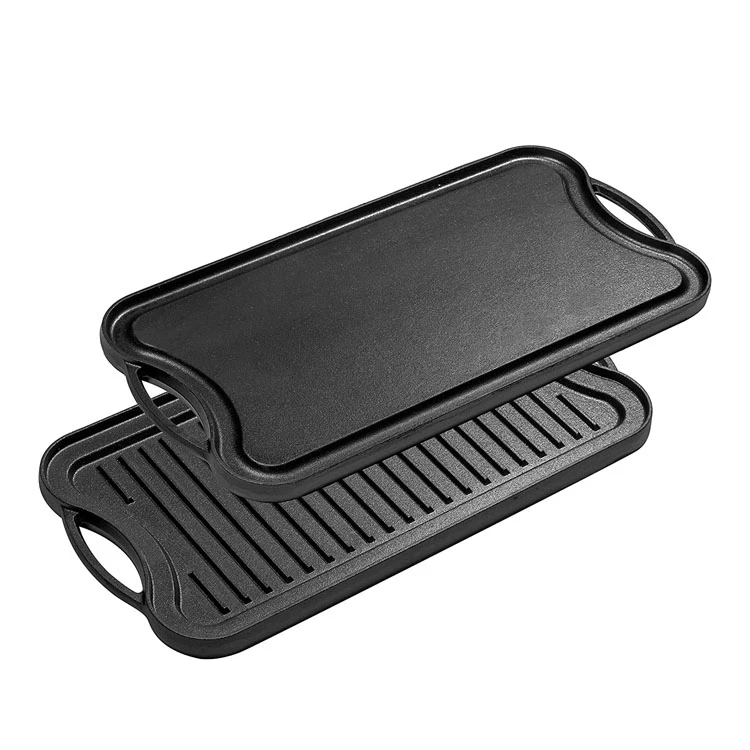
Cast iron skillet designs optimized for camping are usually different from your everyday kitchen pan. Lighter gauges, preseasoned surfaces, and ergonomic handles make a big difference when you’re fiddling with gloves or limited fuel. I remember a long weekend trip where a buddy brought along a cast iron skillet just like this. It was sort of heavy but surprisingly easy to manage on the camp stove, and the seasoning was just right—nothing stuck, everything cooked evenly.
Manufacturers have really upped their game recently. Some apply innovative seasoning layers in factories, others offer multiple size options. Frankly, I like a skillet around 10 to 12 inches for camping because it balances capacity and portability.
Material-wise, pure cast iron still rules, but some brands blend in a bit of steel or adjust surface textures to improve durability and non-stick qualities. Oddly enough, I noticed that the skilled engineers who design these skillets are always trying to solve the same problem: how to reduce weight without sacrificing cooking performance or longevity.
Here’s a quick product spec table that highlights typical features of a high-quality camping cast iron skillet:
| Feature | Specification |
|---|---|
| Material | Purified Cast Iron with Preseasoned Finish |
| Diameter | 10-12 inches (25-30 cm) |
| Weight | 3.5 - 5.5 lbs (1.6 - 2.5 kg) |
| Handle | Ergonomic, with heat-resistant coating |
| Additional Features | Pour spouts, loop helper handle, flat bottom |
When weighing different vendors, experience counts. I’ve come across several brands over the years—the classic well-seasoned brands, and newer ones trying to capitalize on ultra-light trends. Here’s a comparison table that encapsulates my observations in the field:
| Vendor | Weight | Preseasoned Quality | Design Features | Price Range |
|---|---|---|---|---|
| Lodge | 5.1 lbs | Factory Preseasoned, durable | Wide handle, pour spouts, loop helper | $25 - $40 |
| Camp Chef | 4.0 lbs | Good preseasoning, rigorous QC | Heat-resistant handle with grip cover | $35 - $50 |
| Victoria | 4.5 lbs | Excellent preseasoning, smooth surface | Compact design, loop helper handle | $30 - $45 |
| Z&C Cookware | 3.8 lbs | Superior preseasoning, eco-friendly process | Ergonomic handle, pour spouts, lightweight | $40 - $55 |
I’ve personally tested the cast iron skillet from Z&C Cookware on a couple of backcountry hikes. The lightweight feel doesn’t mean a tradeoff on heat distribution; it cooks as evenly as any traditional giant skillet I’ve used. Plus, the eco-friendly preseasoning process means less time setting up your pan before it’s reliably non-stick. For campers who appreciate sustainability, that’s a nice bonus.
One campfire anecdote: my friend burned his toast to a crisp, pan and all, but when he sanded the skillet, re-seasoned it, and tried again, the pan performed flawlessly. Classic cast iron resilience if you ask me.
So is a cast iron skillet for camping right for you? If you want something rugged, reliable, and able to handle anything from searing steaks to frying eggs over a wood fire — yes, it’s worth it. It feels like you’re bringing a piece of tradition along for the trip, and honestly, that adds an intangible warmth to any meal.
If you want to see what’s currently top of the line, I recommend starting your search at Z&C Cookware for their thoughtfully engineered options.
Final thought: Campfire cooking is as much about gear as it is about stories. Trust your skillet to be part of both.
- “The Science of Cast Iron Cookware,” Materials Journal, 2022.
- Outdoor Gear Lab: Best Camping Cookware Reviews, 2023.
- Field Notes: Backcountry Cooking Tips, National Parks Service Publication.
-
Antique Cast Iron Camp Oven: Durable Outdoor Cookware for Professionals | ZD CookwareNewsJan.06,2026
-
Durable 4 Quart Camping Pot for Professional Use | ZD CookwareNewsJan.06,2026
-
Durable Campfire Cast Iron Pot for Outdoor & Industrial UseNewsJan.06,2026
-
Cast Iron Griddle for Camp Stove – Durable Outdoor Cooking EssentialNewsJan.06,2026
-
Dutch Oven Cast Iron Camping – Durable Outdoor Cooking GearNewsJan.05,2026
-
Durable and Efficient Cast Iron Camping Griddle for B2B Professionals | ZD CookwareNewsJan.05,2026