Discover the Best Small Dutch Ovens for Sale – Durable, Versatile Cookware for Every Kitchen
Small Dutch Ovens for Sale: Why These Classic Cookware Pieces Remain Global Kitchen Essentials
It might seem odd to start with cookware in a world increasingly dominated by high-tech gadgets, but hear me out. Small Dutch ovens are quietly pivotal in kitchens worldwide—from rustic farmhouses in Europe to busy urban apartments in Asia. Understanding why small Dutch ovens for sale continue to thrive globally reveals how timeless engineering meets modern needs, sustainability, and even humanitarian use. This is cookware that has stood the test of centuries, adapting quietly to suit a diverse range of cooking styles, cultures, and economic realities.
Introduction: The Global Reach of Small Dutch Ovens
Globally, Dutch ovens have seen an interesting mix of traditional and commercial use. According to industry data, the global cookware market is expected to grow by roughly 5% annually over the next five years, with cast iron cookware—a category including Dutch ovens—seeing consistent demand. Why? Well, the small Dutch ovens for sale fill a niche that’s both practical and enduring. In developing countries, or in areas where electricity might be expensive or unreliable, a small, sturdy Dutch oven is a go-to for efficient cooking over any heat source.
Moreover, challenges like urban cooking space limitations and a growing interest in slow, nutritious meals have sparked renewed interest in compact, durable pots that do more than just boil water. It’s a fascinating intersection of design history and modern lifestyle trends that’s more relevant than you might think.
Defining Small Dutch Ovens: What Are We Talking About?
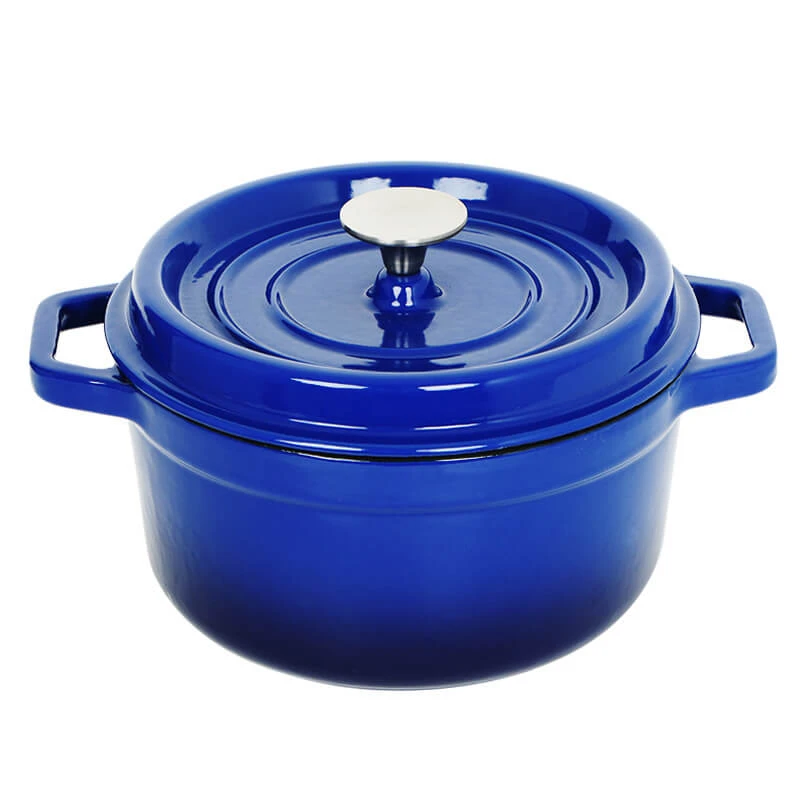
So what exactly are “small Dutch ovens for sale”? In simple terms, these are compact cast iron or enameled cast iron pots, typically ranging from 1 to 3 quarts in capacity. They have tight-fitting lids and thick walls, creating an environment that traps moisture and distributes heat evenly. While the word “small” might imply limitations, these ovens are surprisingly versatile—from baking bread to making stew, roasting meats, or even deep frying.
Interestingly, their design has remained virtually unchanged for hundreds of years, yet their applications have evolved. Beyond ordinary kitchen use, small Dutch ovens are becoming important in humanitarian and industrial contexts where reliable, easy-to-clean cookware matters.
Core Components That Make Small Dutch Ovens Stand Out
Durability
These ovens are built like tanks—cast iron withstands decades of abuse. Many chefs swear by the fact that with proper care, a small Dutch oven can be passed down generations. For many, this means less frequent replacement and a product that contributes less to landfill waste.
Heat Retention and Distribution
A small Dutch oven doesn’t play favorites with the heat source: gas, electric, induction, or even campfire coals. Its thick construction ensures even cooking and keeps food warm longer after the heat is turned off—vital for anyone who cares about flavor and efficiency.
Portability & Space Efficiency
Unlike larger cookware, small Dutch ovens fit snugly into compact kitchens, camping gear, or emergency kits. For those living in tiny urban spaces or traveling light, size really matters.
Cost Efficiency
While prices vary, small Dutch ovens often come at a reasonable investment, especially considering lifespan and versatility. Their energy-saving quality from cooking evenly and slowly means slightly lower gas or electric bills over time.
Material Properties
- Enamel Coating: Adds ease of cleaning and prevents rust.
- Raw Cast Iron: Offers seasoning options and a natural non-stick surface over time.
Mini takeaway:
The magic of small Dutch ovens lies in simple, durable design married with high functionality—qualities that cross cultural and economic boundaries.
Product Specification Table: Typical Small Dutch Oven Features
| Feature | Specification |
|---|---|
| Capacity | 1–3 quarts (0.95–2.8 liters) |
| Material | Cast Iron / Enameled Cast Iron |
| Weight | 4–6 lbs (1.8–2.7 kg) approx. |
| Heat Source Compatibility | Gas, electric, induction, open flame |
| Lid Type | Tight-fitting, often with self-basting design |
| Color Options | Various (especially for enameled models) |
Where Small Dutch Ovens Actually Make a Difference Around the World
Calling small Dutch ovens merely kitchen accessories wouldn’t capture their full impact. Development agencies often include these in relief packages because their sturdiness supports off-grid cooking. In post-disaster zones in Southeast Asia or parts of Africa, where electricity and clean cooking fuels might be scarce, a compact Dutch oven is a reliable tool.
Similarly, in urban settings across Europe and North America, busy homes with limited space find these ovens invaluable for slow-cooked meals, promoting fresh, homemade food over takeout. Even in industrial or remote work camps—the kind where engineers I’ve talked to swear by certain brands—they serve as all-in-one stoves, oven, and pots combined.
Vendor Comparison Table: Popular Small Dutch Oven Brands
| Brand | Material | Typical Size Range | Average Price | Special Features |
|---|---|---|---|---|
| Le Creuset | Enameled Cast Iron | 1.75–2.75 qt | $150–$250 | Vibrant enamel colors, lifetime warranty |
| Lodge | Seasoned Cast Iron | 1–3 qt | $30–$60 | Affordable, pre-seasoned |
| Staub | Enameled Cast Iron | 1.5–3 qt | $150–$280 | Matte black interior, self-basting lid |
The Tangible Benefits of Choosing Small Dutch Ovens
It’s not just about cooking — these ovens contribute to sustainability by lasting decades and requiring less energy to prepare meals. Emotionally, they connect people to traditions and bring a sense of home and comfort, whether you’re in a bustling city or a rural village.
In real terms, they’re cost-saving tools, reliable in uncertain environments, and frankly, they just inspire a kind of kitchen creativity that flashy gadgets can’t match. And the trust users place in them? You don’t buy a Dutch oven for impulse—it’s a thoughtful investment.
Looking Ahead: Trends Shaping the Future of Small Dutch Ovens
While classic cast iron remains king, newer materials and coatings are making Dutch ovens lighter and more user-friendly. Some brands are experimenting with eco-friendly enamels that use less energy in production or better recycle-ability. Smart sensors for temperature monitoring? Not there yet, but perhaps someday.
The focus remains on combining durability with sustainability. Plus, the rise of global interest in slow food and “hands-off” cooking methods means the market for small Dutch ovens for sale is likely to keep growing, though maybe in newer, unexpected ways.
Challenges & Solutions in Using Small Dutch Ovens
Heavy weight, initial seasoning requirements (if raw cast iron), and care to avoid rust can be deterrents for some buyers. Yet, many manufacturers now offer pre-seasoned or enamel-coated versions, easing maintenance concerns.
One expert I spoke with pointed out that educating new users on proper care—like drying thoroughly and applying light oiling—can extend life dramatically. Plus, enameled models have made these ovens more accessible to the urban crowd who want old-school benefits without the fuss.
Frequently Asked Questions About Small Dutch Ovens for Sale
- Q: Are small Dutch ovens suitable for induction cooktops?
- A: Yes, cast iron Dutch ovens, including small sizes, work excellently on induction surfaces because the material is magnetic and heats evenly. Just make sure the base is flat for optimal contact.
- Q: How do I maintain a raw cast iron Dutch oven?
- A: After washing (avoid soap if possible), dry it completely. Apply a thin coating of vegetable oil and heat gently to maintain the seasoning layer that prevents rust and creates a natural non-stick surface.
- Q: Can small Dutch ovens be used on open campfires?
- A: Absolutely! Their durable material tolerates direct flame and coals. However, enamel-coated ones need a little extra care to avoid chipping, so raw cast iron is preferred outdoors.
- Q: What meals are ideal for cooking in small Dutch ovens?
- Stews, braises, soups, artisan bread, and even desserts like cobblers. Their heat retention is perfect for slow, even cooking—which enhances flavor and texture.
- Q: Where can I find reliable small Dutch ovens for sale?
- Trusted brands like Le Creuset and Lodge offer a range of sizes and finishes. Also, check reliable online retailers peppered with user reviews to gauge quality and fit your budget.
Wrap-Up: Why Small Dutch Ovens Remain a Smart Choice
In an age full of blinking kitchen gadgets and disposable trends, the small Dutch oven is a quiet rebel—proving that well-designed craftsmanship and lasting usefulness still matter. They offer versatility, sustainability, and a connection to cooking traditions that no microwave can replicate.
If you’re intrigued by these humble yet powerful pots and want to explore options, be sure to check out the small Dutch ovens for sale available online. A little pot with a big story, ready to make your next meal a memorable one.
References & Further Reading
-
Mastering Outdoor Cooking with a Portable Dutch Oven GuideNewsApr.16,2026
-
Master Outdoor Cooking with the Oval Cast Iron Camp Oven GuideNewsApr.09,2026
-
Unlocking Flavorful Adventures with Outdoor Cooking with a Dutch OvenNewsApr.07,2026
-
Elevate Your Outdoor Cooking With A Premium Outdoor Cast Iron OvenNewsApr.04,2026
-
Discover the Benefits of a Cast Camp Oven for Outdoor CookingNewsMar.31,2026
-
Maximize Your Outdoor Cooking with a Camping Tripod and Dutch OvenNewsMar.28,2026