Discover the Benefits of a Good Quality Dutch Oven – Durable, Versatile Cookware
Understanding the Value of a Good Quality Dutch Oven
If you've ever watched a Sunday family dinner or a camping trip unfold around a heavy, traditional clay, cast iron, or enameled pot, you probably already know the humble good quality Dutch oven is much more than just a cooking vessel. It’s a global culinary staple and a practical tool that has stood the test of time—quite literally passed down through generations with its ability to handle slow roasting, baking, frying, and more.
But why does this matter on a broader scale? The Dutch oven offers durability, versatility, and energy efficiency—qualities that resonate across cultures and industries. From small-scale home kitchens to professional chefs, even in remote locations where electricity or gas supply is unreliable, its design presents a reliable solution. Understanding the benefits and key qualities of a good Dutch oven connects to sustainability in cooking, food security, and even humanitarian efforts worldwide.
In this article, we'll explore what constitutes a good quality Dutch oven, why it's so important globally, the technological and material considerations behind its design, and where its influence stretches far beyond the kitchen stove.
The Global Significance of a Good Quality Dutch Oven
Did you know cast iron cookware like Dutch ovens have been around since the 18th century? Today, they remain hugely popular, especially when global energy demands and environmental awareness emphasize the need for efficient cooking solutions. According to the International Energy Agency (IEA), nearly 2.4 billion people globally still rely on traditional solid fuels for cooking, causing health and environmental issues. A good quality Dutch oven helps by enabling more efficient heat retention and distribution, reducing cooking time and fuel consumption.
Beyond the eco angle, this kitchen staple aids in food preservation techniques, essential for communities without refrigeration. Its sturdy construction and adaptability make it a crucial asset in disaster relief scenarios or off-grid living — offering a reliable way to prepare nourishing meals despite challenging conditions. So, its value is certainly not confined to cooking enthusiasts but spans to humanitarian sectors, outdoor professionals, and sustainability advocates.
Mini takeaway:
A good Dutch oven reduces fuel needs and enables versatile, safe cooking worldwide, connecting traditional cookware to 21st-century environmental and social challenges.
What Exactly Is a Good Quality Dutch Oven?
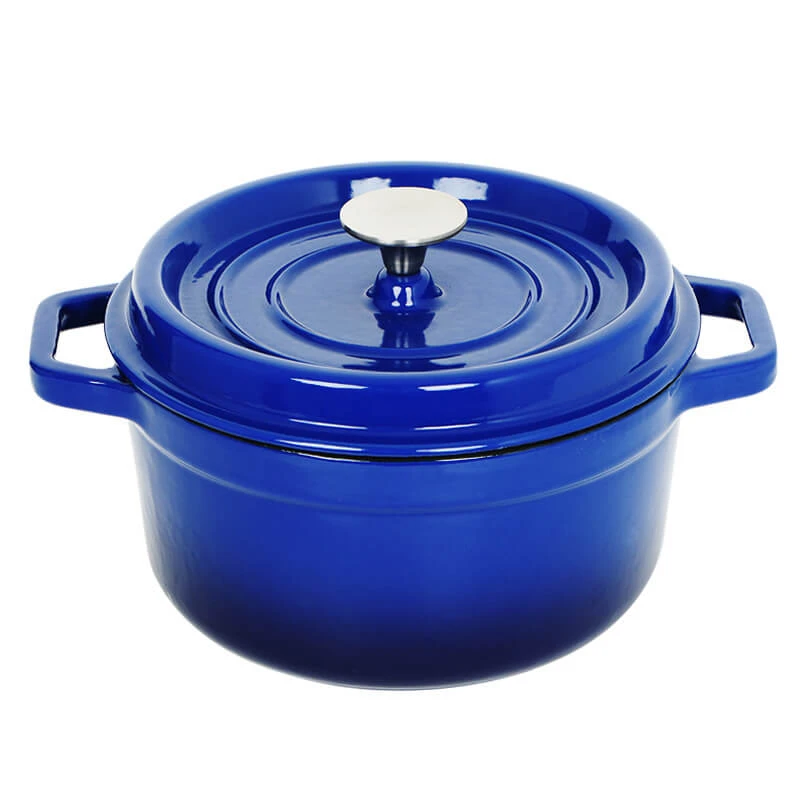
Simply put, a Dutch oven is a thick-walled pot with a tight-fitting lid, often made from cast iron (sometimes enameled), designed to conduct and retain heat evenly. The "good quality" qualifier is more than marketing fluff—it refers to design, material composition, finish, and durability that together enhance cooking performance and longevity.
Modern good quality Dutch ovens incorporate innovations like vitreous enamel coatings to prevent rust, reduce sticking, and make cleaning a breeze. Their weight provides even heat distribution, minimizing hotspots that burn food. Because of these traits, the Dutch oven isn't just a pot; it’s a small-scale thermal cooker which can both bake bread and simmer a rich stew in one device.
Thinking about it another way, it’s a kind of culinary Swiss Army knife—compact, versatile, and dependable for a wide range of functions. This makes it indispensable for professional kitchens, outdoor cooks, and households conscious about cooking quality and energy use.
Mini takeaway:
A good quality Dutch oven balances durable materials with smart design features that maximize cooking efficiency and ease, making it a versatile kitchen essential.
Key Factors that Define a Good Quality Dutch Oven
1. Durability and Material
Cast iron is king here, known for its toughness and exceptional heat retention. Enameled variants add a smooth, rust-proof surface that doesn’t require seasoning and suits acidic recipes better. The thickness of the walls matters too—too thin, and heat fluctuates; overly thick, and the pot becomes unwieldy.
2. Heat Distribution & Retention
The hallmark of a strong Dutch oven is how evenly it cooks. Good quality models ensure that heat spreads uniformly across the surface, eliminating hotspots that often ruin delicate dishes. This heat stability extends cooking flexibility, from searing meats to baking cakes.
3. Lid Design and Seal
A well-fitting lid keeps moisture locked inside—a must for braises, stews, or slow-cooked favorites. Some high-end Dutch ovens have specialized lids that capture condensation and drip it back onto food, enhancing flavor and texture.
4. Size & Shape Versatility
Changing family sizes or use cases demand different pot volumes. Good quality Dutch ovens come in sizes ranging roughly from 2 quarts to 7 quarts. The shape (round vs oval) affects oven fit and foods like whole poultry or roasts.
5. Maintenance & Cleaning Ease
While traditional cast iron requires seasoning and care, modern enameled dutch ovens simplify cleaning and reduce maintenance. This aspect is crucial for busy users and helps prolong the product life.
6. Cost Efficiency and Longevity
Though higher-quality Dutch ovens are pricier upfront, their lifespan of decades makes them economical. Energy saved due to better heat retention and the ability to replace multiple cookware types also factors into long-term value.
Mini takeaway:
Top Dutch ovens blend timeless cast iron durability with modern design attributes, ensuring outstanding cooking results, long life, and easy use.
Product Specifications You Should Know
| Specification | Description |
|---|---|
| Material | Cast Iron or enameled cast iron |
| Weight | 4–8 lbs (depends on size) |
| Capacity | 2 to 7 quarts |
| Heat Source Compatibility | Gas, electric, oven, induction |
| Finish | Enameled or raw cast iron (seasoned) |
| Lid | Tight-fitting, often domed |
Where Are Good Quality Dutch Ovens Making an Impact?
Their application dashes seamlessly between home life and professional settings—from American kitchens to European bistros, Asian street food vendors, and even field hospitals in Africa and Asia. In fact, many NGOs use robust enameled Dutch ovens for post-disaster meal production, as the durability and versatility allow cooks to serve large quantities with minimal fuel.
In remote industrial zones, where electric ovens might not be available, workers rely on Dutch ovens to prepare hearty meals, supporting physical well-being and morale. Even in camping and hiking, lightweight versions provide a go-to for nutritious cooking beyond open fires.
Industrially, the principles behind Dutch ovens influence thermal cookware designs that optimize energy consumption—a silver lining in our energy-conscious age.
Mini takeaway:
The Dutch oven crosses borders and industries. It’s equally vital in a country kitchen, a refugee camp, or an off-grid worksite, showcasing its universal exposure and practical might.
Comparing Leading Dutch Oven Manufacturers
| Brand | Material & Coating | Price Range | Unique Feature |
|---|---|---|---|
| Le Creuset | Enameled cast iron | $300 - $600 | Vibrant colors, lifetime warranty |
| Lodge | Raw cast iron | $40 - $120 | Affordable, pre-seasoned |
| Staub | Enameled cast iron | $250 - $500 | Matte black interiors, self-basting lid |
The Long-Term Benefits of Investing in a Dutch Oven
When you buy a good quality Dutch oven, you’re acquiring more than a pot—you’re securing years, often decades, of excellent cooking performance. The upfront investment can seem steep, but it pays off in energy savings, durability, and taste enhancement. These pots build trust with every meal because they deliver consistent results and save countless hours fiddling with multiple pans or uneven heat sources.
There's also a social angle—Dutch ovens unite families, teams, and communities through shared meals. They preserve the dignity of cooking from scratch and provide an anchor in uncertain environments.
Looking Ahead: The Future of Dutch Oven Technology
It might sound old-fashioned, but innovation is alive and well here. Manufacturers experiment with lighter alloys, improved enamel formulations that resist chipping and staining, and sustainable production practices aimed at lowering carbon footprints.
In some circles, integration with smart kitchen systems (temperature sensors, heat regulation) is emerging, while others are focused on enhancing induction compatibility—critical in modern kitchens moving away from gas. The Dutch oven is adapting without losing its soul, marrying tradition with digital-age demands.
Ongoing Challenges and How They’re Overcome
Despite their many virtues, good quality Dutch ovens face challenges like their weight (not great for everyone), tricky care in raw cast iron versions, and higher initial costs. However, the rise of enameled versions and improved manufacturing processes have alleviated many of these problems. For instance, easy-to-clean coatings and ergonomic handles greatly improve user experience.
Moreover, the surge in online marketplaces has made premium Dutch ovens more accessible internationally, breaking down geographical cost barriers.
Frequently Asked Questions About Good Quality Dutch Ovens
- What distinguishes a good quality Dutch oven from cheaper alternatives?
- A quality Dutch oven typically features thicker cast iron for even heat, high-grade enamel coatings to prevent rust and sticking, and a tight-fitting lid that seals moisture. Cheaper pots might lack durability, have uneven heating, or poor finishes that chip easily.
- Can I use a Dutch oven on induction cooktops?
- Yes, most cast iron Dutch ovens work well on induction because cast iron is magnetic. However, ensure the base is flat for better contact. Some models explicitly advertise induction compatibility for peace of mind.
- How do I maintain an enameled Dutch oven?
- Enameled Dutch ovens are relatively low maintenance: avoid metal utensils, hand wash with mild detergents, and prevent thermal shock by not going from hot stovetop to cold water instantly. This care keeps the enamel intact for years.
- Are Dutch ovens expensive compared to other cookware?
- Good quality Dutch ovens do tend to be pricier upfront but last for decades, becoming a cost-effective investment. They replace multiple pots and pans, improve cooking efficiency, and often come with warranties.
- Where can I purchase a reliable Dutch oven?
- Trusted kitchenware retailers, specialty cookware stores, and online sellers carry reputable brands. For a good quality dutch oven that balances price and performance, check trusted e-commerce sites and customer reviews carefully.
Conclusion: Why Every Kitchen Needs a Good Quality Dutch Oven
Ultimately, the good quality Dutch oven is more than just cookware. It is a bridge between old-world craftsmanship and modern culinary needs, a reliable companion in sustainability efforts, and a tool with enduring social impact. Whether you’re an everyday cook or someone looking for cooking solutions that work anywhere—at home or in remote locations—investing in a quality Dutch oven is a decision that pays off in efficiency, taste, and lasting joy.
Ready to experience the difference for yourself? Visit our website at https://www.zdcookware.com to explore a curated selection of premium Dutch ovens designed for real kitchens and adventurous souls alike.
References
-
Antique Cast Iron Camp Oven: Durable Outdoor Cookware for Professionals | ZD CookwareNewsJan.06,2026
-
Durable 4 Quart Camping Pot for Professional Use | ZD CookwareNewsJan.06,2026
-
Durable Campfire Cast Iron Pot for Outdoor & Industrial UseNewsJan.06,2026
-
Cast Iron Griddle for Camp Stove – Durable Outdoor Cooking EssentialNewsJan.06,2026
-
Dutch Oven Cast Iron Camping – Durable Outdoor Cooking GearNewsJan.05,2026
-
Durable and Efficient Cast Iron Camping Griddle for B2B Professionals | ZD CookwareNewsJan.05,2026