Cream Dutch Oven – Durable, Versatile, and Sustainable Cookware for Every Kitchen
The Cream Dutch Oven: More Than Just a Kitchen Essential
If you’re like me, the phrase “cream dutch oven” probably brings to mind cozy meals and slow-cooked comfort food. But there’s a lot more simmering beneath the surface of this humble kitchen staple — beyond the glossy enamel finish and all that cast iron heft, it has gained global relevance in cooking, sustainability, and even supply chains. Understanding the cream dutch oven isn’t just about mastering French onion soup or stews; it’s about appreciating a product that bridges tradition, innovation, and contemporary industry needs all over the world.
Worldwide, cast iron cookware (in many shapes, cream dutch ovens being a popular one) has seen an uptick in demand. According to market studies, cast iron cookware sales have increased by roughly 8% annually in regions like North America and Europe over the last five years, with Asia-Pacific markets catching up quickly — a nod to rising interest in sustainable, durable cookware. But why the fuss? Simply put, a cream dutch oven is almost a quiet hero for anyone looking to cook efficiently, sustainably, and with flair.
Why Does It Matter Globally?
From food security programs to humanitarian kitchens, the cream dutch oven often features for its reliable heat retention, durability, and relatively eco-friendly manufacturing compared to other materials. Losses in energy, inconsistent cooking tools, and hard-to-clean cookware are common issues saddling communities worldwide — so this oven actually helps solve real-world problems beyond the kitchen bench.
What Exactly Is a Cream Dutch Oven?
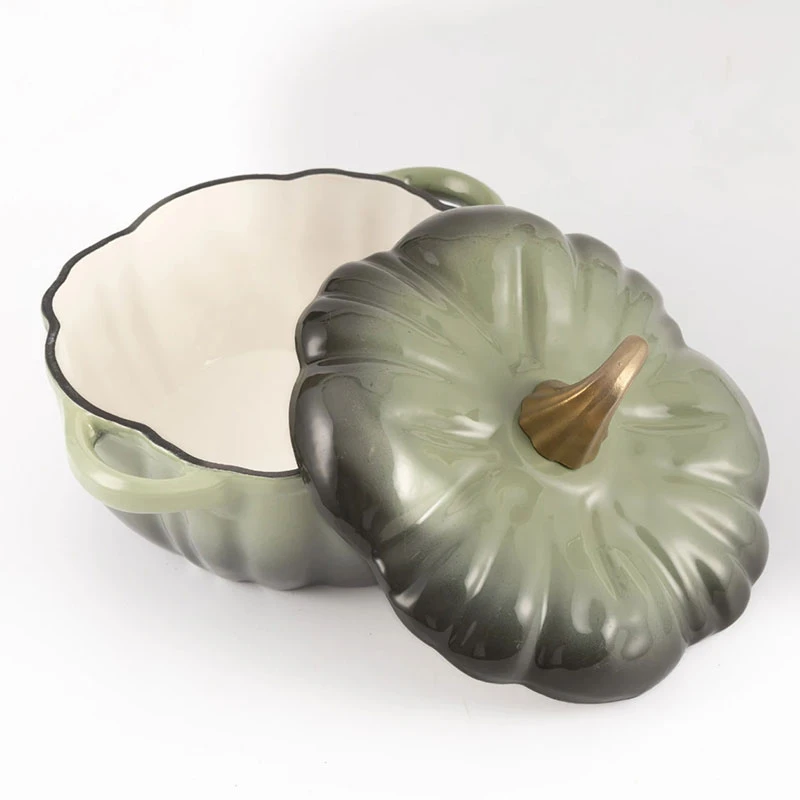
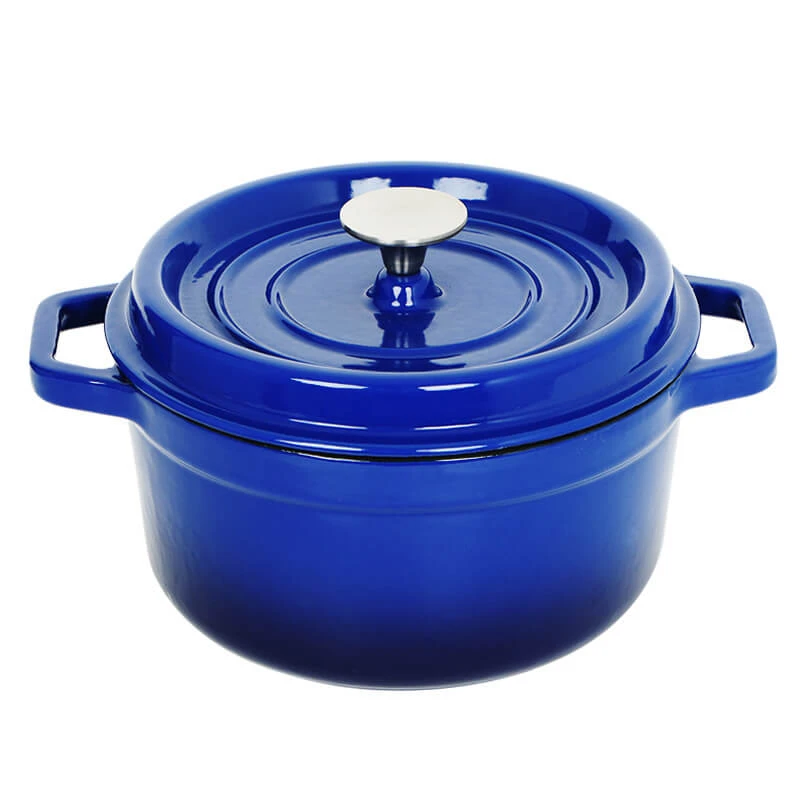
At its core, a cream dutch oven is a thick-walled cast iron pot, traditionally coated with a glossy, cream-colored enamel finish. This enamel layer prevents rust, adds easy-clean benefits, and — frankly — looks pretty elegant. It’s made for slow cooking, roasting, braising, and simmering, designed to distribute heat evenly and maintain it over long periods.
While it might sound like just a kitchen item, the cream dutch oven has found connections to industry and humanitarian work alike — thanks to its durability and multifunctional use. NGOs and relief agencies, for instance, sometimes rely on these ovens in field kitchens because of their robustness and ease of use in challenging environments.
Core Features That Make the Cream Dutch Oven Stand Out
1. Durability
A well-made cream dutch oven is notoriously tough. The cast iron core can last generations if properly cared for, and the enamel coating protects against scratches, stains, and corrosion. This longevity often means less waste and more sustainable consumption — a rare win-win these days.
2. Heat Retention and Distribution
This oven holds onto heat like few other pots can. The cast iron thick walls spread heat evenly so you don’t get those rogue hot spots that ruin the sauce. For home cooks and commercial kitchens, that consistency means predictable results, saving time and reducing burnt dishes.
3. Ease of Cleaning
Unlike bare cast iron, the smooth enamel surface on the cream dutch oven cleans up easily, without scrubbing layers of seasoning off. It also doesn’t absorb flavors or aromas, which is a blessing for switching between recipes.
4. Versatility
Ovens like these can go from stovetop to oven and back again, making them useful for everything from searing meat to baking bread. Their size range from small 2-quart models up to over 7 quarts means there’s a fit for every task.
5. Cost Efficiency
Though pricier upfront than standard pots, their durability means lower total cost over the long haul. Many professionals and avid home chefs swear by the long-term value here.
Mini takeaway:
The cream dutch oven is a fusion of time-tested materials and thoughtful modern design, ticking boxes for durability, performance, and ease of use. It’s a small revolution in cookware form.
Not Just a French Classic: Global Applications of the Cream Dutch Oven
Interestingly, the cream dutch oven crops up in diverse sectors around the world:
- Humanitarian Aid: NGOs use these ovens in mobile kitchens where dependable cookware is essential during post-disaster relief in places like Southeast Asia and Eastern Africa.
- Restaurant Industry: Many upscale restaurants worldwide appreciate the even heating and aesthetic quality — the cream color blends nicely into open kitchens or rustic themes.
- Home Cooks Everywhere: Families from California farmhouses to Danish city flats prize them for everything from weekdays to holiday meals.
- Industrial Camp Kitchens: Remote mining or construction camps, such as those in Australia’s outback, rely on robust, multi-use cookware that’s easy to maintain.
In fact, campaigns promoting traditional cooking methods for energy efficiency often highlight the charm and efficiency of enameled cast iron pieces — cream dutch ovens included.
Digging Into Specs: What Does a Typical Cream Dutch Oven Offer?
| Specification | Detail |
|---|---|
| Material | Cast iron core with cream enamel coating |
| Sizes Available | 2 qt, 4 qt, 5.5 qt, 7 qt |
| Weight | Approximately 7-12 lbs depending on size |
| Heat Source Compatibility | Gas, electric, ceramic, induction, oven safe |
| Care | Hand wash recommended; avoid metal scrubbers |
Comparing Popular Vendors of Cream Dutch Ovens
| Brand | Price Range | Country of Manufacture | Warranty | Notes |
|---|---|---|---|---|
| Le Creuset | $300 - $500 | France | Lifetime limited | Premium, iconic color range |
| Lodge | $50 - $120 | USA | Limited 1 year | More affordable, heavier |
| Staub | $250 - $450 | France | Lifetime limited | Matte enamel, self-basting lid |
The Benefits You Can’t Ignore
Honestly, it feels like the cream dutch oven is one of those "buy once, use forever" kitchen investments. Its resilience often surprises new users, especially those accustomed to flimsy aluminum pots. The enamel finish maintains hygiene and ease of cleaning, which — let’s be frank — cuts down on kitchen fatigue.
From a sustainability point of view, these pots reduce the need for constant replacement. Less manufacturing demand equals less raw material extraction, which is good news when you connect the dots to environmental impact.
Then there’s the emotional side: cooking in a pot that’s been passed down, used for family meals, or gifted for weddings — it becomes almost a ritual object. Organizations that distribute these ovens often empower communities to cook nutritious meals safely and efficiently, offering dignity along with practicality.
What’s Coming Next? Trends Shaping Cream Dutch Oven Innovations
While the classic cream dutch oven looks timeless, there are plenty of subtle upgrades on the horizon. For starters, new enamel formulas focus on even greater chip resistance and non-toxic coatings tailored to environmental standards (ISO 14001 certification is increasingly sought after by manufacturers).
There’s also progress on weight reduction: newer cast iron blends and design tweaks mean it won’t be necessary to wrestle with a 12-pound pot all the time. That’s especially welcome in the hospitality industry where fast turnarounds matter.
Digitally integrated cookware? Oddly enough, not totally science-fiction. Sensors embedded in lids or cookware edges can start showing up soon, helping chefs monitor cooking progress via apps, though that’s mostly R&D territory currently.
Obstacles in the Way — And How to Tackle Them
- Weight and Handling: Cast iron is heavy, and some users find carrying or cleaning big pots challenging. Several brands are experimenting with lighter alloys or hybrid materials.
- Price Point: Entry-level cast iron with enamel can be pricey. But bulk buying, local manufacture, or minimalist designs help bridge cost gaps.
- Enamel Chipping: Rough use can cause chipping, exposing iron to rust. Instructional materials and better coatings aim to reduce this risk.
FAQ: Common Questions About Cream Dutch Ovens
- Q: How do I avoid chipping the enamel on my cream dutch oven?
- A: To protect the enamel, avoid sudden temperature changes (e.g., ice water on a hot pot), use silicone or wooden utensils instead of metal, and hand wash gently without abrasive scrubbers. Treating it a bit like fine china helps extend its life.
- Q: Can I use a cream dutch oven on an induction stove?
- A: Yes, the cast iron core is induction compatible. Just check with your specific model, but almost all modern cream dutch ovens are safe for induction cooktops.
- Q: What size cream dutch oven should I buy for a family of four?
- A: A 5.5 qt model is often ideal — large enough for stews, roasts, and casseroles, but not too heavy or cumbersome. Smaller sizes suit singles or couples; larger ones work for bigger gatherings.
- Q: How long does a cream dutch oven typically last?
- A: With proper care, decades. Many families hand down their pots through generations. The enamel may chip but the core cast iron remains durable, often outlasting other pots by far.
- Q: Where can I buy authentic cream dutch ovens?
- A: Leading cookware retailers stock them, and you can find genuine options on trusted e-commerce sites or brands’ official websites. For more info or options, check out cream dutch oven collections online.
Wrapping It Up: Why Your Kitchen Needs a Cream Dutch Oven
The cream dutch oven remains a quietly indispensable item — blending tradition, strength, and beauty with practical performance. Whether you’re a dedicated home cook, a professional chef, or part of a humanitarian food program, these ovens bring reliability, versatility, and long-term value. Investing in one feels like embracing a cooking partner that won’t let you down.
So, if you haven’t already, maybe it’s time to get a cream dutch oven and experience the blend of old-world charm and modern function firsthand. Curious? Visit our website for more insight and options: cream dutch oven.
Mini takeaway:
Reliable, timeless, and surprisingly adaptable — the cream dutch oven is more than cookware, it’s part of a global cooking story.
References:
1. Wikipedia: Cast-iron cookware
2. ISO 14001 Environmental Management - ISO.org
3. World Bank data on cooking fuel and emissions, World Bank
-
Antique Cast Iron Camp Oven: Durable Outdoor Cookware for Professionals | ZD CookwareNewsJan.06,2026
-
Durable 4 Quart Camping Pot for Professional Use | ZD CookwareNewsJan.06,2026
-
Durable Campfire Cast Iron Pot for Outdoor & Industrial UseNewsJan.06,2026
-
Cast Iron Griddle for Camp Stove – Durable Outdoor Cooking EssentialNewsJan.06,2026
-
Dutch Oven Cast Iron Camping – Durable Outdoor Cooking GearNewsJan.05,2026
-
Durable and Efficient Cast Iron Camping Griddle for B2B Professionals | ZD CookwareNewsJan.05,2026