Coated Cast Iron Dutch Oven: Durable, Efficient & Globally Trusted Cookware
Understanding the Coated Cast Iron Dutch Oven: Why It Matters Worldwide
For decades, the coated cast iron dutch oven has been a beloved kitchen staple, known for its durability and even heat distribution. But beyond the cozy home kitchen, its global significance stretches far wider. This versatile cookware not only represents a fusion of craftsmanship and practicality but also addresses critical needs in industries and communities worldwide. From the simmering pots in remote villages to professional kitchens in cosmopolitan cities, understanding what makes a coated cast iron dutch oven so special helps us appreciate its lasting impact—a blend of tradition meeting innovation.
Introduction: Why the Coated Cast Iron Dutch Oven Holds a Global Spotlight
Globally, cookware plays an essential role in food preparation, health, and sustainability. According to the United Nations, improving household tools can contribute to better nutrition and reduce energy consumption—both critical in low-income regions. The coated cast iron dutch oven uniquely addresses several challenges: durability in harsh environments, ease of cleaning, and efficient cooking. It’s no surprise that markets in Europe, North America, and emerging economies have shown growing interest. The World Bank also notes that innovations in household items can impact economic development. Still, many kitchens face challenges like uneven heating, high fuel costs, and cookware degradation. Enter the coated cast iron dutch oven, tackling these issues head-on.
What Exactly Is a Coated Cast Iron Dutch Oven?
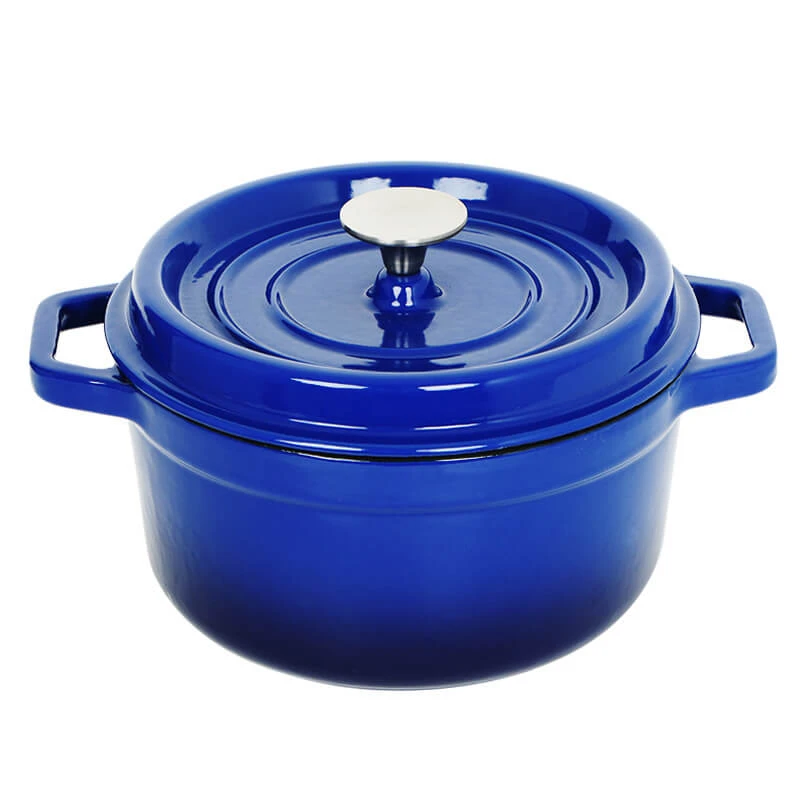
Simply put, a coated cast iron dutch oven is a heavy-duty pot made from cast iron and covered with a protective enamel coating. This enamel layer prevents rust, eliminates the need for seasoning, and makes cleaning easier. Unlike traditional bare cast iron, the coating offers hygienic and aesthetic advantages without sacrificing heat retention—key when slow-simmering stews, baking bread, or even frying. Often equipped with a tight-fitting lid, it locks moisture inside to enhance flavor and tenderness.
In modern industry and even humanitarian contexts, these pots are prized for their reliability and lifespan. Whether you're in a gourmet restaurant or supplying relief kitchens after natural disasters, the coated cast iron dutch oven remains a dependable choice.
Key Attributes That Make Coated Cast Iron Dutch Ovens Stand Out
1. Durability & Longevity
Cast iron is renowned for lasting generations if cared for properly. The enamel coating adds a resistance layer against chipping and corrosion. This durability means less replacement, which practically reduces waste and long-term costs. Honestly, many people inherit these pots as heirlooms.
2. Heat Retention and Distribution
One of the standout features is how well these ovens hold and spread heat evenly. This is crucial for consistent cooking results, whether braising or baking. It's like the pot becomes an extension of the stove—steady, patient, and dependable.
3. Ease of Cleaning and Maintenance
Unlike raw cast iron, the enamel finish means you don’t have to worry about seasoning. The smooth surface makes washing straightforward, which is fantastic for busy kitchens or communal settings.
4. Versatility Across Cooking Methods
From stovetop stews to oven roasts, the coated cast iron dutch oven handles it all. It’s even compatible with induction cooktops, broadening its usefulness.
5. Aesthetic Appeal
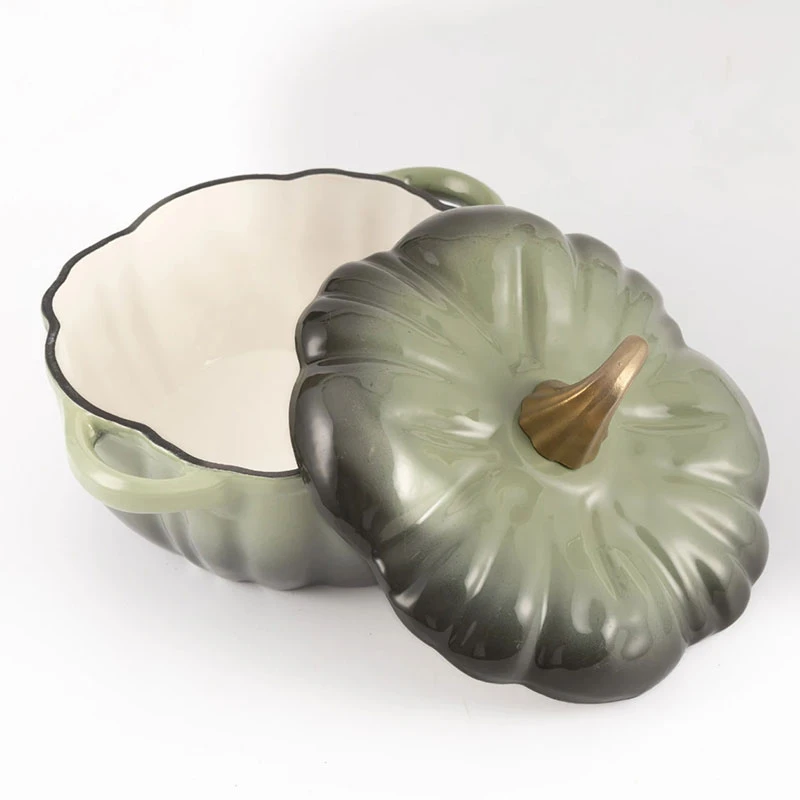
Available in various colors and finishes, these pots double as decorative pieces. That’s a plus if you love kitchen items that look as good as they work.
Specifications — What Should You Look For?
| Feature | Detail |
|---|---|
| Material | Cast iron core with vitreous enamel coating |
| Weight | Approximately 5 to 12 lbs (depending on size) |
| Size Options | Commonly 2 to 7 quarts capacity |
| Heat Compatibility | Gas, electric, induction, and oven safe up to 500°F / 260°C |
| Care Instructions | Hand wash recommended; avoid sudden temperature shock |
| Color Options | Multiple enamel colors, from classic red to deep blue and earth tones |
Who Uses Coated Cast Iron Dutch Ovens Around the World?
Oddly enough, this product transcends borders and industries:
- Professional Chefs and Restaurants: Precision in heat and consistency is king.
- Households Globally: Affordable durability means it’s a go-to for family meals.
- Humanitarian Organizations: After natural disasters, durable and easy-to-clean cookware is critical for feeding displaced populations.
- Remote and Off-grid Communities: With fuel efficiency and long-lasting reliability, these ovens support sustainable cooking.
For example, in the aftermath of typhoons in Southeast Asia, many relief operations distributed coated cast iron dutch ovens because they withstand heavy use and reduce fuel consumption—two crucial factors post-disaster.
Why Invest in a Coated Cast Iron Dutch Oven? Advantages & Long-Term Benefits
Beyond the obvious practical benefits, the emotional ones are quite compelling. Imagine cooking meals that taste consistently better and don’t involve replacing your cookware every few years. You get:
- Cost-Effectiveness: It may seem pricey upfront but lasts decades.
- Sustainability: Less disposable cookware means less landfill waste.
- Health and Safety: The enamel coating reduces harmful rust and reactive metals in food.
- Reliability: The pot’s heft provides stability, reducing accidents and spills.
- Emotional Comfort: Cooking in trusted, quality cookware feels good—and it shows in your food.
So yes, it’s a bit like your trusted friend in the kitchen—always ready but never demanding.
What’s Next? Future Trends in Coated Cast Iron Dutch Ovens
The world doesn’t stand still, even for cast iron! Green energy movements encourage cookware that reduces cooking times and fuel needs—things this oven already hints at with its heat retention. Manufacturers are experimenting with thinner cast iron layers paired with advanced coatings for lighter pots without compromising heat. Also, digital monitoring (think: smart lids with temperature sensors) is on the horizon, marrying tradition with tech for precision cooking.
Facing Challenges: What’s Not Perfect Yet?
Every product has hurdles. For coated cast iron dutch ovens:
- Enamel Chipping: While tough, dropping a pot or rough handling can cause coating damage.
- Weight: It’s not lightweight cookware, so some find it cumbersome.
- Price: Upfront cost can deter casual buyers.
Experts suggest proper storage, gentle cleaning, and choosing slightly smaller sizes if weight is a concern. Plus, savvy shoppers hunt for brands offering lifetime warranties or repair services—which leads us nicely into vendor options.
Vendor Comparison: Choosing Your Coated Cast Iron Dutch Oven
| Brand | Price Range | Warranty | Color Options | Unique Feature |
|---|---|---|---|---|
| Lodge | $40–$100 | Limited Lifetime | Basic colors | Affordable, American-made |
| Le Creuset | $300–$700 | Limited Lifetime | Wide vivid palette | Iconic design, premium finish |
| Staub | $200–$500 | Limited Lifetime | Matte dark tones | Self-basting lid technology |
FAQ: Common Questions About Coated Cast Iron Dutch Ovens
- Is the enamel coating safe for cooking acidic foods?
- Yes, enamel coatings prevent the reactive nature of bare cast iron, which means you can safely cook acidic dishes like tomato sauce without metallic taste or damage.
- How do I prevent the enamel from chipping?
- Handle with care — avoid sudden temperature changes, don’t drop or bang the pot, and use non-metal utensils to preserve the enamel.
- Can I use a coated cast iron dutch oven on induction cooktops?
- Definitely. Cast iron works great on induction because of its magnetic properties, and the enamel coating doesn’t affect that.
- What’s the best way to clean a coated cast iron dutch oven?
- Hand washing with warm soapy water and a soft sponge is best. Avoid abrasive cleaners that can scratch the enamel.
- Are coated cast iron dutch ovens environmentally friendly?
- Given their long lifespan and reduced energy needs during cooking, these ovens contribute positively towards sustainability compared to disposable or low-quality cookware.
Wrap-Up: Why the Coated Cast Iron Dutch Oven Is Worth Your Kitchen’s Attention
To sum it up, the coated cast iron dutch oven isn’t just cookware—it’s investment in reliability, efficiency, and even a nod to tradition mixed with modernity. Whether you’re cooking a family stew or supporting remote aid kitchens, this pot’s strengths shine through. Curious to explore our selection? Dive into more at coated cast iron dutch oven and find the perfect fit for your culinary and practical needs.
References:
1. United Nations – Food Security
2. World Bank – Food Security and Nutrition
3. Wikipedia – Cast Iron Cookware
-
Antique Cast Iron Camp Oven: Durable Outdoor Cookware for Professionals | ZD CookwareNewsJan.06,2026
-
Durable 4 Quart Camping Pot for Professional Use | ZD CookwareNewsJan.06,2026
-
Durable Campfire Cast Iron Pot for Outdoor & Industrial UseNewsJan.06,2026
-
Cast Iron Griddle for Camp Stove – Durable Outdoor Cooking EssentialNewsJan.06,2026
-
Dutch Oven Cast Iron Camping – Durable Outdoor Cooking GearNewsJan.05,2026
-
Durable and Efficient Cast Iron Camping Griddle for B2B Professionals | ZD CookwareNewsJan.05,2026